2026 Guide: Sulfate-Free Shampoo for Color-Treated Hair
Your expensive salon color isn’t just fading; it’s being stripped away by the very products claiming to protect it. We all know the hollow feeling of watching a perfect, multidimensional shade turn dull and brassy after only a few morning showers. You’ve invested significant time and resources into your aesthetic, so it’s only right to expect your home care routine to uphold that elite professional standard.
This 2026 guide reveals why simply reaching for any vegan shampoo for color treated hair isn’t enough to guarantee lasting vibrancy. You’ll discover the sophisticated, keratin-infused science required to seal the cuticle and how to identify the high-performance formulas that truly outperform generic retail options. We’ll decode confusing ingredient labels, explain the critical role of pH-balanced surfactants, and introduce you to the expert systems used by metropolitan stylists to maintain radiant, healthy strands for weeks longer than traditional methods.
Key Takeaways
- Master the science of the hair cuticle to prevent cuticle swell, which is the primary cause of premature color fading and loss of shine.
- Learn why choosing a specialized vegan shampoo for color treated hair is essential for maintaining the integrity of your hair’s protective shield.
- Decode ingredient labels to distinguish between nutrient-dense professional formulas and water-heavy retail alternatives that lack protective proteins.
- Implement a professional maintenance routine using cold water rinses and strategic washing schedules to maximize your color investment.
- Discover how the Silk Touch and Diamond collections provide targeted, keratin-infused support for long-lasting, salon-grade results.
The Science of Vibrancy: Why Professional Hair Color Fades
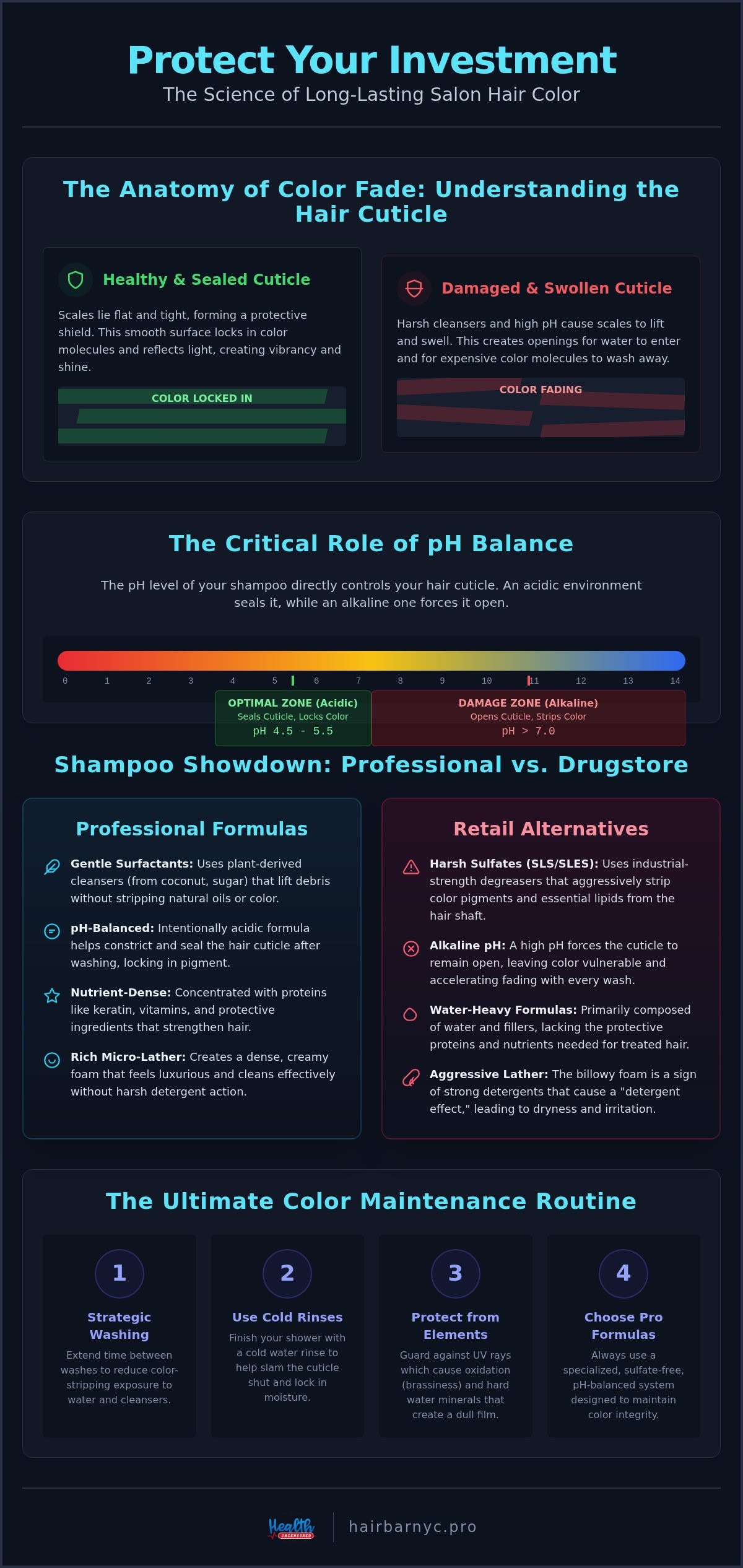
Your hair’s vibrancy depends on a microscopic architectural structure known as the cuticle. Think of it as a protective shield of overlapping scales that lock in the artificial pigments deposited during your salon visit. When these scales lie flat, they create a smooth surface that reflects light and traps color molecules. However, the integrity of this shield is fragile. Every time you use a standard Shampoo, you risk “cuticle swell.” This phenomenon occurs when water and aggressive surfactants penetrate the hair shaft, causing the scales to lift and allowing color molecules to escape into the drain.
The vulnerability of your hair also depends on the molecular size of your dye. Permanent color uses smaller molecules that develop inside the cortex, while semi-permanent options rely on larger molecules that sit closer to the surface. Harsh cleansers act like a solvent, dragging these pigments out regardless of their depth. Choosing a premium vegan shampoo for color treated hair is a non-negotiable step for anyone serious about preservation. These professional formulas use gentler, plant-derived surfactants that cleanse without triggering the catastrophic swelling that leads to rapid fading.
The Role of pH in Color Retention
Maintaining an acidic environment is the secret to salon-fresh hair. Most mass-market shampoos are slightly alkaline, with a pH higher than 7. This alkalinity forces the cuticle to stay open, leaving your color exposed and vulnerable. In contrast, professional-grade formulas are intentionally formulated to be slightly acidic, which encourages the cuticle to contract and seal. pH balance in hair care is the precise chemical equilibrium that keeps the cuticle scales tightly sealed against external damage. By using a vegan shampoo for color treated hair that prioritizes this balance, you’re effectively locking the door on your color molecules.
Oxidation and Mineral Buildup
Fading isn’t just about what you strip away; it’s also about what the environment adds. UV rays trigger oxidation, a chemical reaction that breaks down the bonds of your hair dye and results in premature brassiness. Simultaneously, hard water minerals like calcium and magnesium attach to the hair shaft. This creates a “dulling” effect that differs from “stripping.” While stripping removes color, mineral buildup masks it with a cloudy film that kills shine. To understand the full spectrum of professional color technology, consult our Elite Guide to Professional Hair Color Brands. Professional systems are engineered to neutralize these minerals while providing a barrier against oxidative stress.
The Sulfate-Free Revolution: Protecting Your Hair’s Integrity
Sulfates like Sodium Lauryl Sulfate (SLS) and Sodium Laureth Sulfate (SLES) are essentially high-performance industrial degreasers. While they provide a satisfying, billowy lather, this “detergent effect” is catastrophic for chemically altered hair. These molecules are small enough to infiltrate the hair shaft, where they aggressively dissolve both artificial pigments and the natural lipids that keep your hair supple. Modern professional technology has evolved beyond this. Today’s elite surfactants, often derived from coconut or fermented sugars, offer a sophisticated cleansing experience that lifts debris without compromising the cuticle’s structural integrity.
The myth that a vegan shampoo for color treated hair won’t lather is outdated. While you won’t get the aggressive, drying foam of a drugstore brand, professional formulas provide a rich, micro-bubble texture. This dense, creamy lather feels luxurious and performs effectively without the abrasive side effects of traditional detergents. It’s about quality over quantity. You don’t need a mountain of bubbles to achieve a deep, professional clean.
Benefits Beyond Color Protection
Eliminating sulfates does more than just save your color. It transforms your scalp’s ecosystem. Harsh detergents often trigger a cycle of irritation and reactive oil production, where the scalp overcompensates for being stripped bare. By switching to a gentle, sulfate-free system, you’ll notice several improvements:
- Reduced scalp sensitivity and redness, especially for those with reactive skin.
- Superior moisture retention that prevents the dreaded “straw-like” texture after drying.
- A balanced oil production cycle that often allows you to extend the time between washes.
Identifying ‘Hidden’ Sulfates on Labels
Becoming an insider means learning to read between the lines of clever marketing. Many brands claim to be “sulfate-free” while using Sodium C14-16 Olefin Sulfonate, a surfactant that can be just as stripping as SLS. You should also look for “Sodium Chloride Free” on the label. Sodium chloride, or common table salt, is often used as a cheap thickening agent. However, it’s notoriously abrasive on keratin-treated and color-processed strands, leading to premature fading and dryness.
Reading a professional ingredient deck requires a stylist’s eye. Look for gentle alternatives like Sodium Lauroyl Methyl Isethionate or Cocamidopropyl Betaine. These are the hallmarks of a high-performance vegan shampoo for color treated hair designed for a discerning buyer. For those seeking the ultimate in post-salon care, the Silk Touch Shampoo offers a meticulously balanced formula that bridges the gap between elite performance and daily luxury.
Professional vs. Drugstore: Decoding the Sulfate-Free Label
Walking down a retail aisle, you’ll see countless bottles proudly displaying “sulfate-free” stickers. It’s a common misconception that this label alone guarantees safety for your color. In reality, the difference between a high-end vegan shampoo for color treated hair and a budget-friendly alternative is found in the concentration and molecular weight of the ingredients. While a retail bottle might appear to offer better value due to its volume, these products are often diluted with up to 90% water and inexpensive fillers. Professional formulas are significantly more concentrated, meaning a nickel-sized amount of salon-grade product provides more active protection than a palmful of drugstore filler.
This concentration extends to the molecular level. Elite formulas use micronized ingredients designed to penetrate the hair shaft rather than just coating the surface. When proteins and oils have a low molecular weight, they can enter the cortex to repair damage from within. Drugstore brands often use larger molecules that sit on top of the cuticle, creating a temporary illusion of shine that washes away, taking your expensive pigments with it. This is why the cost-per-wash of a professional bottle is often lower; you use less product, and your color lasts weeks longer, reducing the frequency of salon touch-ups.
Surfactant Quality Comparison
Not all sulfate alternatives are gentle. Many drugstore brands replace traditional sulfates with Sodium C14-16 Olefin Sulfonate. While technically sulfate-free, this ingredient has a high pH that can be just as stripping as the chemicals it replaces. Professional systems utilize sophisticated secondary surfactants to create a safe, luxurious lather.
| Feature | Professional (Elite) | Drugstore (Retail) |
|---|---|---|
| Primary Surfactant | Amino acid-based (e.g., Glutamates) | Olefin Sulfonates or Sarcosinates |
| Concentration | High active ingredient density | High water and filler content |
| Cuticle Impact | pH-balanced and smoothing | Potentially alkaline and stripping |
The Keratin Advantage
A superior vegan shampoo for color treated hair does more than just cleanse; it actively reconstructs. Professional formulas, such as our Silk Touch Shampoo, often include hydrolyzed keratin proteins. These plant-derived proteins fill in the gaps in a damaged cuticle, effectively “patching” the shield that keeps your color molecules inside. This dual-action approach bridges the gap between daily cleansing and intensive repair. For those who want to take their hair health even further, understanding the foundation of these formulas is key. Explore The Ultimate Guide to Formaldehyde-Free Keratin Treatments to see how professional maintenance and salon treatments work in tandem to preserve your aesthetic.
Maximizing Longevity: The Ultimate Color Maintenance Routine
Investing in a high-performance vegan shampoo for color treated hair is only half the battle. To truly maintain that “just-left-the-salon” vibrancy, you must adopt a stylist’s discipline in your daily routine. Technique is as vital as the formula itself. Even the most elite products can’t overcome the damage caused by scalding water or aggressive towel drying. Your goal is to keep the hair cuticle as flat and undisturbed as possible throughout the cleansing process.
Cold water is your best ally. While a hot shower feels luxurious, it’s a primary catalyst for cuticle swelling. By lowering the temperature during the final rinse, you encourage the cuticle scales to lie flat, effectively trapping pigments inside the cortex. You should also aim to transition to a schedule of washing only 2-3 times per week. This reduction in water exposure significantly extends the life of your color. When you do wash, always pair your cleanser with a matching sulfate-free conditioner. Professional systems are engineered to work in tandem; the conditioner provides the necessary lipids to replace what was lifted during cleansing.
Heat styling remains a significant threat. Sulfate-free hair is healthier, but it’s still vulnerable to the intense temperatures of flat irons and dryers. Thermal tools can oxidize color molecules, leading to a dull or brassy finish. Always apply a protective barrier before styling to ensure your strands remain resilient and radiant.
Wash Day Step-by-Step for Maximum Color Retention
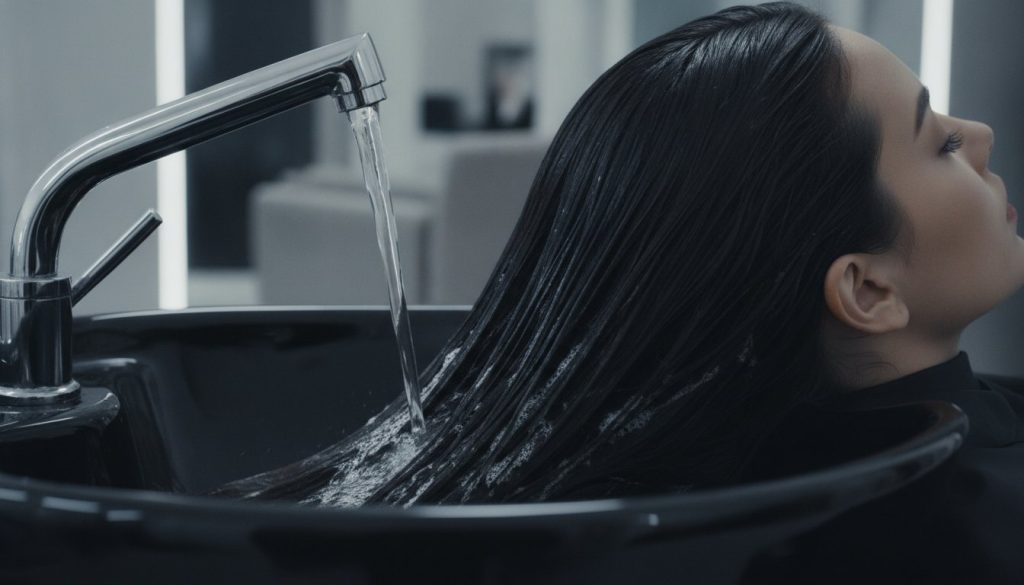
When you use a professional-grade vegan shampoo for color treated hair, the application technique determines the level of pigment retention. Follow this elite protocol:
- Step 1: Saturate your hair thoroughly with lukewarm water for at least 60 seconds to loosen debris.
- Step 2: Emulsify a small amount of shampoo in your palms until it turns creamy before applying it to your hair.
- Step 3: Focus your cleansing efforts strictly on the scalp. Allow the suds to rinse through the mid-shafts and ends rather than scrubbing them directly.
- Step 4: Apply the Silk Touch Conditioner from the mid-lengths down. Leave it for 3-5 minutes to allow the keratin proteins to bond with the hair fibers.
Intermittent Care: Dry Shampoo and Serums
Maintaining color between wet washes requires a strategic approach to product layering. Use a high-quality dry shampoo to absorb excess oils at the root, allowing you to skip a wash day without sacrificing your aesthetic. On damp hair, apply a Keratin Infused Serum to provide a microscopic shield against UV rays and environmental pollutants. Using microfiber towels is essential in preventing mechanical color loss, as their smooth fibers don’t snag or lift the cuticle like traditional terry cloth. For the best results in your maintenance journey, explore the Silk Touch Shampoo and its companion conditioner to lock in your professional results.
Elite Solutions: The Hair Bar NYC Professional Collections
Achieving salon-level results at home requires more than just avoiding sulfates; it demands a synergy of high-performance ingredients engineered for a specific metropolitan aesthetic. Hair Bar NYC Professional collections serve as the definitive bridge between the stylist’s chair and your daily vanity. While generic retail options focus on surface-level cleansing, these elite formulas utilize vegan keratin and advanced surfactant technology to treat the hair as a complex, living structure. This professional standard is why these collections remain the primary choice for stylists in high-end urban settings who understand that a high-quality vegan shampoo for color treated hair is the foundation of any serious maintenance routine.
The transition from the salon to the home often results in a loss of vibrancy, but these proprietary formulas are designed to arrest that decline. By integrating the same technology used in our professional treatments, we empower you to maintain a high-performance look with ease. These products don’t just clean; they transform the texture and resilience of every strand, ensuring your investment in professional color remains visible for weeks longer than traditional care allows.
Silk Touch: Sophistication in Cleansing
Silk Touch Shampoo is the definitive daily hero for those who prioritize both smoothness and pigment longevity. As a premier vegan shampoo for color treated hair, it’s meticulously crafted to maintain the integrity of both professional color and intensive smoothing treatments. The formula is entirely formaldehyde-free and cruelty-free, reflecting a commitment to clean beauty without sacrificing the high-performance results expected in a luxury salon. By reinforcing the hair’s structural integrity with plant-derived proteins, it ensures your strands remain supple and vibrant long after your appointment.
Experience the Silk Touch Collection
Diamond Collection: For the Discerning Professional
For the discerning professional requiring maximum brilliance and structural fortification, the Diamond collection offers an elevated tier of care. Diamond Shampoo is an intensive repair formula specifically engineered to target chemically weakened bonds, a common concern for those with high-lift blonde hair or frequent color transformations. It works by reconstructing the internal framework of the hair shaft, restoring the strength and light reflectivity that often fades after chemical processing. This isn’t just a cleanser; it’s a sophisticated tool for maintaining the health and luminosity of elite hair color.
Invest in your hair’s future by choosing the formulas trusted by experts. Visit our professional-grade e-commerce platform to secure the tools necessary for an uncompromising standard of excellence.
Master the Art of Color Preservation
Maintaining your salon investment requires a definitive shift from generic cleansing to specialized, professional-grade care. By mastering the science of cuticle swell and the necessity of pH-balanced, keratin-infused formulas, you can finally stop the frustrating cycle of rapid fading and premature brassiness. Choosing a high-performance vegan shampoo for color treated hair ensures that your strands remain vibrant, luminous, and structurally sound between salon appointments. These elite systems, utilized by stylists in high-end urban salons, provide the concentrated active ingredients and protein-rich protection that retail fillers simply cannot replicate.
It’s time to bridge the gap between the expert environment and your home routine with tools designed for uncompromising quality. Shop the Professional Sulfate-Free Collection at Hair Bar NYC Professional to experience cruelty-free, vegan formulas specifically engineered for your colored and keratin-treated hair. Your hair is a bold reflection of your personal standards; treat it to the professional excellence it deserves for a lasting, radiant aesthetic.
Frequently Asked Questions
Is sulfate-free shampoo really better for color-treated hair?
Sulfate-free formulas are undeniably superior because they lack the aggressive detergents that lift the hair cuticle and wash away artificial pigment. Standard sulfates act as industrial-strength degreasers that strip the hair of its natural protective oils, leading to dullness and a rough texture. By choosing a gentler alternative, you preserve the structural integrity of the hair shaft and keep your professional salon color looking vibrant and multidimensional for much longer.
Does sulfate-free shampoo stop hair color from fading completely?
While no product can stop fading entirely, a premium vegan shampoo for color treated hair significantly extends the life of your shade. Fading is a complex process influenced by UV rays, hard water minerals, and thermal styling. However, eliminating harsh sulfates removes the most aggressive chemical cause of pigment loss. This allows your hair to maintain its richness and salon-fresh brilliance until your next appointment rather than watching your investment wash down the drain.
Can I use sulfate-free shampoo if I have an oily scalp?
You can certainly use sulfate-free options; in fact, they often help balance an oily scalp over time. Harsh sulfates strip the scalp so aggressively that they trigger a reactive overproduction of sebum to compensate for the dryness. A professional sulfate-free formula cleanses effectively without causing this defensive oil spike. Once your scalp adjusts to the sophisticated surfactant system, you’ll find that your hair stays cleaner and more voluminous for longer periods.
Why does my sulfate-free shampoo not lather as much as regular shampoo?
Sulfates are specifically engineered to create large, airy bubbles, but this aggressive foam doesn’t actually translate to a better clean. Professional sulfate-free formulas utilize amino acid-based surfactants that produce a denser, creamier micro-lather. This sophisticated texture is more effective at gently lifting debris without the abrasive friction of traditional bubbles. Simply emulsify the product in your palms with a bit of water before application to activate the rich, protective cleansing agents.
How often should I wash color-treated hair with sulfate-free shampoo?
We recommend washing your hair only 2-3 times per week to maximize your color’s longevity and health. Even when using a high-quality vegan shampoo for color treated hair, frequent water exposure causes the hair shaft to swell and contract, which can slowly loosen pigment molecules. On your off-days, use a professional dry shampoo to refresh the roots or simply rinse with cool water to maintain your style without the mechanical stress of a full wash.
Is Sodium C14-16 Olefin Sulfonate the same as a sulfate?
Technically it isn’t a sulfate, but it is a potent surfactant that can be just as stripping as traditional Sodium Lauryl Sulfate. Many mass-market brands use this ingredient to claim “sulfate-free” status while still providing an aggressive, drying wash that compromises your color. Elite professional products avoid these harsh shortcuts, opting instead for truly gentle, plant-derived cleansers that prioritize the health of your cuticle and the long-term vibrancy of your salon-treated strands.
Do I need a sulfate-free conditioner if I use a sulfate-free shampoo?
Using a matching sulfate-free conditioner is essential for maintaining the precise pH balance of your hair. Professional systems are engineered to work in tandem; the shampoo cleanses the scalp while the conditioner seals the cuticle and replaces vital lipids lost during the day. Mixing a high-end shampoo with a low-quality, silicone-heavy retail conditioner can weigh down your hair and counteract the smoothing, protein-rich benefits of your professional sulfate-free cleansing routine.
Can sulfate-free shampoo help with hair breakage?
Yes, by preserving the natural oils and structural proteins within the hair shaft, sulfate-free formulas significantly reduce brittleness. Traditional detergents strip away the protective lipid layer, leaving the inner cortex vulnerable to mechanical damage and environmental stress. When you use a keratin-infused, sulfate-free system, you aren’t just protecting your color; you’re actively reinforcing the hair’s internal strength and elasticity to prevent split ends and future breakage from heat styling.