The Invisible Barrier: Water Quality Effects on Professional Hair Color Services
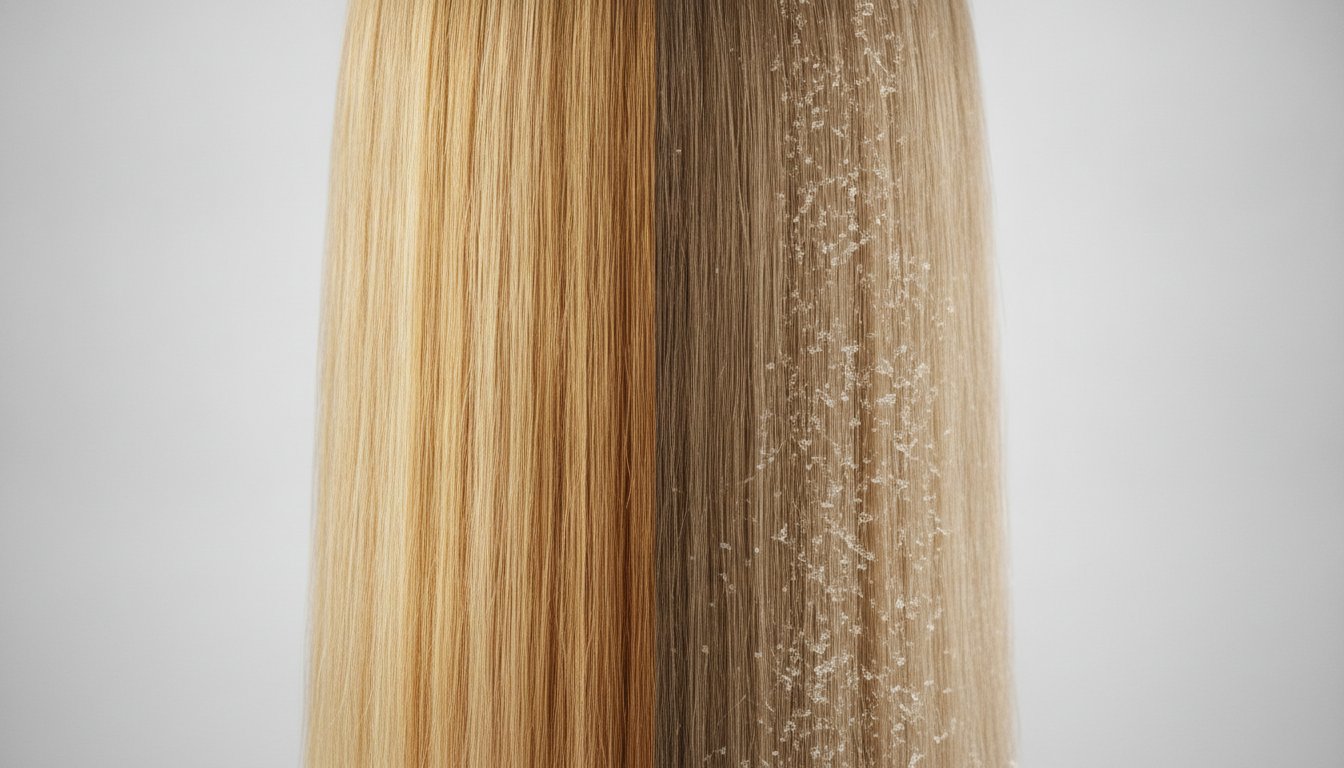
The most exquisite color formula in the world is often powerless against the chemical sabotage hiding in your tap water. While you invest in premium pigments and expert techniques, an invisible layer of mineral buildup is likely standing between your client and their dream shade. Understanding the water quality effects on hair color services is no longer optional for elite stylists; it’s a fundamental requirement for maintaining professional standards in a high-end environment.
You’ve likely felt the frustration of a masterfully applied toner fading prematurely or a client returning with brittle, rough texture that defies your best efforts. It’s a common pain point that can lead to client dissatisfaction and unpredictable results during bleaching or toning. This guide will show you how to identify mineral interference and implement the elite protocols needed to protect your salon investment. You’ll discover the scientific connection between water hardness and hair integrity, and learn exactly how to ensure every Silk Touch or Color Bar Professional Hair Color service delivers the vibrant, long-lasting results your metropolitan clientele expects. We will explore how to neutralize these invisible barriers to maintain the integrity of your work from the basin to the street.
Key Takeaways
- Discover how mineral-laden water creates a scaly, non-porous film that prevents professional dyes from penetrating the hair cortex effectively.
- Identify the specific chemistry behind unpredictable green and orange tones caused by copper and iron deposits in the hair fiber.
- Learn why mineral buildup acts as a physical shield that compromises the bonding integrity of Silk Touch Keratin Treatments.
- Master elite chelation protocols to neutralize the water quality effects on hair color services and ensure predictable, vibrant results for every client.
- Elevate your salon standard by integrating advanced pre-service consultations that address the invisible barriers to high-performance color.
The Invisible Barrier: Why Water Quality Is the Unsung Factor in Color Success
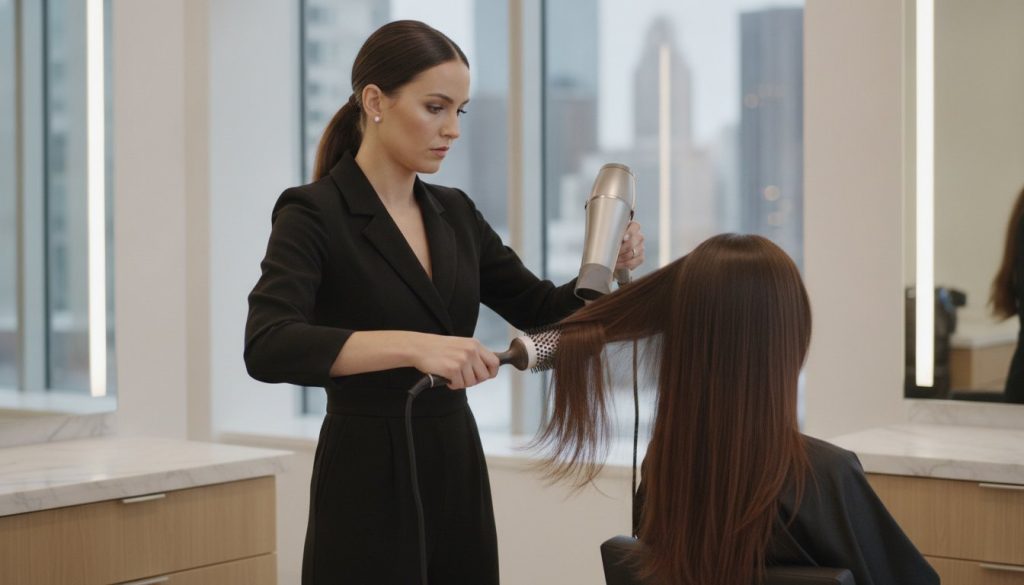
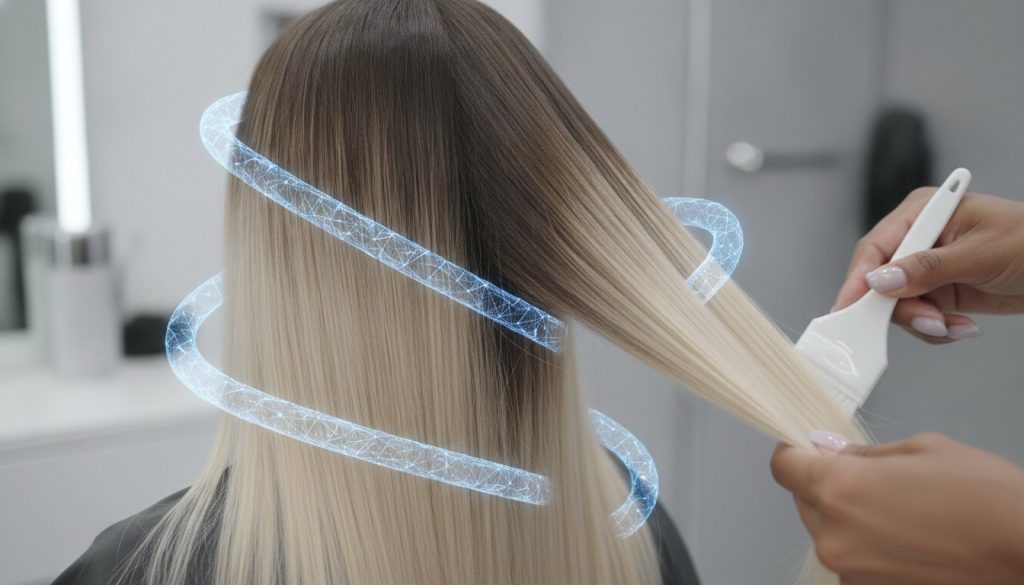
Every luxury hair service begins at the backwash. It’s the moment of truth where high-performance formulas meet the salon’s most essential tool: water. While we focus on the latest pigments and bond-builders, the water running through our pipes often remains the most overlooked variable in the technical process. Mineral-laden water doesn’t just sit on the hair; it creates a scaly, non-porous film. This barrier prevents professional dyes from penetrating the cortex, leading to the uneven results that frustrate even the most seasoned stylists.
Achieving elite results requires a pristine canvas. We often think of clean water as anything that looks clear, but in a professional setting, we must distinguish between aesthetically clean and chemically active water. The water quality effects on hair color services are profound because these hidden chemicals interact with your professional formulas in real-time. Without a purified starting point, the depth and vibrancy of your Color Bar Professional Hair Color results are at the mercy of the municipal supply. A pristine canvas is the difference between a color that simply covers and a color that radiates from within.
This level of water precision is mirrored in other technical fields; for example, Discount Hydro offers advanced filtration solutions for hydroponics, where controlling mineral concentrations is the key to achieving optimal results, much like in a professional hair service.
Hard Water vs. Soft Water: A Professional Perspective
Understanding what hard water is involves looking at the concentration of dissolved minerals, primarily calcium and magnesium. These elements attach to the hair shaft, creating a gritty tactile quality that clients often mistake for damage. Conversely, soft water can be equally challenging. While it lacks minerals, it often fails to provide the necessary grip for styling, leaving hair limp and over-processed in appearance. The professional sweet spot is a balance where the hair is free of mineral interference but maintains its natural structural integrity for optimal color absorption and long-term retention.
Geographic Variations in the United States
Water composition varies dramatically across the country. In states like Arizona, Nevada, and Indiana, salons often battle extreme mineral concentrations exceeding 200 mg/L. Meanwhile, the Pacific Northwest and New England typically enjoy naturally softer supplies. Beyond minerals, municipal treatment processes introduce chlorine or chloramine to ensure safety. These additives alter the hair’s chemical state, often raising the cuticle and making it more susceptible to oxidative stress. Savvy salon owners should regularly review their local Consumer Confidence Report (CCR) to understand exactly what is coming out of their taps. This data is the first step in mastering the water quality effects on hair color services and ensuring every service meets an uncompromising standard of excellence.
The Chemistry of Interference: How Minerals and Metals Sabotage Your Formulas
Chemistry is the silent partner in every salon service. When you mix a developer with a pigment, you’re initiating a precise molecular transformation. However, if the water in your basin is chemically active, you aren’t just coloring hair; you’re managing a complex, often volatile, chemical reaction. The water quality effects on hair color services start deep within the hair fiber, where minerals and metals act as aggressive disruptors to your professional artistry.
Calcium and magnesium are the most frequent offenders. According to the U.S. Geological Survey’s data on the Hardness of Water, these minerals are prevalent in a vast majority of municipal supplies. They lead to “calcification,” a process where mineral salts crystallize on the hair shaft. This creates a brittle, stone-like coating that kills shine and makes the hair feel like straw. Copper and iron are the visual saboteurs. Copper is notorious for leaving muddy green casts on cool blondes, while iron deposits result in stubborn, rusty orange tones that no amount of purple shampoo can truly neutralize.
Chlorine adds another layer of complication. As a powerful oxidizer, it strips the hair of its natural protective oils and aggressively attacks the protein structure. This leaves the hair porous and unable to hold onto pigment. Most dangerously, trace metals can trigger a “metallic reaction” during lightening services. When these metals meet high-volume developers, they can cause rapid heat buildup, leading to smoke, bubbling, and severe structural failure of the hair.
The Peroxide-Metal Interaction
Copper sitting on the hair shaft acts as a catalyst, causing hydrogen peroxide to decompose at an accelerated, uncontrollable rate. This leads to “hot spots” where the hair lifts too fast and unevenly, often resulting in significant breakage in localized areas. Oxidative stress in this context is the cellular degradation and structural weakening of the hair fiber caused by the uncontrolled release of free radicals during mineral-catalyzed chemical reactions. This volatility makes achieving a predictable, clean lift nearly impossible without prior intervention.
PH Balance and the Hair Cuticle
The pH of your water is just as critical as its mineral content. While healthy hair sits at a slightly acidic pH of 4.5 to 5.5, municipal tap water is frequently alkaline, often reaching a pH of 8.5. This alkalinity forces the hair cuticle to remain open, which is the primary cause of rapid color leaching and “leaky” toners. To combat this, elite stylists rely on the Color Bar Professional line to restore a slightly acidic environment. Sealing the cuticle post-service is the only way to lock in depth and ensure the water quality effects on hair color services don’t result in a faded, lackluster finish within a week of the appointment.
Beyond Fading: The Critical Impact on Keratin and Smoothing Integrity
The conversation around water quality often stops at color fading, but for the professional stylist, the stakes are even higher. Mineral buildup acts as a physical shield. It creates a dense, non-porous layer that prevents high-performance proteins from bonding correctly to the hair fiber. This is a critical, often overlooked nuance of water quality effects on hair color services and smoothing protocols alike. Without a specific de-mineralization step, your most advanced formulas essentially sit on the surface. This leads to results that wash away in weeks rather than months, leaving both the stylist and the client frustrated.
Hard water minerals often cause a gritty, sandpaper-like texture. This isn’t damage in the traditional sense; it’s a topographical issue on the hair’s surface. Clients frequently mistake this for dryness or breakage, but it’s actually the presence of mineral salts. For a Silk Touch Keratin Treatment to perform at its peak, the hair must be completely stripped of this gritty interference. Only then can the smoothing molecules penetrate the cuticle and restructure the hair from within. Professional-grade smoothing requires a pristine foundation to achieve maximum efficacy and the long-lasting results your salon is known for.
Protecting the Keratin Bond
The science of the keratin-to-hair bond is delicate. Keratin treatments rely on complex cross-linking to seal the hair and provide that coveted mirror-like shine. However, the USGS notes that water hardness is determined by the amount of dissolved calcium and magnesium. These ions are highly reactive. They physically block the cross-linking process, which can lead to a stiff or crunchy feeling post-treatment. To ensure the Diamond Keratin Treatment delivers its signature high-gloss finish, the stylist must first neutralize these reactive ions. Addressing these mineral-induced complaints early prevents the calcification that makes hair feel unmanageable after a luxury service.
The Role of Professional Maintenance
The salon service is only the beginning of the journey. Maintenance is where longevity is truly won or lost. For clients living in hard water areas, standard retail products simply won’t suffice. Using specialized hair care products for natural hair that contain professional-grade chelating agents is non-negotiable. These products are designed to gently lift mineral deposits without stripping the newly applied keratin or pigment. Identifying mineral-safe shampoos and conditioners is a vital part of the post-service consultation. It ensures the water quality effects on hair color services and keratin applications don’t compromise the client’s significant investment in their hair health and style.
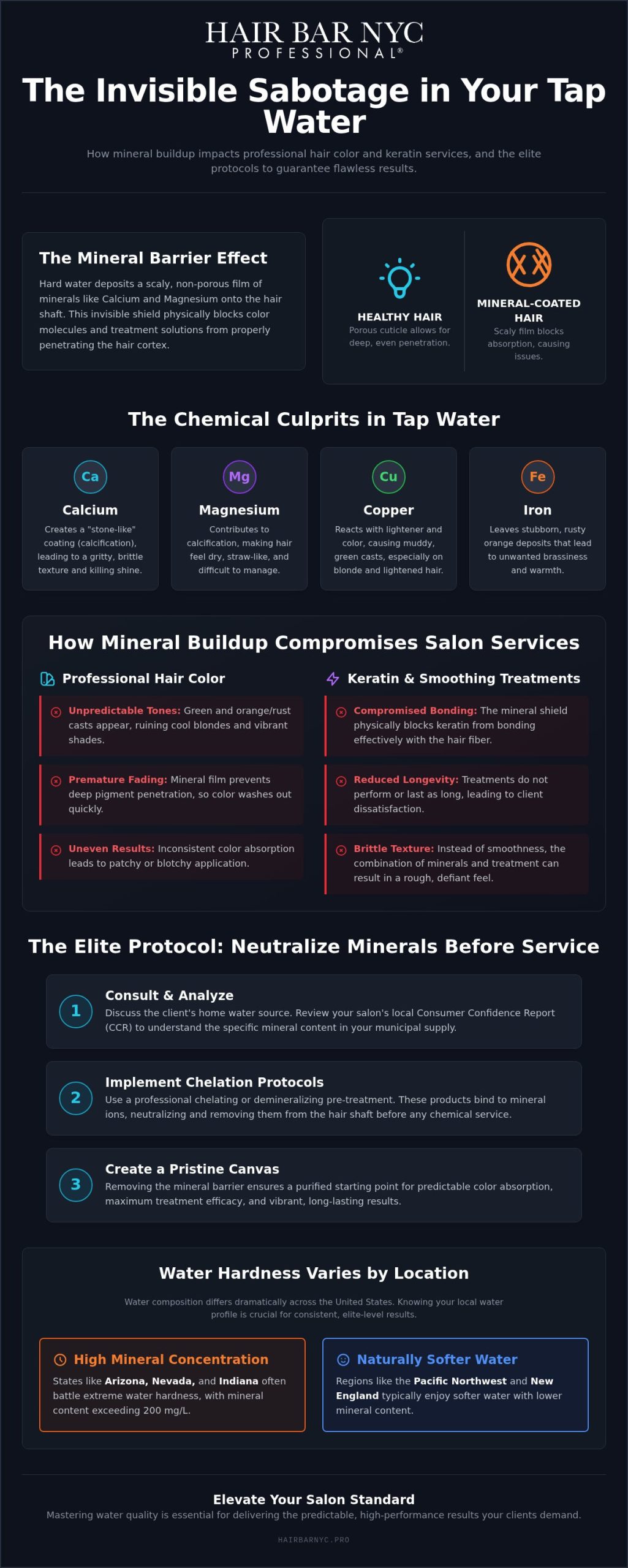
Professional Protocols: Neutralizing Mineral Buildup Before the Service
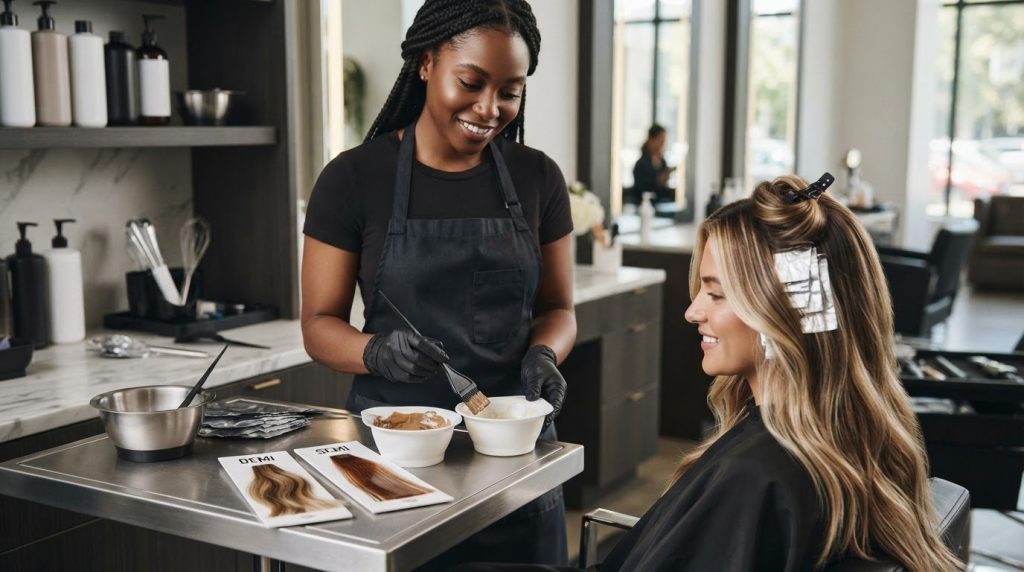
Mastering the water quality effects on hair color services requires moving beyond the standard wash-and-go mentality. An elite stylist treats every service as a curated chemical event. This precision starts with the pre-service consultation. Don’t just ask about their last color; ask about their plumbing. Do they have copper pipes? Is their home on a municipal line or a private well? These answers dictate your technical approach before you even touch a mixing bowl. Knowing the source of the water allows you to predict the mineral load you’ll be fighting.
Chelation therapy is the gold standard for stripping minerals without compromising hair health. This isn’t a generic clarifying shampoo. It’s a targeted molecular treatment designed to bind to metal ions and lift them from the cortex. This process ensures your pigments hit the target hair fiber, not a mineral barrier. By removing these microscopic disruptors, you create the predictable environment necessary for high-end results. You can shop professional-grade salon tools to ensure your station is equipped for these advanced protocols.
Temperature control is another hallmark of professional excellence that is often overlooked. Lukewarm water is the absolute standard for rinsing color. Hot water swells the cuticle too aggressively, which can lead to color leaching. Conversely, cold water can sometimes trap residual minerals before they’re fully rinsed away. Post-service, utilize acidic rinses to lock in pigments and smoothing agents. These rinses seal the cuticle, ensuring the Diamond Keratin Treatment or Color Bar Professional Hair Color remains vibrant despite the client’s home water conditions.
Step-by-Step De-mineralization
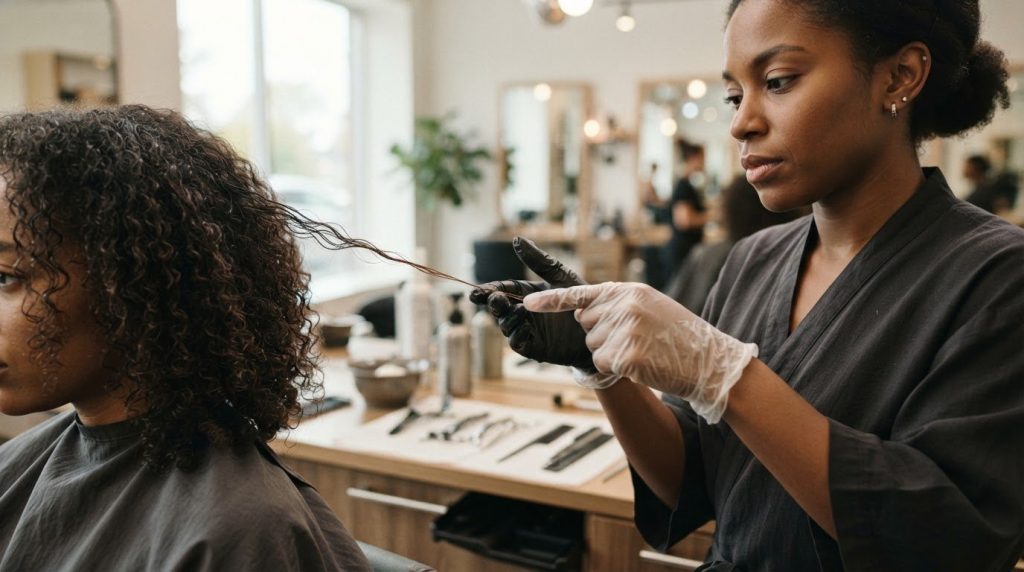
Begin every high-stakes service with a mineral test on a dry strand. If the hair feels tacky, stiff, or unusually dull, buildup is present. Apply a professional chelating treatment prior to any chemical application. This prepares the canvas for even lifting and saturation. Thorough rinsing is critical; any remaining mineral residue can still interfere with the oxidation process. Take the extra five minutes at the basin to ensure a truly clean slate. This small investment in time prevents the water quality effects on hair color services from ruining your technical work.
Educating the Discerning Client
Positioning water quality management as a hallmark of professional hair color brands elevates your status from stylist to expert. Explain the value of a “mineral detox” as a premium add-on service. Most clients are unaware that their home shower is sabotaging their expensive salon visits. By providing this scientific context, you build trust through authority. Visible results, such as increased shine and softer texture, will confirm your expertise and justify the investment in elite care.
The Elite Standard: Protecting Your Results with Hair Bar NYC Professional
At the intersection of high-end urban living and advanced cosmetic science, Hair Bar NYC Professional offers a standard of excellence that refuses to compromise. We understand that the metropolitan environment presents unique challenges, from air pollutants to the aggressive mineral loads found in city water supplies. Our philosophy bridges the gap between the expert salon environment and home care, providing formulas that are specifically engineered to perform under pressure. By addressing the water quality effects on hair color services at the molecular level, we ensure that your artistry remains as vibrant and sharp as the day it was created.
The Color Bar Professional Hair Color line is our frontline defense against mineral interference. It’s designed with a superior pigment load that saturates the hair fiber more deeply than standard formulas, creating a density of color that is inherently more resistant to water-induced fading. This high-performance technology ensures that even in regions where water hardness exceeds the national average of 120 PPM, the integrity of the shade remains intact. We don’t just provide color; we provide a durable, water-resistant shield that maintains its luster long after the client leaves your chair.
The Maintenance Regimen
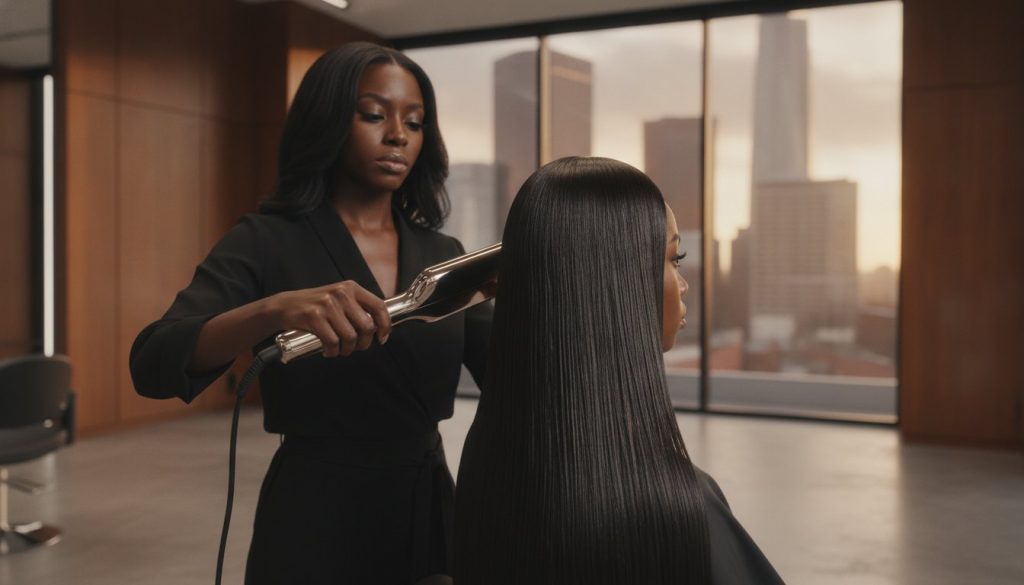
Longevity is maintained through a disciplined home care routine that mirrors the salon’s technical standards. Using Silk Touch Shampoo and Silk Touch Conditioner, or our Diamond Shampoo and Diamond Conditioner, is essential for regulating the pH balance of the scalp and hair. This balance is often disrupted by alkaline tap water, leading to the “leaky” cuticle issues discussed earlier. For an added layer of security, the Keratin Infused Serum provides a weightless, protective barrier that repels environmental minerals and locks in moisture. To finalize the seal, a Professional Flat Iron with consistent heat delivery is vital. It physically compresses the cuticle, trapping the Silk Touch proteins and Color Bar pigments inside the shaft where they belong.
The Hair Bar NYC Promise
Our commitment to quality is uncompromising. Every product in our lineup is cruelty-free, formaldehyde-free, and sulfate-free, ensuring that you’re offering the safest, most effective solutions to your discerning clientele. We empower stylists to overcome the water quality effects on hair color services by providing the tools and chemical education needed to thrive in any environment. This is the elite standard of hair care. Elevate your salon standards and protect your professional investment by integrating our high-performance systems into your daily practice.
Master the Canvas: Elevate Your Professional Standard
Unlocking consistent excellence requires more than just talent; it demands a deep understanding of the environment where your formulas live. You’ve seen how mineral interference can sabotage even the most meticulous application, but now you have the protocols to neutralize these invisible barriers. By proactively managing the water quality effects on hair color services, you transform a potential technical failure into a showcase of expert precision.
True artistry is sustained through the products you choose and the science you trust. Our systems are scientifically engineered for maximum color retention, ensuring your work stands up to the most demanding urban water conditions. We bring the same cruelty-free and formaldehyde-free smoothing systems used in elite NYC salons directly to your station. It’s time to reclaim control over your results and provide the uncompromising quality your clients deserve.
Shop the Hair Bar NYC Professional Collection to secure the tools needed for a flawless finish every time. You have the knowledge; now equip yourself with the professional-grade formulas that make brilliance predictable. Your expertise deserves a foundation that never wavers.
Frequently Asked Questions
Can hard water actually change my hair color?
Yes, hard water minerals chemically alter your hair’s pigment and vibrancy. Calcium and magnesium create a scaly film that blocks shine, while metals like copper can shift a pristine blonde into a muddy green tone. These minerals react with your professional formulas, making it impossible to achieve a true-to-tone result without intervention. It’s a common issue in urban environments where municipal water supplies are often mineral-heavy.
How can I tell if my salon’s water is affecting my clients’ color results?
Signs of water interference include premature fading, a lack of shine, and a distinct “tacky” or gritty texture. If your toners are washing out within a week or the hair feels stiff despite using premium conditioners, your water is likely the culprit. Observing how the hair reacts during the lightening process, such as unexpected heat or slow lifting, is another clear indicator of mineral buildup.
Is it necessary to use a chelating shampoo before every color service?
A pre-service chelation is strongly advised for any client exhibiting signs of mineral buildup or living in hard water areas. This step ensures that Color Bar Professional Hair Color can penetrate the cortex without hitting a mineral wall. While a standard wash might suffice for some, a targeted chelating treatment provides the predictable, high-performance results that define a luxury salon experience. It’s about securing the client’s investment.
What minerals are the most damaging to blonde hair color?
Copper and iron are the primary culprits behind unwanted tonal shifts in blonde hair. Copper deposits result in a greenish cast, often seen after exposure to pool water or older plumbing. Iron, on the other hand, causes a stubborn rusty orange tint that purple shampoos cannot fix. These metals act as oxidizers, accelerating the breakdown of your color and compromising the structural integrity of the hair.
Can water quality affect the longevity of a keratin treatment?
Absolutely, mineral buildup acts as a physical shield that prevents keratin from bonding correctly to the hair fiber. This interference can cause a Silk Touch or Diamond Keratin Treatment to fail prematurely or feel “stiff” rather than silky. Understanding the water quality effects on hair color services and keratin applications is essential for any stylist aiming to deliver long-lasting, high-gloss results in a metropolitan setting.
Does a shower filter really help protect professional hair color?
Shower filters are an excellent maintenance tool but shouldn’t replace professional-grade salon treatments. They effectively reduce chlorine and heavy sediments that strip natural oils and fade color, which helps minimize the daily water quality effects on hair color services. However, most retail filters cannot remove the dissolved minerals responsible for deep-seated calcification. They serve as a protective barrier that maintains vibrancy between intensive salon-grade de-mineralization appointments.
How do I explain the need for a mineral detox to my clients?
Position the mineral detox as a premium “canvas prep” service that guarantees the longevity of their color. Explain to your client that invisible minerals are like a layer of dust on a window; you can’t see the true beauty of the view until it’s cleared away. This scientific approach builds trust and demonstrates your commitment to protecting their investment in Silk Touch or Color Bar Professional Hair Color services.
What is the difference between a clarifying shampoo and a chelating shampoo?
Clarifying shampoos focus on removing surface-level oils and styling product buildup, whereas chelating shampoos target mineral and metal ions within the hair. Chelation is a more intensive chemical process that actually breaks the bond between the minerals and the hair shaft. For a stylist, using a chelating agent is the only way to ensure a truly clean slate before applying high-performance chemical formulas.