How to Fix Hair Damaged by Chemical Treatments: The Professional 2026 Guide
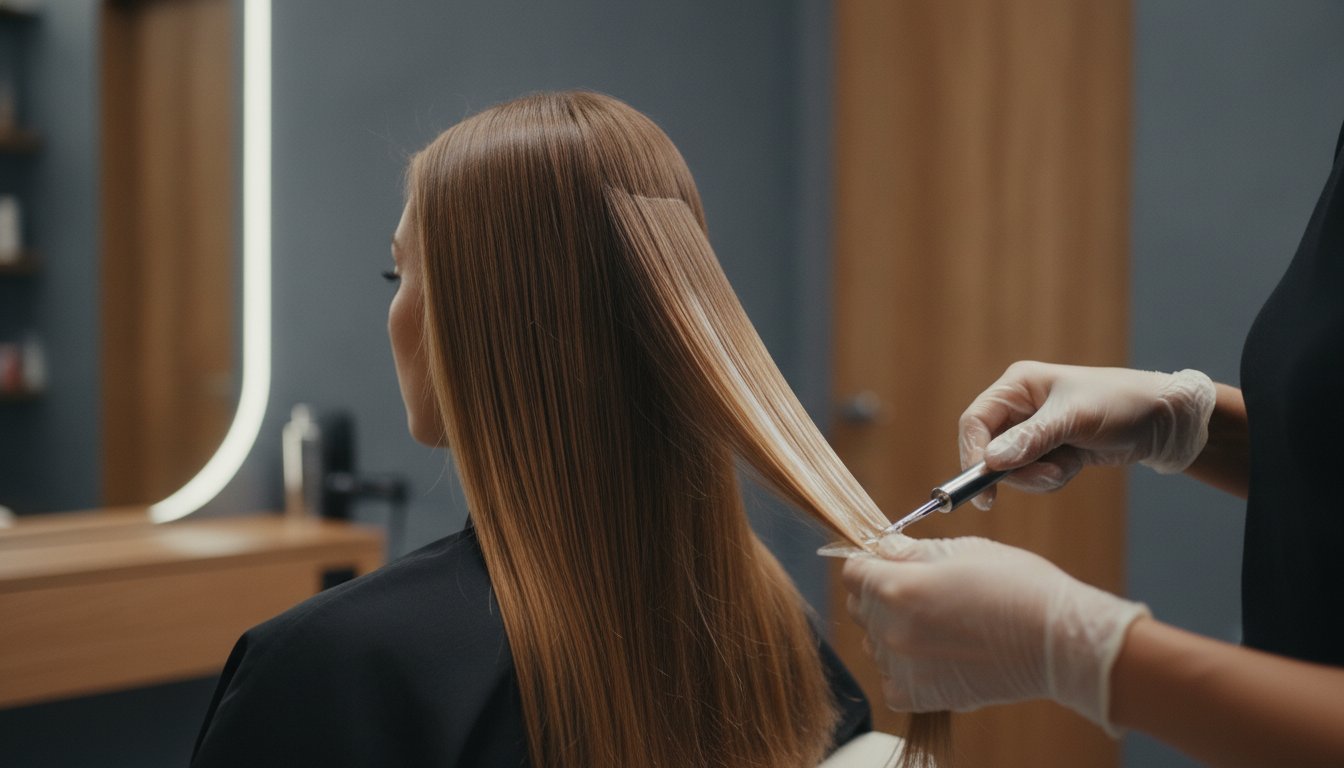
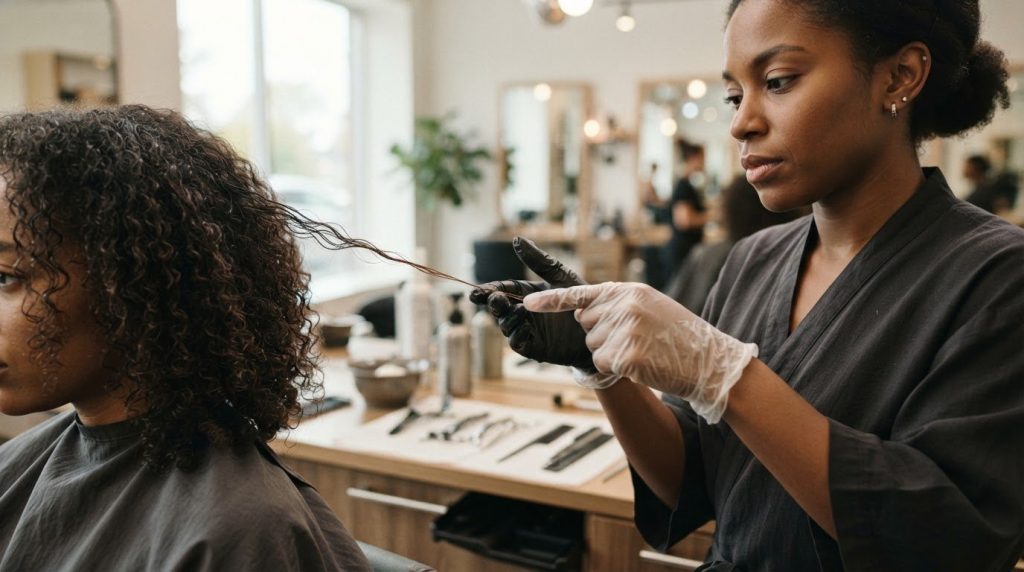
That “mushy” texture when your hair is wet isn’t just a bad hair day; it’s a structural SOS from a compromised cortex. You’ve likely been told that once the bonds are broken and the shine is gone, your only recourse is a pair of shears and a fresh start. This is why a precise client consultation for damaged hair is the non-negotiable first step in any high-end restoration protocol. It’s devastating to watch your natural curl pattern vanish or feel your strands turn to straw after a chemical service gone wrong, but the latest advancements in bond-repair technology offer a more sophisticated path forward.
We’re moving beyond surface-level masks to master the science of structural hair repair. You’ll discover the elite protocols used to restore elasticity and strength to even the most compromised strands. This guide explores the 2026 standards for keratin recalibration, the impact of new global formaldehyde regulations in the US and EU, and the professional-tier maintenance routines that bridge the gap between the salon and your home. Prepare to reclaim a texture that is smooth, manageable, and undeniably strong.
Key Takeaways
- Identify the telltale signs of extreme protein loss and learn why a precise client consultation for damaged hair is the foundation of any successful restoration strategy.
- Master the delicate science of balancing amino acid reconstruction with deep hydration to prevent the “protein snap” that leads to further brittleness.
- Discover how professional keratin systems penetrate the hair cortex to rebuild structural integrity far more effectively than standard retail masks.
- Adopt the “Sulfate-Free Mandate” and professional heat styling boundaries to safeguard your hair’s health and maintain its newfound shine.
- Learn how specialized salon protocols like the Silk Touch Keratin Treatment provide a bridge between expert-level repair and luxury home maintenance.
Identifying the Anatomy of Chemically Damaged Hair
Chemical damage isn’t a surface-level inconvenience; it’s a fundamental betrayal of the hair’s architecture. During a professional client consultation for damaged hair, the first priority is determining exactly where the structural failure has occurred. While mechanical damage comes from aggressive brushing and thermal damage stems from excessive heat, deep chemical compromise is different. It happens when high-alkaline agents, like bleach or relaxers, aggressively lift the cuticle to alter internal pigments or bonds. If the process is too intense or frequent, the hair doesn’t just lose its color; it loses its soul.
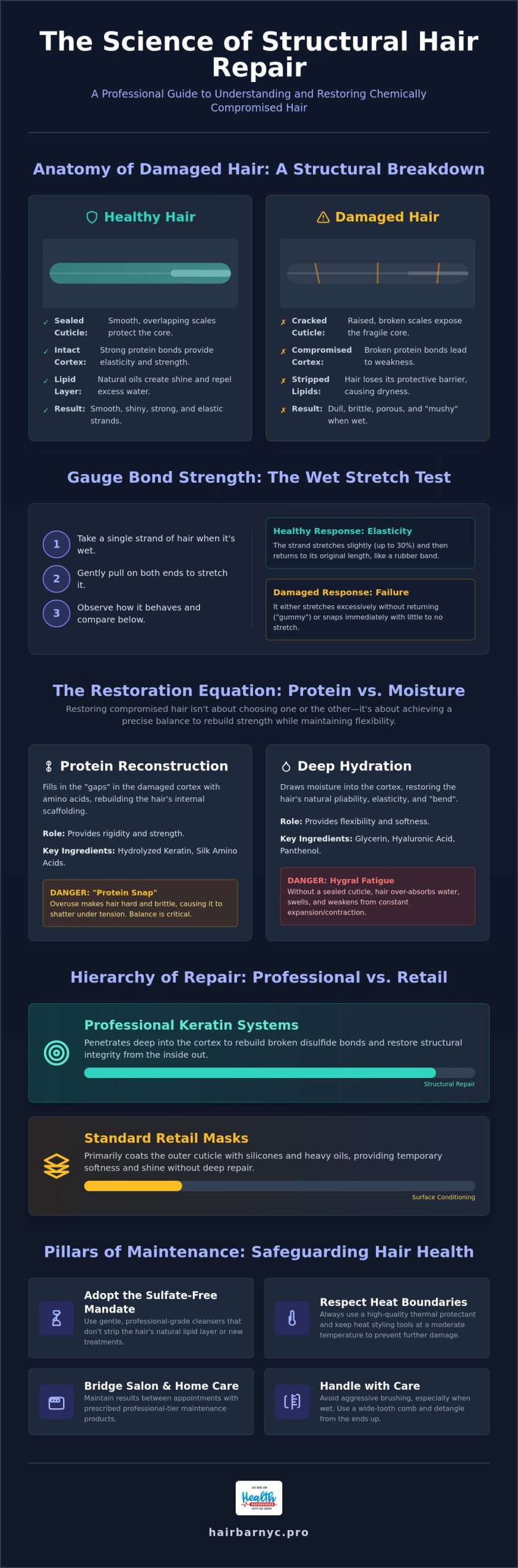
You’ll know the damage is severe when the hair feels “mushy” or gummy while wet. This haunting texture is a definitive sign of extreme protein loss and shattered disulfide bonds. It feels like gum because the internal scaffolding that provides rigidity has dissolved. Understanding the Anatomy of Chemically Damaged Hair is essential here; without a healthy cortex, the strand simply cannot support its own weight or maintain a curl pattern. This is why a detailed client consultation for damaged hair must involve a tactile assessment of the hair’s integrity before any corrective service is even considered.
The Role of Cuticle Integrity and Lipids
The cuticle serves as a protective shield, a series of overlapping scales that guard the delicate cortex. When these scales are forced open repeatedly, they eventually crack or break off entirely. This leaves the “doors” to your hair permanently ajar. Moisture escapes instantly, and light, which should reflect off a flat surface to create shine, is absorbed into the gaps, resulting in a dull, matte finish. Chemical damage is the degradation of the hair’s protective fatty acid layer. This lipid layer, specifically 18-MEA, is what gives hair its natural hydrophobicity and silkiness. Once these lipids are stripped, the hair becomes chronically dry and impossible to detangle without further breakage. Protecting this delicate surface is similar to the care required for high-end automotive finishes; for more on elite surface preservation, read more.
Signs Your Hair is Structurally Compromised
Identifying compromise requires more than a visual check. You can perform a “Wet Stretch Test” at home to gauge bond strength. Take a single wet strand and gently pull. Healthy hair stretches and returns to its original length. Damaged hair will either stretch and stay elongated like a piece of pulled taffy, or it will simply snap. This loss of elasticity indicates that the keratin structure is failing. You might also notice high porosity, where your hair drinks up water or product instantly but feels parched minutes later. Distinguishing between split ends at the tips and mid-shaft breakage is also vital. Mid-shaft snapping is a clear indicator of chemical trauma, requiring a much more intensive reconstruction strategy than a simple trim.
The Essential Balance: Moisture vs. Protein Reconstruction
Restoring chemically compromised hair isn’t a matter of simply applying the thickest mask you can find. It requires a sophisticated recalibration of the hair’s internal chemistry. During a client consultation for damaged hair, we often find that clients have inadvertently worsened their hair’s condition by mistaking “brittleness” for a simple lack of protein. This leads to the “Protein Snap,” a state where the hair becomes so over-hardened by amino acids that it loses all flexibility and shatters under the slightest tension. True restoration demands a specific ratio of hydrolyzed proteins to humectants to ensure the hair remains both strong and supple.
Another silent threat to compromised strands is hygral fatigue. This occurs when the hair’s cuticle is so damaged that it allows excessive water to enter the cortex. The hair swells as it absorbs water and shrinks as it dries; this constant expansion and contraction weakens the fibers from the inside out. To combat this, you must implement a professional cycle that alternates between structural repair and deep hydration. This rhythmic approach ensures the hair remains resilient without becoming glass-like. It’s about building a foundation that can withstand the daily stresses of styling and environment.
The Hydration Foundation for Brittle Strands
Humectants like glycerin are the unsung heroes of hair repair. They don’t just sit on the surface; they draw moisture deep into the cortex to restore the “bend” in your hair. Many people make the mistake of using heavy surface oils to fix dryness. While oils provide a temporary sheen, they cannot fix internal dehydration without a humectant base to provide the actual moisture. Once the humectants have done their work, it’s essential to use a high-performance conditioner to seal the cuticle and lock that hydration in place. For those managing severe dryness at home, incorporating a Silk Touch Conditioner can provide the necessary humectant-rich foundation to stabilize the hair’s moisture levels.
Protein Reconstruction: Rebuilding the Cortex
Protein treatments use hydrolyzed proteins, which are large molecules broken down into smaller fragments that can actually fill the gaps in a damaged hair shaft. You’ll know your hair needs protein if it feels limp, mushy, or fails to hold a curl. However, if your hair feels rough, tangles easily, and snaps without stretching, you likely have enough protein and need more moisture. Intensive structural treatments should be used sparingly. A professional-grade protein session once every four to six weeks is typically sufficient for most chemically treated hair. Exceeding this frequency risks over-hardening the strand, leading back to the very breakage you’re trying to prevent.
Professional Keratin Systems for Restoring Damaged Hair
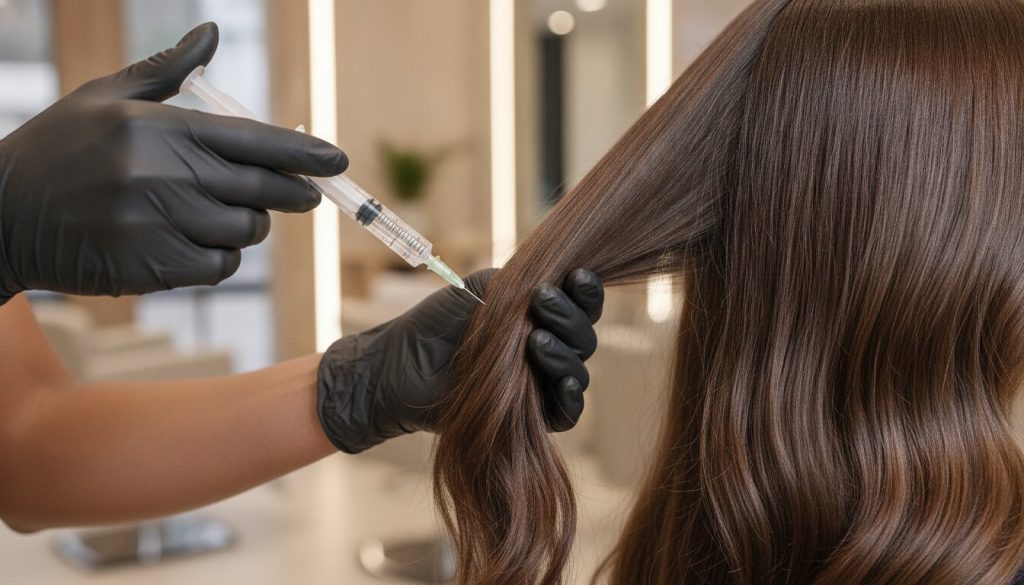
Keratin is the primary protein that gives hair its strength and structure. When you subject your hair to high-lift blonding or chemical relaxers, you’re essentially stripping away this essential building block. During a thorough client consultation for damaged hair, we identify where these protein gaps exist and how they affect your hair’s daily performance. Standard retail masks often act as a temporary bandage, sitting on the surface to provide artificial slip. In contrast, professional keratin systems are formulated with molecular weights small enough to penetrate the cortex. They don’t just coat the hair; they reintegrate with the fiber to rebuild it from within.
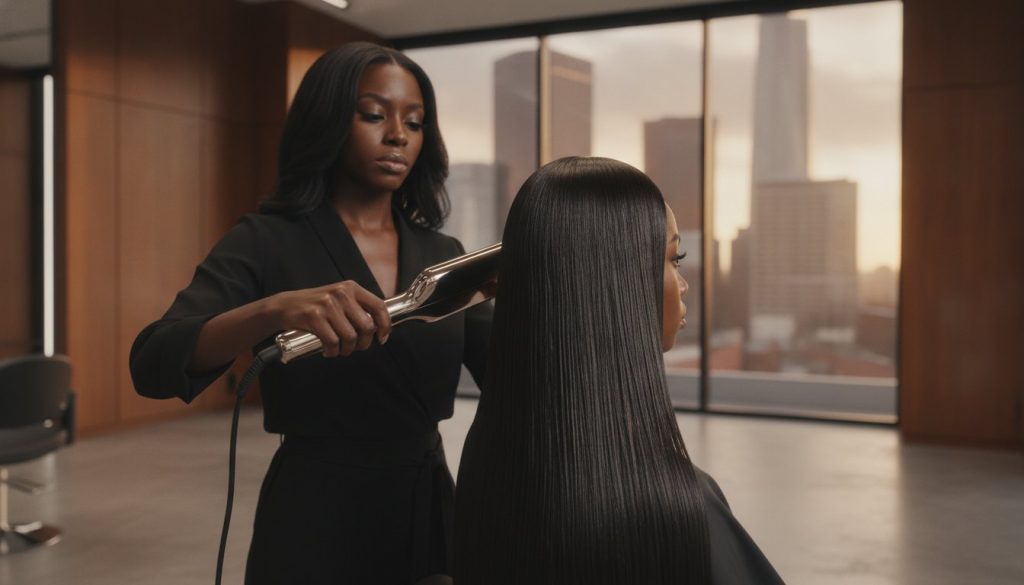
The industry has moved away from the harsh, chemical-heavy smoothing methods of the past. Modern restoration is about clean-beauty smoothing that prioritizes the health of both the stylist and the client. This evolution requires more than just high-quality formulas; it demands professional-grade tools. Using a Professional Flat Iron at precise, controlled temperatures is necessary to seal the keratin treatment into the cuticle. This thermal fusion creates a protective barrier that resists environmental damage and prevents future moisture loss. It’s a technical process that turns mushy, compromised strands into a resilient, polished finish.
The Benefits of Vegan and Formaldehyde-Free Formulas
Choosing the right formula is critical when dealing with sensitized, chemically compromised strands. Formaldehyde and its releasers can be incredibly taxing on hair that is already struggling to maintain its integrity. Vegan keratin formulas have emerged as a high-performance alternative, utilizing plant-based proteins that mimic the hair’s natural amino acid profile with startling accuracy. For a deeper dive into the science of these modern solutions, explore The Ultimate Guide to Formaldehyde-Free Keratin Treatments in 2026. These formulas provide the repair you need without the inflammatory risks associated with traditional chemicals, making them ideal for the most delicate hair types.
Keratin Systems vs. Traditional Conditioners
It’s vital to understand the difference in longevity and impact. A traditional conditioner provides days of softness by smoothing the cuticle surface. A professional system, such as a Keratin Intensive Treatment, offers months of structural reinforcement. While a conditioner is a daily necessity, it cannot replace the lost internal scaffolding of a chemically treated strand. During a client consultation for damaged hair, we match the solution to your specific damage level. If your hair is snapping mid-shaft, you need the internal reinforcement of a professional system rather than just the surface coating of a standard retail product. This structural change is what allows you to finally grow your hair past that “breakage point” that once seemed impossible.
Daily Habits to Prevent Further Chemical Compromise
Maintaining the integrity of restored strands requires a disciplined shift in your daily ritual. A comprehensive client consultation for damaged hair is never truly finished until you have a prescriptive home care strategy in place. Once the internal structure is stabilized through professional intervention, your primary objective is defense. Harsh detergents and careless heat application can undo weeks of structural repair in a single session. You must treat your hair like the delicate, high-performance fabric it has become.
Switching to a professional hair color brand is equally vital for long-term health. Using a system like Color Bar Professional Hair Color ensures that future touch-ups prioritize the hair’s lipid layer rather than stripping it further. Beyond products, adopt a low-tension lifestyle to minimize mechanical friction. This means swapping cotton pillowcases for silk and avoiding tight hairstyles that put unnecessary stress on the mid-shaft. These small, metropolitan adjustments create a protective environment where your hair can finally thrive without the constant threat of snapping.
The Cleansing Protocol for Damaged Hair
The pH balance of your cleanser is the first line of defense for a compromised cuticle. After chemical exposure, the hair’s scales are often stuck in an open position, making it impossible to retain moisture. Using a pH-balanced, sulfate-free formula like Silk Touch Shampoo or Diamond Shampoo helps gently close those scales. Sulfates are aggressive detergents that strip away the natural lipids essential for elasticity. For a curated selection of professional-grade cleansers, refer to our guide on Hair Care Products for Natural Hair. Proper cleansing ensures your hair remains clean without becoming parched or vulnerable.
Thermal Protection and Tool Management
Heat styling is not forbidden, but it must be executed with professional precision. When using a Professional Flat Iron, you must set the tool to a “safe zone” temperature, typically below 365 degrees Fahrenheit for compromised hair. Any higher, and you risk singeing the delicate keratin bonds you’ve worked so hard to rebuild. A leave-in barrier is non-negotiable. Applying a Keratin Infused Serum before styling provides a thermal shield that deflects heat while sealing in moisture. Elevate your defense with a Keratin Infused Serum to maintain that salon-polished finish at home.
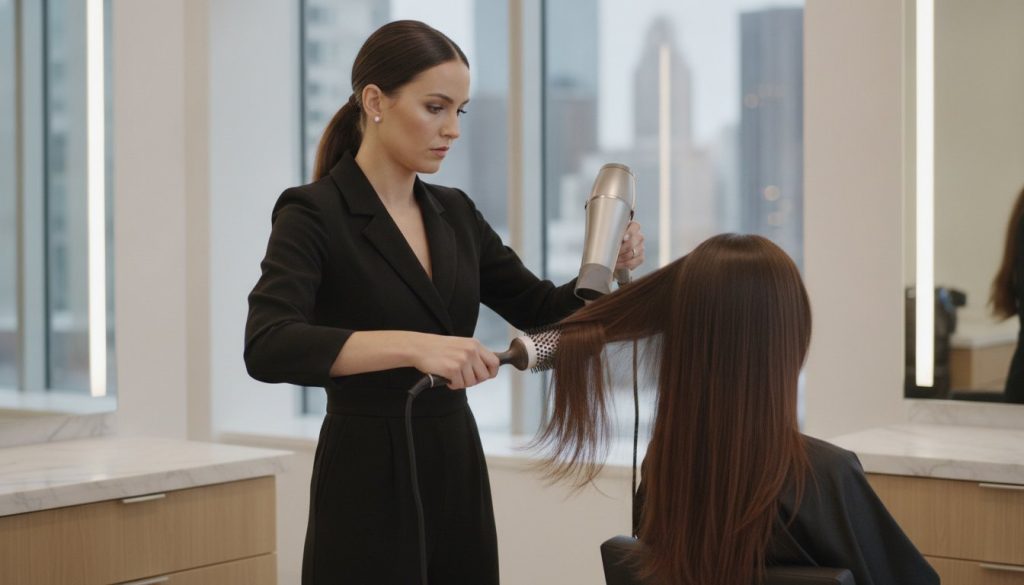
Surprisingly, air-drying isn’t always the safest route for high-porosity, chemically damaged hair. Because damaged hair absorbs more water, leaving it wet for extended periods leads to prolonged hygral fatigue, stretching the fibers until they weaken. Using a Professional Hair Dryer on a cool or medium setting to gently remove moisture is often more beneficial. This controlled drying method helps stabilize the hair’s diameter more quickly than letting it sit damp for hours. It’s about using the right tools at the right intensity to preserve the strand’s newfound strength.
The Hair Bar NYC Professional Approach: Restoration
True hair recovery is not a singular event; it’s a meticulously managed evolution. At Hair Bar NYC Professional, we believe a professional client consultation for damaged hair is the definitive bridge between chemical despair and structural restoration. While we’ve discussed the science of protein balance and the necessity of sulfate-free cleansing, the final step in any recovery journey requires the touch of an expert professional. We don’t just offer products. We provide a metropolitan standard of excellence that transforms compromised strands into a polished, high-performance aesthetic.
Our approach centers on bridging the gap between the elite salon environment and your daily vanity. It’s about empowering you with the same tools and formulas used by top-tier stylists in upscale urban settings. By integrating professional-grade chemistry into your lifestyle, you ensure that the repair initiated in our chairs continues every time you style your hair. This uncompromising commitment to quality is what allows our clients to maintain vibrant, healthy hair even after intensive color corrections or structural changes. Expertise is the ultimate luxury in hair care.
Silk Touch Keratin for Deep Structural Recovery
Our Silk Touch Keratin Treatment represents the pinnacle of clean repair. It utilizes a sophisticated vegan formula that reconstructs the hair shaft without the harsh fumes or scalp irritation often associated with traditional smoothing systems. This treatment specifically targets the areas where chemical processing has left the cortex hollow and vulnerable. It’s the gold standard for those transitioning away from over-processed blonde or the “mushy” texture of bleach damage. During your client consultation for damaged hair, we assess the level of depletion to ensure the Silk Touch formula is applied with the precise heat and tension required to fuse the protein back into the fiber.
Intensive Maintenance: The Keratin Infused Routine
Maintaining structural integrity requires a curated routine that supports the hair’s amino acid profile between salon visits. For weekly support, the Keratin Intensive Treatment acts as a high-performance anchor. It provides the deep reinforcement necessary to prevent the return of brittleness. On a daily basis, the Keratin Infused Serum serves as an essential layer of cuticle protection. It adds a sophisticated shine while creating a thermal barrier against the elements of city life. This rhythmic cycle of repair and protection ensures your hair remains resilient, manageable, and undeniably chic. Elevate your repair routine with Hair Bar NYC Professional products and reclaim the strength your hair deserves.
Reclaiming Your Structural Integrity
Rebuilding chemically compromised hair is a technical feat that requires more than just high-end products; it demands a shift in your entire hair care philosophy. From mastering the delicate moisture-protein ratio to adopting a low-tension lifestyle, you now have the blueprint for lasting restoration. A precise client consultation for damaged hair remains the essential starting point to diagnose structural failures and map out a path to recovery.
It’s time to move past the limitations of retail masks and embrace the elite standards of professional restoration. Since 2013, elite stylists and salons have trusted our systems to deliver transformative results. By utilizing advanced vegan keratin technology and strictly formaldehyde-free formulas, we provide the clean, high-performance repair your hair has been craving. Restore your hair with professional-grade repair systems and experience the difference of salon-standard excellence. You don’t have to settle for compromised texture or lost shine. Your journey to strong, luminous hair starts today.
Frequently Asked Questions
Can chemically damaged hair be fully repaired?
Chemically damaged hair cannot be biologically healed because hair is non-living tissue, but its structural integrity can be professionally restored. By reintegrating lost proteins and lipids, you can mimic the strength and appearance of healthy hair. This process requires a consistent commitment to professional-grade treatments that fill the voids in the cortex rather than just coating the surface scales for temporary slip.
How long does it take to fix hair damaged by chemical treatments?
You will see an immediate cosmetic improvement after a single professional service, but true structural stabilization typically takes three to six months of consistent care. This timeline allows for the gradual rebuilding of the keratin matrix and the restoration of the lipid barrier. During a client consultation for damaged hair, we create a roadmap that aligns with your hair’s specific rate of recovery and growth.
Is keratin good for hair that has been bleached?
Keratin is essential for bleached hair because the lightening process aggressively depletes the hair’s natural protein stores. Bleach forces the cuticle open and dissolves the melanin and keratin that provide internal structure. A professional system like the Silk Touch Keratin Treatment reintroduces these vital amino acids, helping to eliminate the mushy texture and extreme fragility often associated with high-lift blonding services.
Should I cut my hair if it is severely chemically damaged?
You should only resort to a significant cut if the hair is experiencing white bulb snapping or if split ends have traveled significantly up the shaft. For most chemical damage, professional intervention can stabilize the fibers and prevent further travel of breakage. We often recommend a light dusting to remove the most compromised tips while focusing on intensive internal reinforcement to save your overall length.
What ingredients should I avoid in hair products for damaged hair?
Avoid harsh sulfates like Sodium Lauryl Sulfate and drying alcohols such as isopropyl alcohol, which aggressively strip the hair’s remaining moisture. You should also steer clear of heavy, non-water-soluble waxes that cause buildup and prevent nutrients from penetrating the cortex. Instead, prioritize pH-balanced formulas and plant-based proteins that align with the hair’s natural chemistry to encourage long-term resilience and shine.
How often should I use a keratin intensive treatment at home?
Use a Keratin Intensive Treatment once per week for severely compromised strands, or every two weeks for general maintenance. Overusing protein can lead to brittleness, so it’s vital to monitor the bend and elasticity of your hair. If the strands feel stiff or rough, pause the protein and increase your use of humectant-rich conditioners to restore the necessary moisture balance and flexibility.
Is a formaldehyde-free keratin treatment safe for damaged hair?
A formaldehyde-free keratin treatment is the safest and most effective option for sensitized, chemically compromised hair. These modern formulas utilize glyoxylic acid or vegan proteins to smooth and repair without the inflammatory risks of traditional chemicals. Because they don’t rely on harsh fumes or high-intensity vapors, they provide a much gentler experience during a client consultation for damaged hair and the subsequent restoration service.
Can I color my hair if it is already chemically damaged?
You can color your hair if it is damaged, provided you use a professional-grade, low-alkaline system like Color Bar Professional Hair Color. It is critical to avoid high-volume developers or box dyes that further degrade the cuticle. We often recommend a structural keratin treatment prior to coloring to ensure the hair is strong enough to hold the new pigment without experiencing additional mid-shaft breakage.