Keratin Treatment vs. Japanese Hair Straightening: The Professional 2026 Comparison
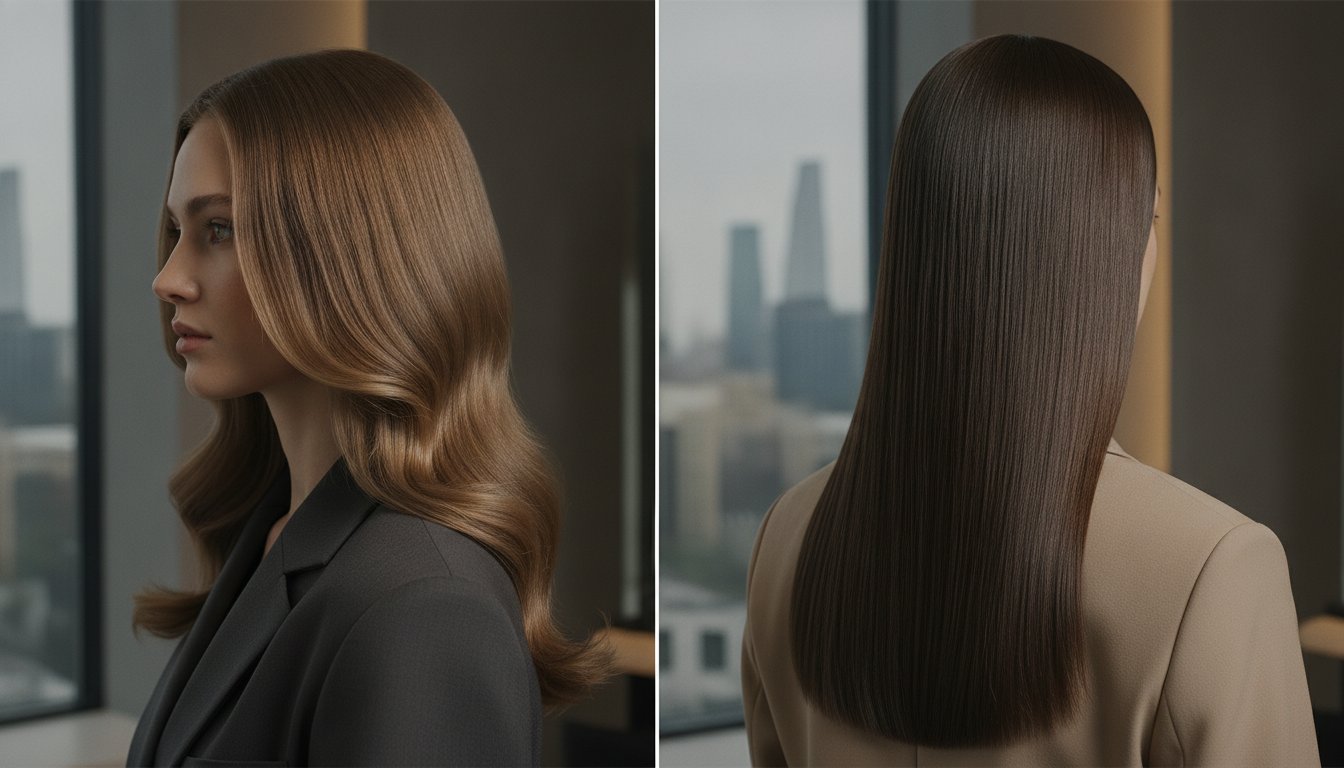
What if the quest for perfectly glass-like hair isn’t about how straight you can go, but how much of your hair’s internal architecture you’re willing to rewrite? You’ve likely felt the frustration of a humid morning turning your meticulous blowout into uncontrollable frizz before you even reach the office. It’s exhausting to battle a lengthy daily styling routine, especially when the fear of permanent chemical damage keeps you from committing to a professional solution. You deserve a look that remains polished from your first meeting to your final evening event. Choosing between a keratin treatment vs japanese hair straightening is a decision about both lifestyle and hair integrity.
We understand that navigating these high-performance options requires an expert perspective. You’ll discover the definitive scientific and aesthetic differences between these two leading systems to ensure your choice aligns with your hair’s long-term health. This comparison explores the technical nuances of restorative protein shields, such as our Silk Touch Keratin Treatment, versus the permanent structural shifts of thermal reconditioning. This guide provides the professional insight needed to claim the smooth, manageable hair that survives a fast-paced urban lifestyle. We’ll break down the longevity, chemical processes, and maintenance requirements of each system to help you make an informed, sophisticated choice.
Key Takeaways
- Understand the fundamental difference between permanent chemical bond restructuring and the protective, semi-permanent protein infusion of a professional smoothing system.
- Choose your desired aesthetic by comparing the pin-straight, ultra-glossy finish of Japanese techniques with the natural movement and volume of a keratin finish.
- Evaluate the long-term maintenance of a keratin treatment vs japanese hair straightening, specifically how each handles new growth and the eventual fading process.
- Learn to identify high-performance ingredients and avoid common abrasives like sodium chloride to protect your investment and maintain hair integrity.
- Explore elite, salon-grade options such as the vegan Silk Touch Keratin Treatment or the repair-focused Diamond Keratin line for a customized, urban-ready transformation.
The Science of Smooth: How Keratin and Japanese Straightening Differ
The chemistry beneath the surface dictates your daily mirror reflection. While both services promise a departure from frizz, the molecular journey they take to get there is entirely different. Understanding the nuance of a keratin treatment vs japanese hair straightening starts with a choice between structural surgery and a protective protein shield. One alters the very DNA of your hair strand; the other reinforces its existing architecture. This distinction is the foundation of professional hair care.
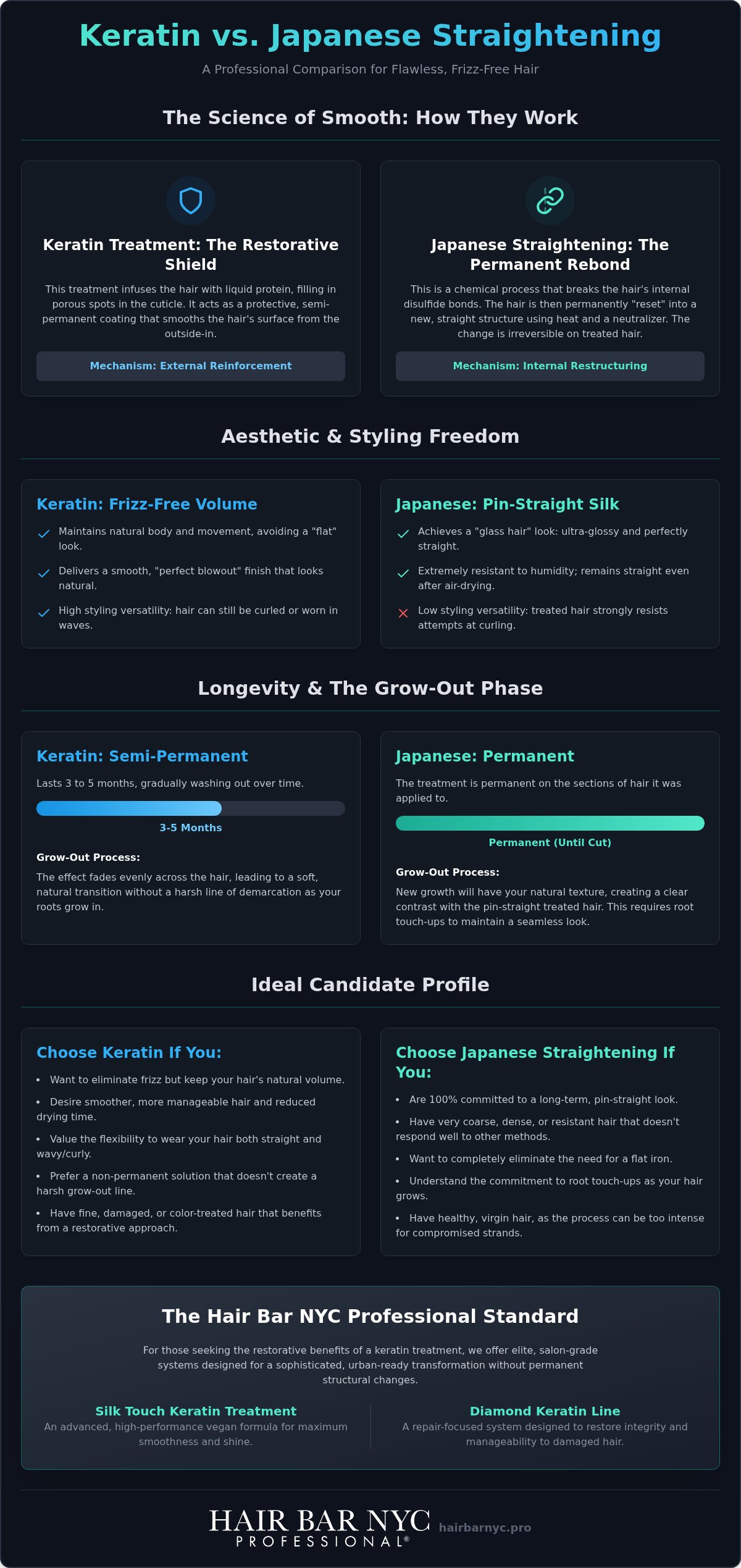
For a technical overview of hair straightening methods, we see that techniques range from temporary heat styling to permanent chemical shifts. Japanese straightening, often referred to as “Thermal Reconditioning” or “Rebonding,” targets the internal disulfide bonds that give your hair its natural shape. In contrast, keratin treatments act as a semi-permanent infusion that smooths the cuticle layer from the outside in. One works deep within the cortex, while the other creates a high-performance barrier on the surface.
Japanese Straightening: The Permanent Rebond
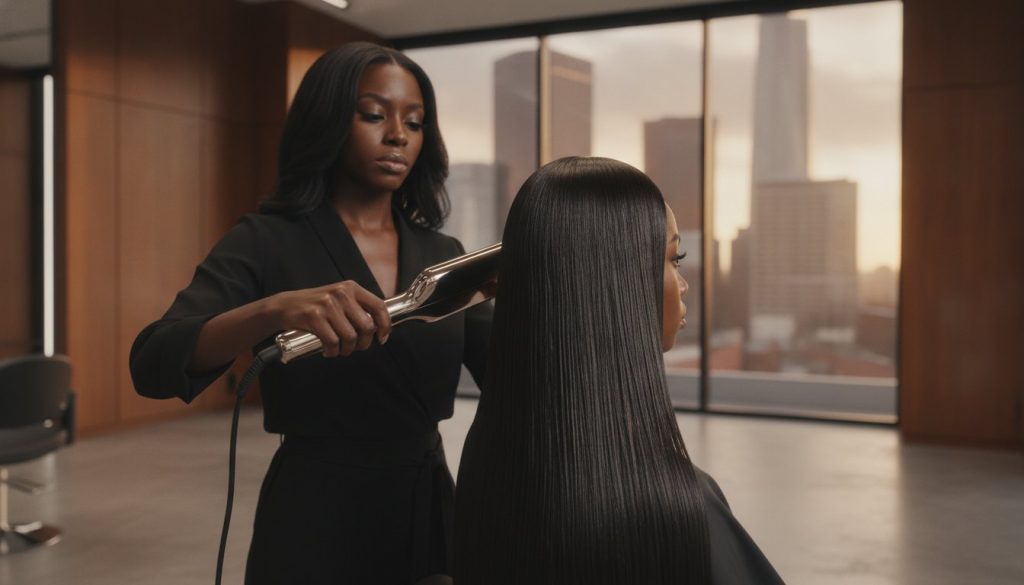
This process is a masterclass in chemical engineering. Stylists use thioglycolate-based solutions to break down the hair’s internal disulfide bonds. Once these bonds are severed, the hair is meticulously flat-ironed and neutralized to “reset” the structure into a new, pin-straight configuration. It’s an irreversible change for the treated hair shaft. The results are striking. Your hair becomes resistant to humidity and remains sleek even after air-drying. However, this permanent restructuring means the treated hair will never regain its natural wave. It’s a high-commitment path that requires precise technical execution to maintain hair integrity over time.
Keratin Systems: The Restorative Shield
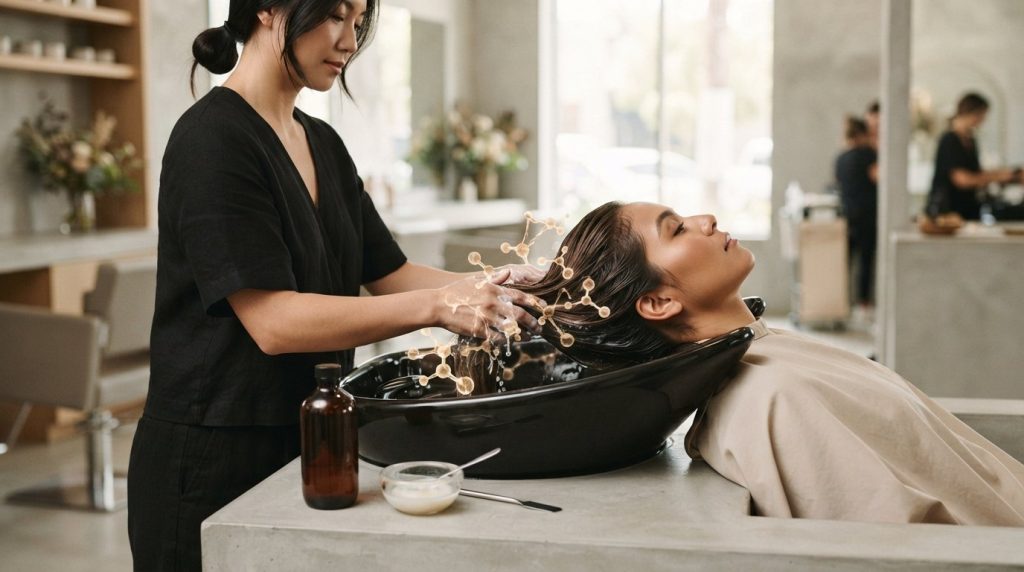
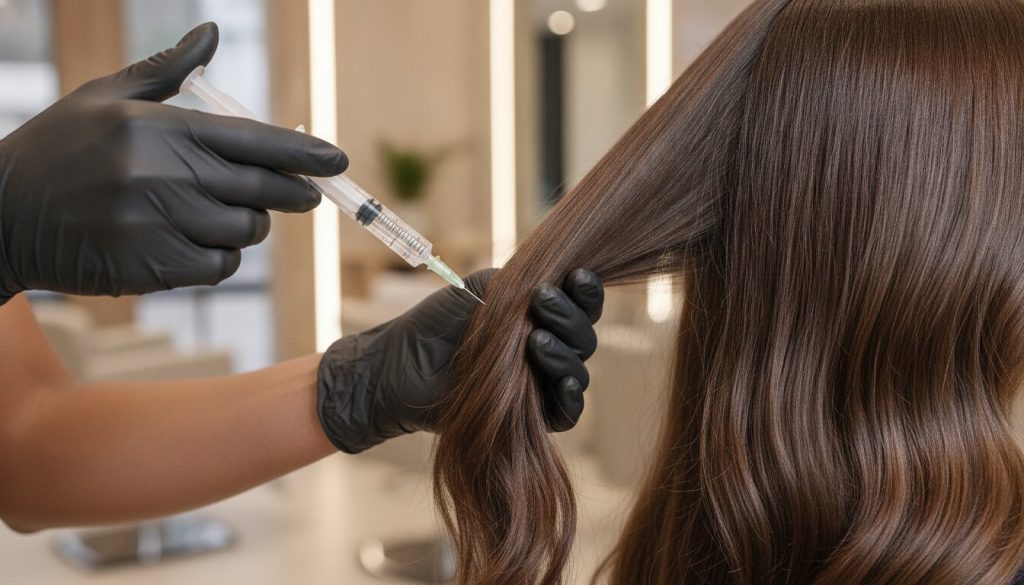
Keratin systems take a more restorative approach. Rather than breaking bonds, treatments like our Silk Touch Keratin Treatment infuse the hair with liquid protein. This protein fills the microscopic gaps and cracks within a damaged hair cuticle. Think of it as a sacrificial layer. The treatment takes the brunt of environmental damage, UV rays, and heat, while the natural hair remains protected underneath. This is a sophisticated way to manage texture without compromising the hair’s natural bounce.
This semi-permanent shield typically lasts between three and five months. It doesn’t yield the “board-straight” look of a rebonding service. Instead, it provides a versatile finish that adapts to your needs. You’ll notice significantly reduced frizz and blow-dry time, enhanced shine, and retained natural volume at the root. The temporary nature is actually a strategic benefit. It allows you to pivot your style as trends evolve without being locked into a permanent texture shift. It’s an elite solution for the metropolitan woman who demands both performance and flexibility.
Aesthetic Results: Pin-Straight Silk vs. Frizz-Free Volume
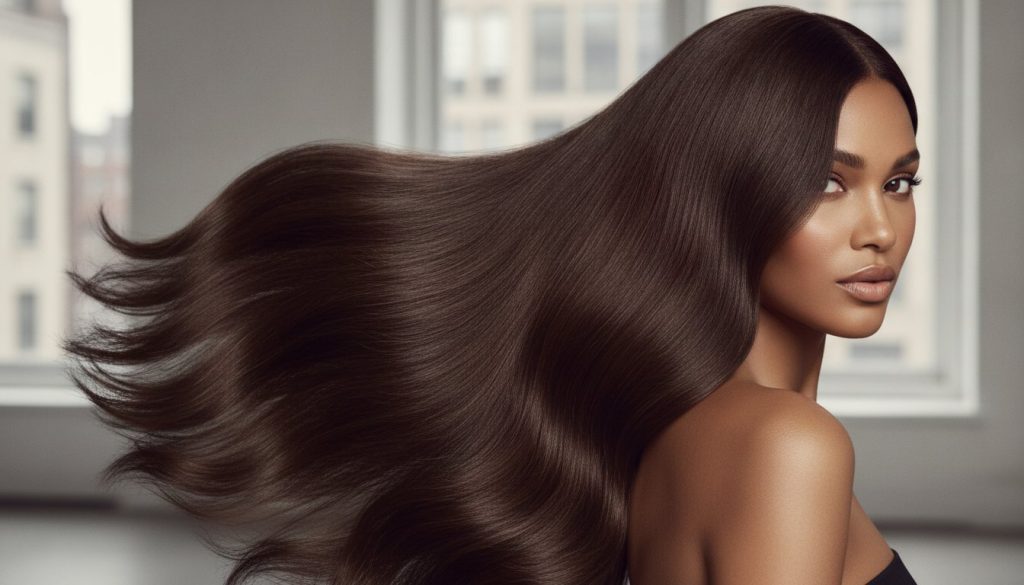
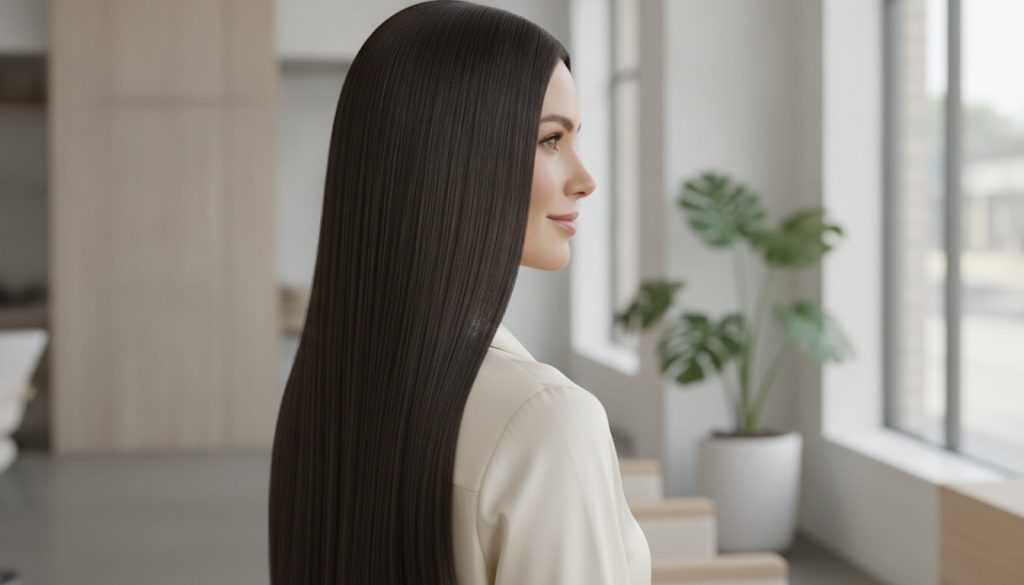
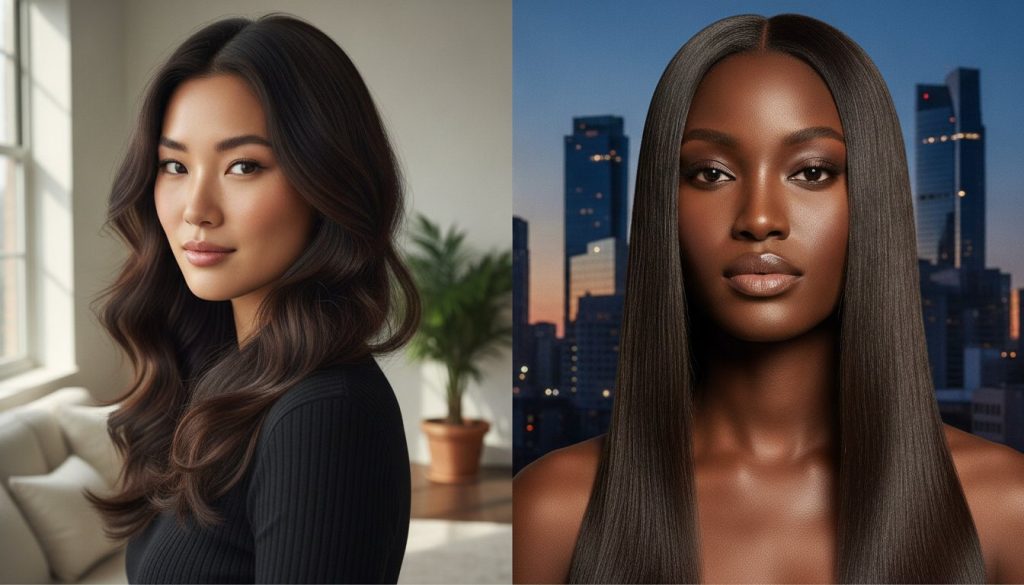
The visual impact of your chosen service defines your daily aesthetic. When deciding between a keratin treatment vs japanese hair straightening, you’re choosing between two distinct versions of perfection. Japanese straightening delivers a high-gloss, “glass hair” finish that remains pin-straight regardless of the weather. It’s the ultimate solution for those who want to retire their flat iron permanently. Keratin treatments, however, focus on refinement. They offer a bouncy, voluminous finish that looks like a professional blowout that simply refuses to frizz.
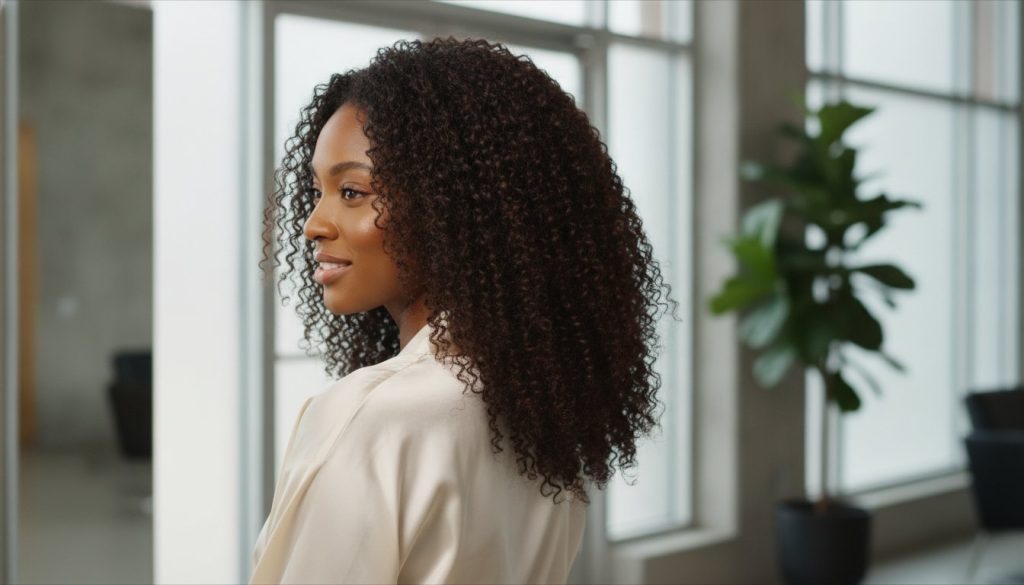
Styling freedom varies significantly between these systems. If you enjoy the versatility of beachy waves or structured curls, keratin is your ally. Because it doesn’t break the hair’s internal bonds, it maintains the ability to hold a temporary style. Japanese straightening is uncompromising. It yields a poker-straight result that resists any attempt at curling. This is ideal for clients with dense, coarse textures who find their natural volume overwhelming. However, for those with fine hair, the “flat” nature of Japanese systems can sometimes result in a loss of desirable body at the root.
The Texture Test: Which is Right for Your Style?
Imagine walking through 90% humidity. With Japanese straightening, your hair remains completely unchanged; it’s the undisputed winner of the “rain-test.” This service is for the woman who never wants to see a wave again. Keratin is for the woman who wants to cut her styling time in half but still wants the option for natural movement. While keratin provides an incredible shield against frizz, it won’t eliminate your natural curl pattern entirely. It simply makes it more manageable and polished. To find the right balance for your specific texture, you can explore our professional smoothing solutions designed for urban lifestyles.
Managing Expectations: The First Month
Your hair will undergo a transition period during the first few weeks. Immediately following a professional service, you might notice a slight heaviness or “flatness” as the treatment settles. This is especially true for keratin, which eventually softens into a more natural, lived-in look after a few washes. Safety is a critical component of this aesthetic journey. Always review FDA information on formaldehyde to ensure you’re choosing a formula that prioritizes both beauty and health. For those with extremely fine hair, the aesthetic limit of Japanese straightening is the risk of hair appearing limp or lacking life due to the permanent removal of all natural texture.
Longevity and the Grow-Out Phase: The Hidden Commitment
Longevity is the true test of any salon investment. When you compare a keratin treatment vs japanese hair straightening, the commitment level varies as much as the aesthetic results. Japanese straightening is essentially permanent on the hair it touches. You’ll need root touch-ups every six to nine months to manage the “Line of Demarcation.” This is the visible, sharp contrast between your natural texture at the roots and the pin-straight lengths. It requires a disciplined schedule to maintain a seamless look.
Keratin offers a more fluid lifecycle. A professional formaldehyde free keratin treatment typically lasts three to five months. Instead of a harsh line, it fades gracefully. The protein coating slowly dissipates with each wash, allowing your natural texture to return evenly. The decision between a keratin treatment vs japanese hair straightening often comes down to your willingness to maintain the roots or your preference for a more flexible, low-maintenance exit strategy.
The Demarcation Dilemma
The technical challenge of Japanese systems lies in the touch-up. Because the chemicals are so potent, a stylist must avoid overlapping the new solution onto previously straightened hair. Overlapping can lead to severe structural damage or breakage at the transition point. For clients who wish to stop Japanese straightening, the transition can be awkward. We often recommend using keratin treatments to bridge this gap. By smoothing the new growth without permanent rebonding, keratin helps “blend” the two textures, providing a polished appearance while you grow out the permanent chemicals.
Lifestyle Suitability
Your daily routine dictates which system will perform best. Traditional keratin systems require a strict 72-hour bonding window immediately after service. During this time, you must keep the hair dry and loose. No gym sessions, no ponytails, and certainly no rain. Once this window closes, the treatment is remarkably resilient against the urban elements. For those navigating the grow-out phase of any treatment, selecting the right hair care products for natural hair is essential. High-performance shampoos and conditioners ensure the transition between treated and untreated hair remains supple and healthy, protecting the integrity of your strands regardless of your activity level.
Safety, Integrity, and the Ingredient Sabotage
Safety in 2026 requires more than a casual glance at a product label. While the FDA has missed several deadlines for its proposed ban on formaldehyde and its releasing agents, the health implications of traditional smoothing chemicals remain a top priority for Hair Bar NYC Professional. Whether you are weighing a keratin treatment vs japanese hair straightening, the chemical profile of your service must align with a high-performance, non-toxic lifestyle. We prioritize formulas that eliminate known carcinogens, ensuring your urban routine remains as healthy as it is polished.
Beyond the salon chair, your daily regimen can either fortify or dismantle your results. High-pH shampoos are particularly aggressive; they swell the hair cuticle and allow the smoothing agents to leach out prematurely. Chlorine and salt water present a double jeopardy for chemically treated hair. Chemical oxidation from pool water and physical abrasion from sea salt work in tandem to strip away the protective finish, leaving your strands vulnerable to the very frizz you sought to eliminate.
The Ingredient Blacklist
Many clients assume that “sulfate-free” is the ultimate safeguard for their hair. This is a common misconception that often leads to premature treatment failure. You must also identify and avoid Sodium Chloride, which is frequently used as a thickening agent even in high-end, sulfate-free formulas. Salt crystals act as a physical abrasive. They literally scrub the protective shield from the hair shaft with every wash. Reading labels for professional-grade maintenance is essential to protect the longevity of your investment.
Thermal Protection and Color
Maintaining the structural integrity of treated hair requires strict thermal boundaries. We recommend a safe-zone of 360°F to 400°F for heat styling. Exceeding these temperatures can melt the protective protein layer or cause structural brittleness in permanently rebonded hair. Timing your color services is equally vital. For those choosing keratin, we suggest coloring after the treatment to account for potential pigment lift. For more specialized advice, consult The Elite Guide to Professional Hair Color Brands. Protecting your aesthetic investment starts with the right tools. You can browse our professional-grade maintenance collections to ensure your smooth results last until your next visit.
The Hair Bar NYC Professional Standard: Silk Touch vs. Diamond Keratin
Excellence in hair care isn’t accidental. It’s the result of precise chemistry and technical mastery. At Hair Bar NYC Professional, we’ve elevated the smoothing experience to match the demands of an upscale metropolitan lifestyle. When deciding on a keratin treatment vs japanese hair straightening, our proprietary systems offer a bridge between expert salon results and long-term hair health. We’ve moved beyond the harsh chemicals of the past to provide restorative solutions that prioritize both safety and high-performance aesthetics.
The Vegan Advantage: Silk Touch
Our Silk Touch Keratin Treatment represents a breakthrough in plant-based protein technology. It utilizes advanced molecules that mimic the behavior of human hair keratin, filling structural gaps without the synthetic, heavy coating found in lesser formulas. This system is the ideal choice for those seeking a weightless feel and a refined, frizz-free texture. It aligns perfectly with a clean-beauty lifestyle, offering a formaldehyde-free alternative that doesn’t sacrifice the sleek results you require for a busy urban day.
Maximum Brilliance: The Diamond Line
The Diamond Keratin Treatment is engineered for those who require maximum repair and light-reflecting shine. By incorporating high-refractive index ingredients, this formula creates a brilliant, mirror-like finish while providing essential structural support to dull or brittle strands. It’s the ultimate solution for hair that has been compromised by environmental stress or previous chemical services. To maintain these results, our Keratin Intensive Treatment serves as a vital anchor between salon visits, replenishing lost proteins and extending the life of your service.
Follow this final checklist to choose your path:
- Texture Goal: Select Silk Touch for bouncy, natural movement or Diamond for maximum shine and repair.
- Commitment: Consider your lifestyle needs regarding the grow-out phase of a keratin treatment vs japanese hair straightening.
- Safety: Both systems meet our rigorous 2026 formaldehyde-free standards.
- Maintenance: Always use our specialized shampoos to avoid the abrasive salts that strip your results.
Explore our professional smoothing systems to find your perfect match.
Elevate Your Daily Aesthetic
Choosing your path to smooth, manageable hair is a defining step in your personal care routine. Whether you prioritize the permanent, pin-straight results of Japanese techniques or the restorative, flexible finish of a professional protein infusion, the decision rests on your lifestyle and hair integrity. We’ve explored how the debate of keratin treatment vs japanese hair straightening is ultimately about choosing between an internal structural shift and an external protective shield. You now understand that maintaining these results requires a commitment to clean chemistry and professional-grade maintenance.
By prioritizing formaldehyde-free safety standards and avoiding abrasive ingredients like sodium chloride, you protect your investment and your long-term health. Our systems are trusted by elite NYC stylists to deliver high-performance results that survive the pace of the city. We believe you shouldn’t have to compromise on your values to achieve elite hair care. Discover the professional difference with our Silk Touch and Diamond Keratin systems. Our vegan and cruelty-free formulas offer a sophisticated way to achieve salon-quality results every single morning. You’re now equipped with the expert knowledge to transform your routine into a standard of excellence. Your journey toward effortless, glass-like shine begins with an informed choice.
Expert Insights: Frequently Asked Questions
Can I get a keratin treatment if I’ve previously had Japanese hair straightening?
You can absolutely receive a keratin treatment if you’ve previously had Japanese hair straightening. Many elite stylists recommend this as a strategic “bridge” to manage the grow-out phase. Because Japanese straightening is permanent, the contrast with new growth can be jarring. A keratin infusion helps smooth the transition between textures without further altering the hair’s internal bonds, providing a cohesive, polished look as you move away from permanent chemical rebonding.
Is Japanese hair straightening more damaging than a keratin treatment?
Japanese hair straightening is a more intensive process because it permanently alters the hair’s internal structure. While keratin treatments are restorative protein infusions, Japanese systems use thioglycolate to break disulfide bonds. If performed by an unskilled hand, this can lead to brittleness. However, when executed by an expert professional using precise heat and timing, it results in high-integrity, pin-straight silkiness that requires careful maintenance rather than simply causing damage.
How long do I really have to wait to wash my hair after these treatments in 2026?
The mandatory wait time depends entirely on the specific technology used during your session. Modern advancements in 2026 have introduced “instant-wash” formulas for many professional systems. Traditional keratin treatments still require a 72-hour bonding window to ensure the protein shield sets correctly. Always follow your stylist’s precise instructions; washing too early can compromise the longevity of your keratin treatment vs japanese hair straightening, leading to uneven texture or premature fading.
Which treatment is better for very fine, thin hair?
Keratin is generally the superior choice for very fine or thin hair. Because it coats the hair shaft rather than breaking internal bonds, it adds a subtle layer of density and maintains natural volume at the root. Japanese straightening can often leave fine hair looking limp or “poker-straight” with no body. A treatment like our Silk Touch Keratin provides the necessary refinement and frizz control while preserving the hair’s inherent bounce and movement.
Does chlorine really ruin a keratin treatment, or is that a myth?
Chlorine is a genuine threat to the integrity of both treatments. It acts as a powerful oxidant that physically strips the protective keratin shield and dries out permanently straightened strands. To protect your investment, always rinse your hair with fresh water and apply a protective barrier, such as our Keratin Infused Serum, before entering a pool. This prevents the hair from absorbing the chlorinated water, ensuring your smooth results remain resilient and glossy.
Can I use dry shampoo on the first day after my smoothing treatment?
Avoid using dry shampoo on the first day following a professional smoothing treatment. During the initial bonding phase, your hair is highly susceptible to “kinking” or structural impressions. Powders and starches in dry shampoo can interfere with the setting process of the protein shield. It’s best to leave the hair completely undisturbed, loose, and free of all products for at least 24 to 72 hours, depending on the specific system applied.
Will Japanese straightening make my hair completely flat with no volume?
Japanese straightening is designed to eliminate all wave and curl, which naturally results in a flatter, more streamlined silhouette. For those with high-density, coarse hair, this reduction in volume is often the primary goal. If you desire a “poker-straight” aesthetic without losing every ounce of lift, an expert stylist can adjust the flat-ironing tension at the root. Still, it won’t offer the same “bouncy” volume associated with a semi-permanent keratin finish.
Is it possible to do a ‘spot treatment’ for just my bangs or hairline?
Spot treatments for the bangs or hairline are a sophisticated way to manage localized frizz without committing to a full-head service. This is particularly effective for clients who are happy with their natural length but struggle with “baby hairs” or humidity-sensitive fringes. By applying a keratin treatment vs japanese hair straightening just to these targeted zones, you can achieve a polished frame for the face while maintaining your hair’s natural character elsewhere. To find the right approach for your unique texture, you can explore Professional Salon Services and Proprietary Product Sales options that offer expert care for multi-textured hair.