Strawberry Blonde Hair Color: The Expert Guide to 2026’s Most Coveted Shade
That color you keep saving to your mood board isn’t quite red and isn’t quite blonde — and that’s exactly what makes strawberry blonde one of the most technically demanding shades a colorist can create. It lives in a precise sweet spot where warm pheomelanin pigments and golden tones must be calibrated to the millimeter, or the whole effect collapses into muddy copper or washed-out peach.
If you’ve chased this shade before, you already know the frustration: a stunning result on day one that fades to brassy orange by week three, or a formula that photographs beautifully in the salon but drains every drop of warmth from your complexion the moment you step outside. Those aren’t signs that strawberry blonde isn’t for you. They’re signs that the approach wasn’t engineered precisely enough for your hair’s structure and your skin’s undertones.
This guide changes that. Inside, you’ll find the professional science behind what makes this shade work, a clear framework for matching the right variation to your skin tone, and the salon-grade maintenance protocols that keep the color vibrant, multidimensional, and fresh for weeks. Consider this your insider access to getting it right, the first time.
Key Takeaways
- Strawberry blonde occupies a precise pigment sweet spot between golden blonde and soft copper — understanding exactly where it sits helps you avoid the common pitfalls of muddy copper or washed-out peach results.
- Your skin’s undertone (cool, warm, or neutral) is the single most important factor in determining which variation of this shade will flatter your complexion rather than drain it.
- Achieving the right base through proper lifting is a non-negotiable first step — without it, no formula can deliver the luminous, multidimensional glow this shade is known for.
- Red pigment molecules are the largest in the color spectrum, making them the fastest to fade — but the right sulfate-free maintenance routine can dramatically extend the life of your color between salon visits.
- A professional colorist using salon-grade color systems, combined with a vegan, formaldehyde-free keratin treatment, can lock in strawberry tones while simultaneously restoring the hair’s structural integrity for a result that’s as healthy as it is beautiful.
Defining Strawberry Blonde: More Than Just “Reddish-Blonde”
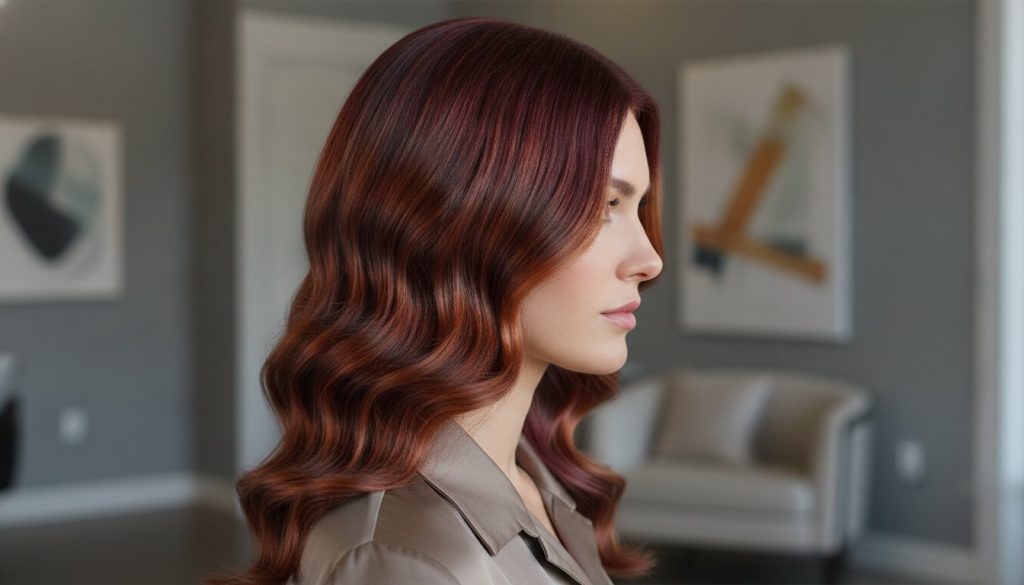
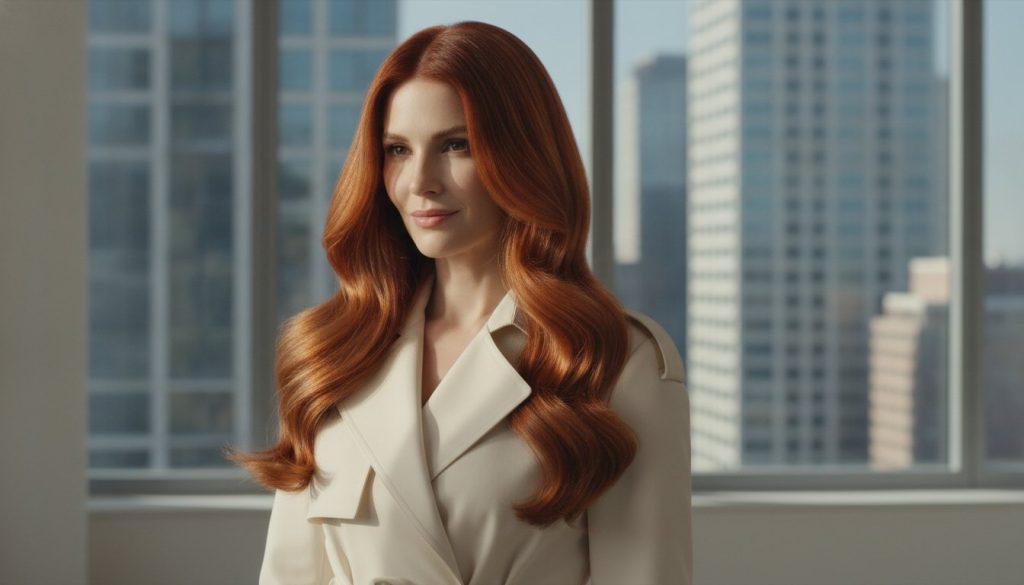
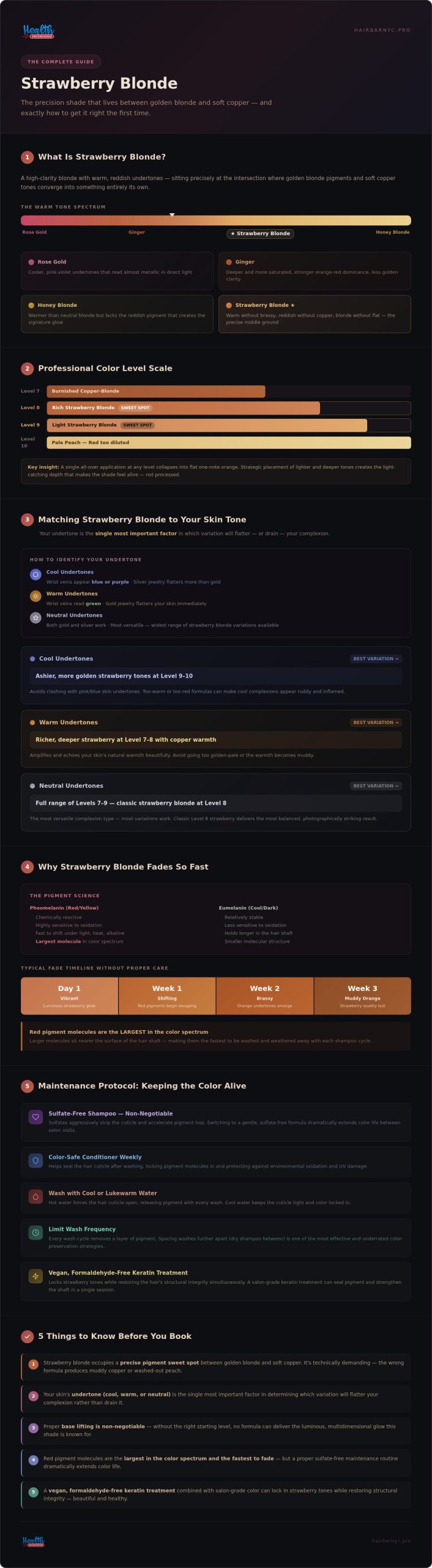
Strawberry blonde is a high-clarity blonde with warm, reddish undertones, sitting precisely at the intersection where golden blonde pigments and soft copper tones converge into something entirely its own. That definition sounds simple. The execution is anything but.
The confusion starts because the shade gets lumped in with a cluster of neighboring colors that each pull in a distinctly different direction. Here’s how they actually differ:
- Rose gold leans cooler, with pink-violet undertones that read almost metallic in direct light.
- Ginger sits deeper and more saturated, with a stronger orange-red dominance and less golden clarity.
- Honey blonde reads warmer than a neutral blonde but lacks the reddish pigment dimension that gives strawberry its signature glow.
- Strawberry blonde occupies the precise middle ground: warm without being brassy, reddish without being copper, blonde without being flat.
That balance is why colorists call it the chameleon of the hair color world. In cool-toned indoor lighting, it reads closer to a polished golden blonde. Step into direct sunlight, and the reddish pheomelanin pigments ignite. The shade doesn’t just change; it performs differently in every environment, which is both its greatest appeal and its greatest technical challenge.
The Spectrum: From Pale Peach to Golden Apricot
Strawberry blonde lives between Level 7 and Level 10 on the professional color scale, with the most wearable, multidimensional results typically landing around Levels 8 and 9. At Level 7, the warmth deepens toward a burnished copper-blonde. At Level 10, the red pigment becomes so diluted that the shade risks reading as a pale, almost imperceptible peach. Dimension is the variable that prevents either extreme from looking flat. A single, all-over application at any level tends to collapse into a one-note orange. Strategic placement of lighter and deeper tones creates the light-catching depth that makes the shade feel alive rather than processed.
Natural vs. Salon-Created Strawberry Blonde
Natural strawberry blonde is genuinely rare, produced by a specific dominance of pheomelanin over eumelanin that relatively few people carry. Natural growth has an organic irregularity to it: tonal variation that shifts with sun exposure and seasonal changes. Salon-created versions require professional-grade pigments to replicate and exceed that complexity with precision. The Color Bar Professional hair color system delivers exactly that kind of controlled, multidimensional result, engineered to build the layered warmth that natural hair achieves over years, in a single appointment.
The Science of the Glow: Matching Strawberry Blonde to Your Skin Tone
Pheomelanin is the pigment responsible for red and yellow tones in human hair. It’s also the reason strawberry blonde is so technically demanding to engineer. Unlike eumelanin, which produces cool, dark tones with relative stability, pheomelanin is chemically reactive, highly sensitive to oxidation, and notoriously fast to shift when exposed to light, heat, or alkaline environments. When a colorist formulates for this shade, they’re not just choosing a warm blonde. They’re calibrating a precise ratio of pheomelanin-mimicking red and yellow pigments that must hold their balance throughout the entire color life cycle.
That balance is where skin tone enters the equation. The wrong pheomelanin ratio against the wrong complexion doesn’t just look off in the salon. It actively works against your features, making warm undertones look sallow or cool undertones appear ruddy and inflamed. This is why identifying your undertone before choosing a formula isn’t optional. It’s the entire foundation of the decision.
Here’s a quick, reliable method for identifying your undertone:
- Cool undertones: Veins on the inside of your wrist appear blue or purple. Silver jewelry tends to complement your complexion more than gold.
- Warm undertones: Veins read green. Gold jewelry flatters your skin immediately.
- Neutral undertones: Veins appear blue-green. Both silver and gold work equally well against your skin.
The rule that follows is definitive: golden-strawberry tones, with their amber and honey depth, complement warm and neutral skin tones by amplifying the complexion’s natural radiance. Peachy-pink variations of strawberry blonde suit cool skin tones, softening contrast without competing with pink or rosy undertones in the face.
Strawberry Blonde for Fair and Pale Complexions
Fair skin carries a built-in advantage here. The high contrast between a pale complexion and warm hair pigment creates the classic “English Rose” effect that made this shade iconic. Pale skin can genuinely support higher concentrations of red pigment without the color overwhelming the face. The critical caveat: if your fair skin pulls distinctly pink, an orange-leaning formula will clash visually. Keeping the formula at Level 9 or 10 dilutes the red saturation just enough to keep warmth luminous rather than jarring, while preserving the multidimensional blonde clarity that prevents the result from reading as copper.
Adapting the Shade for Olive and Deep Skin Tones
Olive and deeper complexions require a different architectural approach. The golden strawberry method adds amber and honey pigments to the base formula, creating warmth that reads rich rather than washed-out against deeper melanin. Shadow roots are a professional’s most effective tool here: a deeper, intentional root keeps the color grounded and prevents the mid-lengths and ends from floating disconnected from the complexion. Without that root anchor, strawberry tones on olive skin can appear muddy because the underlying green-yellow cast in the skin absorbs red pigment optically, dulling the result.
Getting this calibration right requires a colorist who understands pigment interaction at a technical level, not just a formula that looks good on a swatch card. If you’re ready to invest in a result engineered precisely for your complexion, explore professional color services from a team that treats skin tone analysis as the starting point, not an afterthought.
Salon Secrets: Achieving the Perfect Strawberry Dimension
Before a single drop of warm pigment touches your hair, the canvas has to be right. Lifting is the non-negotiable first step, and it’s where most at-home attempts collapse. To carry strawberry tones accurately, the underlying base needs to reach a clean, even Level 8 or 9 blonde. Anything darker leaves residual orange and red pigment in the cortex that distorts the formula, pulling the final result toward muddy copper instead of luminous warmth. The lift has to be clean, controlled, and structurally sound before color even enters the conversation.
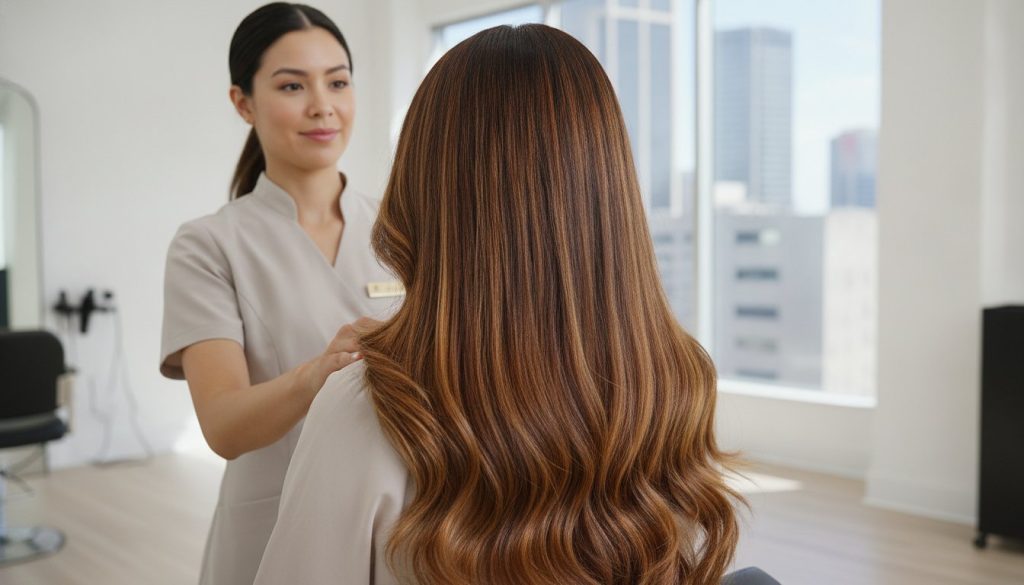
Once the base is prepared, technique determines everything about how natural the result reads. All-over color, applied uniformly from root to tip, flattens the shade into a single dimension. Balayage is the professional’s preferred architecture for strawberry blonde precisely because it avoids that. By painting color in sweeping, graduated sections, a skilled colorist engineers the light-and-shadow contrast that makes the shade look like it grew that way. The result isn’t just more flattering; it’s more believable.
Professional hair color brands are what separate a result that performs from one that merely looks good in the salon chair. High-definition pigment systems, like Color Bar Professional, are engineered to deposit warm tones with a precision that retail formulas simply can’t replicate. The pigment particle size, oxidant concentration, and carrier technology are calibrated for controlled, even saturation at every level of the strand, which is what produces that characteristic depth and clarity rather than a flat, one-note wash of color.
The Role of Glazing and Toning
A glaze is the colorist’s finishing move, and it’s frequently the step that separates a good result from a genuinely stunning one. Semi-permanent glazes deposit a translucent layer of warm, light-reflecting pigment over the existing color without the commitment of a permanent formula. For clients exploring strawberry tones for the first time, a glaze is an ideal entry point. For those maintaining an established color, it’s essential maintenance. Because red pigment molecules are the largest in the color spectrum, they exit the hair shaft fastest. A professional toning appointment every four to six weeks restores the strawberry warmth that daily washing steadily depletes, keeping the result vibrant rather than faded and brassy.
Precision Techniques: Lowlights and Highlights
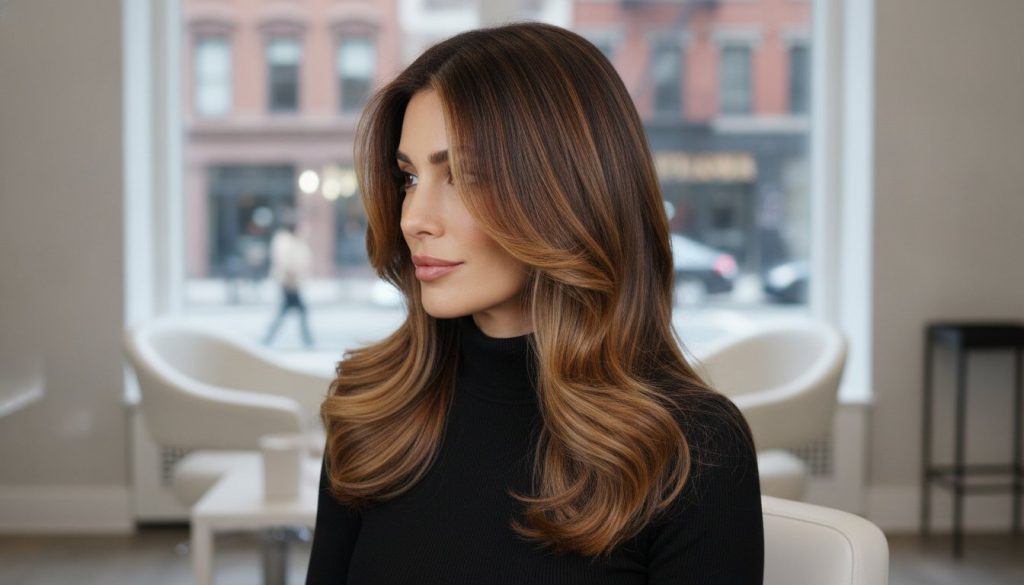
Dimension isn’t built with highlights alone. Strategic golden lowlights woven through the mid-lengths anchor the color and create the depth that prevents strawberry blonde from reading as a flat, all-over warmth. Baby-lights, the finest possible highlight sections applied close to the scalp, replicate the irregular tonal variation of naturally sun-kissed hair with remarkable accuracy. Face-framing pieces deserve particular attention: lighter, peachy-golden panels placed around the hairline catch light directly against the complexion, creating a brightening effect that no bronzer can replicate.
Every one of these techniques works harder when the hair’s structural integrity is intact. Lifting and toning put real stress on the cuticle, and compromised hair holds pigment unevenly. Sealing color appointments with a treatment like the Silk Touch Keratin Treatment, which is 100% vegan and formaldehyde-free, smooths the cuticle layer to lock warm pigments in place and extend the life of the color significantly.
Preventing the Fade: Professional Maintenance for Fragile Pigments
Red pigment molecules are structurally the largest in the color spectrum. That size matters because the hair cuticle, a layered protective sheath surrounding each strand, can only hold oversized molecules loosely. Every wash cycle, every heat styling session, every minute of sun exposure creates micro-openings in that cuticle layer, and red pigments are always the first ones out. For strawberry blonde specifically, this means the warm, reddish dimension that defines the shade fades faster than the underlying blonde, leaving behind the brassy orange tone that most clients are desperate to avoid.
Two environmental aggressors accelerate this process significantly: UV radiation and hard water. UV exposure oxidizes pheomelanin-based pigments, shifting the warm strawberry register toward a dull, flat copper. Hard water deposits mineral ions, particularly calcium and magnesium, directly onto the cuticle surface, creating a film that blocks light reflection and dulls the shade’s characteristic luminosity while simultaneously speeding up pigment oxidation. Filtering your shower water or using a chelating rinse periodically can make a measurable difference in how long your color holds.
Sulfate-free cleansing is non-negotiable. Sulfates are aggressive surfactants that strip the hair’s natural lipid barrier along with color molecules, accelerating fade dramatically with every wash. Natural hair care products formulated without sulfates cleanse effectively while preserving the cuticle’s integrity and keeping warm pigments anchored where they belong. Wash with cool water, not hot; heat forces the cuticle open and lets color molecules escape with the rinse water, compressing your color’s lifespan by weeks.
The Keratin Connection: Locking in Color
Porous hair doesn’t just feel rough and look dull. It loses color at a rate that no product protocol can fully compensate for. Porosity is the result of a compromised cuticle: lifted, damaged scales that create gaps in the hair’s protective surface. Pigment deposits into those gaps during coloring but exits through them just as easily afterward. A formaldehyde free keratin treatment addresses this at the structural level, depositing keratin proteins that physically fill and smooth the cuticle layer, creating a sealed surface that traps pigment inside the cortex rather than letting it migrate out.
The Silk Touch Keratin Treatment, which is 100% vegan and formaldehyde-free, is the professional’s choice for post-color sealing. By smoothing the cuticle to a near-flat alignment, it doesn’t just extend color life; it amplifies the reflective quality of strawberry tones, producing that high-gloss, light-catching warmth that photographs so beautifully and looks even better in person.
The At-Home Protocol
Between salon visits, discipline is the difference between color that holds and color that fades. Follow this framework:
- Wash less frequently. Every wash cycle is a pigment-loss event. Extending intervals between washes, using dry shampoo at the roots when needed, preserves color saturation significantly longer.
- Protect before every heat application. The Professional Flat Iron and Professional Hair Dryer deliver results that demand a heat protectant as a prerequisite, not an afterthought. High temperatures without a thermal barrier force the cuticle open and accelerate pigment loss directly.
- Use color-depositing conditioners. A copper-gold depositing conditioner used once or twice weekly replenishes the red and golden pigments that daily washing depletes, maintaining the copper-gold balance that keeps strawberry blonde vibrant rather than faded and nondescript between toning appointments.
This isn’t a routine you piece together from guesswork. Build your professional maintenance protocol with products and treatments engineered specifically for the demands of color-treated hair, because the investment you made in the salon chair deserves a home routine that protects it.
The Hair Bar NYC Standard: Elevating Your Strawberry Blonde Experience
There’s a meaningful difference between a colorist who can execute a formula and one who architects a result. At Hair Bar NYC, the entire strawberry blonde process is built around the latter. Color Bar Professional sits at the center of that architecture, delivering the pigment precision and structural performance that separates a bespoke blend from a box-dye approximation. Every warm tone is calibrated to the individual, not pulled from a standard swatch card.
The clean beauty philosophy here isn’t marketing language. It’s a technical commitment that directly benefits color-treated hair. Formulas free from harsh sulfates, parabens, and synthetic aggressors preserve the cuticle integrity that keeps warm pigments anchored. For strawberry blonde specifically, where red pheomelanin molecules are already predisposed to rapid migration, every harsh chemical contact is a color-life event you can’t afford. Vegan, cruelty-free formulations work with the hair’s natural lipid barrier rather than stripping it, which translates directly to longer-lasting warmth and higher-gloss results.
Bespoke Color Consultations
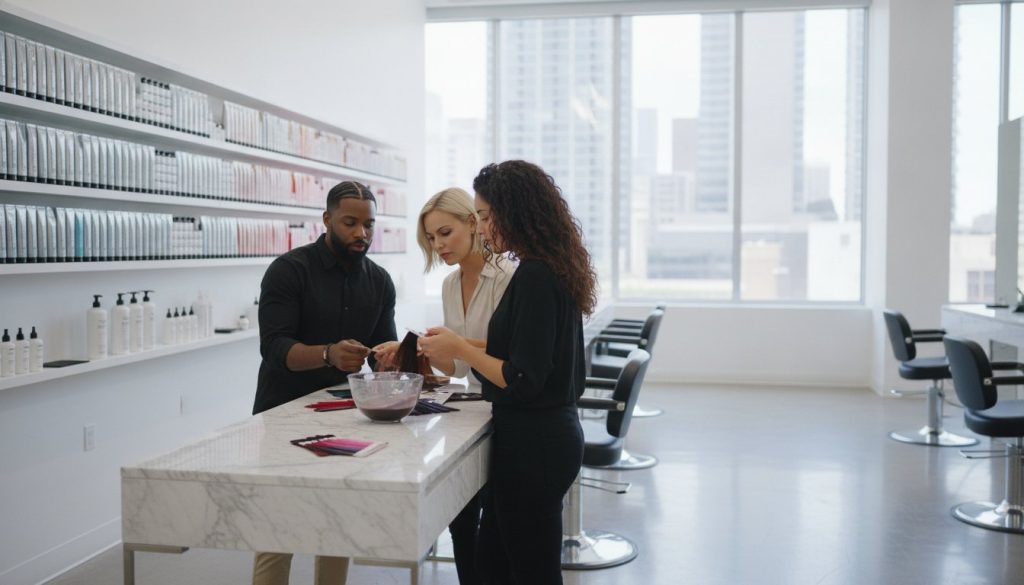
A consultation at Hair Bar NYC begins with hair health analysis, not formula selection. Porosity, elasticity, existing chemical history, and scalp condition are all assessed before any lifting or coloring recommendation is made. From there, a tailored maintenance plan is built specifically for your hair type, covering everything from wash frequency to the right combination of Diamond or Silk Touch products for your texture. You leave knowing exactly what your color needs to stay vibrant, not guessing.
Beyond the Color: Structural Hair Health
Lightening puts real mechanical stress on the hair shaft. For clients who require more intensive lifting to achieve the right strawberry blonde base, the Diamond Keratin Treatment delivers an additional layer of structural reinforcement. Where the Silk Touch Keratin Treatment seals and smooths, the Diamond system is formulated for hair that needs deeper protein replenishment after significant chemical processing, restoring tensile strength while simultaneously locking warm pigments inside the cortex.
Heat styling is the final variable. The Professional Flat Iron and Professional Hair Dryer are engineered to deliver consistent, controlled temperature, which means your freshly calibrated strawberry tones aren’t immediately compromised by uneven heat distribution. Precision tools protect a precision result.
This is the standard that urban luxury actually means in practice: not just beautiful color on day one, but a structurally sound, professionally maintained result that performs for weeks. Book your strawberry blonde consultation and experience the intersection of pigment science, clean beauty, and metropolitan expertise that makes the difference you can see.
Your Strawberry Blonde Era Starts Here
Strawberry blonde isn’t just a color trend. It’s a precision result that rewards the right knowledge, the right technique, and the right maintenance system working together. You now have all three. You understand the pigment science behind the shade, how to match the right variation to your complexion, and why red molecules fade faster than any other color in the spectrum.
What separates a result that holds from one that disappoints by week three comes down to two things: a colorist who treats your hair as a system, not a canvas, and a post-color protocol built around products that actively protect what the salon created. Vegan, cruelty-free formulas and formaldehyde-free smoothing systems aren’t just cleaner choices; they’re structurally smarter ones for color-treated hair.
The tools, treatments, and color systems trusted by elite NYC stylists are available to you right now. Shop professional hair color and keratin maintenance at Hair Bar NYC and give your strawberry blonde the foundation it deserves. Your best color result is closer than you think.
Frequently Asked Questions About Strawberry Blonde Hair
Is strawberry blonde considered red or blonde?
Strawberry blonde is technically classified as a blonde, but it sits at the warmest, most pigment-rich end of the blonde spectrum. It carries enough reddish pheomelanin influence to read distinctly warm, but the golden clarity keeps it firmly in blonde territory rather than crossing into true red. Think of it as a blonde that performs like a redhead in direct sunlight.
How do I keep my strawberry blonde from turning orange or brassy?
The key is a two-part defense: sulfate-free cleansing to prevent accelerated pigment loss, and regular professional toning appointments every four to six weeks to replenish the red-gold balance before brassiness sets in. A color-depositing conditioner in a copper-gold tone used weekly between salon visits also makes a measurable difference. Washing with cool water rather than hot is a small habit that compounds significantly over time.
Does strawberry blonde fade fast?
Yes, faster than most shades. Red pigment molecules are structurally the largest in the color spectrum, which means the hair cuticle holds them loosely. They’re the first to exit with every wash cycle, every heat styling session, and every hour of sun exposure. Sealing the cuticle after color services with a smoothing treatment like the Silk Touch Keratin Treatment, which is 100% vegan and formaldehyde-free, significantly slows that migration and extends vibrancy.
Can I get strawberry blonde without bleaching my hair?
It depends entirely on your starting level. If your natural hair is already a Level 7 or lighter, a colorist may be able to deposit warm strawberry tones directly without full bleaching. Darker bases, Level 5 and below, require lifting to remove underlying eumelanin first; skipping that step leaves too much residual pigment in the cortex, and the result reads muddy copper rather than luminous strawberry blonde. A professional consultation is the only reliable way to assess what your specific hair needs.
What is the best shampoo for strawberry blonde hair?
A sulfate-free formula is the non-negotiable baseline. Beyond that, look for shampoos designed specifically for color-treated hair that prioritize cuticle integrity rather than stripping cleansers. The Silk Touch Shampoo is formulated without harsh sulfates, which means it cleanses effectively while preserving the lipid barrier that keeps warm pigments anchored inside the strand rather than rinsing away with every wash.
Will strawberry blonde look good on olive skin?
Strawberry blonde absolutely works on olive skin, but the formula architecture matters. A golden strawberry variation with amber and honey depth reads rich and warm against olive complexions rather than washed-out. A professional colorist will also add a shadow root, a deeper, intentional base tone, to ground the color and prevent the mid-lengths from floating disconnected from the complexion. Without that root anchor, the underlying green-yellow cast in olive skin can optically dull the result.
How often should I touch up my strawberry blonde color?
Most clients need a professional glaze or toning appointment every four to six weeks to maintain the red-gold balance that defines the shade. Full color appointments, including any lifting or balayage refinement, typically fall every eight to twelve weeks depending on how fast your hair grows and how dramatically your root contrast develops. A tailored maintenance plan from your colorist, built around your specific hair type and lifestyle, is far more reliable than a fixed schedule.
Is there a difference between rose gold and strawberry blonde?
Yes, and the distinction is meaningful. Rose gold pulls cooler, with pink-violet undertones that read almost metallic in certain lighting. Strawberry blonde runs warmer, with golden and amber depth that produces a sunlit, luminous glow rather than a cool metallic finish. The two shades suit different skin undertones: rose gold flatters cooler complexions, while strawberry blonde is the stronger choice for warm and neutral skin tones. Choosing between them without considering your undertone is where most color decisions go wrong.