Henna Hair Dye: A Professional Guide to Botanical Color and Hair Health
What if the secret to your most vibrant high-gloss color isn’t a lab-engineered chemical, but a botanical leaf used for over 5000 years? You have likely felt the frustration of watching your hair become dry and brittle after traditional services. Perhaps you are one of the 52% of consumers now prioritizing ingredient transparency to avoid harsh synthetics.
It is natural to want a solution that prioritizes health without sacrificing the sophisticated Manhattan-ready look you crave. Incorporating henna into your beauty routine is a massive shift. However, it requires a professional perspective to master its unique permanence and specific application requirements.
In this guide, we break down the science of plant-based hair dye so you can discover if this ancient method aligns with your modern hair care goals. You will learn how to achieve improved hair strength and a lustrous shine that rivals any synthetic gloss. We also provide a clear roadmap on how this botanical treatment fits perfectly into a professional maintenance routine. Get ready to bridge the gap between the salon chair and pure botanical excellence.
Key Takeaways
- Explore the professional science of how botanical extracts act as a natural filler to revitalize porous strands and provide a protective shield against UV damage.
- Discover why elite colorists caution against specific chemical interactions and how to navigate the compatibility challenges between modern salon services and henna.
- Master the sophisticated application techniques required for professional-level results, including the critical acid activation process for long-lasting vibrancy.
- Determine if your aesthetic goals align with ancient botanical dyes or if a transition to modern, high-performance professional color systems is necessary for your lifestyle.
- Learn how to transform hair texture and scalp health by utilizing the natural strengthening properties found within premium botanical ingredients.
Table of Contents
-
Henna vs. Professional Salon Systems: What Stylists Want You to Know
-
How to Apply and Maintain Henna for Professional-Level Results
Understanding Henna: The Science of Botanical Hair Color
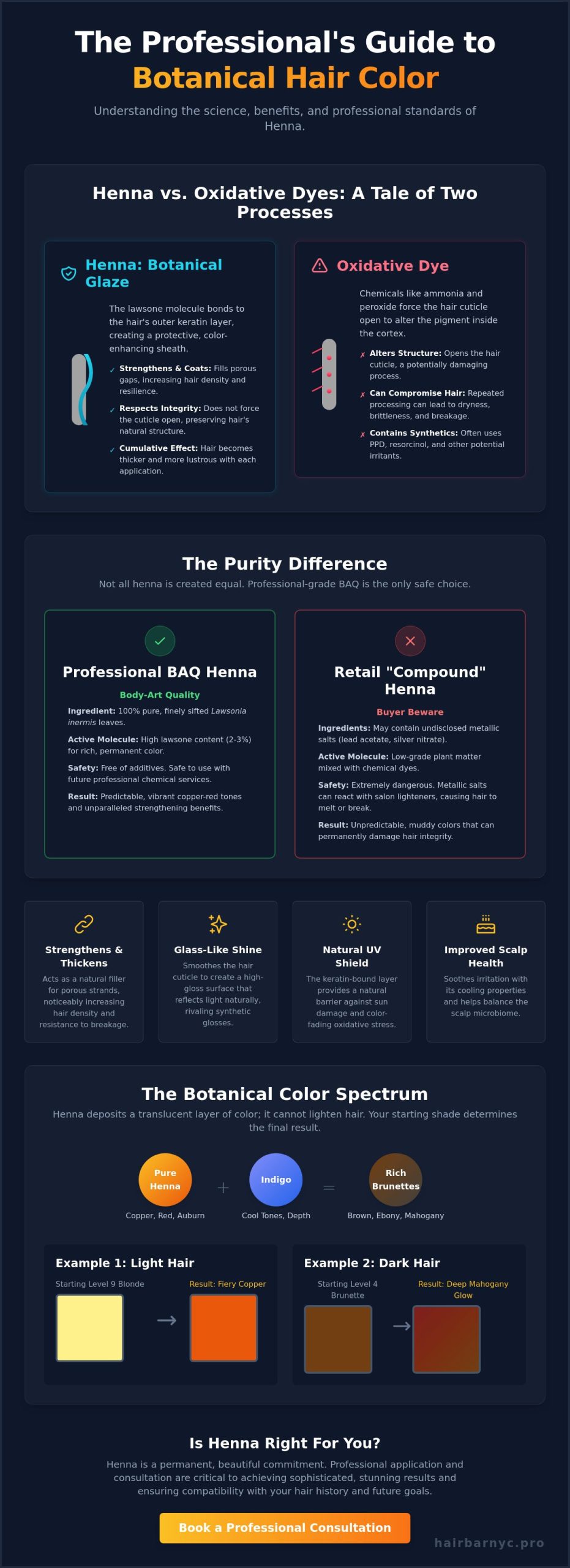
Botanical hair color isn’t just a trend; it’s a 5000-year-old tradition refined for the modern elite. Derived from the Lawsonia inermis plant, this high-performing pigment has transitioned from an ancient ritual to a staple in professional New York salons. High-grade results rely on lawsone, which is a unique naphthoquinone molecule that migrates from the leaf paste into the hair shaft.
For those seeking a comprehensive overview of henna and its cultural evolution, historical records show its consistent use across North Africa and South Asia as both a cooling agent and an aesthetic enhancer. Discerning clients must distinguish between body-art quality powders and compound retail boxes. If you wonder what body art quality henna, it simply means professional-grade products contain 100% pure henna powder with high lawsone content, typically around 2% to 3% concentration.
Retail compounds frequently hide metallic salts like lead acetate or silver nitrate to mimic shades that this plant cannot naturally achieve. These additives are dangerous. They can cause severe chemical reactions or lead to immediate hair breakage if they ever encounter traditional salon lighteners during a future service.
How Henna Bonds with Your Hair
Oxidative dyes force the cuticle open to alter internal pigment, which often leaves the hair compromised. This botanical hair color alternative respects your hair’s integrity. It creates a permanent tannin-keratin bond, effectively glazing each strand with a translucent layer of color.
This process strengthens the hair fiber by filling in porous gaps along the cuticle. Because the effect is cumulative, a third or fourth application of your plant-based hair dye results in a noticeably thicker, more resilient texture. Your hair feels denser and looks more lustrous after every session.
The Color Spectrum of Pure Henna
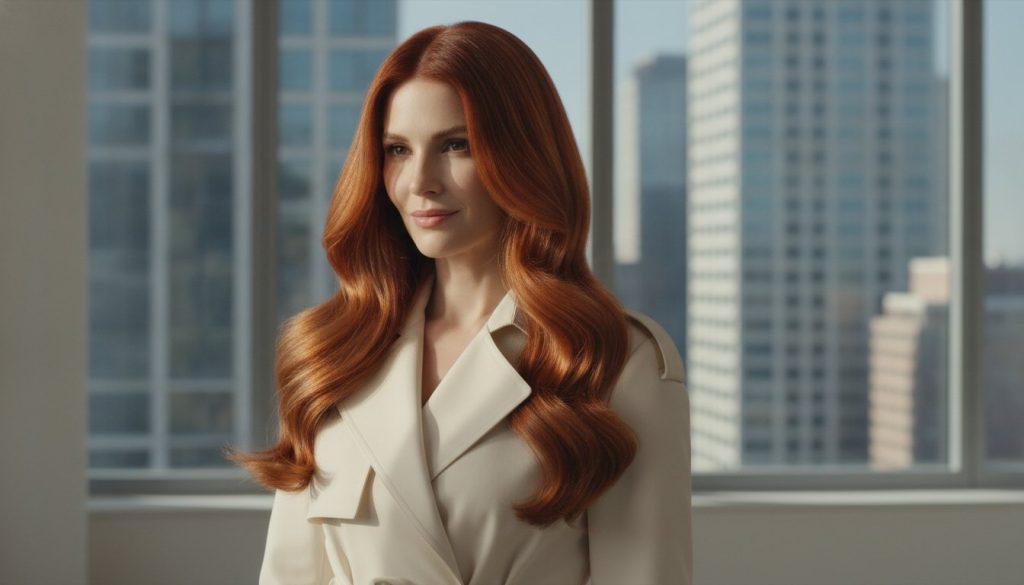
Pure botanical extracts offer a focused palette of copper, rich red, and deep auburn. It is physically impossible for this plant to lighten hair because it lacks ammonia and peroxide. To achieve a sophisticated range of brunettes and ebonies, professional stylists mix the red base with indigo for cool depth.
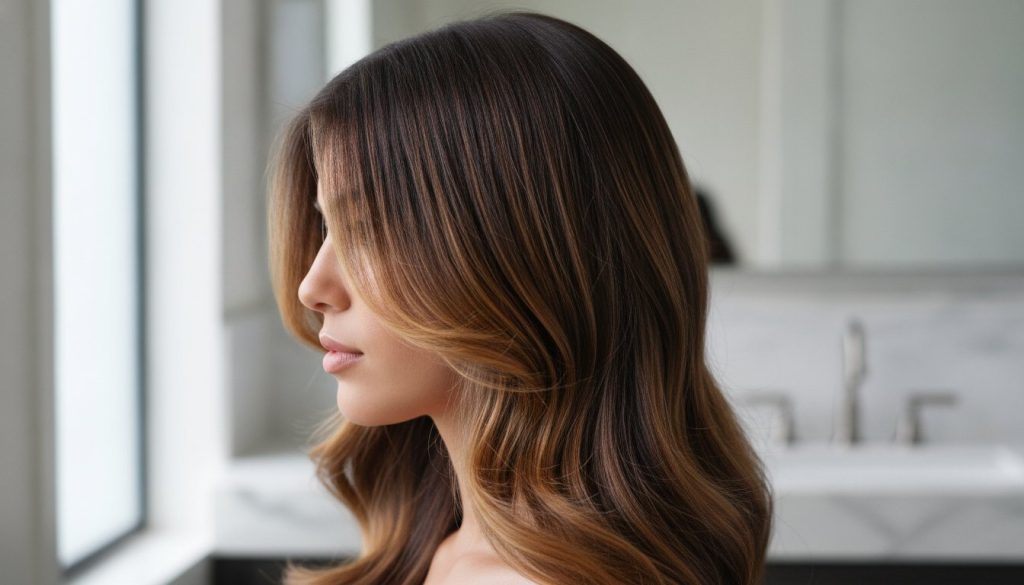
Stylists also use amla to prevent warm tones from becoming too brassy during a professional henna treatment. Predicting your final result depends entirely on your starting level. A level 9 blonde will transform into a vibrant, fiery copper, while a level 4 brunette will see a deep, mahogany glow that shimmers under Manhattan’s lights.
The Benefits of Henna for Hair Strength and Scalp Health
This botanical powerhouse provides a unique protective shield that transforms the hair shaft from the inside out. Unlike synthetic dyes that penetrate the cortex to alter pigment, henna molecules bind to the hair’s keratin, creating a resilient outer layer. This coating offers natural UV protection, shielding strands from the oxidative stress of sun exposure.
This protection is vital for maintaining color integrity in high-energy urban environments. The plant also delivers a cooling sensation on the scalp, a remedy used for over 5000 years to soothe irritation.
Its antimicrobial properties help maintain a balanced scalp microbiome, effectively reducing the prevalence of dandruff and dryness.
Embracing a 100% vegan hair dye routine provides a sense of ritual and purity that synthetic treatments simply cannot replicate.
Henna as a Strengthening Treatment
Think of this treatment as nature’s high-performance alternative to a salon protein treatment. For those with high porosity hair, the plant acts as a natural filler, plugging microscopic gaps in the cuticle layer. Exploring this botanical hair color increases hair density and makes each strand feel significantly thicker and more robust.
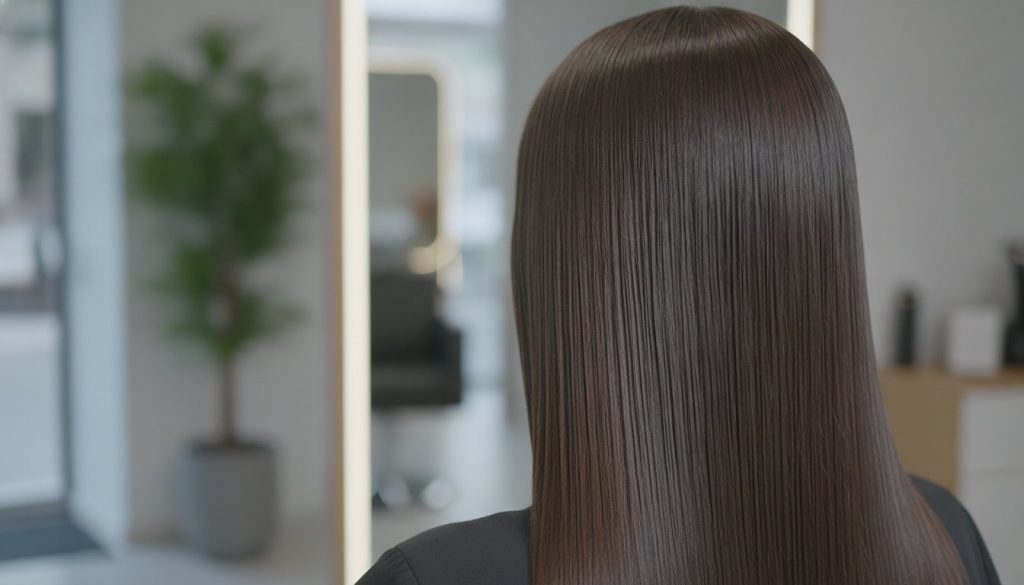
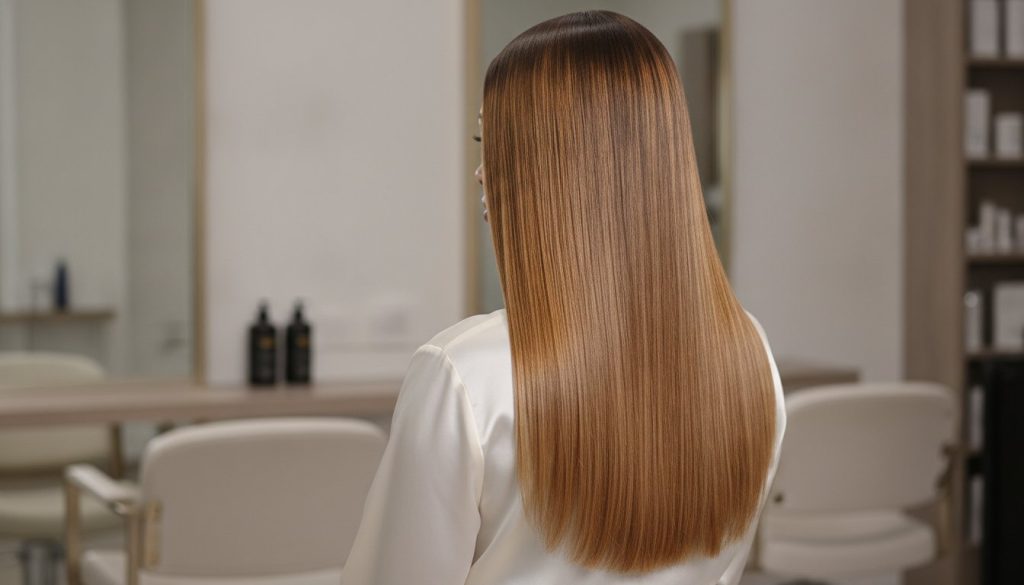
Henna-treated hair gains a durable quality that resists mechanical breakage from styling. You will also notice a glass-like shine that rivals synthetic silicone glosses. This professional-grade luster comes from the smoothed cuticle reflecting light naturally, rather than a temporary chemical coating that eventually washes away.
Clean Beauty and the Vegan Appeal
The shift toward natural hair care products represents a commitment to long-term health and environmental responsibility. By choosing botanical alternatives, you bypass aggressive chemicals like PPD, ammonia, and resorcinol, which are frequently linked to scalp sensitivities and allergic reactions. When prioritizing plant-based hair dye safety, it is essential to consult the FDA facts.
This ensures you are using pure Lawsonia inermis rather than dangerous black mixtures that contain hidden synthetic dyes. Switching to biodegradable dyes also reduces the chemical footprint of your beauty routine, perfectly aligning with a conscious NYC lifestyle. Discover the transformative power of our botanical hair care collection to maintain your salon-quality results at home.
Henna vs. Professional Salon Systems: What Stylists Want You to Know
The most persistent myth in the beauty industry is that natural ingredients are universally compatible with salon chemistry. At Hair Bar NYC, our experts frequently encounter clients who believe botanical dyes are a safer, gentler alternative that will not interfere with future services. This is a dangerous misconception.
While pure Henna Benefits for Hair include scalp conditioning and natural shine, many over-the-counter powders contain hidden metallic salts like lead acetate or copper to alter the shade. When these salts meet the professional-grade lighteners used for highlights, a violent chemical reaction occurs. This can cause the hair to heat up rapidly, smoke, or even dissolve in the foil.
This is why 90 percent of high-end colorists will refuse to highlight hair that has been treated with henna without a successful, documented strand test. If you are planning to transition from botanical dye back to professional color, honesty is your best defense. Do not try to hide your hair history; the chemicals will reveal the truth the moment they touch your strands.
A strategic transition involves a grow-out phase of at least 3 to 5 inches before attempting any significant lifting or lightening. Your stylist will likely perform multiple test strands on different sections of your head. This ensures the hair does not turn an unpredictable shade of swamp green or vibrant orange when exposed to bleach.
Henna and Keratin Treatments: A Complex Relationship
Can you get a formaldehyde free keratin treatment over botanical hair color? The answer requires patience and professional oversight. It works by coating the hair shaft in a dense layer of plant resin.
This physical barrier is so effective that it can block smoothing treatments from penetrating the hair cortex. We recommend a minimum waiting period of 6 to 8 weeks between your last botanical application and a smoothing service. During this time, use a professional-grade clarifying shampoo to gently wear down the coating, ensuring your keratin service delivers the silky, frizz-free results you expect from a Manhattan salon.
Versatility vs. Permanence
Choosing henna is a long-term commitment that limits your style evolution. Removing these pigments is rarely a single appointment; it is a corrective journey that often spans 4 to 6 months of salon visits. If you enjoy changing your look with the seasons, professional hair color brands provide the molecular precision needed for frequent, safe transitions.
Define your three-year hair goals before applying plant-based hair dye. If those goals include balayage or platinum tones, the commitment will only stand in your way. Elite hair care is about maintaining options, and professional systems are designed to give you that freedom without compromising the integrity of your hair.
How to Apply and Maintain Henna for Professional-Level Results
Achieving a Manhattan-caliber result with henna requires precision and the right raw materials. Your journey to vibrant, botanical hair color begins with these four essential steps for a true salon quality henna application:
-
Step 1: Selection. Source only triple-sifted, body-art-quality pure henna powder. This ensures a smooth, creamy paste that will not leave gritty residue in your hair cuticles or cause uneven staining.
-
Step 2: Activation. Use an acidic liquid to release the dye molecules. While lemon juice creates bright, fiery copper tones, herbal teas like chamomile or hibiscus provide a softer, more conditioned finish for sensitive scalps.
-
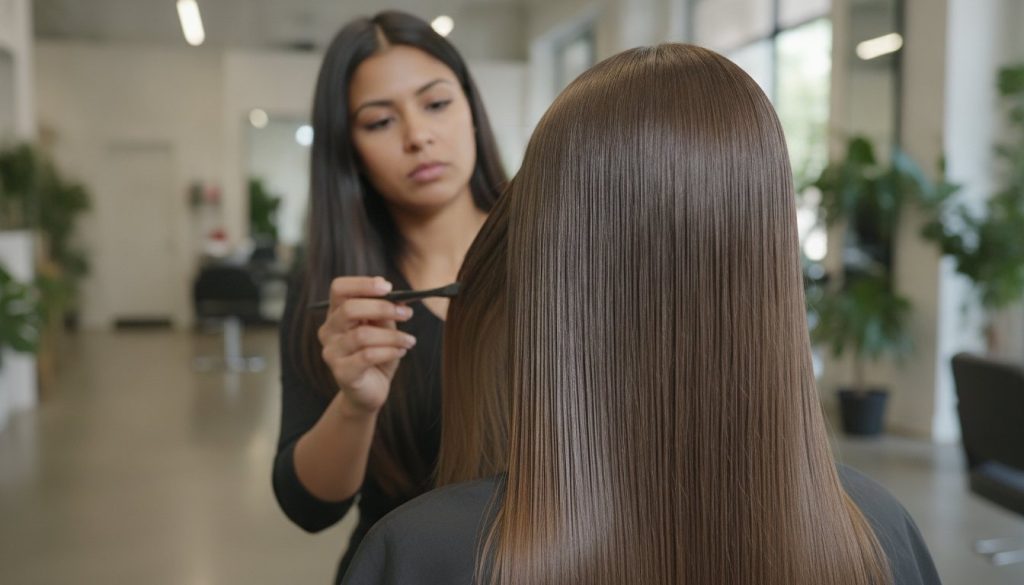
Step 3: Application. Work in small, 1-inch sections. Use a professional tint brush to ensure saturated coverage from the root to the ends. Saturated hair translates to uniform, high-impact color that lasts.
-
Step 4: Oxidation. Do not judge the color immediately after rinsing. The pigment needs a 48-hour oxidation period to settle from a bright orange into its final, sophisticated depth.
Mixing Your Own Botanical Formula
Customization is where the Expert Stylist truly shines. You are not limited to a single shade. By blending your plant-based hair dye with indigo, you can achieve a spectrum of brunettes.
A 50/50 ratio typically yields a warm chestnut, while a 25/75 ratio produces a cool, deep espresso. Add five drops of rosemary or lavender essential oil to the mix to improve the sensory experience and boost moisture. Always conduct a 24-hour strand test on a hidden section.
This step is vital to avoid neon surprises and confirm how the vegan hair dye reacts with your specific hair porosity.
Post-Henna Maintenance
Preserving that signature salon shine requires a disciplined aftercare routine. Switch to sulfate-free shampoos to prevent the botanical coating from stripping away prematurely. Because the dye molecules bind to the hair protein, some users report a temporary “crunchiness” after treatment.
Combat this by applying a professional-grade deep conditioner once a week to restore silky elasticity. When your roots begin to show, focus the application only on the new growth. Avoid pulling the mixture through to the ends every time. This prevents the color from over-darkening and keeps your hair looking vibrant rather than heavy.
Transform your home routine into a professional experience and discover elite botanical hair care at Hair Bar NYC
Beyond Henna: Modern Solutions for Healthy, Vibrant Color
Choosing the right pigment path requires a balance of lifestyle and hair goals. While botanical options provide a natural sheen, modern hair color technology offers a level of precision that traditional henna simply cannot match. If you require 100% gray coverage or want to lift your base shade by three levels, professional systems are the superior choice. Hair Bar NYC specializes in these high-performance transitions, ensuring your strands remain resilient and vibrant through every season.
The Professional-Grade Alternative
Modern salon formulas have evolved far beyond the harsh chemicals of the 1990s. We utilize ammonia-free, vegan-friendly color systems that deliver rich saturation without compromising the hair’s structural integrity. These professional-grade solutions provide predictable results every time; you won’t face the “surprise” orange tones sometimes associated with DIY botanical applications. Our stylists monitor your hair health during every step, adjusting formulas based on your hair’s porosity and previous chemical history. This level of oversight ensures a lustrous finish that lasts six to eight weeks, outperforming standard retail boxes.
Creating Your Personalized Care Routine
Transform your look by merging botanical inspiration with scientific innovation. A personalized routine at Hair Bar NYC starts with a deep analysis of your current hair condition. We bridge the gap between clean beauty and elite performance by selecting products that mirror the strengthening properties of henna while offering the flexibility of modern pigments. Consider these factors for your long-term hair transformation:
-
Commitment Level: Henna is permanent and notoriously difficult to remove; professional color allows for seasonal shade shifts and easier corrections.
-
Hair Texture: Fine hair benefits from the thickening effect of botanicals, while coarse hair often requires the softening agents found in our Silk Touch systems.
-
Maintenance: Professional color allows for targeted root touch-ups that blend seamlessly with existing mid-lengths and ends.
Is henna right for your specific hair type? It’s the ideal choice for those seeking a singular, warm-toned commitment to holistic care. However, if you crave variety, multi-dimensional highlights, or a specific cool-toned brunette, our professional vegan systems offer the revolutionary results you deserve. Discover your signature style by consulting with a Hair Bar NYC expert today. We’ll help you revitalize your hair with a focus on integrity, health, and Manhattan-inspired sophistication.
Elevate Your Color Standards with Elite Botanical Care
Embracing henna means choosing a path of botanical integrity and structural hair reinforcement. You have learned how the Lawsonia inermis molecule bonds with keratin to provide a measurable increase in strand diameter while soothing the scalp. Transitioning from traditional dyes to these plant-based hair dye alternatives requires a professional eye to ensure your results remain vibrant and consistent.
At Hair Bar NYC, we bridge the gap between ancient botanical wisdom and modern Manhattan sophistication. Our formulas meet elite NYC-inspired professional standards, ensuring your hair receives the same high-performance care found in top-tier salons. We provide expert support for both salon professionals and retail clients who refuse to compromise on quality.
Our commitment to 100% cruelty-free and vegan formulas means you are investing in ethical beauty that delivers revolutionary results. It is time to upgrade your routine with a professional henna treatment that prioritizes your health without sacrificing the bold, lustrous finish you deserve.
Your journey to professional-grade hair health starts with the right foundation. Discover the difference that expert-led innovation makes for your hair today.
Explore Professional-Grade Vegan Hair Care Solutions
Frequently Asked Questions
Does henna cover gray hair effectively?
Yes. The best organic henna for gray coverage provides excellent 100 percent coverage. It binds directly to your hair’s keratin to create a translucent, multidimensional finish. For hair that is over 50 percent gray, mix pure henna powder with indigo. This two-step botanical hair color process yields a deep, natural brunette or ebony shade.
Can I use henna on hair that has already been chemically dyed?
You can safely apply pure henna powder to chemically treated hair after a 4-week wait. You must use 100 percent Lawsonian inermis free of metallic salts. Always do a strand test first. This ensures the plant-based hair dye blends safely with your existing salon color without any bad chemical reactions.
How often can I apply henna to my hair?
You should apply a full professional henna treatment every 8 to 12 weeks. Do root touch-ups every 4 weeks to keep it vibrant. Frequent full-length applications of botanical hair color will darken your hair over time. This color buildup creates the signature weight and glass-like shine of vegan hair dye.
Is "Black Henna" safe for hair and skin?
No. Black variants often contain dangerous PPD levels. Authentic botanical hair color only uses pure plant powders like indigo or hibiscus. Always stick to a safe professional henna treatment to protect your scalp and avoid severe allergic reactions.
How do I remove henna if I don’t like the color?
This plant-based hair dye is permanent. You cannot just bleach it out because the lawsone molecule bonds deeply with hair proteins. A stylist can do a 12-hour mineral oil soak to help break the bond. Fading henna safely takes multiple professional lifting treatments over several months.
Will henna make my hair dry or brittle?
Henna will not make your hair brittle if you follow up with deep conditioning. The plant resins strengthen the cuticle but do not add moisture. Use a sulfate-free mask twice a month after your professional henna treatment to keep your strands elastic, hydrated, and soft.
Can I use a flat iron or blow dryer on henna-treated hair?
Yes. Botanical hair color acts as a natural thermal shield that handles heat up to 450 degrees. This protective layer reduces split ends during your daily styling. Always use a professional-grade heat protectant over your vegan hair dye to keep the hair fiber completely healthy.
Does henna affect the natural curl pattern of my hair?
Yes. The heavy plant resins in pure henna powder coat each strand, which can loosen your curl pattern. Tight coils often turn into softer waves after a few regular applications. To keep your bounce, use protein-free moisture masks alongside your plant-based hair dye routine.