Professional Hair Color Correction Techniques: The Elite Stylist’s 2026 Guide
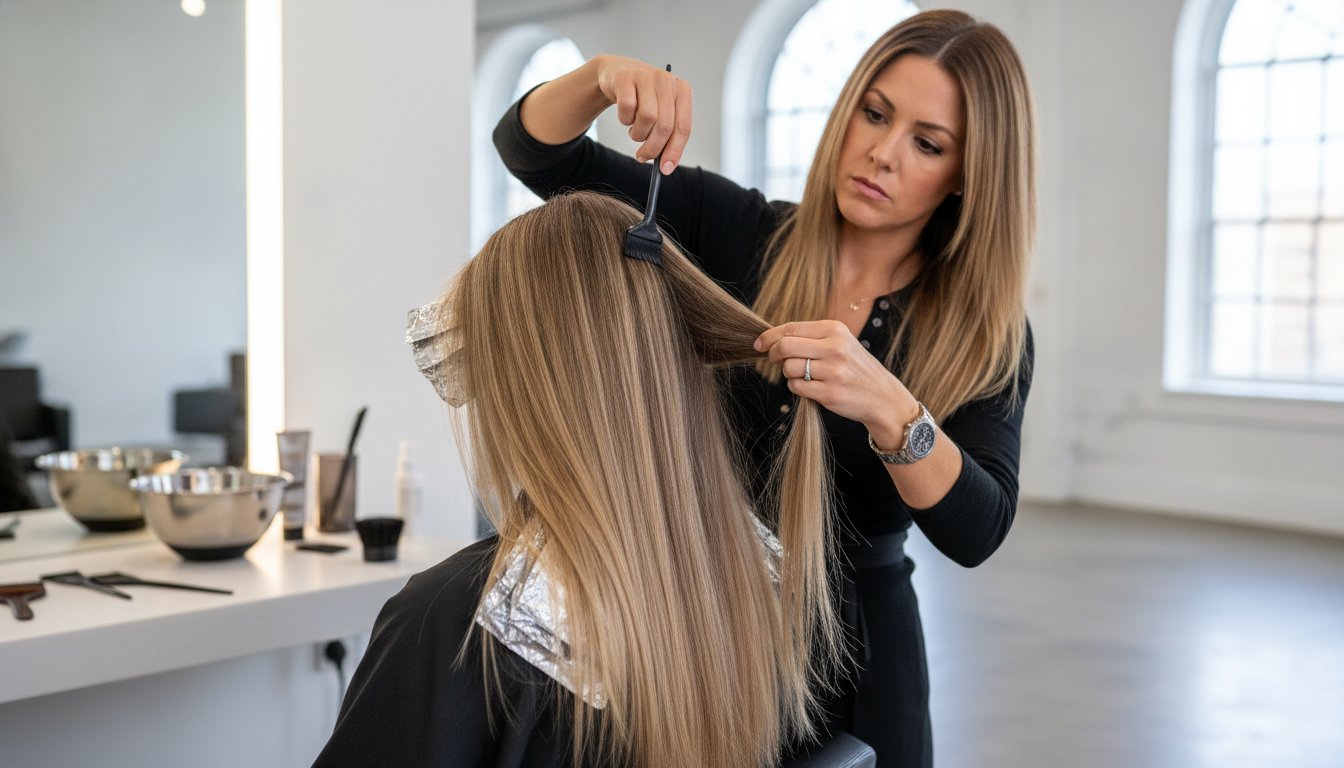
True color correction is chemical surgery that requires simultaneous pigment neutralization and structural restoration. In an industry where the global hair color market is surging toward a $52.66 billion valuation by 2032, mastering sophisticated professional hair color correction techniques is the ultimate differentiator for the elite stylist. You’ve likely experienced that moment of professional apprehension when a client presents with patchy box dye and compromised elasticity, demanding a total transformation while you’re navigating the delicate balance of chemical integrity.
It’s a high-stakes scenario where the fear of breakage is just as daunting as the complexity of the lift. This guide provides the strategic protocols you need to command higher fees and deliver predictable, high-performance results every time. We’ll explore the advanced chemistry of the Color Bar Professional Hair Color system and detail how restorative steps like the Silk Touch Keratin Treatment can preserve the hair’s foundation during even the most aggressive corrections.
Key Takeaways
- Define the chemical difference between a standard color service and a high-stakes correction to establish a professional foundation for every transformation.
- Master professional hair color correction techniques through advanced diagnostics that uncover hidden pigments and identify structural weaknesses before the first application.
- Implement a strategic “fill” process to replace essential underlying pigments when transitioning from over-processed blondes back to sophisticated, rich brunettes.
- Protect the hair’s internal architecture during aggressive lifting by incorporating restorative protocols like the Silk Touch Keratin Treatment to mend the hair’s foundation.
- Optimize your salon’s revenue by implementing a transparent, time-based pricing structure that reflects your elite expertise in complex color transformations.
The Science of Professional Hair Color Correction Techniques
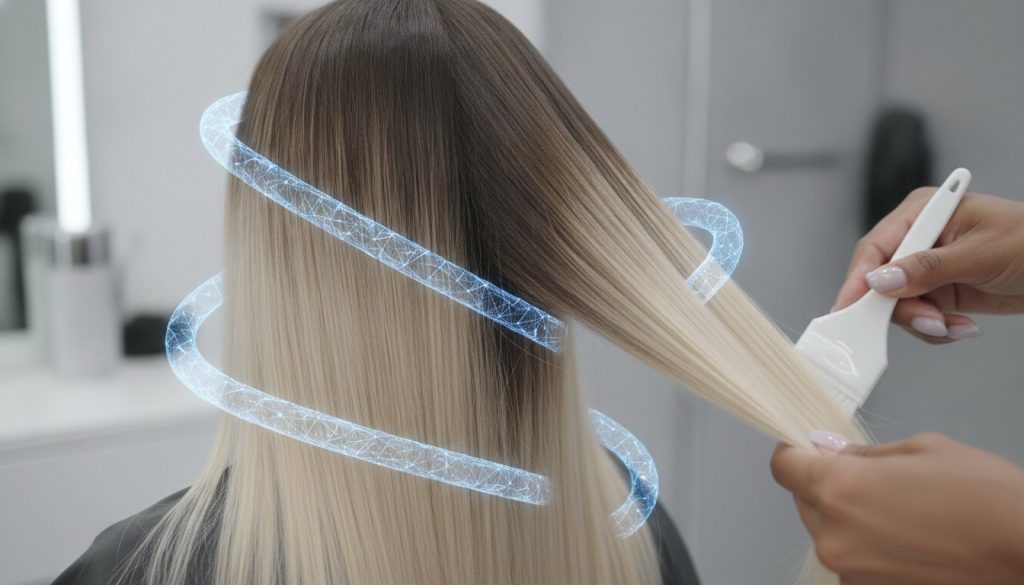
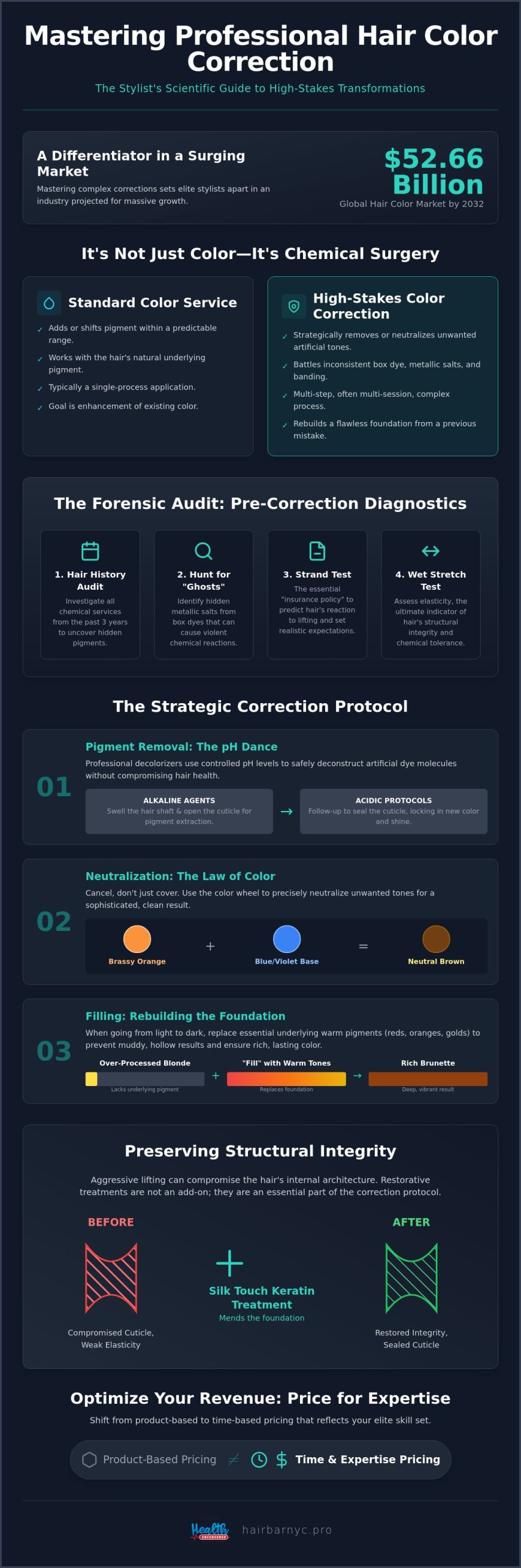
Color correction isn’t a routine salon visit; it’s a high-stakes chemical intervention. While a standard color service involves adding pigment or shifting a tone within a predictable range, professional hair color correction techniques focus on the strategic removal or neutralization of unwanted artificial tones. Think of it as chemical surgery for the hair. You aren’t just applying a new shade; you’re deconstructing a previous mistake to rebuild a flawless foundation. This process requires a sophisticated understanding of how oxidative dyes interact with the hair’s internal structure.
The distinction between a standard enhancement and a correction lies in the complexity of the pigment load. Standard services work with the hair’s natural underlying pigment. Corrections, however, often battle layers of inconsistent box dye, metallic salts, or uneven bands of previous lightener. This is where elite-level precision becomes non-negotiable. Professional-grade products, such as Color Bar Professional Hair Color, provide the controlled alkalinity and pigment density required to navigate these challenges without causing catastrophic damage to the cuticle.
The Chemistry of Oxidative Pigment Removal
Removing artificial pigment is vastly different from lifting natural melanin. Understanding The Science of Hair Bleaching is fundamental when stripping back layers of oxidized dye. Professional decolorizers use alkaline agents to swell the hair shaft, allowing oxygen to enter and break down large dye molecules. Managing pH levels throughout this process is the secret to maintaining hair health. High pH environments open the cuticle for deep pigment extraction, but they must be followed by acidic protocols to seal the hair and lock in the new results. This level of predictability is exactly why professional hair color brands are the only choice for the metropolitan stylist. They offer a stable chemical environment that retail products simply cannot replicate.
The Law of Color: Advanced Neutralization
Mastering professional hair color correction techniques requires a strict adherence to the Law of Color. You don’t just cover a muddy green or a brassy orange; you cancel them using their direct opposites on the color wheel. If a client arrives with unwanted warmth at a level 8, a calculated violet-blue base is essential to pull the tone back to a sophisticated neutral. The choice of developer is equally critical. You’ll often use lower volumes to gently nudge pigment out over a longer period, preserving the structural integrity of the cortex. The neutralization point is the moment unwanted pigment is successfully countered. Achieving this balance is the hallmark of an expert professional who values science over guesswork.
Advanced Diagnostics: Assessing Hair Health and Pigment Load
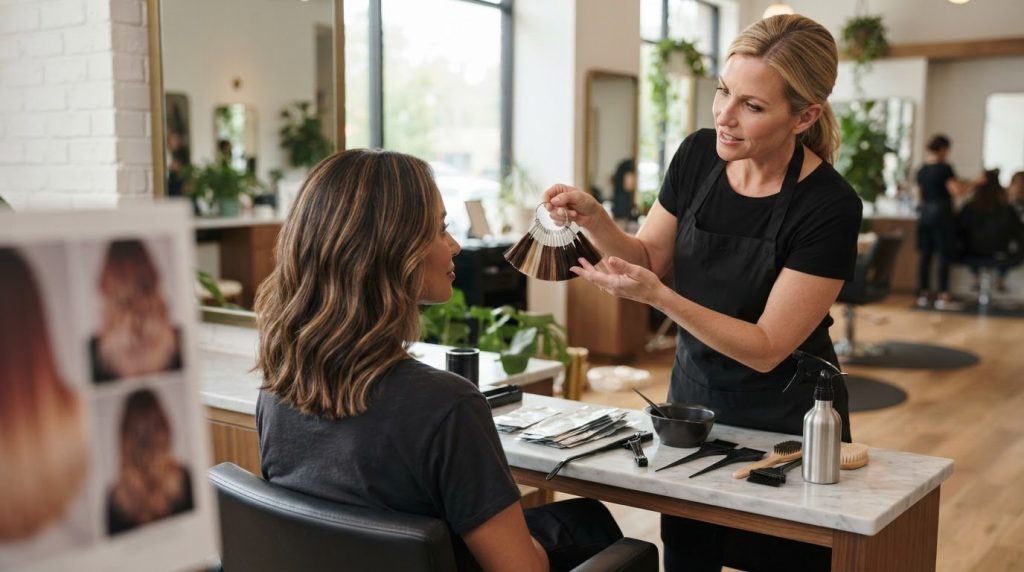
Elite stylists view the initial consultation not as a chat, but as a forensic audit. Before you even touch a mixing bowl, you must perform a comprehensive evaluation of the hair’s structural history. Applying professional hair color correction techniques without a diagnostic map is the fastest way to cause irreversible chemical trauma. You’re looking for more than just the current shade; you’re hunting for “ghost pigments” and hidden layers of metallic salts often found in box dyes. These non-professional ingredients can react violently with salon-grade developers, leading to unpredictable heat reactions or immediate breakage.
A thorough hair history is your primary safety protocol. Ask your client about every chemical service performed in the last three years, as pigment remains in the hair until it’s cut off. This transparency is critical for complying with FDA Hair Dye Safety Regulations, which emphasize the importance of identifying potential sensitivities and ingredient reactions. If the history is murky, a strand test is your only insurance policy. It reveals how the hair will actually behave under the stress of oxidative removal, allowing you to set realistic expectations for a multi-session journey rather than promising a miracle in a single afternoon.
The Wet Stretch Test and Porosity Assessment
Elasticity is the ultimate indicator of chemical tolerance. Perform a wet stretch test by taking a small, damp section of hair and gently extending it. Healthy hair should stretch and return to its original length. If it snaps instantly or feels like wet gum, the internal disulfide bonds are too compromised for aggressive lifting. You must also identify high-porosity zones, typically found at the mid-lengths and ends. These areas “grab” pigment too quickly, leading to the muddy, over-saturated results common in failed corrections. Evening out this porosity with a pre-color treatment is a non-negotiable step for achieving a uniform canvas.
Mapping the Pigment History
Corrective work often involves navigating “bands” of color caused by overlapping applications. Each band represents a different chemical era on the client’s head. You’ll need to distinguish between semi-permanent buildup, which sits on the cuticle, and permanent dye that has deeply penetrated the cortex. By applying advanced hair color theory, you can predict how these layers will shift during decolorization. For instance, old black dye rarely lifts to a clean blonde; it usually transitions through stubborn stages of red and orange that require specific neutralizing bases. To ensure you have the right tools for these complex shifts, explore the professional-grade options at Hair Bar NYC Professional.
Strategic Correction Protocols: Lifting, Filling, and Toning
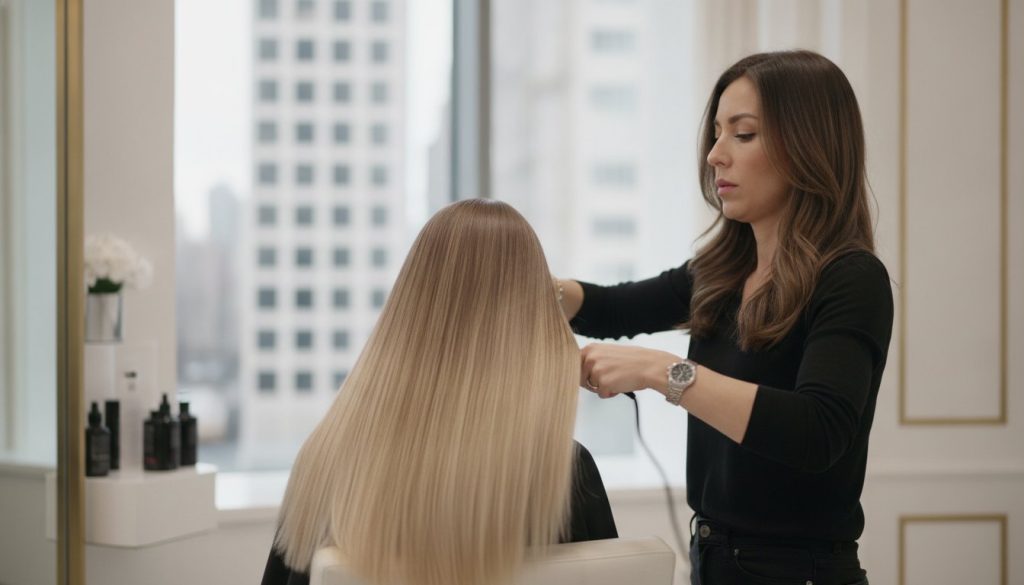
Once you’ve mapped the pigment history through a forensic audit, the physical transformation begins. This phase demands a rhythmic, intentional approach to chemistry where every gram of product serves a specific purpose. Executing professional hair color correction techniques is not about speed; it’s about the strategic layering of results to ensure the hair remains as healthy as it is beautiful. You’re moving from deconstruction to reconstruction, a process that requires the precision of Color Bar Professional Hair Color to achieve consistent, high-performance outcomes.
The corrective journey follows a strict four-step protocol designed for the elite salon environment:
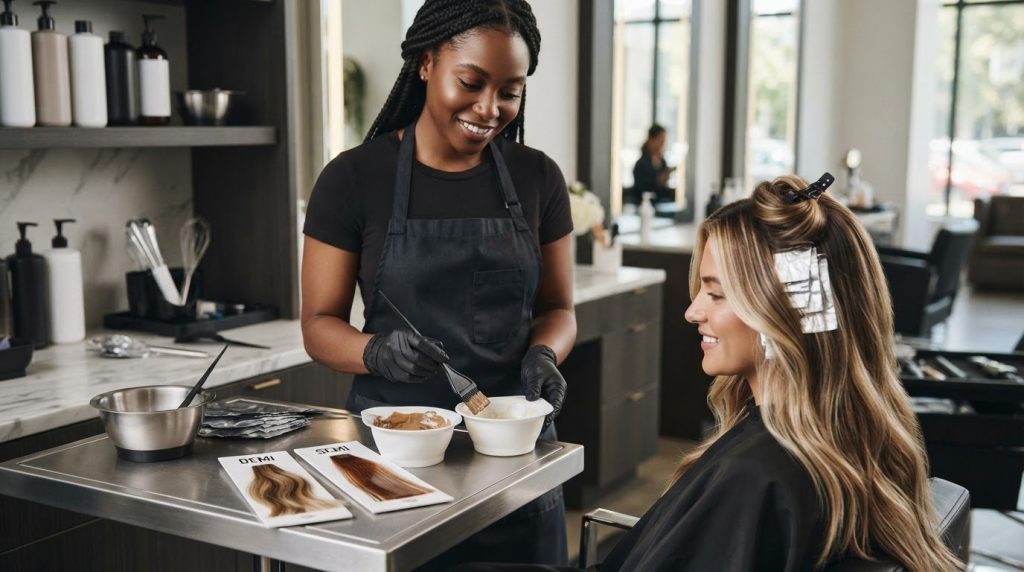
- Controlled Decolorization: Use low-volume developers to gently nudge out unwanted artificial pigment. This preserves the hair’s internal architecture while providing the clean canvas necessary for the next steps.
- The Essential Fill: Replace the missing underlying pigments that were lost during previous lifting or fading. This creates a solid foundation for the final target shade.
- Precision Toning: Apply specific neutralizing bases to refine the final color and add that signature metropolitan glow.
- Final pH Balancing: Seal the cuticle to lock in the new pigment and restore the hair’s natural acidic state, ensuring longevity and shine.
The Art of the Color Fill
Skipping the fill stage is the most common mistake in corrective work. When you’re taking a compromised blonde back to a rich brunette, the hair lacks the warm “anchor” pigments required to hold a darker shade. Without this step, your final result will look hollow, translucent, or even muddy. Understanding The Science of Hair Dye Chemistry is essential when calculating how these artificial pigments will anchor during the fill stage. You must choose an underlying pigment based on your target level: gold for level 8, copper for levels 6 and 7, and red for level 5 and below. Apply these tones with a low-volume developer to ensure the hair is saturated and ready to receive the final sophisticated shade.
Toning for Sophistication
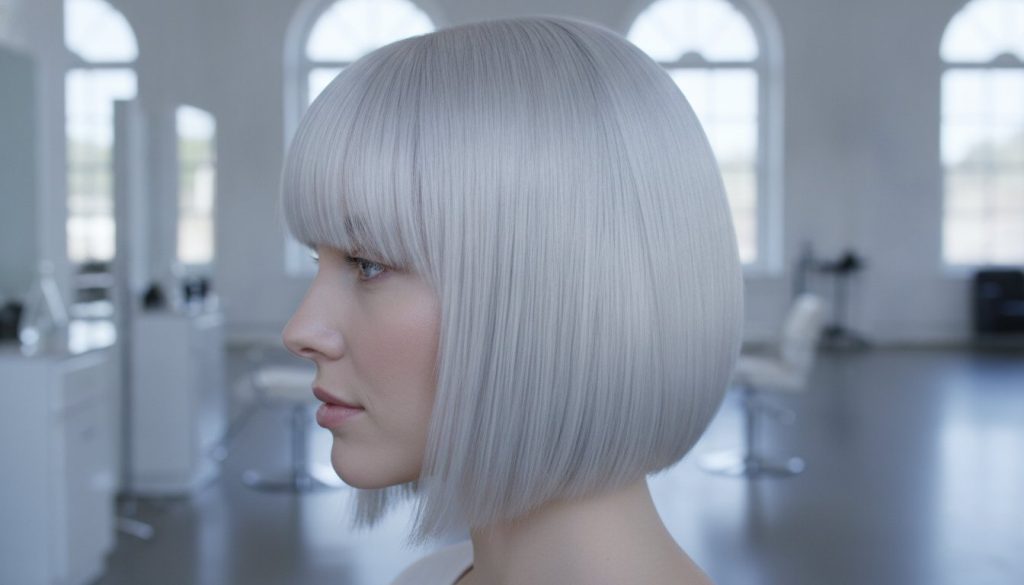
The final tone is what defines the “expensive-looking” aesthetic that urban clients demand. Whether you’re aiming for a smoked suede brunette or a buttery champagne blonde, your toner selection must be mathematically precise. Use violet bases to cancel yellow, blue to neutralize orange, and green to counter red. The processing time of a toner is the most critical variable in correction because it determines the depth of neutralization without over-depositing on porous ends. Monitor the deposit every few minutes to ensure you hit the exact neutralization point, resulting in a finish that looks deliberate, luxurious, and entirely professional.
Preserving Structural Integrity: The Keratin Correction Protocol
Aggressive pigment removal is inherently destructive. While professional hair color correction techniques achieve the perfect visual result, the chemical process of opening the cuticle and oxidizing melanin often leaves the internal cortex vulnerable. Elite stylists recognize that a successful correction isn’t just measured by the final shade, but by the hair’s ability to retain moisture and shine. This is where a restorative approach becomes the hallmark of a high-performance salon. You aren’t just a colorist; you’re a structural architect rebuilding the hair’s foundation from the inside out.
Integrating a high-tier smoothing system like the Silk Touch Keratin Treatment transforms a standard service into a luxury restoration. This formaldehyde-free formula uses vegan keratin to fill the gaps in the hair’s architecture caused by intensive lifting. By repairing the disulfide bonds damaged during the decolorization process, you restore the metropolitan standard of manageability and light-reflective shine that urban clients expect. It’s the difference between hair that looks corrected and hair that looks curated.
The Silk Touch Restoration Method
The most effective way to preserve integrity is to integrate keratin infusion immediately after the final chemical shift. Once the hair is at its most porous, the Silk Touch Keratin Treatment can penetrate deeply, sealing the new pigment within the cortex while creating a protective shield against environmental stressors. This “Correction + Cure” approach allows you to command higher service fees by positioning the treatment as an essential restorative step rather than an optional add-on. It ensures the hair stays resilient, even after multiple sessions of lifting and toning.
Home Maintenance for Corrected Hair
The work doesn’t end when the client leaves the chair. Educating your clients on a strict aftercare cadence is vital for preventing future color disasters and maintaining the structural repair you’ve initiated. This starts with transitioning them to professional-grade, sulfate-free hair care products for natural hair. Using the Silk Touch Shampoo and Conditioner at home provides a steady supply of nutrients that extend the life of the corrective color and keep the cuticle sealed. To equip your salon with these essential restorative tools, explore the full range of professional keratin and color systems at Hair Bar NYC Professional.
The Professional Standard: Managing the High-Stakes Correction
Mastering the technical chemistry of a transformation is only half the battle. To truly excel as an elite stylist, you must treat every corrective service as a specialized business case that requires meticulous management. Pricing professional hair color correction techniques shouldn’t follow a standard service menu. Instead, adopt a transparent, hourly-based model that accounts for the extreme complexity and the premium chemistry required for “chemical surgery.” By utilizing elite tools like Color Bar Professional Hair Color, you justify these higher fees through predictable, high-performance results that retail-grade products simply can’t match. This approach positions you not just as a stylist, but as a consultant in the world of elite hair care.
Building an elite reputation as the go-to “Correction Expert” in a competitive metropolitan market requires more than just skill. It demands a commitment to professional-tier quality as a hallmark of every offering. When you consistently deliver results that preserve the hair’s foundation while achieving sophisticated, trend-conscious tones, you bridge the gap between the expert salon environment and the client’s desire for accessible luxury. This uncompromising stance on quality is what allows a professional to command higher fees and secure a place at the top of the industry hierarchy.
The Expert Consultation and Waiver
Protecting your professional reputation starts with a clear service agreement and a forensic consultation. This isn’t just a formality; it’s a vital tool for communicating the “science of the possible” to anxious clients who have already experienced color disasters. Be transparent about the potential for multi-session journeys. When you’re honest about the limitations of the hair’s current state and prioritize structural integrity over a fast, dangerous lift, you build immense trust. A client who feels like an insider in the decision-making process quickly transforms into a loyal, long-term brand advocate.
Mastering the Correction Portfolio
Your portfolio is your digital storefront in an upscale urban setting. When documenting your transformations, focus on the sensory experience of the hair. Use professional lighting to showcase the glass-like shine and restored elasticity provided by the Silk Touch Keratin Treatment discussed in previous protocols. Don’t just show the change in hue; highlight the texture and health of the hair. This metropolitan energy attracts a discerning clientele who values uncompromising quality over bargain pricing. A well-curated portfolio of professional hair color correction techniques serves as a striking visual hook, proving that you are a bridge to the professional standard of excellence.
Redefining the Standard of Salon Excellence
True mastery in the modern salon isn’t just about applying a shade; it’s about the deliberate architecture of a transformation. We’ve explored how a forensic diagnostic approach prevents chemical disasters and why a strategic pigment fill is the secret to rich, long-lasting brunettes. You now have the protocols to integrate restorative smoothing treatments into your color services, ensuring every client leaves with hair that feels as luxurious as it looks. Mastering professional hair color correction techniques transforms your chair into a destination for high-stakes, elite-level results that command premium rates.
Elevate your salon results with Color Bar Professional Hair Color. These cruelty-free, vegan, and high-performance formulas are developed specifically for elite stylists in high-end metropolitan salons who demand uncompromising quality. By combining precision color with complete restorative systems like Silk Touch Keratin, you establish yourself as the ultimate authority in hair health. Your journey toward becoming a correction expert is a commitment to excellence. The tools and protocols are now in your hands; go create something extraordinary.
Frequently Asked Questions
How long does a typical professional color correction service take?
A complex color correction typically takes between three to six hours in a single session. This timeframe depends entirely on the hair’s history and the desired target level. Minor toning adjustments might be completed faster. However, removing years of artificial pigment or fixing significant banding requires a methodical, multi-step approach. You must allow for thorough processing times to ensure the hair’s internal architecture remains stable throughout the transformation.
Can I perform a color correction on hair that has been treated with box dye?
Correcting hair treated with box dye is possible, but it requires a forensic approach and extreme caution. Retail dyes often contain metallic salts and high concentrations of minerals that react violently with professional-grade lighteners. These reactions can cause the hair to heat up rapidly or break instantly. You must always perform a strand test first to see how the artificial pigment responds before committing to a full-head application.
What is the difference between a color remover and a bleach wash?
The primary difference lies in how they interact with the hair’s natural pigment. A color remover is designed to shrink or break down artificial dye molecules without disturbing the natural melanin. A bleach wash, or soap cap, uses a mixture of lightener and shampoo to oxidize both natural and artificial pigment. Bleach washes are more aggressive and will shift the hair’s underlying base level, whereas removers are typically gentler on the hair’s foundation.
Why does corrected hair sometimes turn “muddy” or “hollow” after a few washes?
Muddy or hollow results occur when the hair lacks the necessary underlying warm pigments to support a darker shade. If you apply a cool-toned brunette over a pale blonde without a “fill” step, the hair will appear translucent or take on a greenish cast. You must replace the gold, copper, or red undertones that were previously removed. This creates a solid anchor for the final target color, ensuring a rich and vibrant finish.
Is it safe to do a keratin treatment immediately after a color correction?
It is highly recommended to perform a restorative keratin service immediately following a chemical correction. Utilizing a formula like the Silk Touch Keratin Treatment helps to reconstruct the disulfide bonds that are often stressed during aggressive lifting. This process seals the cuticle, which locks in the newly deposited pigment and provides a light-reflective shine. It transitions the hair from a chemically compromised state to a healthy, metropolitan finish that clients can easily manage.
How much should a professional stylist charge for color correction techniques?
Professional stylists should charge for their expertise using an hourly rate rather than a standard flat fee. Because professional hair color correction techniques involve unpredictable variables and high product consumption, hourly billing protects your profit margins. This model also communicates the value of your specialized skill set to the client. It establishes a transparent relationship where the cost reflects the complexity and time required for a high-performance result.
What are the most common mistakes stylists make during color correction?
Rushing the lifting process and neglecting the diagnostic consultation are the most frequent mistakes stylists make. Attempting to achieve a massive shift in one session using high-volume developers often leads to irreparable structural damage. Additionally, failing to implement professional hair color correction techniques like the “fill” process results in hollow, muddy tones. Precision requires patience; skipping steps consistently leads to inconsistent salon results and compromised hair health.
Can all color disasters be fixed in a single salon session?
Not all color disasters can be safely resolved in a single day. While many clients hope for an instant miracle, shifting from deep black artificial dye to a bright blonde often requires multiple sessions spaced several weeks apart. This phased approach is necessary to maintain the hair’s structural integrity. Prioritizing health over speed ensures a high-performance result that won’t lead to catastrophic breakage, even if the journey takes more time.