Mastering the Client Consultation: Essential Questions for Hair Smoothing Success
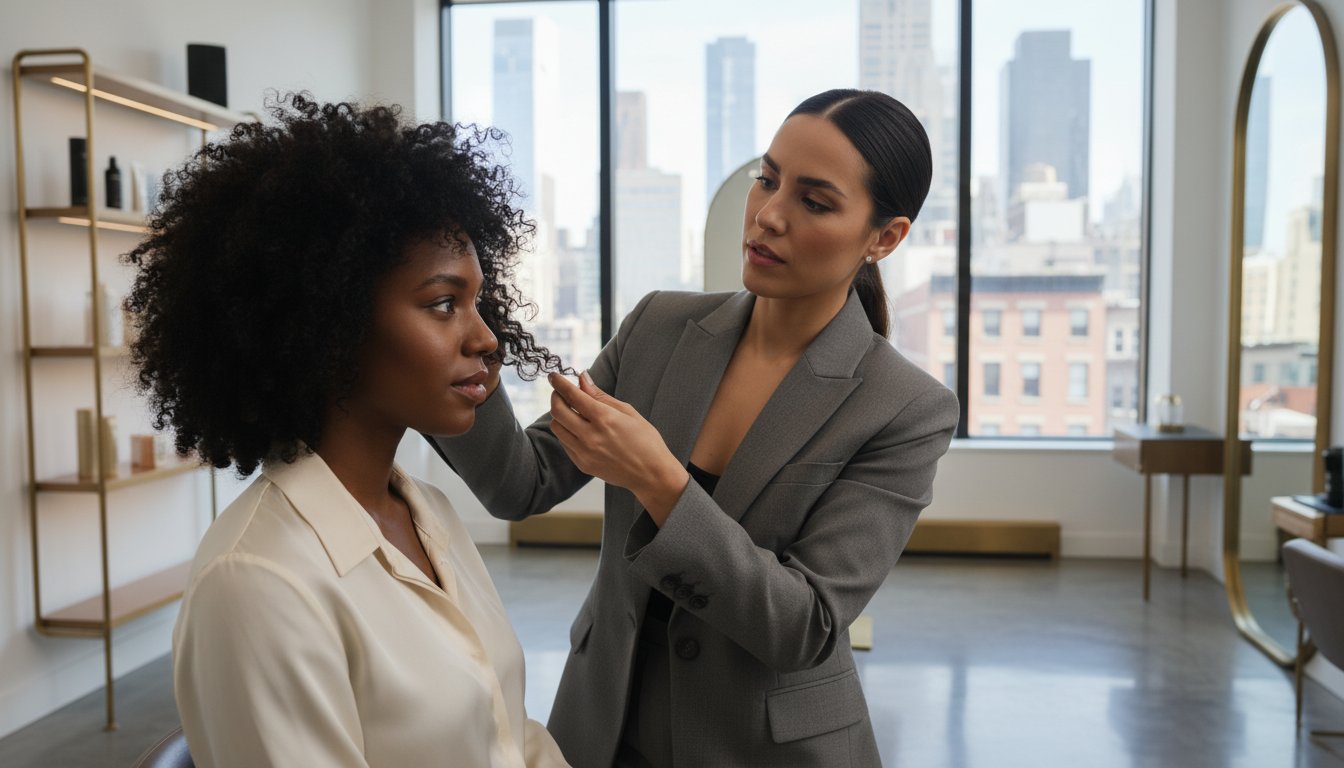
A flawless keratin treatment doesn’t actually begin at the backbar. It starts with a technical diagnostic that bridges the gap between a client’s complex chemical history and their daily lifestyle reality. Mastering specific client consultation questions for hair smoothing is the only way to ensure your $150 to $500 services deliver the 90% frizz reduction your clients crave without compromising hair integrity. In an industry where premium smoothing services are a significant investment, being a skilled stylist isn’t enough; you must be a technical authority.
You’ve likely felt the quiet tension of managing mismatched expectations or the genuine fear of hidden damage from a client’s previous chemical treatments. This article unlocks the professional framework used by elite Manhattan stylists to eliminate guesswork, justify premium pricing, and secure zero-fail results for every guest. You’ll learn the exact sequence of questions to ask, how to navigate the pending 2026 FDA regulations on formaldehyde, and the secrets to positioning modern systems like Hair Bar NYC’s Silk Touch as the ultimate professional standard. Prepare to transform your chair into a destination for lustrous, high-performance hair.
Key Takeaways
- Transform your consultation into a high-stakes technical diagnostic that prioritizes hair integrity and establishes your professional authority.
- Apply the “Three-Year Rule” to navigate a client’s chemical history; identifying hidden metallic dyes or previous bleach work is vital for a safe application.
- Master the critical client consultation questions for hair smoothing to map lifestyle factors, such as gym frequency and water exposure, to the ideal treatment formula.
- Clarify the distinction between total straightening and simple frizz control to manage expectations regarding hair volume and daily maintenance.
- Learn to present professional-grade solutions like the Hair Bar NYC Silk Touch system as the logical, high-performance conclusion to your technical assessment.
Why the Smoothing Consultation is Your Most Critical Step
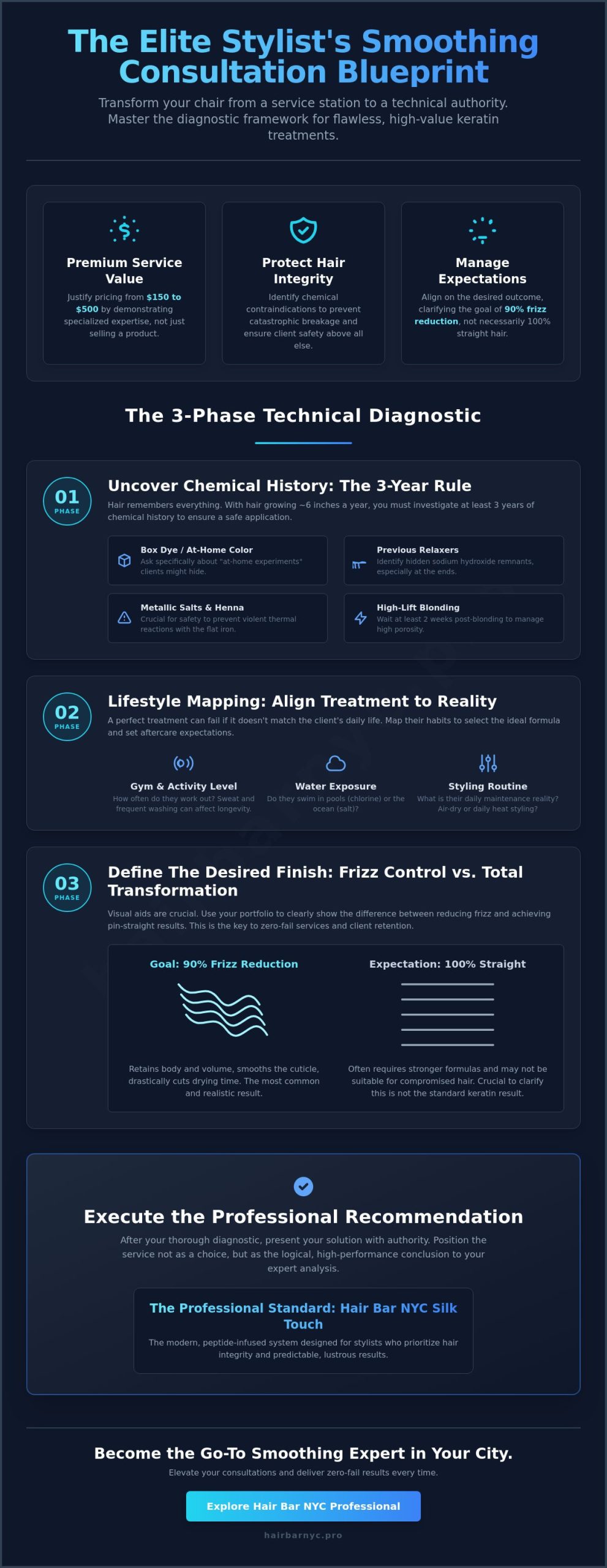
The professional smoothing consultation is far more than a polite pre-service chat; it’s a high-stakes risk assessment and technical diagnostic. When you’re performing treatments that can cost between $150 and $500, the margin for error is non-existent. You aren’t just managing frizz; you’re managing the delicate chemical bonds of the hair shaft. This phase is where you identify chemical contraindications that could lead to catastrophic breakage or underwhelming results. By asking the right client consultation questions for hair smoothing, you transition from being a service provider to a technical authority who protects the client’s hair integrity above all else.
This diagnostic process is the bedrock of your business. It justifies the premium pricing of professional-grade systems by demonstrating that the client is paying for your specialized expertise, not just a bottle of product. Understanding the landscape of various hair straightening techniques is essential for any professional aiming for elite results. Whether you’re working with a traditional keratin system or a modern, peptide-infused formula, the consultation allows you to screen for previous chemical history that the client might have forgotten. It’s your professional responsibility to be the gatekeeper of their hair health. Hair Bar NYC Professional sets this standard by treating every consultation as a scientific inquiry.
The Psychology of the Expert Stylist
Lead the conversation with the quiet confidence of a Manhattan expert. An elite stylist doesn’t wait for the client to dictate the service; they analyze the hair and provide a prescription. Move away from open-ended questions like “What do you want?” and embrace authoritative statements such as “Based on your texture, here is what your hair needs.” This shift in power dynamics builds an insider relationship. You’re offering professional-grade transparency that makes the client feel secure in your chair. When you speak with technical precision, the client stops questioning the price and starts valuing the transformation. Hair Bar NYC Professional empowers stylists to lead with this uncompromising quality.
Setting the Stage for Transformation
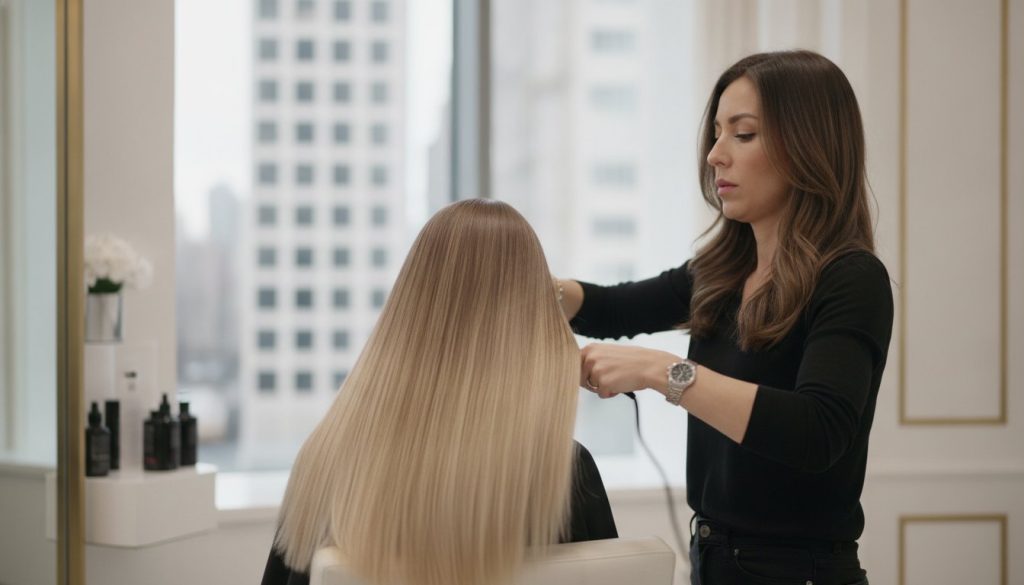
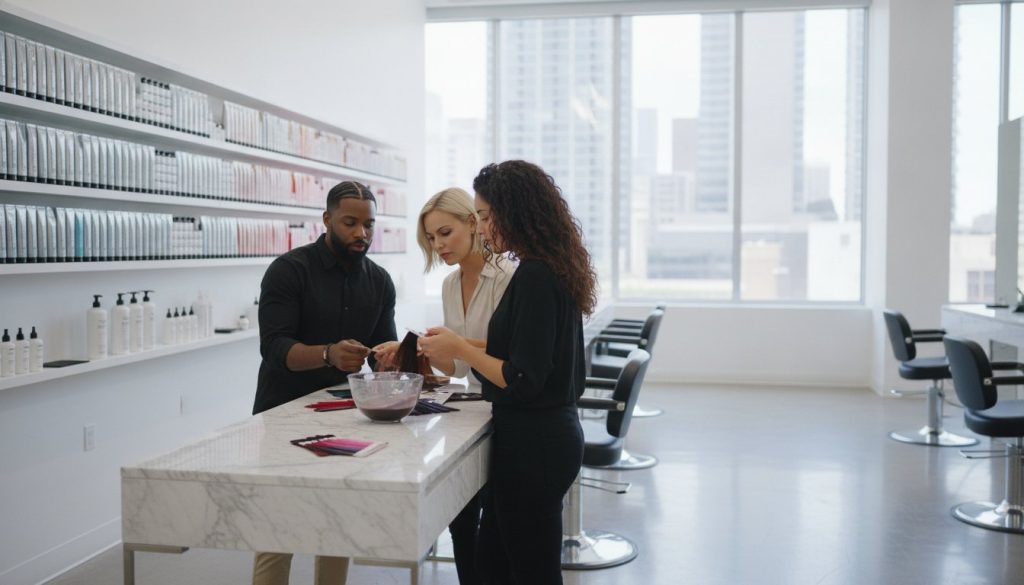
The environment where you conduct your consultation matters as much as the questions you ask. Choose a clean, well-lit diagnostic area away from the noise of blow-dryers to ensure your client feels heard. Perform a tactile analysis; run your fingers through the hair to assess density, porosity, and elasticity. Use this time to show before and after portfolios of your own work. Visual aids are crucial for aligning on results. If a client expects 100% pin-straight hair but their hair history only allows for 90% frizz reduction, you must clarify that now. Setting these boundaries ensures a zero-fail result and long-term retention.
Uncovering Chemical History: Technical Questions for Hair Integrity
Professional smoothing is a science of layers. While many industry guides suggest asking about the last few months of hair care, a true Manhattan expert knows that hair grows approximately six inches per year. If your client has shoulder-length hair, you’re looking at two to three years of accumulated chemical history. This is why the “Three-Year Rule” is non-negotiable. You must uncover every process that has touched the hair shaft, from that “one time” they used a box dye in 2024 to hidden relaxer remnants living at the ends. The hair doesn’t lie; it remembers.
Integrating precise client consultation questions for hair smoothing allows you to detect metallic salts or henna that could cause a violent thermal reaction when the flat iron hits the hair. Ask specifically about “at-home” experiments. Clients often hide these details out of embarrassment, but a professional-grade diagnostic requires total transparency. Probing for previous sodium hydroxide relaxers or metallic dyes is a matter of safety. If the hair’s tensile strength is already compromised by hidden chemicals, applying a high-heat smoothing treatment could lead to irreversible structural failure.
The Color Connection
Timing is everything when combining smoothing with professional pigment. Ask your client about recent high-lift blonding or double processes, as these services significantly increase hair porosity. You should generally wait at least two weeks between a heavy blonding session and a keratin treatment to ensure the cuticle can handle the process. For a deeper dive into how these services interact, consult The Ultimate Guide to Professional Hair Color. This resource helps explain the synergy between color-locking and keratin-infused systems, ensuring the vibrant results your clients expect from a premium NYC salon.
Identifying Structural Weakness
Determine the client’s daily heat habits by asking about the frequency and temperature settings of their home tools. Hair that is “protein-hungry” will feel mushy when wet, while “moisture-starved” hair feels brittle and straw-like. Perform the “Snap Test” during the conversation to demonstrate elasticity. Pull a single strand of hair; if it stretches and returns, it’s healthy. If it snaps instantly, the hair lacks the structural integrity for intensive heat. Before committing to a service, suggest a professional-grade prep treatment to fortify the hair’s internal bonds. This level of diagnostic detail establishes you as the expert who prioritizes health over a quick sale.
Lifestyle Mapping: Aligning Maintenance with Client Reality
Your client’s daily routine in the fast-paced energy of New York directly dictates the lifespan of their smoothing treatment. A technical diagnostic must account for the “Gym Factor” and the “Water Element” before the first drop of product is applied. Sweat contains sodium chloride, which acts as a natural abrasive against the keratin coating on the hair shaft. If your client hits a high-intensity workout five days a week, their results won’t last as long as someone with a more sedentary lifestyle. Integrating specific client consultation questions for hair smoothing allows you to identify these variables early, ensuring you select a formula robust enough to withstand their activity level.
Environmental exposure is another critical variable that competitors often overlook. Ask your client about their travel plans for 2026 or if they spend weekends at the Hamptons. Frequent exposure to chlorine or saltwater can degrade even the most premium systems in less than 30 days. Similarly, a client who lives in high-humidity climates requires a different level of saturation than someone in a dry, temperature-controlled office. By mapping these lifestyle realities, you move from a generic application to a bespoke professional prescription that protects the client’s investment.
The Maintenance Commitment
Longevity is a partnership between the stylist and the guest. You must explicitly ask about their current shower inventory to check for hidden sulfates or harsh detergents. Education is the bridge to retention; explain that professional-grade results require professional-grade maintenance. This is the perfect moment to discuss the necessity of hair care products for natural hair to support the post-treatment structure. Be clear about the styling expectations. Does the client want a “wash-and-wear” finish that dries in 10 minutes, or are they prepared for the 20-minute blow-dry required to activate certain thermal-response formulas?
Frequency and Longevity Goals
Manage the timeline from the start. While a high-performance treatment like LASIO can provide up to 90% frizz reduction for 4 months, the average lifespan of most smoothing services ranges from 1 to 6 months. Ask the client how often they expect to return. Most experts recommend waiting 4 to 6 months between full sessions to avoid over-proteinization. Emphasize the cumulative benefits; consistent keratin therapy builds upon itself, making the hair more resilient and easier to manage with each subsequent visit. This forward-thinking approach ensures your books stay full while your clients stay lustrous.
Defining the Desired Finish: Frizz Control vs. Total Transformation
While a client might show you a high-gloss photo of a celebrity, that image rarely communicates the mechanical reality of their hair texture. You must look past the visual and define the technical goal. Is the client seeking a total structural change to pin-straight hair, or are they simply looking to cut their blow-dry time in half while keeping their natural wave? Utilizing precise client consultation questions for hair smoothing allows you to distinguish between a smoothing service and a straightening service. This distinction is the difference between a satisfied regular and a client who feels their hair is too flat.
Address the Volume Level immediately. Many Manhattan clients want the lustrous, silky finish of a professional treatment but fear losing their natural body. Ask them: “On a scale of one to ten, how much of your original volume do you want to retain?” If they want to keep their bounce but eliminate the 90% of frizz caused by humidity, your application technique must change. You’ll need to focus on the mid-shaft to ends rather than saturating the roots. Managing the transition from previous treatments is equally vital. If they have six to twelve months of outgrowth, explain that a root touch-up typically costs 50% to 70% of the original service price to ensure a seamless blend between the old and new textures.
The Safety Conversation
Modern clients are more educated than ever about ingredients and health standards. As we navigate the industry shifts of 2026, you must proactively address concerns about fumes and harsh chemicals. This is the moment to highlight the professional move toward formaldehyde-free keratin treatments. Explain the science of how clean-beauty formulas, like those offered by Hair Bar NYC Professional, use botanical extracts and silk proteins to seal the cuticle. Being transparent about safety doesn’t just build trust; it establishes you as a chic, health-conscious expert who prioritizes the well-being of your guests.
Formula Selection Strategy
Once the goals are set, match the hair type to the specific professional-grade system. For clients with fine hair seeking a vibrant, weightless finish, the Silk Touch formula is the superior choice. For those with coarse, resistant curls requiring maximum control, the Diamond Keratin system provides the necessary structural reinforcement. Finalize the service price during this stage based on hair density and product usage to avoid surprises at the front desk. For a truly bespoke experience, discover our professional-grade smoothing systems and tailor your technique to the diagnostic data you’ve gathered. This level of precision ensures every Hair Bar NYC Professional transformation is both safe and breathtaking.
Executing the Professional Recommendation with Hair Bar NYC Professional
By the time you reach the recommendation phase, you’ve already utilized the most effective client consultation questions for hair smoothing to build a technical profile. Now, you must synthesize that data into a definitive professional prescription. Don’t simply offer a choice; provide the solution. For instance, if a client has high-lift color and a frequent gym routine, you’ll explain why the Silk Touch system by Hair Bar NYC Professional is the logical choice to preserve their vibrant tone while sealing the cuticle against humidity. This transition from diagnostic to recommendation is where you solidify your role as the Expert Stylist.
Summarize your findings with authority. Use a clear structure: “Based on your three-year chemical history and your daily swimming routine, I recommend the Diamond Keratin system.” This approach mirrors the efficiency of a Manhattan salon where time is the ultimate luxury. Explain that because their hair is “protein-hungry,” this specific formula will provide the structural reinforcement needed for a result that lasts the full four to six months. When you connect the science of the product to their specific lifestyle, the value of the service becomes undeniable under the Hair Bar NYC Professional standard.
The consultation isn’t complete without the post-care prescription. A professional smoothing treatment is an investment that requires specific maintenance to maintain its lustrous, silky finish. Bundle the required sulfate-free shampoos and keratin-infused conditioners into the total service plan. Remind the client that using standard retail products can strip the treatment in as little as two weeks. By providing the tools they need for the home bathroom phase, you ensure the longevity of your work and boost your salon’s retail revenue in one seamless motion.
The Professional Edge
Your authority as a smoothing expert is reinforced by the tools you use and the training you maintain. Using professional-grade equipment, such as the Silk Touch flat iron with its precise temperature control, is essential for protecting hair integrity during the sealing process. This isn’t just about the chemicals; it’s about the mechanical execution. Positioning your salon as the local authority on safe, high-performance smoothing means staying uncompromising on quality. Consistent training on revolutionary new formulas ensures you can always offer the most advanced, high-performance solutions available in 2026 through Hair Bar NYC Professional.
Finalizing the Appointment
Close the consultation with a clear, professional action plan. Secure the booking and provide a digital or printed list of pre-treatment instructions, such as arriving with clean hair or avoiding certain products 24 hours prior. Documentation is your best defense against future complications; record the client’s hair porosity, previous chemical history, and the specific formula used in your salon software. Finally, encourage social proof by asking for a before photo. This not only documents the starting point for your technical records but builds excitement for the dramatic transformation that is about to occur.
Master the Art of the Manhattan Transformation
Your mastery of the chair depends on the ability to decode the hair’s past while predicting its future. By implementing a rigorous diagnostic framework, you move beyond simple service to become a technical authority in the elite world of hair care. You now understand that the “Three-Year Rule” for chemical history and the assessment of daily lifestyle factors are the true secrets to zero-fail results. These strategic client consultation questions for hair smoothing ensure that every guest leaves with the lustrous, high-performance hair they expect from a premier NYC stylist.
Success in 2026 requires more than just technical skill; it requires a commitment to safety and revolutionary innovation. Transitioning to modern, high-performance systems allows you to deliver up to 90% frizz reduction while maintaining the highest health standards. Elevate your salon with Hair Bar NYC Professional Smoothing Systems and gain access to vegan, formaldehyde-free formulas that are NYC Stylist-approved. These professional-grade results for all hair types empower you to revitalize any texture with absolute confidence. It’s time to claim your status as a smoothing expert and transform your business into a destination for luxury hair health.
Frequently Asked Questions
What are the most important questions to ask before a keratin treatment?
The most critical queries focus on chemical history and lifestyle habits. You must ask about the “Three-Year Rule” to identify any permanent chemicals remaining on the hair shaft. Additionally, determine their “Gym Factor” by asking how many times per week they sweat or wash their hair. These specific client consultation questions for hair smoothing allow you to choose between a moisture-rich or a high-strength protein formula.
How do I know if a client is a good candidate for hair smoothing?
A good candidate possesses hair with sufficient tensile strength and realistic expectations for frizz reduction. Perform a “Snap Test” to ensure the hair has at least 20% elasticity. If the hair is overly mushy or snaps instantly, they need a repair treatment first. Ideal candidates are those seeking to reduce daily styling time by 50% while maintaining a lustrous, silky finish.
Can I perform a smoothing treatment on heavily bleached hair?
Yes, but you must use a formula specifically designed for high-porosity strands, such as Silk Touch. Heavily bleached hair often lacks the internal structure to support high-heat keratin systems. Ensure the flat iron temperature does not exceed 380 degrees Fahrenheit to prevent thermal damage. A technical diagnostic is essential to determine if the hair can handle the mechanical sealing process required for a 90% frizz reduction.
How do I explain the difference between keratin and a Brazilian blowout?
Explain that while both are smoothing services, traditional keratin treatments often require a 72-hour wait period before washing, whereas modern systems allow for immediate rinsing. A Brazilian blowout typically offers more customization regarding curl retention. In contrast, professional-grade keratin systems focus on infusing the hair with botanical extracts and silk proteins for long-term repair. Use these distinctions to align with their desire for either total transformation or simple volume control.
What lifestyle factors affect the longevity of a smoothing treatment?
Longevity is primarily dictated by exposure to sodium chloride and harsh sulfates. Frequent swimmers in salt water or chlorine will see their results fade 30% faster than average. High-intensity athletes who sweat daily also face shorter treatment lifespans. Educating the client on using sulfate-free, professional-grade shampoos is the only way to ensure their silky results last the full 4 to 6 months.
How should I handle a client who has used at-home box dye recently?
You must wait at least 14 days after a box dye application before performing a smoothing service. At-home dyes often contain metallic salts that can cause a dangerous thermal reaction with professional-grade flat irons. Ask the client for the specific date of their last application. If the hair feels brittle or shows uneven tone, perform a strand test first to guarantee a safe, zero-fail transformation.
What are the red flags to look for during a smoothing consultation?
Zero elasticity and a strong chemical odor when the hair is damp are major red flags. If the hair doesn’t return to its original shape after a gentle stretch, it’s structurally compromised. Another warning sign is “hidden” relaxer outgrowth; if the ends are pin-straight while the roots are textured, ask deeper client consultation questions for hair smoothing to uncover previous hydroxide treatments. Proceeding on compromised hair risks significant breakage.