Salon Liability: A Stylist’s Guide for 2026
A single chemical service gone wrong can jeopardize years of reputation building; yet the safety net protecting your craft is often the part of your business you understand the least. Imagine a client walks in for a high-stakes transformation, but instead of walking out with a radiant glow, they experience a severe scalp reaction or chemical breakage. For any elite stylist, this isn’t just a bad day. It’s a potential legal crisis that could dismantle everything you’ve built. Understanding liability for salon services is no longer a secondary business skill; it’s a foundational requirement for operating in 2026.
You’ve likely felt that surge of anxiety when applying a potent formula, wondering if your insurance actually covers a specific ingredient reaction or if you’re personally exposed. We’re going to demystify these professional complexities so you can focus on artistry without the weight of legal uncertainty. You’ll learn the critical distinctions between professional and general liability, how to implement airtight risk-mitigation protocols, and why choosing advanced, formaldehyde-free solutions like our Silk Touch line is your best defense against service-related claims. This guide empowers you to lead your salon with the confidence that only comes from true professional protection.
Key Takeaways
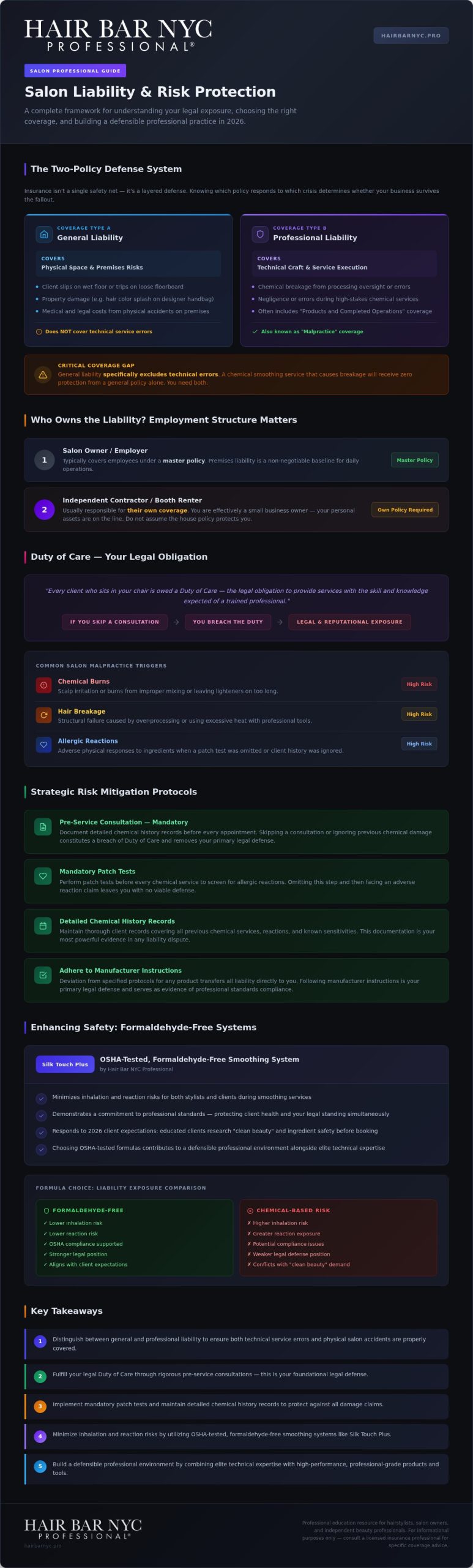
- Distinguish between general and professional liability to ensure both technical service errors and physical salon accidents are properly covered.
- Master the essential protocols for understanding liability for salon services by fulfilling your legal Duty of Care through rigorous pre-service consultations.
- Implement airtight risk-mitigation strategies, including mandatory patch tests and detailed chemical history records, to protect against damage claims.
- Minimize inhalation and reaction risks for both stylists and clients by utilizing OSHA-tested, formaldehyde-free smoothing systems like Silk Touch Plus.
- Build a defensible professional environment by combining elite technical expertise with high-performance, professional-grade products and tools.
Defining Professional Liability in the Modern Salon Environment
The chair is a sanctuary. It’s also a legal zone. Every time you pick up a tint brush or a flat iron, you’re entering a contract of trust. Professional liability, often referred to as malpractice, centers on the technical standard of care you provide. For stylists, professional liability insurance acts as a shield against claims of negligence or errors that occur during high-stakes chemical services. Salon liability is the professional responsibility for the physical outcome of a beauty service.
Every client who sits in your chair is owed a “Duty of Care.” This is the legal obligation to provide services with the skill and knowledge expected of a trained professional. If you skip a consultation or ignore a history of previous chemical damage, you’re breaching this duty. The cost of such negligence goes beyond a refund or a settlement. In a metropolitan market, a single negative viral post can do more damage to your brand reputation than any legal fee. Understanding liability for salon services is essential for protecting your livelihood.
Ownership of liability depends heavily on your employment structure. Salon owners typically cover employees under a master policy. However, independent contractors and booth renters are usually responsible for their own coverage. Don’t assume the house policy protects you. If you’re an independent professional, verifying your personal coverage is a non-negotiable step in understanding liability for salon services. You are effectively a small business owner, and your assets are on the line.
The Scope of Salon Malpractice
Malpractice in the salon isn’t always about a catastrophic error. It often stems from small oversights that lead to physical harm. Common areas of concern include:
- Chemical burns: Scalp irritation or burns resulting from improper mixing or leaving lighteners on too long.
- Hair breakage: Structural failure caused by over-processing or using excessive heat with professional tools.
- Allergic reactions: Adverse physical responses to ingredients when a patch test was omitted or a client’s history was ignored.
Why Professional Standards Matter in 2026
Clients in 2026 are highly educated on ingredient safety. They research “clean beauty” and expect stylists to know exactly what’s in every bottle. Adhering to manufacturer instructions isn’t just about the result; it’s your primary legal defense. If you deviate from the specified protocol for a product like Silk Touch Plus, you’re assuming all the risk. Using OSHA-tested, formaldehyde-free systems demonstrates a commitment to professional standards that protects both your client’s health and your legal standing.
Professional vs. General Liability: Navigating the Coverage Landscape
Insurance isn’t a singular safety net. It’s a layered defense system. For the expert stylist, understanding liability for salon services means knowing exactly which policy responds when a crisis occurs. Mistakes happen even in the most elite environments. Whether it’s a physical accident in the lobby or a technical error at the color bar, the distinction between general and professional coverage determines if your business survives the fallout.
General Liability: The Physical Space
General liability focuses on the “premises” and the non-technical risks of running a high-traffic urban business. If a client trips over a loose floorboard or slips on a freshly mopped shampoo station, this policy handles the medical and legal costs. It also extends to property damage. Imagine a stray splash of G&C Professional Hair Color landing on a client’s designer handbag; general liability is what covers the replacement of that luxury item. For owners in metropolitan settings, premises liability is a non-negotiable baseline for daily operations.
Professional Liability: The Technical Execution
Professional liability is where your craft is protected. It’s important to realize that general liability specifically excludes technical errors. If a chemical smoothing service results in breakage because of a processing oversight, your general policy won’t offer a cent of protection. You need professional liability to cover technical malpractice. This often includes “Products and Completed Operations” coverage, which protects you if a reaction occurs days after the client has left the salon.
Top-tier professionals mitigate these technical risks by investing in superior technology. Using precision tools like ORYA Ionic Flat Irons provides consistent, monitored heat distribution that significantly reduces the margin for thermal damage. Furthermore, maintaining a defensible standard of care involves following OSHA personal protective equipment guidelines during every chemical application. These protocols prove you’ve taken every reasonable step to ensure client safety.
Product liability is the final piece of the puzzle. If a client has an adverse reaction to a retail product you’ve recommended for home care, you could be held responsible. Many savvy salon owners bundle these various protections into a comprehensive Business Owners Policy (BOP). This streamlines your administrative load while providing a 360-degree shield for your brand. To further insulate your business from technical errors, consider upgrading your station with our professional tool collection designed for precision and safety.
Managing Risks in High-Performance Chemical Services
High-performance chemical services represent the pinnacle of salon artistry and the peak of professional risk. When you offer transformative smoothing or advanced color, you’re handling complex chemical reactions that require extreme precision and transparency. Understanding liability for salon services in this category isn’t just about your insurance policy; it’s about the chemistry in your bowls. Your choice of formula dictates your legal exposure, especially regarding air quality and structural hair integrity.
Formaldehyde Exposure and OSHA Compliance
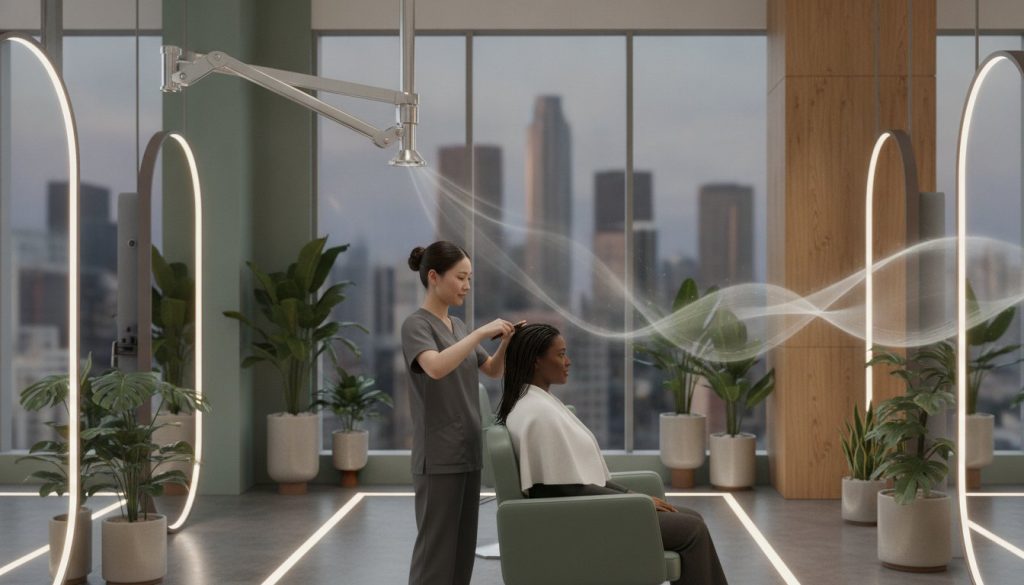
Traditional keratin treatments often rely on formaldehyde or its derivatives to cross-link hair fibers. The toxic fumes released during the flat-ironing stage create significant inhalation liability for both the stylist and the client. In a modern urban salon, failing to meet air quality standards is a fast track to regulatory fines and reputation-damaging lawsuits. Transitioning to formaldehyde-free keratin treatments like Silk Touch Plus is the most effective way to eliminate these toxic risks. Our Silk Touch system is OSHA-tested to ensure it meets rigorous safety standards, providing a defensible environment for your team. Beyond the formula, ensure your salon ventilation aligns with OSHA personal protective equipment standards to maintain a professional atmosphere that prioritizes health as much as beauty.
Topical Repair vs. Medical Claims
Confusion often arises between cosmetic treatments and medical procedures, particularly with services like Diamond Botox Hair Repair. Clearly define this service as a topical, nutrient-based ampule designed for cosmetic enhancement, not a medical injectable. You must educate clients that Diamond Botox provides a temporary infusion of hydration and repair that lasts up to 5 weeks. Avoid using language that suggests permanent structural changes or biological “cures.” Claims like “revives lifeless hair instantly” are effective cosmetic promises, but they must be grounded in the reality of a topical application. Maintaining this distinction prevents the type of “medical malpractice” confusion that can lead to insurance exclusions.
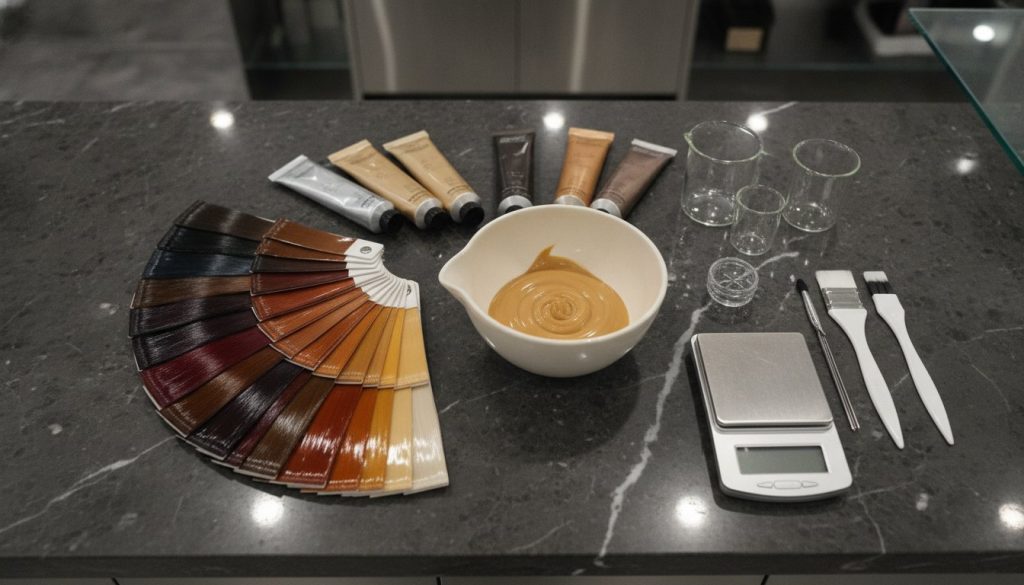
Risk management also extends to your color bar. G&C Professional Hair Color utilizes M.A.B. Technology, which lightens and deposits pigment simultaneously. This efficiency reduces the total time hair is exposed to chemical stress. It lowers the probability of over-processing and subsequent damage claims. By choosing systems that prioritize hair health, you build a business that is as resilient as it is beautiful.
Strategic Risk Mitigation: Protocols, Consultations, and Record-Keeping
Risk management is a proactive discipline. It transforms from a vague concept into a concrete business asset when you implement rigorous operational standards. Understanding liability for salon services involves more than just selecting the right policy. It’s about building a defensive perimeter around your technical execution through obsessive documentation and standardized protocols. If a service result is ever questioned, your defense will rest entirely on the quality of your pre-service data and the consistency of your application.
The Professional Consultation Framework
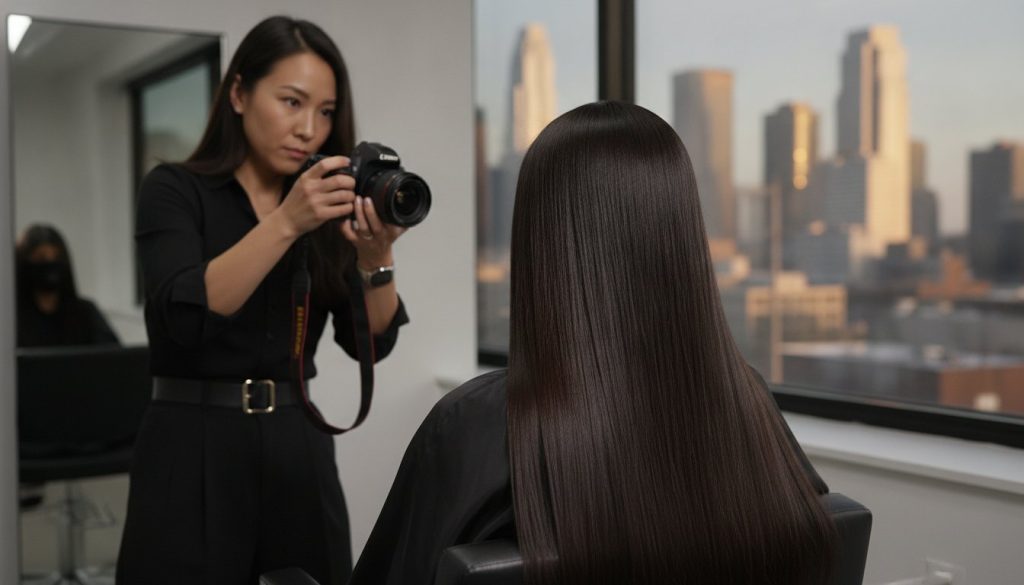
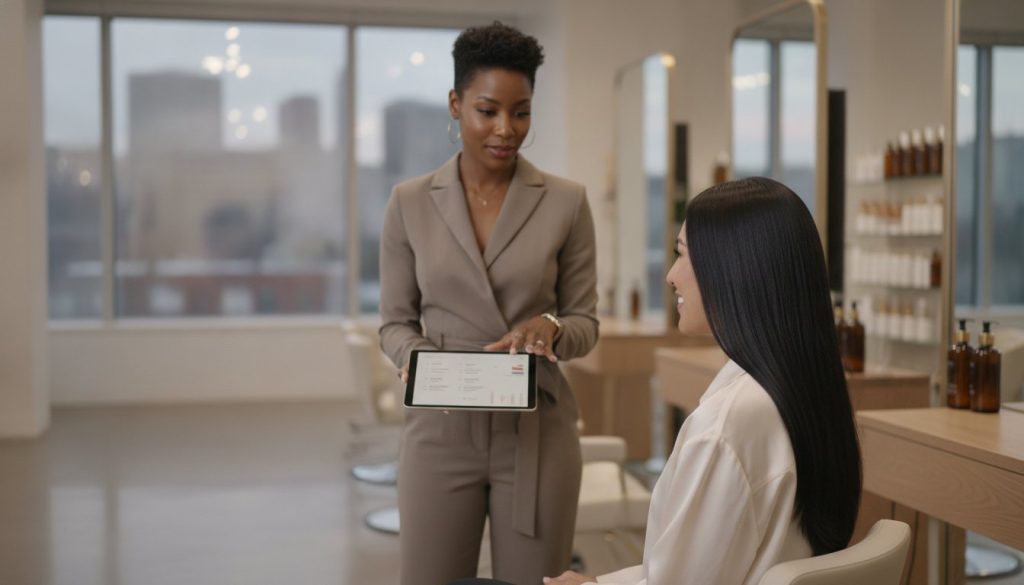
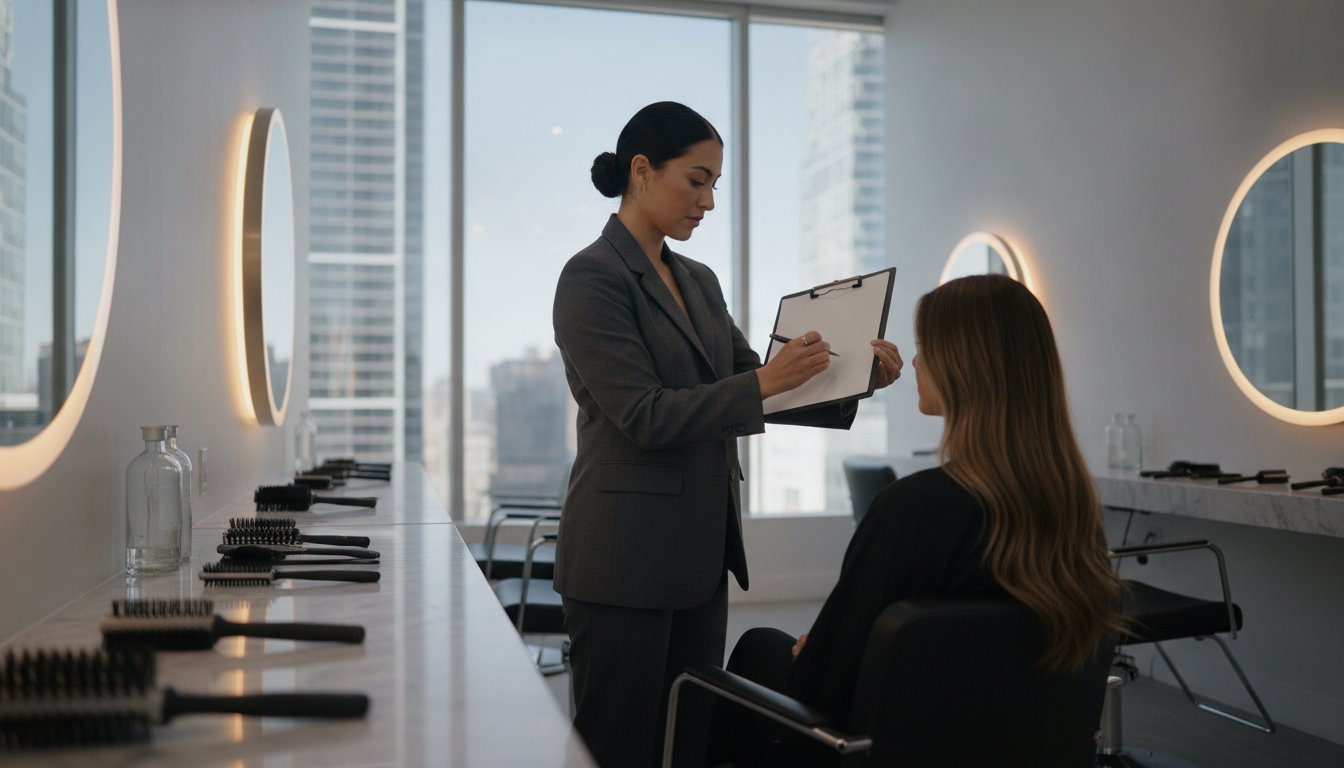
The consultation is your first line of defense. You must move beyond aesthetic goals to perform a deep-dive analysis of the hair’s physical state. This includes a tactile assessment of porosity, elasticity, and tensile strength. If you identify “Red Flag” hair, such as strands that are highly porous or chemically compromised, you must adjust your strategy immediately. These hair types often require lower heat settings or modified processing times to maintain integrity.
You should also record the client’s commitment to professional maintenance. If they refuse a recommended aftercare system like Silk Touch Keratin Infused Shampoo, this refusal should be noted in their profile. A signed consultation form is the stylist’s primary evidence of professional due diligence. This document proves you informed the client of potential risks and assessed their hair’s suitability for the treatment before the first drop of product was applied.
Standardized Technical Protocols
Technical consistency is your greatest legal ally. Deviating from established processing times or heat settings creates an opening for negligence claims. When using Silk Touch Plus, always adhere to the 20-30 minute processing window. Precision is equally vital during the thermal stage. Use temperature tables to match heat settings to hair density and condition, typically ranging from 350°F for fragile hair to 450°F for coarse, resistant types. Following these exact specifications ensures you remain within the safety parameters established by the manufacturer.
Digital record-keeping is the modern standard for elite salons. Store every formula used, the exact heat setting on your iron, and the processing duration in a secure database. This data trail allows you to replicate successful results and provides an objective history if a client reports an issue later. Adhering strictly to manufacturer instructions ensures that the product’s safety testing remains valid for your specific application. To equip your station with the formulas and tools needed for these high-performance protocols, browse our professional collection today.
Enhancing Safety with Professional-Grade, Formaldehyde-Free Systems
Choosing superior ingredients isn’t just about the final aesthetic; it’s a strategic business decision. High-performance salons mitigate risk by removing the most common sources of technical failure and health complaints before a client ever sits in the chair. Understanding liability for salon services requires a deep look at the material safety data sheets of every product you stock. By transitioning to clean, professional-grade systems, you create a safer environment for your team and a more trustworthy experience for your discerning clientele.
The Silk Touch Advantage
Standard keratin treatments often introduce inhalation risks that are difficult to manage even with perfect ventilation. Our Silk Touch and Silk Touch Plus formulas are OSHA-tested to ensure they eliminate the toxic fume liability entirely. Silk Touch Plus is 100% vegan and plant-based, which aligns with the high standards of the modern, health-conscious client. These systems don’t just protect health; they improve efficiency. By reducing styling time by up to 90%, you minimize the cumulative heat exposure risks associated with long ironing sessions. The result is a high-performance transformation that remains vibrant for up to 6 months without the use of harsh, regulated chemicals.
Professional Aftercare as Insurance
The work you do in the chair is only half the battle. Post-service complaints often stem from improper at-home maintenance, which can lead to premature fading or structural stress. You can significantly reduce these issues by positioning the Ultimate Repair System as a mandatory part of the service protocol. Sodium-chloride-free products are essential for maintaining the integrity of a keratin treatment. When clients use sulfate-free and keratin-infused maintenance, they’re protecting their investment and your professional reputation. Understanding liability for salon services means recognizing that your responsibility extends to the products you recommend for the home.
Hair Bar NYC Professional acts as more than a supplier. We’re a partner in your salon’s safety and excellence. By providing formulas that are rigorously tested and ethically sourced, we help you master the complexities of modern salon operations. Your artistry deserves the protection of elite-level science. Explore the Hair Bar NYC Professional collection to discover how low-risk, high-performance solutions can elevate your professional standard.
Securing Your Professional Legacy
Protecting a salon business in 2026 requires a fusion of airtight documentation and the selection of scientifically superior products. By mastering the nuances of professional coverage and implementing rigorous consultation protocols, you eliminate the ambiguity that often leads to legal exposure. Mastering the complexities of understanding liability for salon services transforms your business from a vulnerable operation into a resilient, high-performance brand. Your expertise deserves a safety net that is as sophisticated as your artistry.
Leveraging OSHA-tested, formaldehyde-free formulas allows you to deliver elite transformations without compromising the health of your team or clients. It’s time to elevate your professional standards with tools and treatments designed for the modern expert. Licensed professionals receive 15% off their first order, and we provide free shipping on all orders over $250. Discover high-performance, low-risk keratin systems at Hair Bar NYC Professional and build a business that is as secure as it is beautiful. Your journey toward uncompromising excellence starts with the right partners.
Frequently Asked Questions
What is the difference between general liability and professional liability for hair salons?
General liability protects against “slip and fall” accidents or property damage within your salon’s physical environment. Professional liability specifically addresses technical errors or malpractice occurring during a service. Understanding liability for salon services requires recognizing that a standard policy won’t cover a botched chemical treatment. You need both to ensure your business is shielded from both physical hazards and professional technical oversights.
Can a salon owner be held liable for an independent contractor’s mistakes?
Salon owners can often be held liable for an independent contractor’s mistakes through the principle of vicarious liability. While contractors should carry their own professional policies, a client may still sue the salon entity for failing to maintain safety standards. It’s critical to verify that every professional operating in your space has active coverage and follows the same rigorous safety protocols as your employees to minimize collective risk.
Is a patch test legally required before a color or keratin service?
While specific state laws vary, performing a patch test is considered a mandatory professional standard of care and is often a requirement for insurance coverage. Skipping this step significantly weakens your legal defense if an allergic reaction occurs. Always document the results of a patch test in the client’s digital record to prove you exercised due diligence before beginning any high-performance color or smoothing service.
Does salon insurance cover chemical damage caused by manufacturer instructions?
Most professional liability policies cover chemical damage if you followed the manufacturer’s instructions exactly. If you deviate from the specified processing times or temperatures, such as those for Silk Touch Plus, your insurance provider may deny the claim. Adhering to the exact technical protocols provided by Hair Bar NYC Professional is your most effective legal protection against technical accidents and subsequent financial loss.
How long should I keep client consultation and service records for liability purposes?
You should retain client consultation and service records for at least three to seven years, depending on your state’s statute of limitations for personal injury claims. These records should include chemical history, formulas used, and specific heat settings. Digital storage is the most efficient way to maintain this data trail, ensuring you have the evidence needed to prove professional due diligence if a claim arises years later.
What happens if a client has an allergic reaction to a formaldehyde-free treatment?
An allergic reaction to a formaldehyde-free treatment still falls under professional liability. While products like Silk Touch Plus eliminate toxic fume risks, clients can still have sensitivities to botanical or plant-based ingredients. This is why understanding liability for salon services must include a thorough consultation and patch test. Even clean beauty formulations require professional oversight to ensure a safe and successful transformation for every client.
Is it necessary to have products and completed operations coverage?
Yes, products and completed operations coverage is essential because it protects you from claims that arise after the client has left the salon. For instance, if a client experiences delayed hair breakage two days after a keratin service, this specific coverage responds. Without it, your liability protection might only apply to incidents that occur while the client is physically sitting in your chair during the application.
How does using vegan hair products impact my salon’s liability profile?
Utilizing 100% vegan and plant-based products like Silk Touch Plus significantly improves your salon’s liability profile by removing toxic substances like formaldehyde. This reduction in chemical exposure lowers the risk of respiratory issues for your staff and severe chemical burns for your clients. While it doesn’t eliminate all liability, it demonstrates a commitment to modern safety standards that insurers and clients both value highly.