The Best Professional Hair Color for Sensitive Scalp: A 2026 Expert Guide
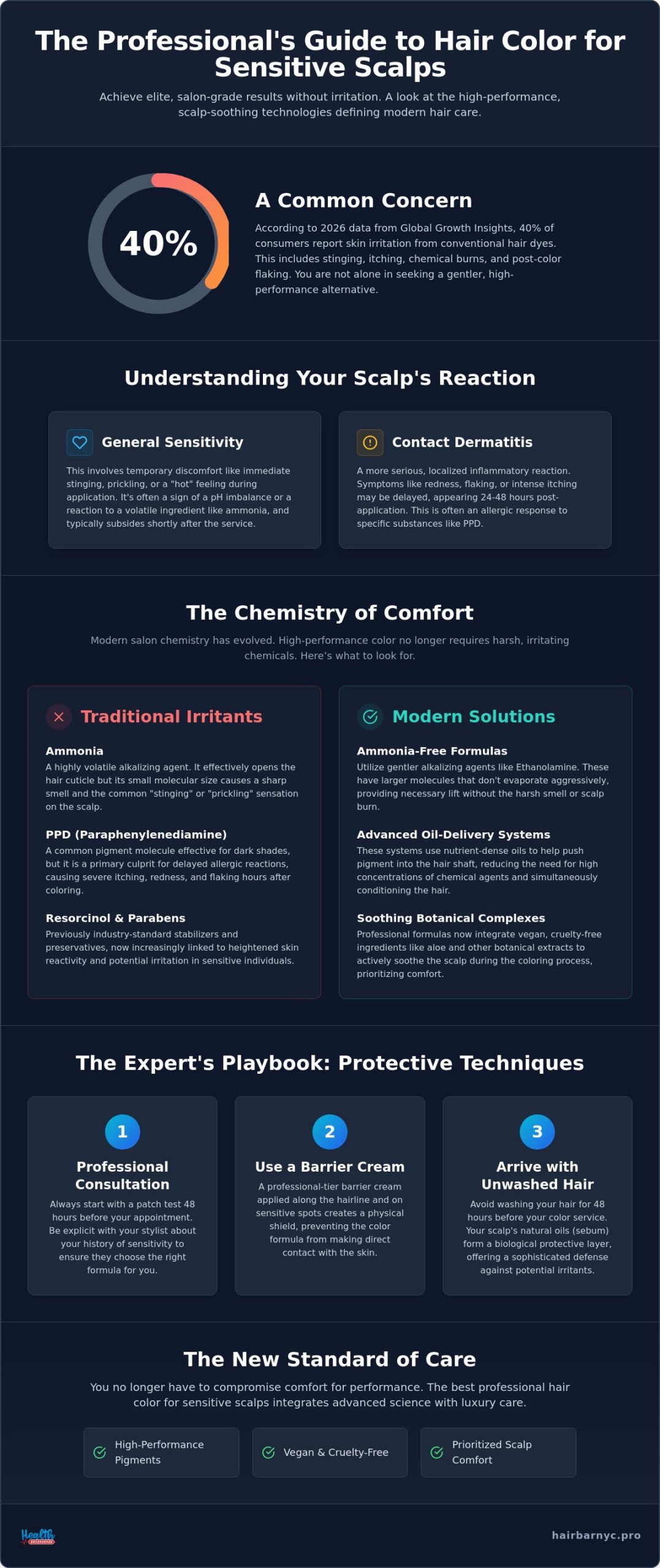
According to 2026 data from Global Growth Insights, 40% of consumers report skin irritation from conventional hair dyes. If you’ve ever suffered through the sting of a chemical burn or the persistent itch of post-color flaking, you know that finding the best professional hair color for sensitive scalp is about more than just aesthetics. It’s a common fear that opting for a gentler approach means sacrificing the vibrant, long-lasting results you expect from a high-end salon visit.
You shouldn’t have to compromise your comfort for professional-tier excellence. Discover how to achieve elite, salon-grade color results without the irritation through professional-tier formulas designed specifically for reactive skin. We’ll examine the impact of the latest EU ingredient regulations and preview the high-performance, nutrient-dense technologies defining the 2026 landscape. Get ready to embrace a transformation that feels as good as it looks, moving beyond irritation into a new standard of expert care.
Key Takeaways
- Differentiate between contact dermatitis and general sensitivity to identify the most effective professional-tier approach for your reactive skin.
- Master the chemistry of irritation by learning why ammonia and PPD are the primary culprits behind scalp stinging and how modern alternatives maintain pigment integrity.
- Identify the best professional hair color for sensitive scalp by comparing the longevity and coverage of ammonia-free permanent formulas against traditional options.
- Elevate your coloring routine with expert application techniques, including the strategic use of barrier creams and biological oil layers to protect the skin.
- Discover how Color Bar Professional integrates vegan, cruelty-free ingredients to deliver high-performance salon results that prioritize your comfort.
Understanding Scalp Sensitivity in Professional Hair Coloring
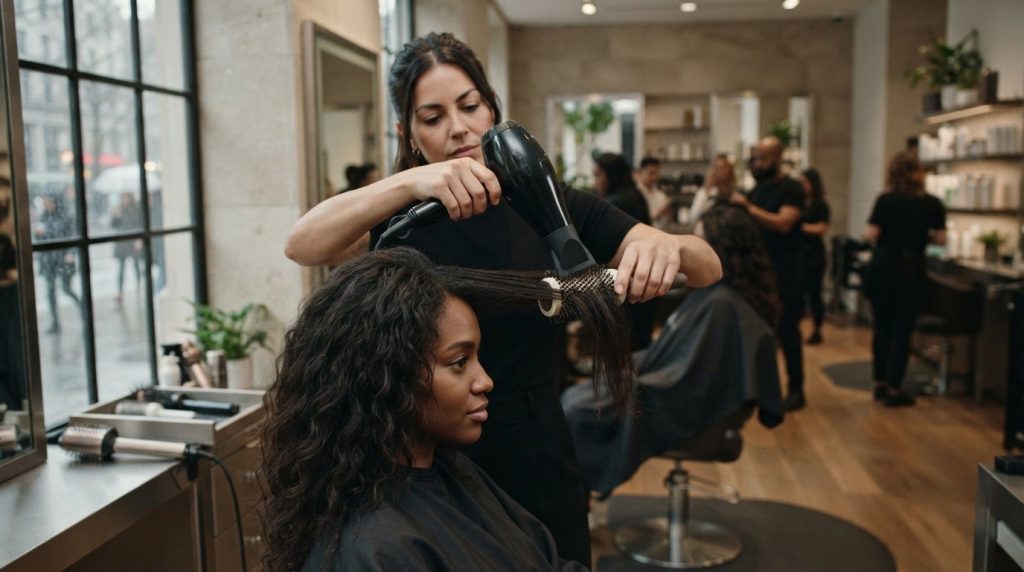
The rush of a high-end salon should feel like a luxury, not a liability. For many, that metropolitan energy is dampened by the immediate sting of traditional dyes. Understanding the nuances of your skin is the first step in identifying the best professional hair color for sensitive scalp. There’s a distinct difference between general sensitivity, which involves temporary discomfort, and contact dermatitis, which is a localized inflammatory reaction. While 40% of consumers report skin irritation from conventional dyes according to 2026 Global Growth Insights, the industry has responded with a new standard of excellence.
Modern 2026 formulations have moved beyond the aggressive chemistry of the past. We now prioritize the scalp barrier, a delicate lipid layer that prevents chemical absorption. When this barrier is compromised, even elite brands can cause distress. Advanced technology has revolutionized hypoallergenic professional formulations by incorporating soothing botanical complexes and stabilizing pH levels. This shift ensures that the coloring process remains a sensory pleasure rather than a test of endurance. By respecting the skin’s biological integrity, expert colorists can now deliver high-impact results without the compromise of pain.
Common Symptoms of a Reactive Scalp
Identifying a reaction requires a keen eye. An immediate prickling often signals a pH imbalance or sensitivity to ammonia. In contrast, delayed allergic reactions might not appear for 24 to 48 hours. This is why Understanding Hair Coloring chemistry is vital; substances like PPD can trigger late-stage flaking or redness. Don’t confuse product buildup with irritation. Buildup feels gritty and dull, while chemical irritation presents as heat, tightness, or visible inflammation. If you experience a persistent “burning” sensation, it’s often a sign that the formula is too alkaline for your specific skin profile.
The Importance of the Professional Consultation
Your stylist is your greatest ally in achieving a pain-free transformation. A patch test is a non-negotiable standard for any expert professional. It ensures your safety before the full application. When you sit in the chair, be explicit about your history. Mention past “hot” spots or post-salon itching. To prepare, avoid washing your hair for 48 hours before your appointment. This allows your natural oils to form a biological shield against the formula. This simple step, combined with a professional-tier barrier cream, creates a sophisticated defense for even the most reactive skin types.
The Science of Soothing: Ingredients to Avoid vs. Professional Alternatives
True luxury is never loud; it certainly shouldn’t sting. Identifying the best professional hair color for sensitive scalp requires a deep dive into the molecular trade-offs that define modern salon chemistry. Historically, permanent results relied on aggressive alkalizing agents and potent pigments that prioritized longevity over comfort. Guidelines on FDA Hair Dye Safety emphasize that while certain chemicals are necessary for permanent results, their concentrations must be strictly monitored to prevent adverse reactions. In 2026, the elite standard has shifted toward “clean” high-performance formulas that replace traditional irritants with sophisticated stabilizers.
Beyond the obvious culprits, professional-tier brands are now moving away from Resorcinol and Parabens. These stabilizers were once industry standards, but they’re increasingly linked to heightened skin reactivity. Today’s expert professional favors ethanolamine or advanced oil-delivery systems. These alternatives provide the necessary lift for pigment penetration without the volatile evaporation that triggers respiratory or skin distress. It’s a balance of science and sensory experience, ensuring your metropolitan lifestyle isn’t interrupted by the recovery time of a damaged scalp barrier.
The Problem with Traditional Ammonia
Ammonia has long been the industry’s workhorse for opening the hair cuticle. Its small molecular size allows it to penetrate deeply, but it also makes it highly volatile. This volatility is what causes that sharp, distinctive smell and the immediate prickling on the skin. A professional salon environment should smell of botanical luxury, not harsh chemicals. Modern alternatives use larger alkalizing molecules that don’t evaporate as aggressively, maintaining hair integrity while sparing your scalp from the traditional burn. This evolution is central to the performance of the Color Bar Professional range, which prioritizes a serene application process.
Sophisticated Soothing Agents in Modern Formulas
Modern professional color isn’t just about what’s missing; it’s about the nutrient-dense ingredients we add to protect the skin. Botanical extracts like aloe vera and chamomile are no longer just marketing buzzwords. They’re functional additives that actively calm the epidermis during the oxidation process. Keratin-infused formulas go a step further, rebuilding the hair’s structural bonds while creating a soothing cushion for the scalp. Sophisticated lipid-based delivery systems encapsulate color molecules, ensuring they penetrate the hair shaft while minimizing direct contact with the sensitive skin of the scalp. This bio-mimetic approach ensures that even the most reactive skin can enjoy high-fashion shades with total confidence.
Ammonia-Free vs. PPD-Free: Decoding Professional Options
Selecting the best professional hair color for sensitive scalp requires more than just reading a box label. It’s a sophisticated balancing act between chemical performance and epidermal safety. Many clients mistakenly believe that an ammonia-free label guarantees a reaction-free experience. This isn’t the case. While ammonia is primarily responsible for the immediate stinging and harsh odor, PPD (Paraphenylenediamine) is the frequent cause of long-term allergic contact dermatitis. Understanding how these two components interact is the hallmark of an expert colorist.
The performance trade-offs that once plagued “gentle” dyes have largely vanished. Modern professional lines now offer the same level of lift and tonal nuance as their traditional counterparts. Don’t be swayed by “all-natural” marketing claims that lack clinical backing. True safety for a reactive scalp comes from controlled, professional-grade chemistry that prioritizes your skin’s health. Expert colorists use these tools to build a customized profile for you, ensuring your metropolitan energy remains high and your scalp remains calm.
When to Choose Ammonia-Free Permanent Color
If your primary concern is respiratory comfort and immediate scalp prickling, ammonia-free formulas are your premier choice. By 2026, technology has advanced so that these formulas no longer compromise on vibrancy or gray coverage. They utilize ethanolamine, a less volatile alkalizer that stays liquid on the hair rather than evaporating into the air. This results in a serene, odorless salon visit that mirrors the luxury of a high-end spa. For a deeper look at the industry’s top performers, consult The Elite Guide to Professional Hair Color Brands. These professional-tier options ensure you achieve 100% coverage without the chemical aggression of the past.
Navigating PPD and PTD Sensitivities
For those with a true pigment allergy, the focus shifts to PPD-free alternatives. PPD is incredibly effective at binding color to the hair, but its small molecular size allows it to penetrate the skin easily. PPD Allergy Research indicates that PTD (Para-toluenediamine) is often a safer substitute for those seeking the best professional hair color for sensitive scalp. PTD molecules are larger and more complex. This increased molecular weight makes it significantly more difficult for the pigment to bypass your scalp’s protective barrier. It’s a chic, scientific solution for maintaining intense depth without the persistent itch.
Professional Application Techniques for Reactive Scalps
The secret to a comfortable color transformation lies in the invisible architecture of the application process. While selecting the best professional hair color for sensitive scalp is vital, how that formula meets your skin determines the final experience. We often hear the “dirty hair” myth, but there’s scientific truth behind it. Your natural sebum creates a biological acid mantle that acts as a primary defense against chemical penetration. Elite stylists recommend arriving with hair unwashed for 48 hours to ensure this shield is intact.
Beyond natural oils, a professional-tier barrier cream is essential. Apply these rich, lipid-heavy formulas along the hairline, ears, and nape of the neck. This prevents staining and provides a secondary physical layer against the oxidative process. Precision sectioning further minimizes product-to-skin contact, ensuring the pigment stays on the hair shaft where it belongs. This meticulous approach is what separates a standard service from an elite salon experience.
The Step-by-Step Sensitive Application Protocol
Start every session with a protective scalp primer. This specialized oil-based treatment calms the skin before the first brush stroke. Expert colorists then utilize “zone coloring” techniques. By applying a higher concentration of pigment to the mid-lengths and ends while using a more diluted, gentle formula near the roots, they reduce the chemical load on the scalp. Monitoring processing time is equally critical. Leaving color on too long doesn’t improve the result; it only increases the risk of irritation. Every second is calculated to ensure maximum vibrancy with minimum exposure.
Post-Color Care to Prevent Irritation
Rinse with cool water to immediately seal the hair cuticle and soothe the skin. This temperature shift stops the oxidation process and locks in vibrancy. Aftercare is where you maintain the results. Sulfate-free shampoos like Silk Touch Shampoo are non-negotiable for preserving the scalp’s moisture balance. For those with textured hair, our Hair Care Products for Natural Hair guide offers deeper insights into maintaining scalp health. Finish with a professional gloss to seal the hair and provide a reflective, high-end finish. Explore our professional-tier aftercare essentials to protect your investment and maintain your scalp’s comfort.
The Color Bar Professional Solution: Luxury Performance for Sensitive Skin
The search for the best professional hair color for sensitive scalp often ends at the intersection of high-fashion results and dermatological safety. Color Bar Professional represents this pinnacle of salon excellence. We’ve curated a range that mirrors the fast-paced, uncompromising energy of an upscale urban salon while maintaining a strict commitment to clean beauty. By integrating high-performance pigments with skin-soothing stabilizers, we’ve created a system that elite stylists in NYC and Florida rely on for their most discerning, reactive clients. It’s no longer about choosing between the shade you desire and the comfort you deserve.
What truly sets our system apart is the intentional synergy between smoothing treatments and pigment longevity. While many competitors overlook how chemical smoothing affects color-treated skin, we’ve bridged that gap. Our formulas work in tandem with the Silk Touch Keratin Treatment to ensure the hair fiber is reinforced before, during, and after the coloring process. This holistic approach prevents the structural depletion that often leads to scalp irritation, creating a resilient environment where color can thrive without causing distress. It’s a professional standard of excellence designed for those who refuse to settle for anything less than perfection.
Why Our Formulas Stand Apart
Our vegan, cruelty-free formulas prioritize scalp integrity by removing the harsh sulfates and parabens that typically trigger post-color flaking. Instead, we infuse our Color Bar Professional Hair Color with keratin to maintain hair health from the inside out. This isn’t just about surface-level shine. It’s about rebuilding the hair’s structural bonds while delivering 100% gray coverage with a sophisticated, gentle touch. You’ll achieve deep, multi-dimensional tones that stay vibrant longer, all while your scalp remains calm and hydrated. It’s the technical performance of a traditional permanent dye with the sensory experience of a luxury treatment.
Elevating Your Salon Experience
Transforming your hair color shouldn’t feel like a chore or a risk. It should be a restorative ritual. To maintain that high-end finish at home, our professional tools are essential. Utilizing the Silk Touch Shampoo ensures your color remains locked within the cuticle while the scalp is cleansed with metropolitan efficiency. This specialized aftercare routine extends the life of your professional service and reinforces the protective barrier we’ve worked so hard to build. Don’t let sensitivity dictate your style. Shop the Color Bar Professional collection for your salon or home and experience the future of elite, irritation-free hair care.
Embrace the Future of Irritation-Free Luxury
The evolution of hair chemistry in 2026 has finally bridged the gap between high-fashion vibrancy and reactive skin safety. By mastering the nuances of ammonia-free and PPD-free formulations, you can now enjoy elite results without the shadow of chemical burns or persistent itching. Choosing the best professional hair color for sensitive scalp isn’t just about what’s missing from the tube; it’s about the sophisticated, nutrient-dense ingredients that actively protect your scalp barrier during every transformation.
Trusted by elite stylists across New York and Florida, our systems prioritize high-performance results with a conscience. These vegan and cruelty-free formulas are meticulously crafted without harsh sulfates or formaldehyde to ensure your comfort remains as high as your standards. Explore the Color Bar Professional Collection to discover how we’ve redefined the coloring experience for the modern, discerning client. You deserve a look that reflects your metropolitan energy while respecting your skin’s biological needs. Your journey to flawless, irritation-free color starts today.
Frequently Asked Questions
Can I still get 100% gray coverage with a sensitive scalp hair color?
Absolutely. Modern 2026 formulations have mastered the art of full opacity without the traditional chemical aggression. By utilizing advanced oil-delivery systems and ethanolamine, these formulas saturate the hair shaft with pigment while remaining gentle on the epidermis. You don’t have to sacrifice your aesthetic for comfort; elite lines now deliver the same depth and longevity as conventional permanent dyes.
What is the most common ingredient in hair dye that causes scalp irritation?
PPD (Paraphenylenediamine) remains the primary culprit for allergic contact dermatitis in the coloring world. While it’s incredibly effective at binding color to the hair, its small molecular structure allows it to penetrate the skin easily. This often leads to the persistent itching or flaking many clients experience. Ammonia is the second most common irritant, typically responsible for the immediate stinging or burning sensation during application.
Is ammonia-free hair color always better for a sensitive scalp?
Not necessarily. While removing ammonia eliminates the harsh odor and immediate skin prickling, it doesn’t automatically make a product hypoallergenic. Some ammonia-free dyes still contain high concentrations of PPD or other synthetic stabilizers that can trigger reactions. Identifying the best professional hair color for sensitive scalp requires looking at the entire ingredient profile, ensuring it’s free from both volatile alkalizers and common allergens.
How long should I wait to wash my hair after a sensitive-safe color treatment?
Wait at least 48 to 72 hours before your first post-color wash. This critical window allows the hair cuticle to fully close and the scalp’s natural lipid barrier to replenish after the oxidative process. When you do wash, use a professional-tier, sulfate-free option like Silk Touch Shampoo. This preserves both the vibrancy of your pigment and the hydration of your skin, maintaining that fresh salon finish.
Can I use professional hair color at home if I have a sensitive scalp?
Expert application is highly recommended for reactive skin to avoid unnecessary complications. Professional-grade color requires precise mixing and sophisticated barrier protection that’s difficult to replicate in a home environment. A stylist’s precision ensures the product stays on the hair and off the skin, minimizing the risk of chemical burns. For the safest results, trust the technical expertise of a trained professional in a controlled salon setting.
Are vegan hair dyes better for people with scalp allergies?
Vegan formulas are often superior because they exclude common animal-derived irritants and focus on botanical soothing agents. However, “vegan” is not a synonym for “hypoallergenic.” You should still check for synthetic pigments like PPD. The best professional hair color for sensitive scalp often combines vegan ethics with advanced pigment technology, like PTD, to ensure the formula is as gentle as it is high-performing.
What should I do if my scalp starts burning during a professional color service?
Alert your stylist immediately if you feel anything beyond a mild, temporary tingle. An expert professional will stop the service, rinse the hair with cool water, and apply a pH-balancing treatment to neutralize the reaction. Never try to “tough it out,” as persistent burning can lead to localized inflammation or chemical burns. For those whose hair density has been affected by past trauma, you can visit The Hair Clinic to explore therapeutic restoration solutions. Your comfort is a priority in any elite salon environment, and adjustments can always be made.
In cases where chemical sensitivity leads to long-term scalp issues, seeking professional clinical intervention is a wise step. Research institutions like Nobel Hair specialize in recovery, and you can learn more about their specialized services and 專業活髮及頭皮護理療程費用 to ensure your scalp receives the expert care it needs to heal.
Does professional hair color for sensitive scalps fade faster than traditional dye?
No, the technology has advanced significantly by 2026 to ensure exceptional color retention. High-performance lines like Color Bar Professional use sophisticated delivery systems that lock pigment deep within the cortex. As long as you maintain your hair with professional-tier aftercare, such as Diamond Shampoo and Conditioner, your sensitive-safe color will remain just as vibrant and multi-dimensional as traditional permanent formulas.