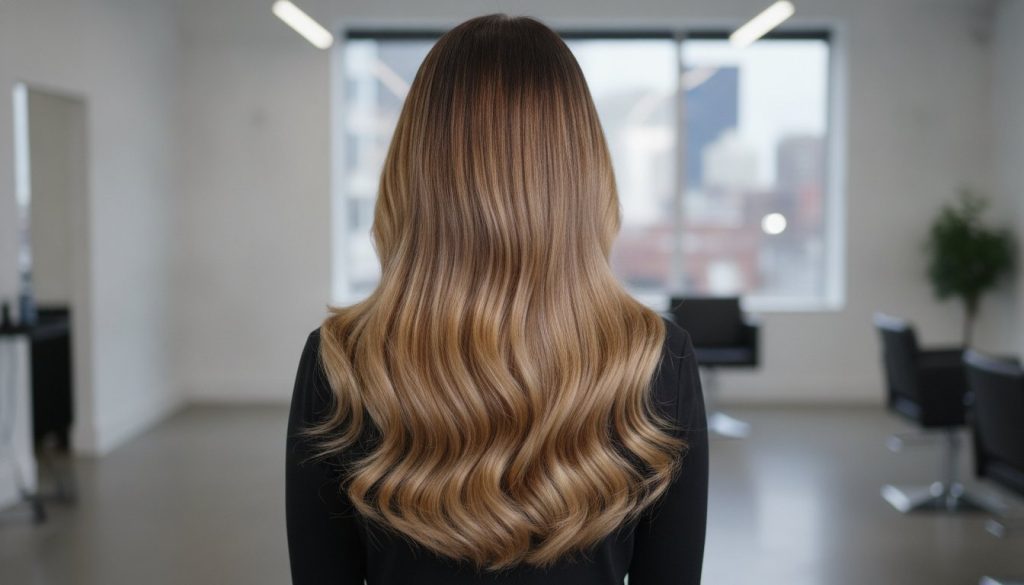
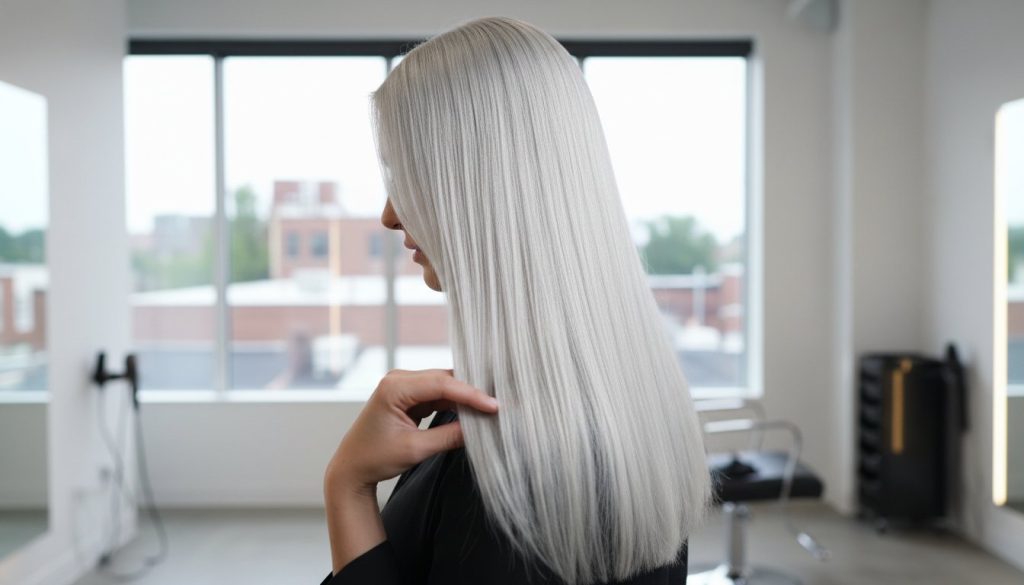
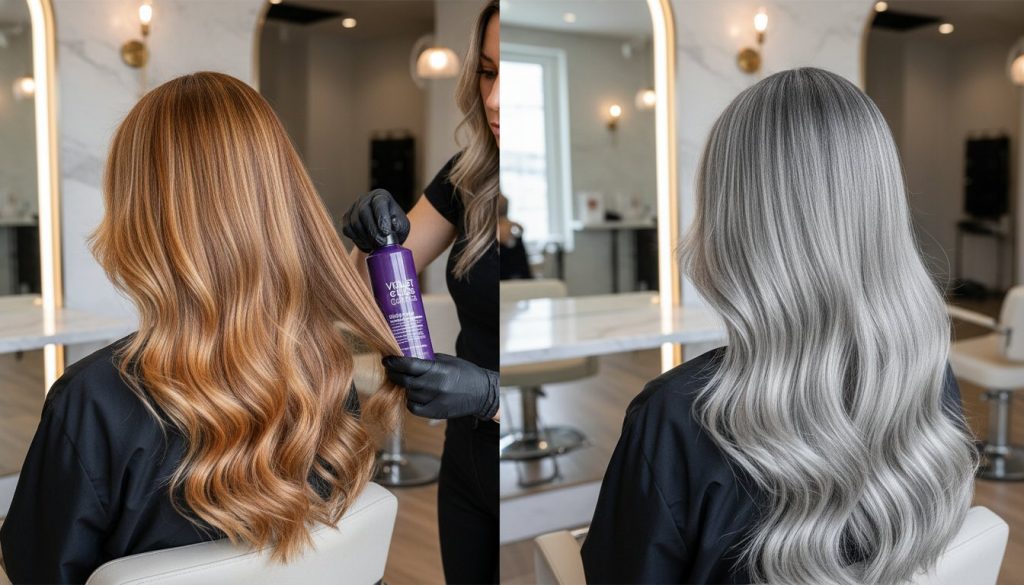
Demi vs. Semi-Permanent Color for Toning: Stylist Guide
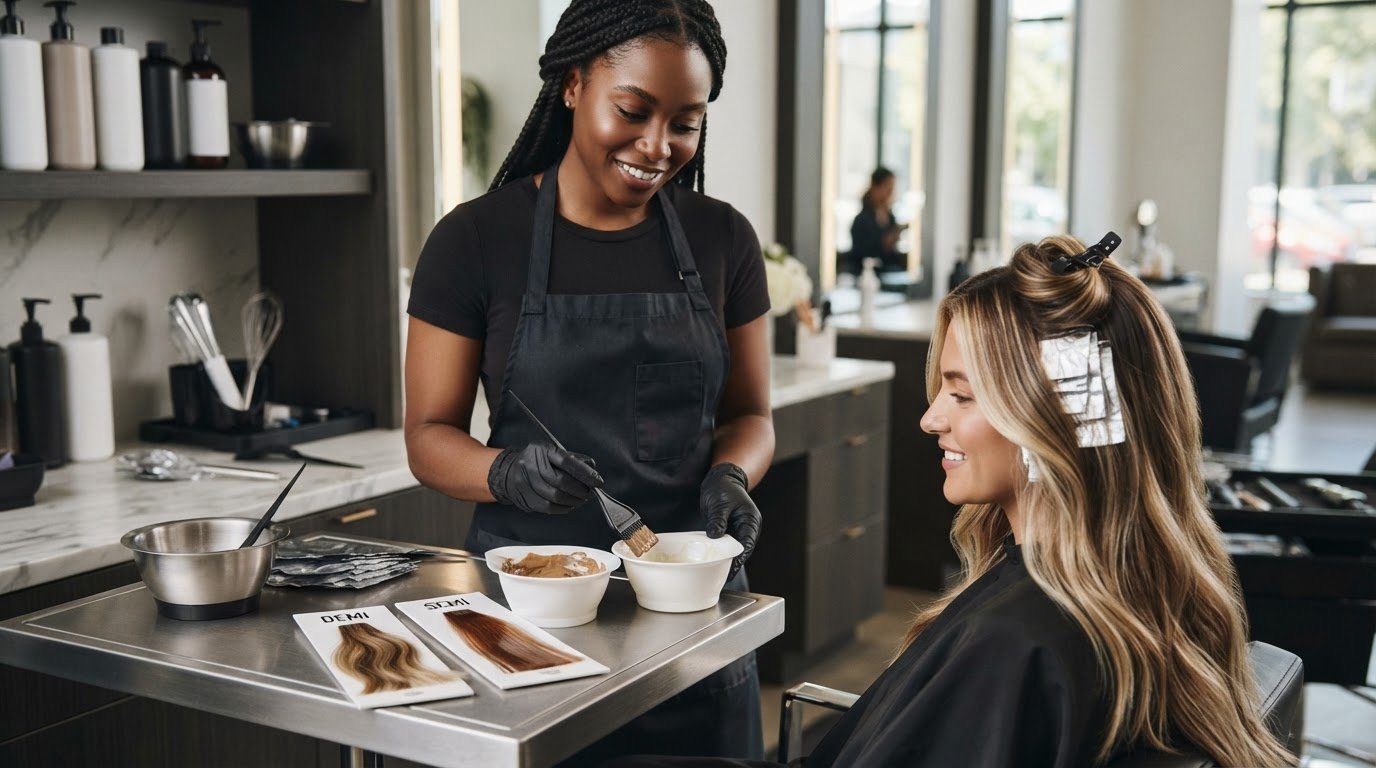
The cleanest lift can unravel in minutes if you miscalculate how your toner interacts with the hair cuticle. When deciding between demi-permanent vs semi-permanent color for toning, reaching for the wrong bottle often marks the difference between crisp, multidimensional radiance and an accidental base shift.
Every colorist knows the quiet tension at the backbar. Over-processed, porous ends threaten to grab muddy undertones, delicate foil work demands seamless neutralization, and natural regrowth can easily expose unwanted warmth under developer activation. Predictable tone isn’t a matter of chance; it requires matching dye molecule behavior directly to the hair’s structural integrity and porosity.
You’ll master the chemical differences, tonal longevity, and developer dynamics of both options so you can formulate with absolute confidence. We examine oxidative penetration versus surface coating, backbar workflows, and specific application methods to ensure your finished blondes and brunettes remain luminous, sealed, and true to tone.
Key Takeaways
- Chemical penetration sets the rules: demi-permanent formulas use low-volume developer activation to enter the cuticle slightly, while semi-permanent toners coat the outer surface without oxidation.
- Choosing between demi-permanent vs semi-permanent color for toning determines whether you achieve long-lasting neutralization up to 24 to 28 washes or a zero-commitment gloss lasting up to 12 washes.
- Protect natural depth between foils by matching direct dye surface adhesion against low-volume developer formulas to prevent unintended base breaks and brassy haloing.
- Manage uneven cuticle porosity effectively by tailoring backbar timing, preventing over-processed lightened ends from grabbing over-saturated or muddy cool tones.
- Elevate backbar formulation control with dedicated ammonia-free systems that seal hair integrity while delivering precise, deposit-only tonal refinement.
Understanding the Chemistry: Demi-Permanent vs Semi-Permanent Hair Color
Lightening exposes raw, underlying warmth. Whether lifting to pale yellow or exposing raw copper, precision toning counters these unwanted pigments to achieve a balanced finish. At the backbar, evaluating demi-permanent vs semi-permanent color for toning comes down to pigment architecture: one system deposits precursor molecules beneath the outer cuticle, while the other coats the exterior fiber.
To master these services, consider the science behind foundational hair coloring processes. The state of the cuticle layer dictates how effectively these pigments attach to pre-lightened strands. Deciding between direct and oxidative color fundamentally alters your control over durability, base shifting, and porosity grab.
How Semi-Permanent Color Works: Non-Oxidative Direct Dyes
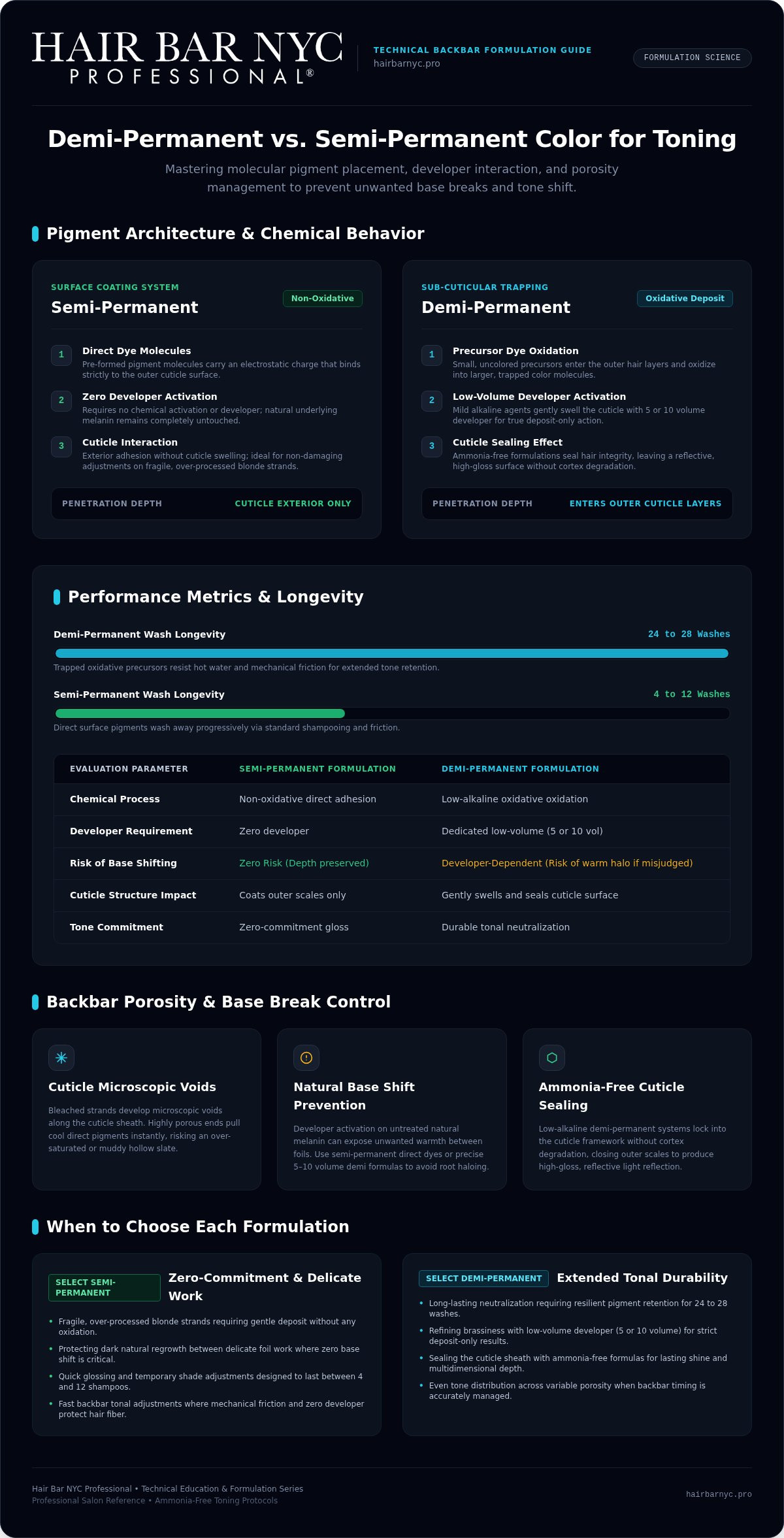
Semi-permanent formulas rely on pre-formed, direct dye molecules that require no chemical activation. These molecules carry an electrostatic charge that binds strictly to the outer cuticle surface without modifying the hair’s natural melanin. Because there is zero developer activation, your client’s natural base remains entirely untouched. This makes direct dyes ideal for fast, non-damaging adjustments on fragile, over-processed blonde strands.
How Demi-Permanent Color Works: Low-Alkaline Oxidative Deposit
Demi-permanent color utilizes small, uncolored dye precursors that require activation via a dedicated low-volume developer. Mild alkaline agents swell the cuticle gently, allowing precursors to enter the outer layers of the hair shaft before oxidizing into larger, trapped color molecules. These ammonia-free formulations provide true deposit-only performance without cortex degradation, making them an essential salon standard for refined, durable neutralization.
- Semi-Permanent: Direct pigment adhesion, zero developer, non-oxidative, external cuticle deposit.
- Demi-Permanent: Precursor dye oxidation, low-volume developer activation, gentle cuticle entry, longer tonal retention.
Understanding this molecular difference allows colorists to formulate for predictable outcomes rather than unpredictable corrections. When you grasp how developer interaction governs pigment placement, choosing demi-permanent vs semi-permanent color for toning becomes a deliberate technical decision.
Key Performance Factors: Longevity, Base Lift, and Hair Porosity
Formulating toners successfully means controlling three variables: how long the shade lasts, whether the natural root shifts, and how compromised cuticles receive pigment. If you misjudge these dynamics when weighing demi-permanent vs semi-permanent color for toning, even flawless foil placement can end with uneven warmth or muddy banding.
Wash Longevity and Pigment Durability
Direct semi-permanent dyes wash away progressively, usually lasting between 4 and 12 shampoos. Because these pigments sit on the outer cuticle scales, regular friction and hot water strip them away quickly. Oxidative demi-permanent color locks deeper into the cuticle framework, delivering resilient tonal deposit for 24 to 28 washes. Recommending sulfate-free home care helps protect that deposit from rapid fading.
The Risk of Unwanted Base Shifting
Base shifting happens when a toner’s developer concentration lifts the client’s untreated, natural melanin. This creates an unwanted, warm “halo” between foils. Direct semi-permanent dyes use no developer, so they carry zero risk of shifting dark natural hair. Demi-permanent toners require precise backbar control. Formulating with tailored low-volume developer concentrations, like 5 or 10 volume, ensures strict deposit-only action without breaking the natural base.
- Semi-Permanent: Zero base break risk; direct dyes preserve natural depth.
- Demi-Permanent: Requires low-volume developer formulation to prevent warmth at the root.
- Cuticle Sealing: Low-alkaline oxidative formulas close the cuticle, leaving a reflective, high-gloss surface.
Porosity Management on Pre-Lightened Hair
Bleached strands develop microscopic voids along the cuticle sheath. Highly porous ends pull cool direct pigments instantly, often turning an intended pearlescent blonde into an over-saturated, hollow slate. Low-porosity zones resist pigment, causing the toner to slide off without fully neutralizing brassiness. Applying a porosity equalizer before your service helps balance pigment uptake from base to ends.
Mastering these details gives you complete control over every backbar service. To explore versatile oxidative toning solutions and backbar essentials, consider the professional color lines available through Hair Bar NYC Professional.
Head-to-Head Comparison: Demi-Permanent vs Semi-Permanent for Toning
Fast backbar pacing leaves no room for guesswork. Deciding between demi-permanent vs semi-permanent color for toning requires evaluating developer chemistry against chair time and client maintenance. Both tools serve distinct technical roles during post-lightening services.
Technical Specification Matrix
Use this direct comparison to match the right chemistry to your client’s hair goals:
| Performance Factor | Semi-Permanent Toners | Demi-Permanent Toners |
|---|---|---|
| Developer Activation | None; ready-to-use direct dyes | Low-volume cream developer required |
| Processing Time | 5 to 15 minutes | 10 to 20 minutes |
| Chemical Action | Cuticle surface adhesion | Oxidative entry into outer cortex |
| Durability | 4 to 12 shampoos | 24 to 28 shampoos |
| Base Lift Risk | Zero risk of base shifting | Zero risk when using low volume (5 to 10 vol) |
| Gray Blending | Translucent stain only | Blends gray up to 70% |
Semi-permanent formulas deliver speed at the shampoo bowl. Their short processing window allows you to neutralize pale yellow highlights quickly without mixing oxidants. Demi-permanent toners demand a deliberate mixing process with low-volume cream developers, but that extra processing step yields richer depth, seamless root blends, and long-lasting tone.
Evaluating the Cuticle Impact and Conditioning Finish
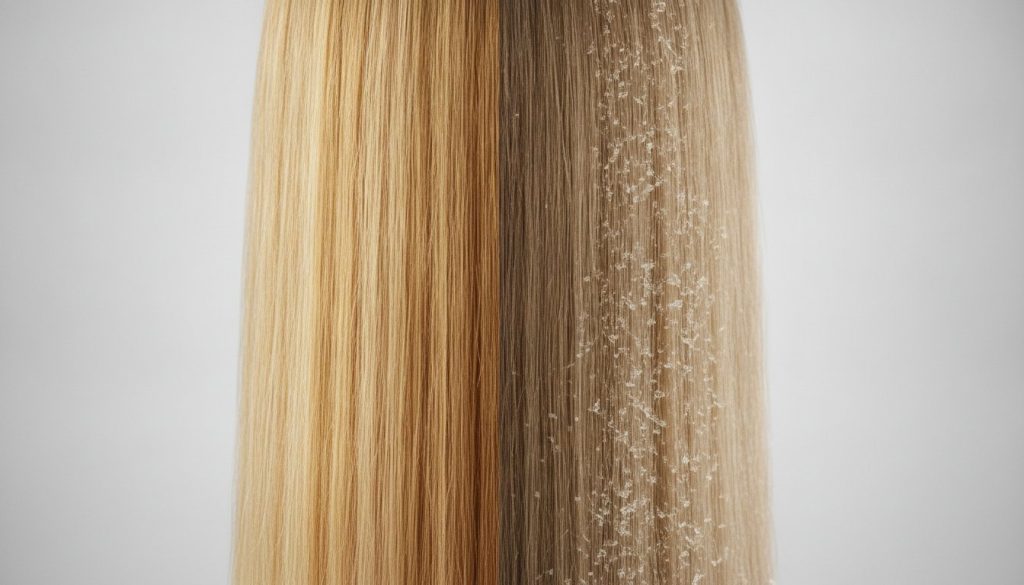
Pre-lightened hair often suffers from raised, damaged cuticle scales. Direct semi-permanent dyes act like a cosmetic topcoat. Their conditioning bases fill superficial gaps along sensitized fibers, producing immediate slip and high-gloss reflection without altering underlying melanin.
Demi-permanent toners interact differently with hair biology. The mild alkaline base allows pigments to settle slightly beneath the surface, while the developer oxidizes the formula to secure it. As the service concludes, the hair cuticle contracts and lays flat, locking in light reflectivity across zones of uneven porosity. Integrating professional restructuring treatments during chemical services maintains optimal lipid balance, keeping hair resilient long after toner application.
When to Choose Each Toner: Salon Scenarios and Formulations
Formulating toners behind the chair requires reading the canvas accurately. Rather than reaching for the same toner bottle on every service, you need to match product chemistry to the client’s canvas. Choosing between demi-permanent vs semi-permanent color for toning depends entirely on the contrast between highlighted weaves, exposed raw pigment, and the natural base living between the foils.
Scenario A: High-Contrast Highlights and Delicate Balayage
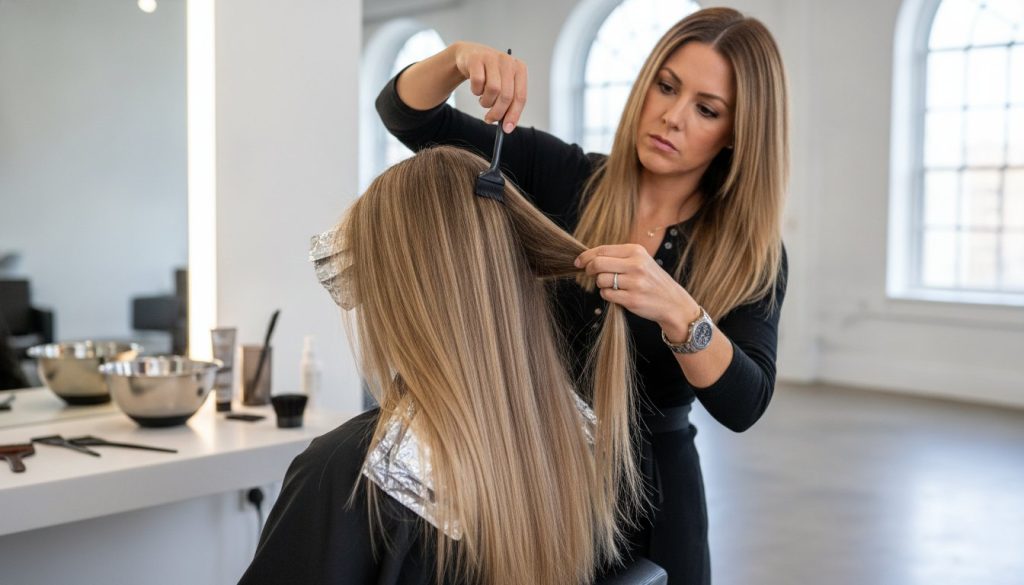
Delicate balayage and foil highlights set against a dark, virgin canvas demand strict caution. If an oxidative developer touches those dark untreated ribbons, you risk lifting the natural base into an unwanted brassy band. Non-oxidative semi-permanent formulas neutralize pale yellow foils without shifting natural base shades. This makes direct pigment the safest choice for fast basin work where natural depth must remain completely unaffected.
Scenario B: Platinum Blondes, Shadow Roots, and Global Lightening
Global on-scalp lighteners and root melts require sustained deposit and seamless graduation. Double-processed pale yellow canvases lack depth, making the oxidative grip of demi-permanent color essential. For shadow melts, formulating with low-volume developers allows deeper tones to blend smoothly into lighter lengths without visible demarcation lines. This delivers the durability needed to keep platinum reflections true to tone between appointments.
Step-by-Step Backbar Toning Decision Workflow
Follow this diagnostic sequence to eliminate formulation surprises before mixing:
- Evaluate Natural Base Exposure: Check if unbleached hair sits between the foils. If virgin dark levels are present and at risk of warmth, opt for direct semi-permanent formulas.
- Assess Porosity Profiles: Perform a wet-stretch test. Sensitized ends pull cool pigments faster than healthier mid-lengths, requiring targeted formulation or porosity balancing.
- Select Toner Chemistry: Choose demi-permanent color when client retention demands maximum durability. Rely on direct semi-permanent shades when you want zero lift risk and effortless transition.
- Formulate Shade Families: Counter unwanted underlying tones by consulting the ultimate guide to professional hair color trends to balance modern warm palettes against clean neutralization.
Standardizing this diagnostic workflow protects your salon’s reputation for clean, predictable results across every station. To outfit your backbar with professional color systems and developers built for precise formulation, shop Hair Bar NYC Professional.
Professional Formulation Protocols with Hair Bar NYC Professional
Modern backbars demand tools engineered by colorists for colorists. Resolving the technical choice between demi-permanent vs semi-permanent color for toning comes down to formulation control. When your goal is long-lasting tonal balance and brilliant reflection without unwanted base shift, working with clean, high-performance systems protects both hair integrity and chair turnover.
Formulating with G&C Demipermanent Hair Color
The G&C Demipermanent hair color line features 37 intermixable shades crafted entirely free of ammonia and parabens. This formulation allows colorists to glaze, tone, and correct brassiness without compromising the sensitized cuticle. By pairing these shades with tailored low-volume cream developers, you achieve deposit-only saturation that secures tonal longevity across multiple weeks.
While the line adapts across 5 to 40 volume developers for diverse salon services, sticking to dedicated low volumes ensures your post-bleach toning remains strictly non-lifting. Stylists looking to benchmark salon systems can see how leading lines perform in the elite guide to professional hair color brands, highlighting the importance of gentle, conditioning alkalizers.
Accelerating Backbar Workflow and Preserving Hair Bonds
Efficiency drives salon profitability. To shorten chair time without cutting chemical corners, incorporate the Speed-Up Color Accelerator into your formulations. This accelerator optimizes processing time down to 10 minutes for demi-permanent color services, allowing you to tone double-process blondes and balayage clients rapidly at the shampoo bowl.
Protecting the internal hair structure during lightening and subsequent glossing is equally vital. Integrating the Blond Plex system shields fragile bonds against mechanical and environmental stress, ensuring pre-lightened hair retains elasticity and moisture. The result is uniform pigment uptake, sealed cuticles, and mirror-like shine that keeps clients returning.
- Ammonia-Free Performance: G&C Demipermanent protects the fiber sheath with gentle, deposit-only chemistry.
- High-Velocity Toning: Speed-Up Color Accelerator reduces processing time down to 10 minutes.
- Bond Defense: Blond Plex maintains tensile strength throughout intensive lifting and toning protocols.
Equip your color station with tools built for professional precision. Discover salon-grade shades, developer systems, and backbar packages directly through Hair Bar NYC Professional.
Elevate Your Backbar Formulation and Toning Precision
Tonal precision isn’t a guessing game; it’s an exact science. Choosing between demi-permanent vs semi-permanent color for toning comes down to chemical intent: rely on direct dyes for zero-lift safety on delicate foils, or activate oxidative precursors when clients demand lasting depth and seamless root blending up to 28 washes. Controlling developer volume and respecting strand porosity protects your canvas from accidental warmth every single time.
Formulated by professional hairdressers with a salon heritage since 2013, the ammonia-free and paraben-free G&C Demipermanent system delivers 37 versatile shades for uncompromising colorist control. Pair your custom glosses with Speed-Up Color Accelerator to reduce processing times to 10 minutes without sacrificing tonal saturation or bond health. Explore professional color lines and order wholesale backbar essentials at Hair Bar NYC Professional to bring predictable, radiant results to every station.
Frequently Asked Questions
Can a demi-permanent toner accidentally lift or lighten natural hair?
Yes, demi-permanent color can cause an unintended base break if you mix it with an excessive developer strength. Hydrogen peroxide concentrations above 10 volume interact with natural melanin in virgin hair, exposing underlying orange or warm tones. To prevent base shifting around delicate foils, always stick to dedicated low-volume developers like 5 or 7 volume for true deposit-only performance.
How long does a demi-permanent toner last compared to a semi-permanent toner?
Demi-permanent toners generally last between 24 and 28 washes, while semi-permanent options wash out cleanly within 4 to 12 shampoos. When weighing demi-permanent vs semi-permanent color for toning, oxidative formulas provide far superior longevity because the dye precursors penetrate beneath the outer cuticle layer before expanding. Semi-permanent molecules simply coat the exterior fiber, washing away progressively with every shower.
Is semi-permanent color effective for neutralizing brassy yellow tones?
Semi-permanent color works exceptionally well for rapid surface neutralization on pale yellow hair. Because direct dyes adhere electrostatically without requiring developer activation, they impart clean violet, pearl, or beige tones instantly at the shampoo basin. This makes them the safest choice for neutralizing brass on fragile blonde strands without stressing an already sensitized cuticle framework.
Do I need to mix developer with semi-permanent toning color?
No, you should never mix developer with semi-permanent toners. Direct dyes are pre-oxidized, fully formed color molecules that come ready to apply directly out of the bottle. Adding hydrogen peroxide to a direct dye destabilizes the formulation, dilutes pigment density, and compromises the conditioning agents designed to smooth the hair shaft.
Why does toner sometimes grab too dark or hollow on bleached ends?
Toner grabs hollow or over-deposits cool tones when hair porosity is uneven along the hair shaft. Over-processed, bleached ends possess missing cuticle scales and negative electrostatic charges that pull direct cool pigments much faster than healthy zones. Applying a porosity-equalizing spray or lightly dampening the hair before toning helps balance absorption across every section.
Can I apply a demi-permanent toner immediately after a lightening service?
Yes, applying an ammonia-free demi-permanent toner right after rinsing lightener is a salon standard. Lightening opens the cuticle and strips warmth, leaving an ideal foundation for oxidative precursors to anchor into the cortex. Ensure you thoroughly shampoo out all bleach residue and gently towel-dry the strands so water pockets do not dilute your formula.
What developer volume should colorists use when toning with demi-permanent color?
Colorists should prioritize 5 to 10 volume cream developers when formulating demi-permanent vs semi-permanent color for toning. Low concentrations provide sufficient oxygen release to couple dye precursors without disrupting the natural melanin in adjacent virgin hair. Using low-volume activators guarantees crisp neutralization while locking the cuticle down for a high-gloss, reflective finish.