Dealing with Difficult Salon Clients Professionally: The Elite Stylist’s Guide
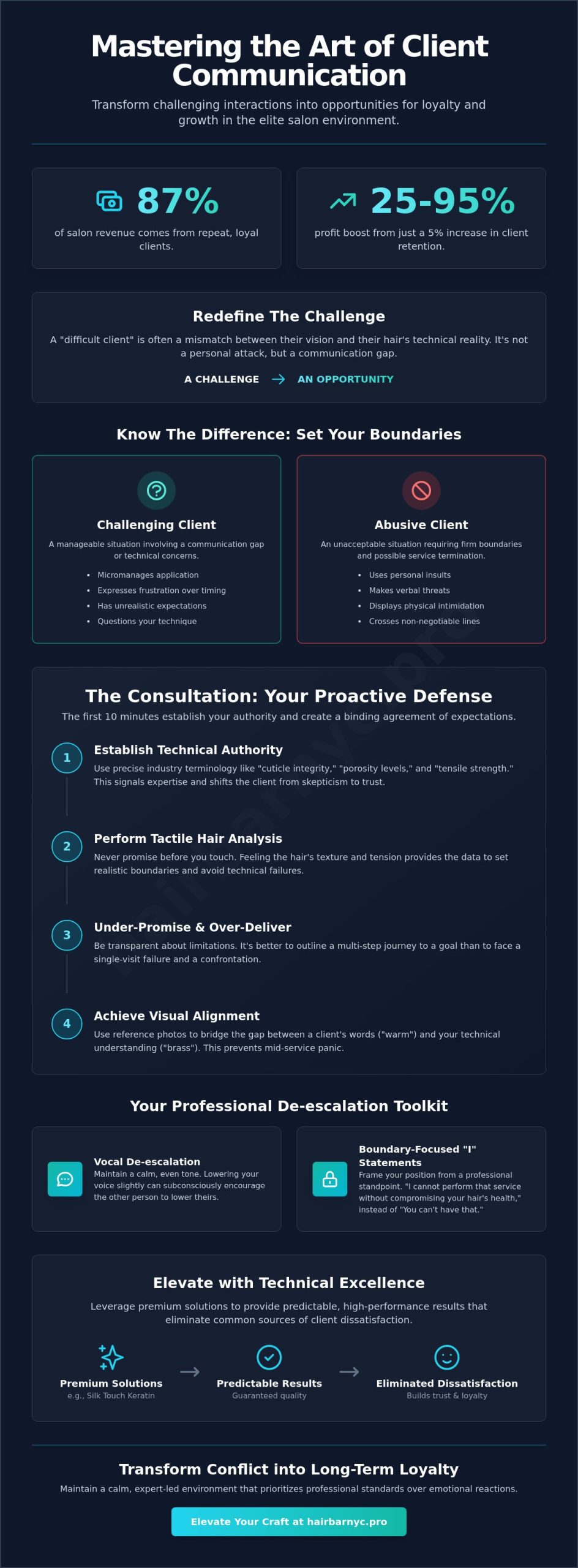
What if the client currently challenging your patience is actually your next most loyal brand advocate in disguise? Every elite stylist understands the internal tension that arises when a consultation goes sideways or a late arrival disrupts a meticulously planned afternoon. Mastering the art of dealing with difficult salon clients professionally is the invisible skill that separates a standard service provider from a metropolitan industry leader. It’s about maintaining your composure while protecting your revenue and your brand’s prestige, especially since June 2026 data from SchedulingKit indicates that 87% of salon revenue comes from repeat clients.
You already know that one volatile interaction can lead to emotional burnout or the lingering fear of a damaging online review. This guide promises to equip you with the sophisticated communication strategies and technical confidence needed to flip the narrative. We’ll examine how to set clear professional boundaries, utilize the predictable, high-performance results of treatments like our Silk Touch Keratin Treatment to ease technical anxiety, and implement conflict resolution tactics that turn skeptics into lifelong regulars.
Key Takeaways
- Redefine challenging interactions as communication gaps and establish authority early through technical, expectation-setting consultations.
- Master the psychological art of dealing with difficult salon clients professionally by implementing vocal de-escalation and boundary-focused “I” statements.
- Identify and manage specific high-pressure personas, such as the micromanager or the client with unrealistic expectations, while safeguarding hair health.
- Leverage premium technical solutions like the Silk Touch Keratin Treatment to provide predictable, high-performance results that eliminate common sources of client dissatisfaction.
- Transform potential conflict into long-term loyalty by maintaining a calm, expert-led environment that prioritizes professional standards over emotional reactions.
The Professional Reality of Navigating Difficult Salon Clients
In the high-stakes environment of a luxury urban salon, the “difficult client” is rarely just a person with a bad attitude. Instead, it is typically a fundamental mismatch between a guest’s aspirational vision and the technical reality of their hair integrity. Even the most elite stylists, operating at the peak of their craft, encounter challenging personalities. Dealing with difficult salon clients professionally is not merely a soft skill; it is a core brand requirement that protects your reputation and your mental clarity. This commitment to maintaining elite standards is similar to the precision required in luxury automotive care; for instance, you can learn more about Class Auto Center to see how certified professionals handle high-end brand requirements. Maintaining a sophisticated, calm demeanor ensures you stay in control of the chair, regardless of the emotional temperature in the room.
It is vital to distinguish between a client who is challenging and one who is abusive. A difficult client might micromanage your application of Color Bar Professional Hair Color or express frustration over timing. An abusive client uses insults, threats, or physical intimidation. While we always strive for a peaceful ending of conflict, safety and respect are non-negotiable boundaries. No amount of potential revenue justifies crossing that line.
Defining the Challenge in a Modern Salon Environment
Technical dissatisfaction is a solvable problem involving chemistry and technique. Personality friction is more complex and requires a different toolkit. The Expert Professional views these moments as business hurdles rather than personal attacks. You aren’t just reacting to a complaint; you are leading a high-value interaction toward a successful conclusion. Professional client management is the ability to maintain absolute command of the service from the initial greeting to the final reveal.
The Financial and Emotional Impact of Mismanaged Conflict
Every minute spent debating a policy or managing a lengthy complaint is “chair time” lost. In an industry where 87% of revenue comes from repeat visitors, a single mishandled interaction is a direct hit to your bottom line. Beyond the immediate loss of revenue, the emotional toll often leads to stylist burnout. When you remain composed, you aren’t just saving a service; you’re securing the long-term stability of your business. Stylists who master the art of dealing with difficult salon clients professionally report significantly higher job satisfaction. They understand that a 5% increase in client retention can boost salon profits by 25% to 95%, making conflict resolution a high-yield professional investment.
The Consultation: Your Proactive Defense Against Conflict
An elite consultation is far more than a casual chat about style preferences; it is a professionally binding agreement of expectations. In a high-end urban setting, your first ten minutes in the chair dictate the success of the entire service. When dealing with difficult salon clients professionally, the consultation serves as your diagnostic phase where you establish absolute technical authority. By utilizing precise industry terminology, such as discussing “cuticle integrity,” “porosity levels,” or “tensile strength,” you signal to the guest that they are in the hands of an Expert Professional. This specialized language creates a psychological shift, moving the client from a position of skepticism to one of trust.
Never make a promise before performing a tactile hair analysis. Feeling the hair’s texture and observing its reaction to tension provides the data you need to set realistic boundaries. This is the foundation of the “Under-Promise and Over-Deliver” strategy. If a client’s hair history suggests that a specific lifting process might compromise the fiber, be transparent about the timeline. It’s better to suggest a three-step journey to a goal than to face a technical failure that leads to a heated confrontation. Following Best Practices For Handling Difficult Clients involves setting these parameters early to ensure the relationship remains productive and professional.
Setting Realistic Expectations for High-Performance Results
Visual alignment is critical. Always use reference photos to bridge the gap between a client’s descriptive adjectives and actual visual outcomes. What a client calls “warm” might be what you define as “brass,” so clarifying these terms prevents mid-service panic. Explain the limitations of hair chemistry by referencing the science of professional hair color. This approach shifts the conversation from your personal opinion to the objective realities of chemical performance. When you ground your advice in science, it becomes difficult for even the most challenging client to argue against your professional judgment.
Using Technical Expertise to Guide Indecisive Clients
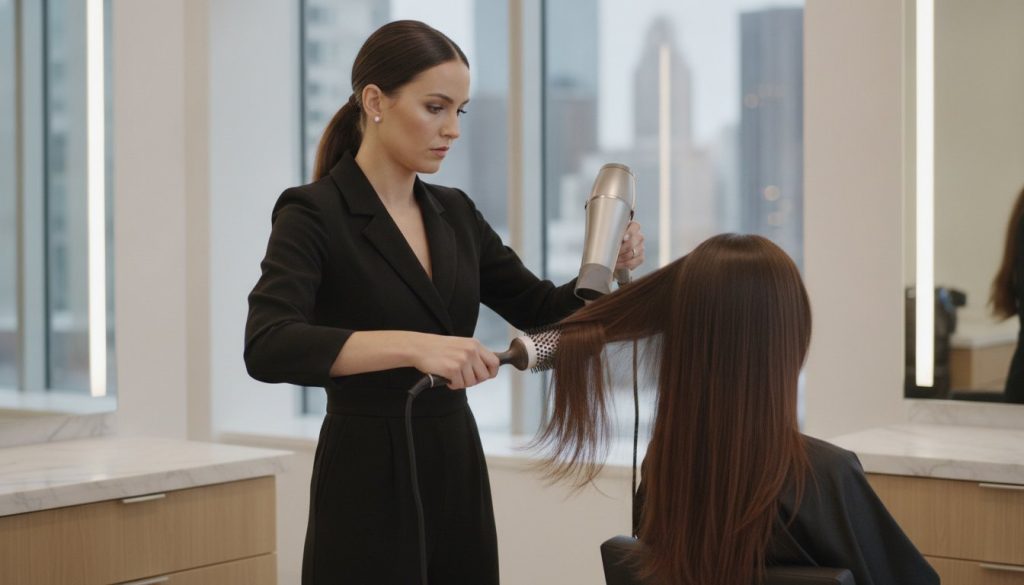
Indecision is often a precursor to dissatisfaction. For the client who “doesn’t know what they want,” use the Two-Option Technique. Instead of offering a broad spectrum of possibilities, present two expert-curated choices that suit their lifestyle and hair type. This regains control of the chair and prevents the session from drifting into unproductive territory. Once a plan is finalized, document it in your client notes. This record serves as a safeguard against “revisionist history” if a client later claims they wanted something different. For a flawless finish that reinforces your expert status, utilize a Professional Hair Dryer to showcase the vibrancy and health of the final result, leaving no room for doubt about the quality of your work.
Categorizing and Managing Challenging Client Personas
Identifying the specific psychology behind a client’s behavior allows you to transition from a reactive state to a proactive leadership role. Dealing with difficult salon clients professionally requires a nuanced understanding of these distinct personas. Whether you are facing a micromanager or a guest with impossible aesthetic goals, your response must remain rooted in technical expertise and unwavering salon standards. By categorizing the challenge, you can apply a tailored communication strategy that preserves both the relationship and your professional peace of mind.
The “Unrealistic Expectation” Client and the Science of Hair
Many guests arrive with a digital gallery of filtered images that defy the laws of hair chemistry. While their inspiration is valuable, hair health must always dictate the service, not a Pinterest board. If a client requests a high-lift blonde on compromised fibers, you must pivot the conversation toward restorative excellence. Educate them on why a formaldehyde-free keratin treatment is a safer, more sophisticated alternative for achieving a sleek, high-end finish without structural damage. You are the expert in the room. Ultimately, saying “no” to a damaging service is the ultimate professional act, positioning you as a guardian of their beauty rather than just an order-taker.
Dealing with the Chronic Complainer or Overly Critical Guest
The guest who micromanages every brush stroke or finds fault in every foil placement can be emotionally draining. Use the Mirroring Technique to neutralize their anxiety. Repeat their concern back to them using professional language to show they’ve been heard without admitting technical fault. If they worry about “too much volume,” respond with, “I hear your preference for a flatter, more streamlined silhouette.” This acknowledgement creates a rhythmic energy that keeps the service moving forward. Shift the focus from the perceived problem to the expert solution immediately. This ensures the guest feels the momentum of your progress and trusts your technical trajectory.
Managing the Latecomer with Firm Boundaries
Time is the most valuable currency in an upscale urban salon. According to industry data from June 2026, the average no-show rate for salons without automated systems is 20%. When a latecomer disrupts your schedule, address it with firm, time-based professional boundaries. Explain that to maintain the integrity of their service and the appointments of subsequent guests, you may need to modify the original plan. This isn’t a punishment; it’s a commitment to uncompromising quality. Establish these rules early. When clients understand that your time is a premium resource, they are more likely to respect the professional environment you’ve worked hard to create.
Establishing Boundaries and Professional De-escalation Tactics
Mastering the environment of an upscale salon requires more than technical precision; it demands absolute emotional control. When a guest becomes agitated, your physiology is your most potent tool. Dealing with difficult salon clients professionally starts with a deliberate shift in your own energy. By following a structured de-escalation process, you maintain the salon’s sophisticated atmosphere while protecting your brand’s integrity.
- Step 1: Lower your voice and slow your speech. This forces the client to quiet down to hear you, effectively reclaiming control of the room’s volume.
- Step 2: Use “I” statements to describe policy. Shift the focus from the client’s behavior to professional standards. Say, “I want to ensure I am following our salon’s safety protocols,” rather than “You are making this difficult.”
- Step 3: Offer a “Service Save.” Provide a clear, technical path to resolution. If a guest is dissatisfied with a finish, propose an immediate, expert-led adjustment to align with the agreed-upon goal.
- Step 4: Transition to a private area. If the conflict persists, move the conversation away from the styling floor. This preserves the sensory experience for other guests and allows for a candid, professional dialogue.
- Step 5: Document every interaction. Record the details of the conflict and the resolution in your client management software. This protects your professional records and informs future visits.
Communication Frameworks for High-Pressure Situations
In the heat of a technical disagreement or a pricing objection, utilize the “Acknowledge, Align, Address” framework. Acknowledge the client’s feeling: “I understand you’re concerned about the final tone.” Align with their desired outcome: “I also want to ensure your hair looks vibrant and healthy.” Finally, address the situation with your expert recommendation: “Based on your hair’s porosity, I recommend a specialized gloss to achieve that specific luminosity.” This script reinforces your Expert Professional persona, showing that you are a partner in their beauty journey rather than an adversary. When guests question the value of premium services, speak with transparency about the high-performance ingredients and specialized training required to deliver elite results.
When and How to “Fire” a Client Professionally
Even in a high-growth environment, some relationships are no longer a fit for your professional standards. Red flags include repeated late arrivals, disrespect toward staff, or consistent technical unrealistic demands that compromise hair integrity. Ending the relationship requires a “Professional Referral” script that avoids burning bridges. Try saying: “I’ve reviewed our recent sessions, and I believe another specialist might be better suited to achieve the specific aesthetic results you’re looking for.” This approach protects your salon’s online reputation by keeping the transition neutral and focused on the client’s needs. To ensure your team always has the right tools to maintain these high standards, equip your station with a Mixing Bowl and Brush Set that reflects the uncompromising quality of your craft.
Elevating the Client Experience with Premium Professional Solutions
Technical certainty is the foundation of professional confidence. While communication scripts and psychological frameworks are essential, the most effective way of dealing with difficult salon clients professionally is to eliminate the technical margin for error. When you use high-performance products that deliver predictable, elite results, you remove the primary triggers for client anxiety and dissatisfaction. Professional-tier outcomes build an “Expert Authority” that guests naturally respect. By partnering with Hair Bar NYC Professional, you ensure that every chemical process and styling session reinforces your status as a leader in the craft.
Turning Friction into Loyalty with Silk Touch Keratin
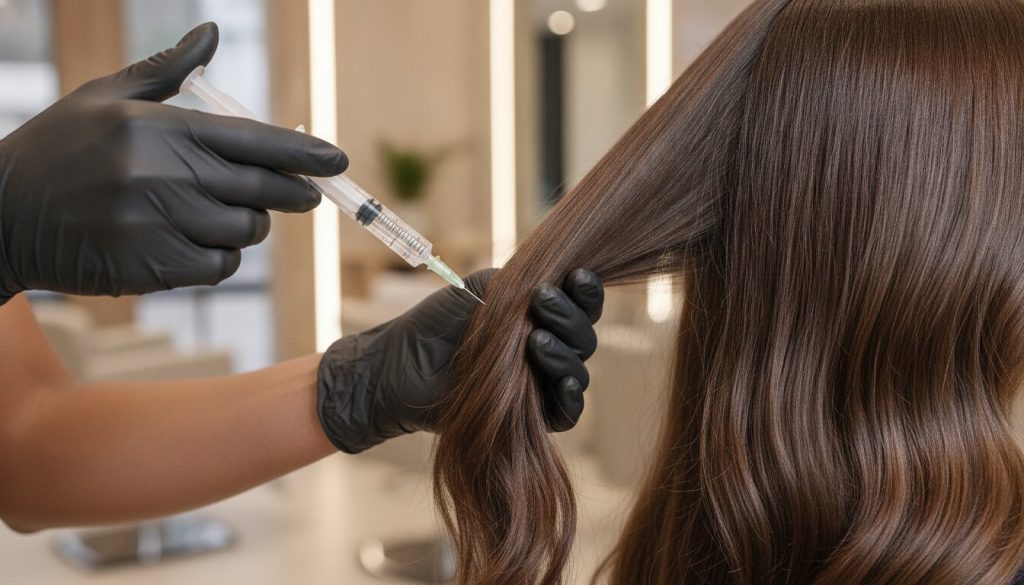
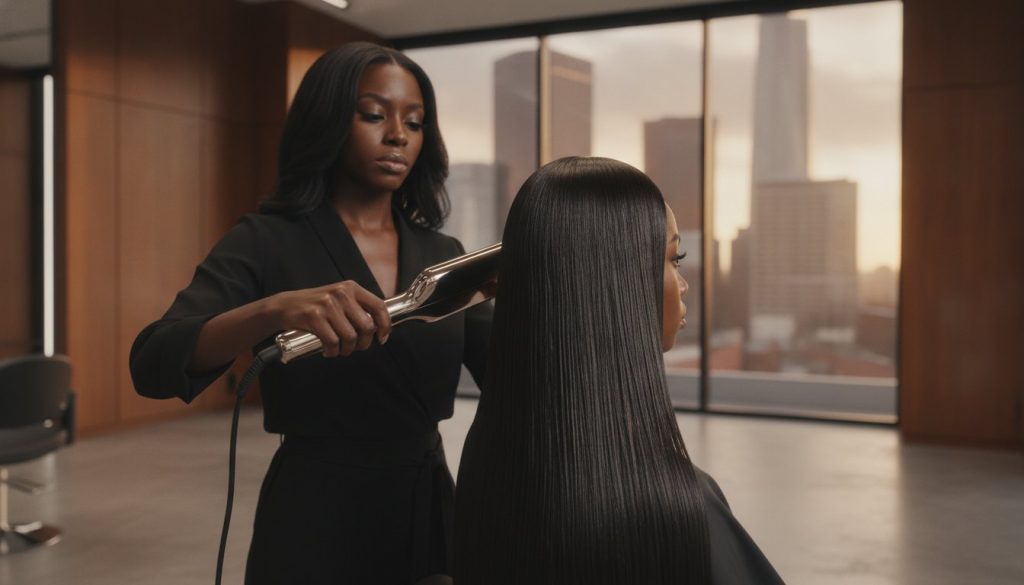
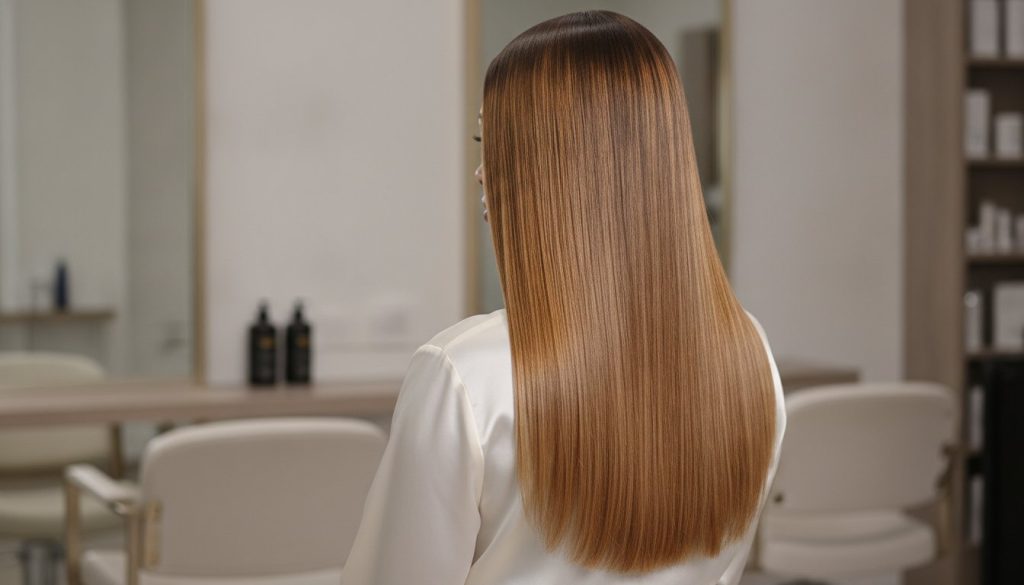
Difficult hair textures often lead to difficult client interactions. A guest frustrated by daily frizz or unmanageable volume is already in a state of high emotional tension before they even sit in your chair. The Silk Touch Keratin Treatment acts as a high-performance peacekeeper. Because this vegan keratin system provides consistent, predictable smoothing, it significantly minimizes “post-service anxiety” for both the stylist and the client.
Strategic upselling in these moments isn’t just a business move; it’s a solution-oriented service. Presenting a premium smoothing treatment as the answer to their daily maintenance pains shifts the dynamic from a simple haircut to a transformative lifestyle upgrade. The psychological impact of a “perfect result” on a previously unhappy client is profound. When they see their hair transformed into a sleek, high-shine finish that lasts, their skepticism evaporates. This technical win turns a potential critic into a loyal, high-value advocate for your brand.
Leveraging Professional-Grade Color to Build Trust
Consistency is the hallmark of luxury. Using Color Bar Professional Hair Color allows you to deliver vibrant, exact results every time, regardless of the complexity of the correction. High-quality ingredients play a critical role in reducing scalp sensitivity and technical complaints. When a client experiences a comfortable, high-performance color service without the irritation often associated with lower-tier products, their trust in your expertise deepens.
- Predictable Pigmentation: Ensure every shade matches the consultation goal perfectly.
- Superior Fiber Protection: Maintain hair integrity even during intense lifting or color shifts.
- Sensory Excellence: Provide a premium salon experience that appeals to the discerning metropolitan client.
Your reputation is built on the results you can guarantee. By choosing tools and formulas designed for the elite environment, you establish a standard of excellence that leaves no room for doubt. It is time to refine your technical toolkit and secure your position at the top of the industry. Elevate your salon standards with Hair Bar NYC Professional products and transform every challenging interaction into a showcase of your professional mastery.
Secure Your Status as an Industry Leader
Navigating the complexities of high-end service requires more than just patience; it demands a strategic fusion of psychological mastery and technical precision. By transforming your consultation into a technical contract and utilizing precise de-escalation scripts, you reclaim the power dynamic of the chair. Dealing with difficult salon clients professionally is ultimately about ensuring that your expert standards remain the focal point of every interaction. You’ve now mastered the frameworks to handle unrealistic expectations and personality friction with metropolitan chic and absolute composure.
True professional peace of mind comes from knowing your results are beyond reproach. When you utilize professional-grade vegan formulas and formaldehyde-free smoothing systems, you remove the technical variables that often lead to conflict. These solutions are trusted by elite NYC and Florida stylists to deliver the uncompromising quality that discerning clients demand. It’s time to align your toolkit with your expertise and provide the seamless experience your brand represents.
For stylists in high-demand markets who want to offer a complete luxury beauty experience, visit Sun Tanning Store to find professional-grade tanning equipment for your business.
Upgrade your salon toolkit with Hair Bar NYC Professional to ensure every reveal is a masterpiece. Your commitment to excellence is what defines you. Continue to lead your salon with the authority of a true expert.
Frequently Asked Questions
How do I handle a client who is unhappy with their hair color?
Address technical dissatisfaction by performing a calm, objective analysis of the result compared to the initial consultation. If the tone isn’t aligned with the agreed-upon goal, offer an immediate corrective gloss or adjustment using Color Bar Professional Hair Color. This proactive approach demonstrates your commitment to high standards. It reinforces your status as an Expert Professional who prioritizes hair health and client satisfaction over being right.
What is the best way to respond to a negative online salon review?
Respond to negative digital feedback with a poised, public invitation to resolve the matter privately. Avoid defensive language; instead, emphasize your salon’s dedication to an elite guest experience. This strategy signals to potential clients that you are a metropolitan professional who handles conflict with sophistication. Addressing reviews quickly is essential, as 2025 data suggests 71% of clients decide against booking if they find the online interaction process too difficult or negative.
How do I professionally tell a client I cannot achieve their desired look?
Tell the client clearly that their hair’s current integrity or history precludes certain high-intensity chemical shifts. Use technical data to explain that a specific lift would compromise the fiber’s tensile strength. Offer a sophisticated alternative, such as a Diamond Keratin Treatment, to improve texture while working toward a long-term aesthetic goal. Honesty in these moments is the highest form of professional leadership and prevents future technical disasters.
Can I charge a difficult client more for my time?
You shouldn’t charge a fee specifically for a personality, but you can certainly implement a “Complex Technical Service” rate for appointments requiring extra time or specialized expertise. Dealing with difficult salon clients professionally involves being transparent about how you value your chair time. If a correction requires additional steps or premium products, ensure the client understands the investment required for these high-performance results before you begin the application.
How do I handle a client who is consistently late for appointments?
Enforce a strict 15 minute grace period and communicate that late arrivals will receive an abbreviated service to protect the schedule of subsequent guests. Dealing with difficult salon clients professionally means maintaining the rhythmic energy of your environment and respecting the time of your high-value regulars. Since 87% of salon revenue comes from repeat clients, protecting the experience of your on-time guests is a vital business strategy that maintains your professional boundaries.
What should I do if a client becomes verbally abusive in the salon?
Terminate the session immediately and ask the individual to leave if they use insults, threats, or aggressive behavior. Professionalism does not require you to endure abuse. Lower your voice and maintain a calm, steady cadence while you escort them to the reception area or a private space. Document the incident in your records immediately to protect your salon’s reputation and ensure the safety of your entire team.
How can I prevent misunderstandings during the initial hair consultation?
Prevent visual mismatches by using high-definition reference photos and conducting a physical test of the hair’s porosity and strength. Never rely on vague adjectives like “natural” or “warm” without a visual anchor. Documenting the agreed-upon plan in your client notes creates a technical contract. This proactive defense ensures both parties are aligned on the expected outcome before you ever pick up a Mixing Bowl and Brush Set.
When is it appropriate to offer a refund to a difficult client?
Reserve refunds for fundamental service failures that cannot be reasonably corrected through a follow-up professional adjustment. In most cases, a redo with a senior stylist or a complimentary restorative treatment is the preferred resolution. This preserves your revenue while demonstrating an uncompromising commitment to excellence. If a refund is necessary, handle it swiftly and professionally to close the interaction and protect your brand’s long-term standing in the community.