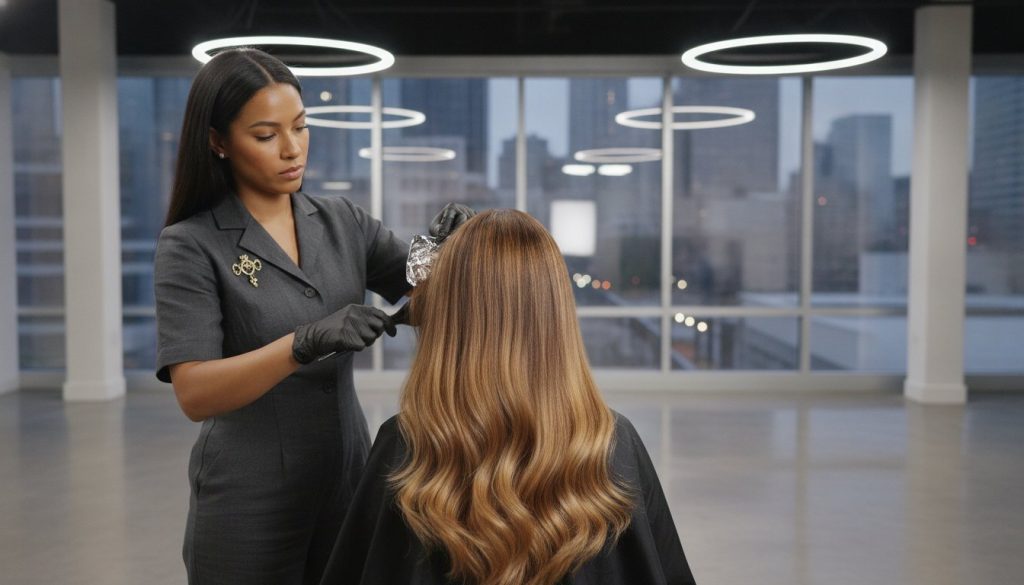
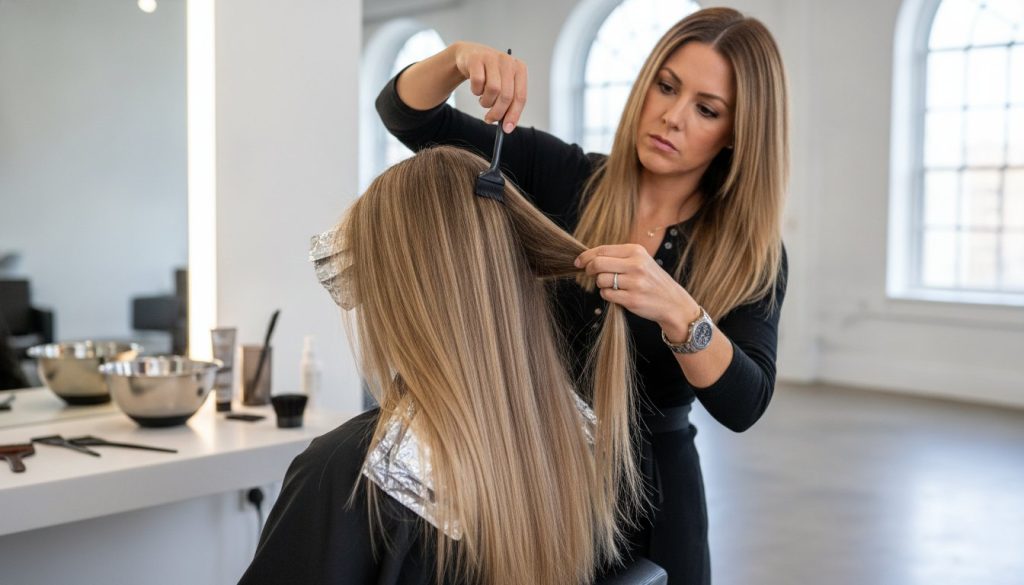
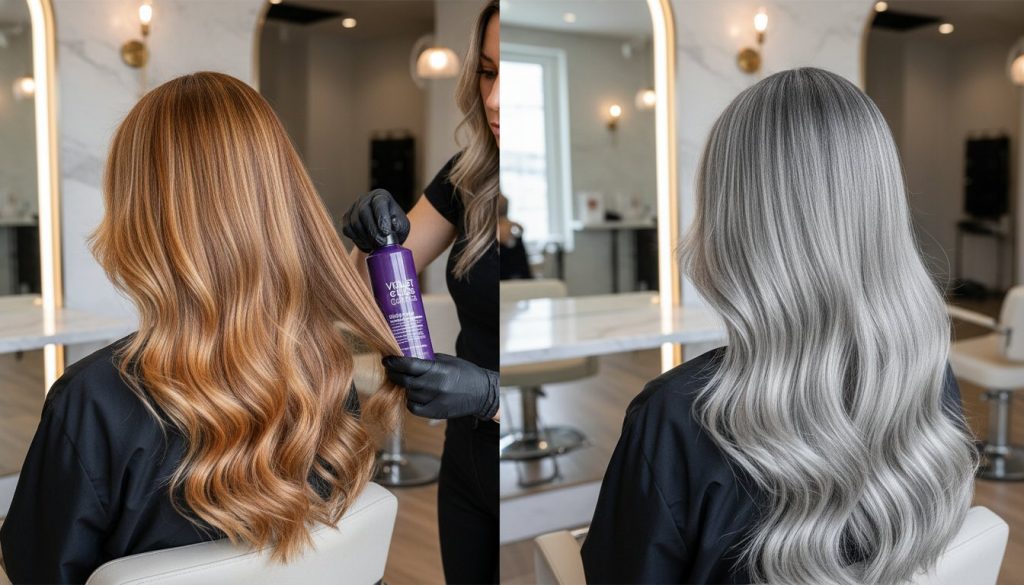
Master the Melt: A Professional Color Melting Tutorial for 2026
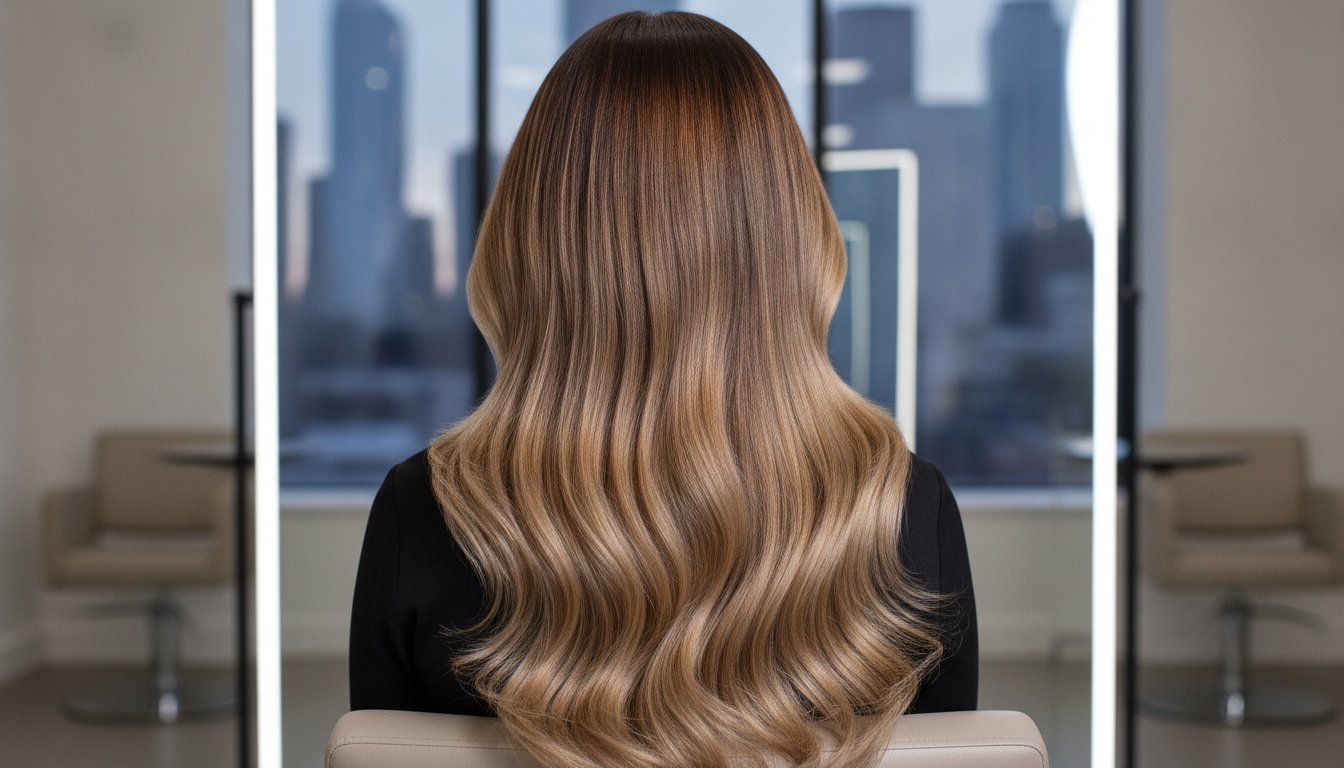
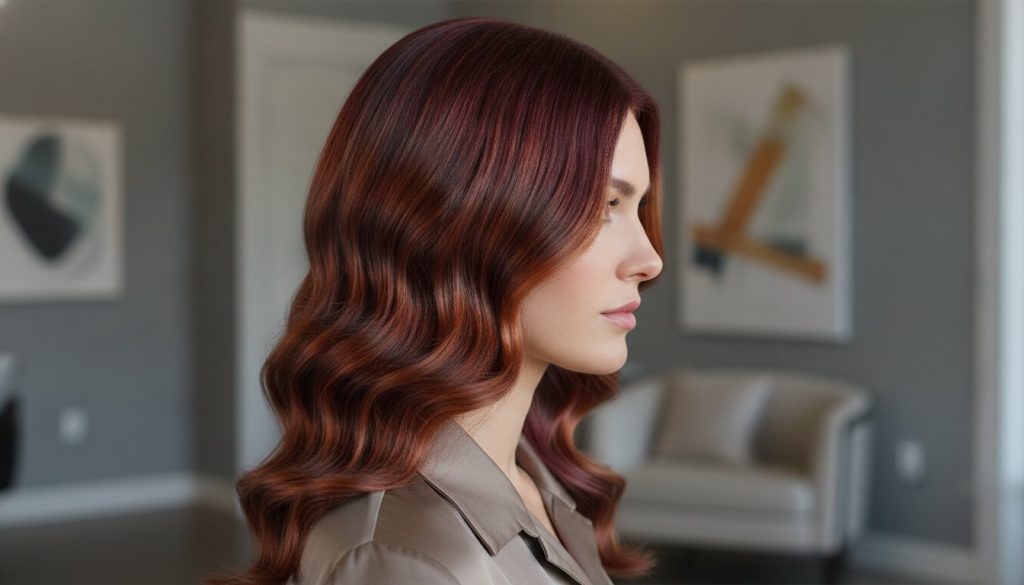
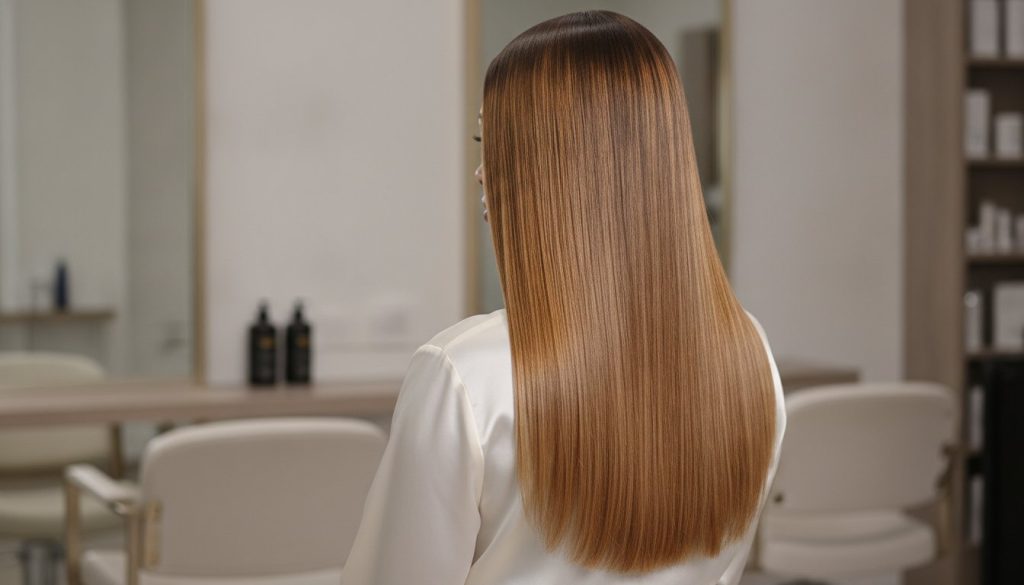
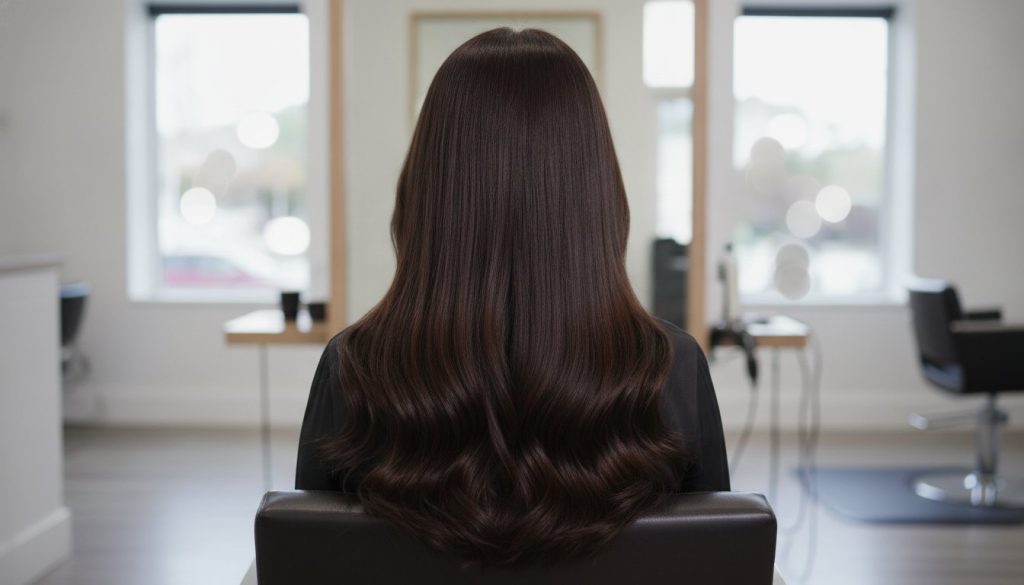
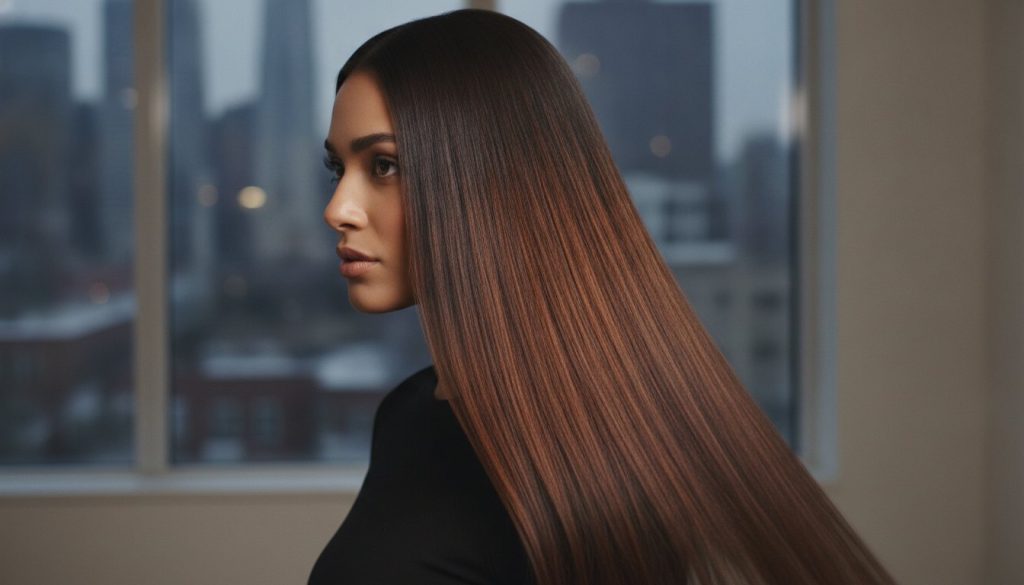
True color melting isn’t just a physical blending of dyes; it’s a mathematical orchestration of saturation zones that separates the elite colorist from the amateur. While over 60% of women regularly use hair coloring products, the demand for 2026 has shifted decisively toward the “lived-in” look of Quiet Luxury Blonde and Expensive Brunette. If you’ve ever struggled with harsh lines of demarcation or muddy transitions in the mid-shaft, you’re not alone. This color melting tutorial for professionals is designed to bridge the gap between technical science and metropolitan artistry.
We understand that your time is as valuable as your reputation, and inconsistent results are simply not an option in a high-performance salon environment. You’ll master the chemical principles and high-performance techniques required to execute flawless, seamless gradients for your elite clientele. This guide details how to increase your service revenue through premium techniques while significantly cutting down on application time. We will explore the latest 2026 trends and provide a step-by-step breakdown of how to achieve predictable, high-gloss results across every hair type.
Key Takeaways
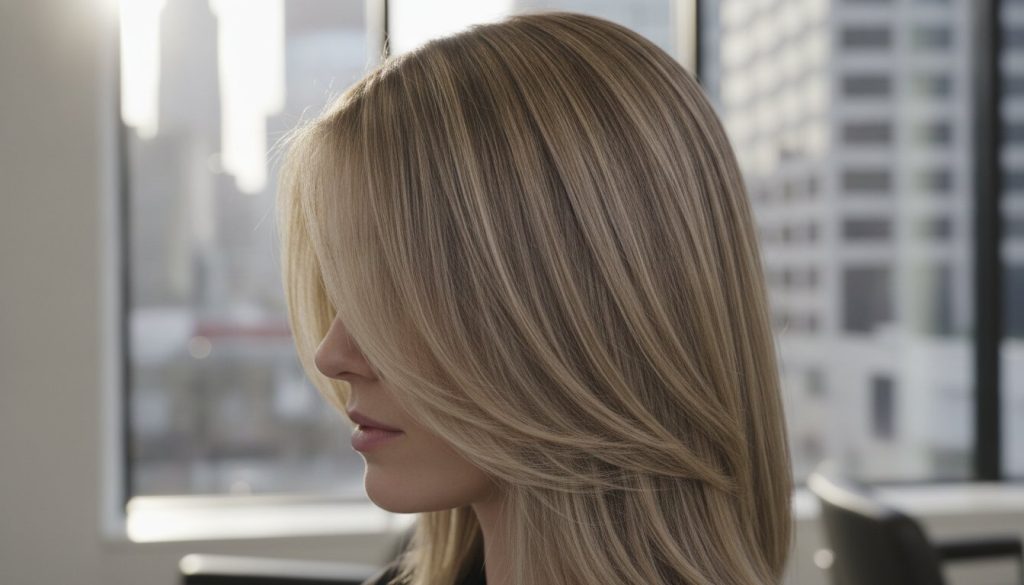
- Learn to distinguish modern color melting from legacy techniques to meet the 2026 demand for “Quiet Luxury” gradients and “Expensive Brunette” finishes.
- Follow this comprehensive color melting tutorial for professionals to master the mathematical mapping of three distinct saturation zones for a seamless “blur.”
- Discover why high-viscosity professional color lines and precision-tapered brushes are essential for achieving elite, high-performance results in a fast-paced environment.
- Implement a rigorous 4-quadrant sectioning methodology and porosity equalization to maximize efficiency while maintaining absolute control during complex applications.
- Elevate your premium service by integrating the Silk Touch Keratin Treatment to lock in vibrant pigments and provide a mirror-like shine that delights elite clientele.
Defining the 2026 Standards for Professional Color Melting
In the high-stakes environment of a metropolitan salon, color melting has evolved into a precision discipline. By 2026, the industry has moved past simple blending; we’re now orchestrating hyper-natural gradients that mimic the subtle shifts of natural light. This color melting tutorial for professionals focuses on the art of diffusing three or more shades to create a transition so seamless the eye cannot find where one ends and the next begins. Unlike retail-grade applications that often result in muddy, one-note colors, professional-tier melting relies on strict viscosity control. High-viscosity formulas allow for controlled placement, ensuring that pigments stay exactly where you deposit them without unwanted bleeding or “spotting” during the processing phase.
The Evolution of the Gradient: Beyond the Ombre
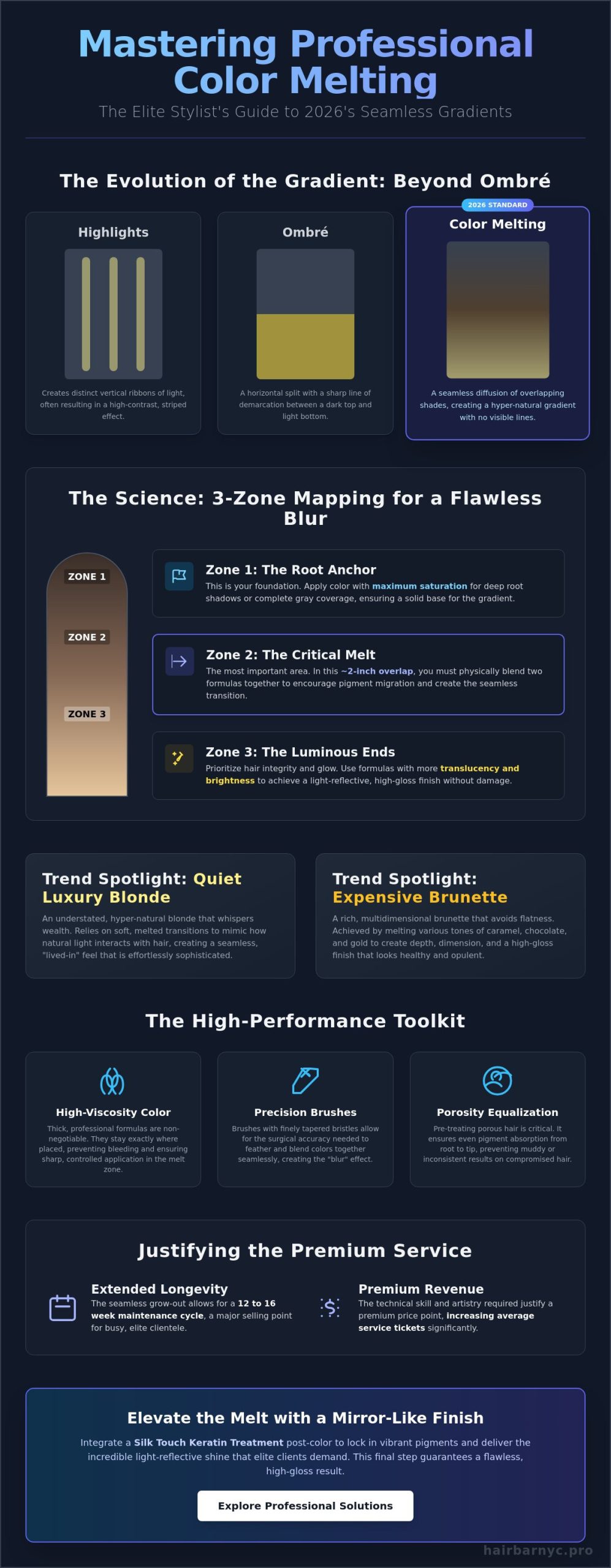
Clients in 2026 are increasingly rejecting the high-contrast dip-dye aesthetics of the past in favor of sophisticated diffusion. Transitioning a client from traditional highlights to a melt requires a strategic shift in how you view The Science of Hair Coloring. While highlights create vertical ribbons of light and ombre creates a horizontal split, melting focuses on overlapping blending zones. Color melting is the chemical diffusion of overlapping oxidative dyes. This technique bridges the gap between the root and the ends, replacing the harsh lines of traditional techniques with a soft, multidimensional flow that feels expensive and effortless. It’s the difference between a visible staircase of color and a smooth, continuous ramp.
Identifying the Ideal Candidate for a Professional Melt
Success begins with a rigorous assessment of hair porosity. Uneven porosity across the mid-shaft can lead to inconsistent pigment absorption, turning a luxury service into a corrective nightmare. If a client presents with a history of box dye or an uneven base, you must manage expectations immediately. A master melt is a premium service because it requires a deeper understanding of chemical timing and saturation. During your consultation, emphasize that this technique offers a 12 to 16 week maintenance cycle. This longevity, paired with the seamless aesthetic, justifies the premium price point in any upscale urban market. Focus on the health of the cuticle; a smooth surface is non-negotiable for the light-reflective finish your elite clientele expects. For stylists working with extensions to achieve these luxury looks, Shundietrend provides the cuticle-aligned hair necessary for a seamless, high-gloss blend. Don’t be afraid to recommend a restorative prep session if the foundation isn’t ready for high-performance color.
The Science of Seamless Transitions: Zones and Saturation
A master-level melt relies on understanding how oxidative dyes interact at a molecular level. In this color melting tutorial for professionals, we move beyond simple application to focus on the physics of “The Blur.” When you overlap two different color levels, you aren’t just placing them side-by-side. You’re creating a third, intermediate level through pigment diffusion. Darker levels possess a higher molecular weight, meaning their pigments are denser and more aggressive. If you don’t account for this density, the darker shade will quickly overwhelm the lighter one, leading to a muddy transition. Success depends on controlling light-reflecting properties through saturation and translucency.
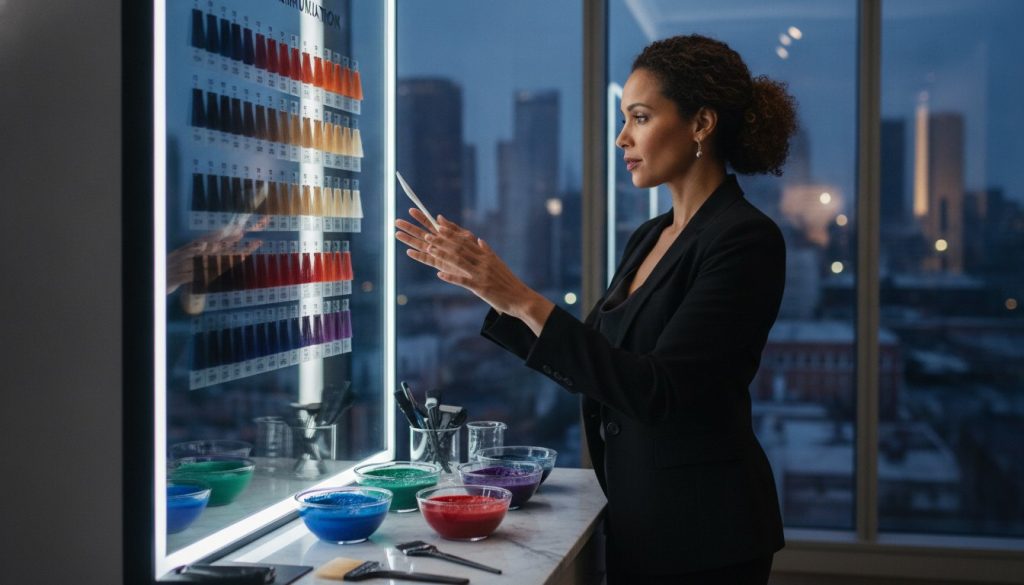
Ensuring your chemicals are handled according to Hair Dye Safety Regulations is the baseline for any elite service. Beyond safety, you must master the light-reflecting properties of your formula. High saturation provides depth, while translucency allows for the “glow” seen in premium 2026 trends like Quiet Luxury Blonde. Achieving this balance requires precise tools. Professionals often rely on a high-quality Mixing Bowl and Brush Set to ensure formulas are perfectly aerated and applied with surgical accuracy.
Zone Mapping for Predictable Results
Precision mapping prevents the “bleeding” that ruins a luxury service. We divide the head into three distinct areas to maintain control over the gradient’s progression. Zone 1, the root, is your anchor. Whether you’re providing gray coverage or a deep root shadow, this area requires maximum saturation. Zone 2 is the melt. This critical 2-inch overlap is where the chemistry of the transition occurs. You must physically work the two formulas together to encourage pigment migration. Finally, Zone 3 covers the ends. Here, we prioritize translucency and brightness to maintain the hair’s integrity and light-reflecting quality.
Managing Porosity and Pigment ‘Grab’
High-porosity ends are notorious for “grabbing” cool tones, which often results in an unintentional ashy or muddy finish. You’ve got to equalize the hair’s surface before the first drop of color touches the strand. Using a professional-grade Silk Touch Conditioner or Diamond Conditioner helps fill in the gaps of a damaged cuticle. This creates a uniform canvas, ensuring that pH levels remain balanced across the entire shaft. When the pH is stabilized, pigment distribution is even. The resulting gradient looks intentional, expensive, and perfectly diffused from root to tip.
Essential Tools and Product Selection for Elite Results
Elite results are born from a meticulous selection of tools that match the complexity of the technique. In this color melting tutorial for professionals, we prioritize high-viscosity cream formulas over liquid toners. Liquid toners are often too fluid for the precise overlap required in the melt zone, leading to unwanted bleeding and muddy results. A professional-grade cream color provides the structural integrity needed to stay exactly where you place it. This allows for a controlled diffusion that creates the seamless gradients your urban clientele expects. Every choice, from the viscosity of the dye to the strength of the developer, dictates the final light-reflecting quality of the hair.
The Professional Toolkit for Master Stylists
The architecture of your application is only as good as your instruments. Tapered brushes with feathered bristles are non-negotiable for blurring lines of demarcation. Unlike blunt-cut brushes that create harsh stamps of color, feathered bristles deposit pigment in a soft, irregular pattern that mimics natural hair growth. Efficiency in a fast-paced metropolitan salon also depends on your workspace. Utilizing a Mixing Bowl and Brush Set designed for professional viscosity ensures your formulas are perfectly aerated and ready for rapid application. This level of precision reduces service time while maintaining the uncompromising quality standards of an elite environment.
Selecting Your Color Palette: The Color Bar Advantage
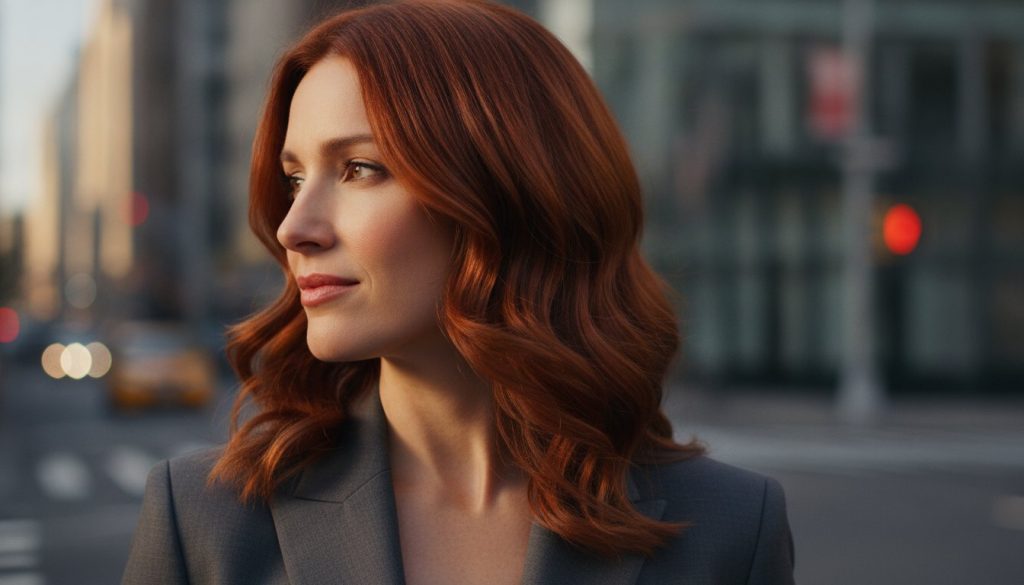
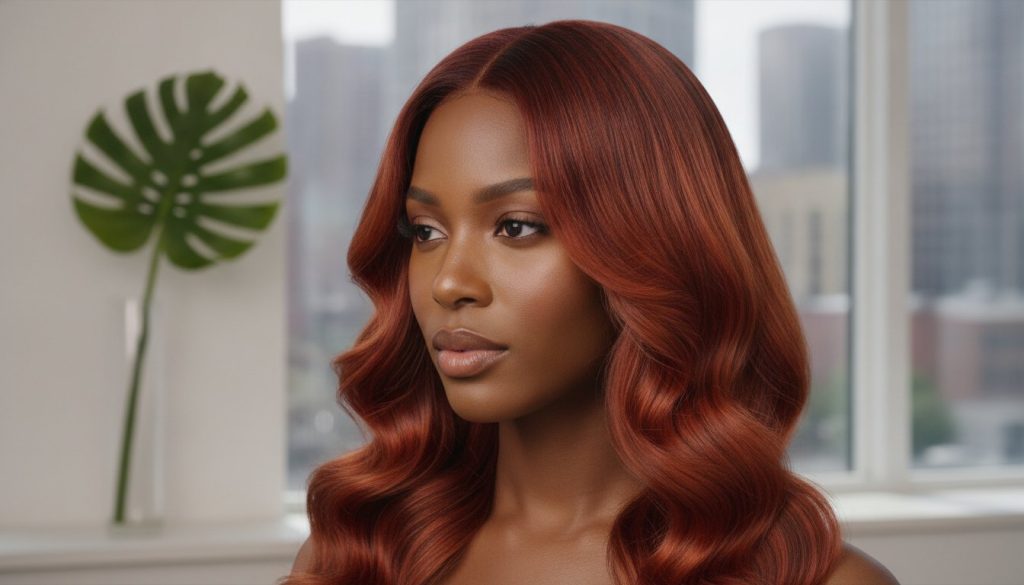
Your palette must offer the depth and dimension required for 2026 trends like “Expensive Brunette” or “Quiet Luxury Blonde.” By utilizing high-performance pigments found in professional hair color brands, you can access Level 1 through 10 systems that provide consistent, predictable results across all hair types. Color Bar Professional Hair Color offers the intense saturation needed for root shadows in Zone 1 while maintaining the translucency required for brightened ends. Modern, discerning clients also value ethical standards, making vegan and cruelty-free formulas a powerful selling point during the initial consultation. These high-performance ingredients ensure the hair remains resilient throughout the chemical transformation.
Simultaneous processing is the hallmark of an efficient master stylist. This requires choosing the right developer strength for each zone: typically a higher volume for Zone 1 to ensure gray coverage or lift, and a lower volume for the delicate ends in Zone 3. Once the chemical process is complete, the final step involves more than just a rinse. A Professional Flat Iron is essential for sealing the cuticle. This heat-driven closure locks in the oxidative dyes and ensures a mirror-like shine that lasts for weeks. This meticulous attention to detail transforms a standard color service into a signature luxury experience that keeps clients returning to your chair.
Step-by-Step Technical Tutorial: The Melting Methodology
Precision begins at the backbar. Before you even touch a mixing bowl, you must ensure a clean, responsive canvas. Use Silk Touch Shampoo to clarify the hair, stripping away environmental buildup and styling residues that could block pigment penetration. Once the hair is prepped, equalizing porosity is essential to prevent ‘hot spots’ where color might grab too aggressively. This color melting tutorial for professionals emphasizes that a master melt is built on a foundation of perfect hair health.
Sectioning and Tension Control
Efficiency in a high-end salon requires a disciplined 4-quadrant sectioning approach. Start by dividing the hair from the forehead to the nape, then from ear to ear. Within these quadrants, your sub-sections should never exceed 1/2 inch in thickness. This limitation ensures total saturation and prevents dry pockets that lead to inconsistent results. Maintaining consistent tension throughout the application is vital; if your tension fluctuates, the color transition will appear staggered rather than fluid. Elevation techniques are equally important; holding the hair at a 45-degree angle during the blending process allows the color to fall naturally, creating a more organic, diffused look.
The Blending Motion: Hand and Brush Techniques
The actual ‘melt’ occurs through a strategic application order. Apply your Zone 1 root formula first across the entire head, or at least within one quadrant. Move immediately to Zone 3, applying the lighter or brighter formula to the ends. By leaving Zone 2 blank until the very end, you prevent the darker root pigment from migrating too far down the hair shaft prematurely. When you finally address Zone 2, use vertical brush strokes to ‘blur’ the two formulas together. Horizontal strokes create lines; vertical strokes erase them. Use a dedicated, clean blending brush for Zone 2 to ensure you aren’t dragging excess dark pigment into your lighter ends. Use a gloved finger to physically marry the two shades in Zone 2, applying gentle pressure to force the oxidative dyes into a shared molecular space.
Processing and rinsing require just as much attention as the application itself. Monitor the transition zones closely, as different levels may process at slightly different speeds depending on the developer used. When it’s time to rinse, use cool to lukewarm water to keep the cuticle as flat as possible. Finish with a professional-grade conditioner to lock in the gradient and ensure the molecular bonds of the dye are fully stabilized before styling. To ensure you have the right tools for this level of precision, equip your station with professional-grade mixing and application sets designed for elite performance.
Elevating the Melt with Hair Bar NYC Professional Solutions
Mastering the technical application is only half the battle in a high-end urban salon. To truly distinguish yourself as an Expert Professional, you must ensure the longevity and vibrancy of the gradient long after the client leaves your chair. This final stage of our color melting tutorial for professionals focuses on the synergy between chemical artistry and post-service care. By positioning yourself as a guardian of hair health, you transform a one-time service into a long-term professional relationship built on uncompromising quality and predictable excellence.
Keratin Integration for Maximum Vibrancy
One of the most effective ways to preserve a complex melt is by integrating a smoothing service into the client’s journey. The Silk Touch Keratin Treatment acts as a high-performance sealant, locking oxidative pigments deep within the cortex while smoothing the cuticle scales. This creates a mirror-like surface that enhances the light-reflecting properties of your “Quiet Luxury” gradients. When scheduling, it’s best practice to perform the color melt first, followed by the keratin treatment to capitalize on the open cuticle state. This sequence ensures that the “metropolitan glow” of the color remains vibrant for up to 12 weeks. To maintain this result at home, clients must use the Silk Touch Shampoo, a sulfate-free system designed to cleanse without stripping the delicate intermediate levels of the melt.
The Business of Color Melting
Precision is profit. When you transition a client from a standard single-process to a Signature Color Melt, you aren’t just changing their hair; you’re offering a bespoke architectural service. Pricing should reflect this expertise. Many elite stylists move away from flat fees in favor of technique-based pricing that accounts for the multiple formulas and specialized “blurring” time required. This approach justifies the premium price point and reinforces your status as a specialist in elite care.
The service doesn’t end at the blow-dry. Curating a bespoke kit of natural hair care products for every color client is a powerful retail opportunity that ensures your work stays protected. Recommend pH-balanced conditioners and serums that maintain the moisture-to-protein ratio necessary for color retention. By providing these professional-grade tools, you bridge the gap between the salon environment and the client’s home routine. Ready to redefine your professional standards? Elevate your salon’s results with Color Bar Professional Hair Color and deliver the flawless, high-performance transitions that 2026 clients demand.
Master the Art of the Metropolitan Melt
The evolution of the gradient in 2026 demands a shift from simple blending to a disciplined orchestration of chemical zones. You’ve learned how to map the hair into distinct saturation areas and use vertical feathering techniques to eliminate harsh lines of demarcation. This color melting tutorial for professionals provides the technical foundation needed to deliver the “Quiet Luxury” and “Expensive Brunette” results that define the modern urban aesthetic. By prioritizing high-viscosity formulas and integrating post-color smoothing treatments, you ensure every client leaves with a mirror-like shine that lasts for months.
Ready to transform your service menu with elite-tier results? Shop the Color Bar Professional Hair Color Collection and experience the difference of a line used by top stylists in NYC and Florida. Our cruelty-free and vegan formulas are engineered for the professional-grade saturation and shine required for a flawless melt. Embrace these high-performance techniques and watch your salon’s reputation reach new heights of excellence.
Frequently Asked Questions
What is the difference between color melting and ombre?
Color melting eliminates the distinct horizontal line of demarcation that defines a traditional ombre. While ombre creates a high-contrast transition from a dark root to a light end, melting uses overlapping blending zones to create a soft, indistinguishable gradient. This technique is essential for the 2026 “Quiet Luxury” aesthetic where the goal is a hyper-natural, lived-in appearance that looks expensive and effortless.
Can I perform a color melt on hair that has a keratin treatment?
You can perform a color melt on keratin-treated hair, but you must account for the sealed cuticle’s impact on pigment penetration. It’s often more effective to apply the color first and then use a Silk Touch Keratin Treatment to lock in the oxidative dyes for maximum shine. If the hair already has a treatment, ensure you use a clarifying shampoo to remove any barrier before starting your application to ensure even absorption.
How do I prevent the dark root color from bleeding into the light ends?
Preventing pigment bleeding requires the use of high-viscosity cream formulas and precise sectioning. In this color melting tutorial for professionals, we recommend applying Zone 1 and Zone 3 first, leaving the intermediate Zone 2 blank until the final stage of application. Use vertical brush strokes to blur the shades physically without dragging the heavier molecular weight of the dark root color into the lightened ends.
What developer volume is best for the ‘melt’ zone?
A low-volume developer, typically 5 to 10 volume, is ideal for the ‘melt’ zone where formulas overlap. Since this area involves deposit-only chemistry on hair that is often more porous, high volumes aren’t necessary and can cause unwanted lift or “hot spots.” Using a lower volume ensures the chemical transition remains controlled and the hair’s integrity is preserved throughout the oxidative process.
How much should I charge for a professional color melting service in 2026?
Pricing for color melting in 2026 should reflect the specialized technique and extended service time required for a master-level result. Many industry professionals report that fees are generally aligned with other premium dimensional services like balayage or high-end corrective work. You should assess your local metropolitan market standards and your specific level of expertise to establish a rate that reflects the luxury nature of this specialized service.
Is it better to melt on wet or dry hair?
Dry hair is the preferred canvas for a professional color melt because it allows for maximum saturation and absolute control over placement. Wet hair can dilute the formula and lead to unpredictable bleeding or “slipping” in the transition zones. Following this color melting tutorial for professionals on dry, clarified hair ensures that the pigments are absorbed evenly and that your “blur” remains exactly where you intended it during processing.
How do I fix a harsh line if it appears after processing?
If a harsh line appears after processing, you can correct it by applying a demi-permanent gloss that bridges the two levels in the transition zone. Choose a shade that sits exactly between the root and end levels and apply it using vertical feathering strokes over the demarcation point at the backbar. This secondary blending step will soften the transition and restore the seamless, diffused gradient your elite clientele expects.
Which professional hair color brands are best for seamless blending?
High-performance lines that offer superior viscosity and intense pigment saturation are best for seamless blending. Color Bar Professional Hair Color is specifically engineered for this level of precision, providing the creamy consistency required for controlled overlapping without bleeding. When selecting a brand, prioritize those that offer a comprehensive level 1-10 system and vegan, cruelty-free ingredients to satisfy the demands of modern, discerning salon clients.