How to Perform a Patch Test for Hair Color: The Professional 2026 Guide
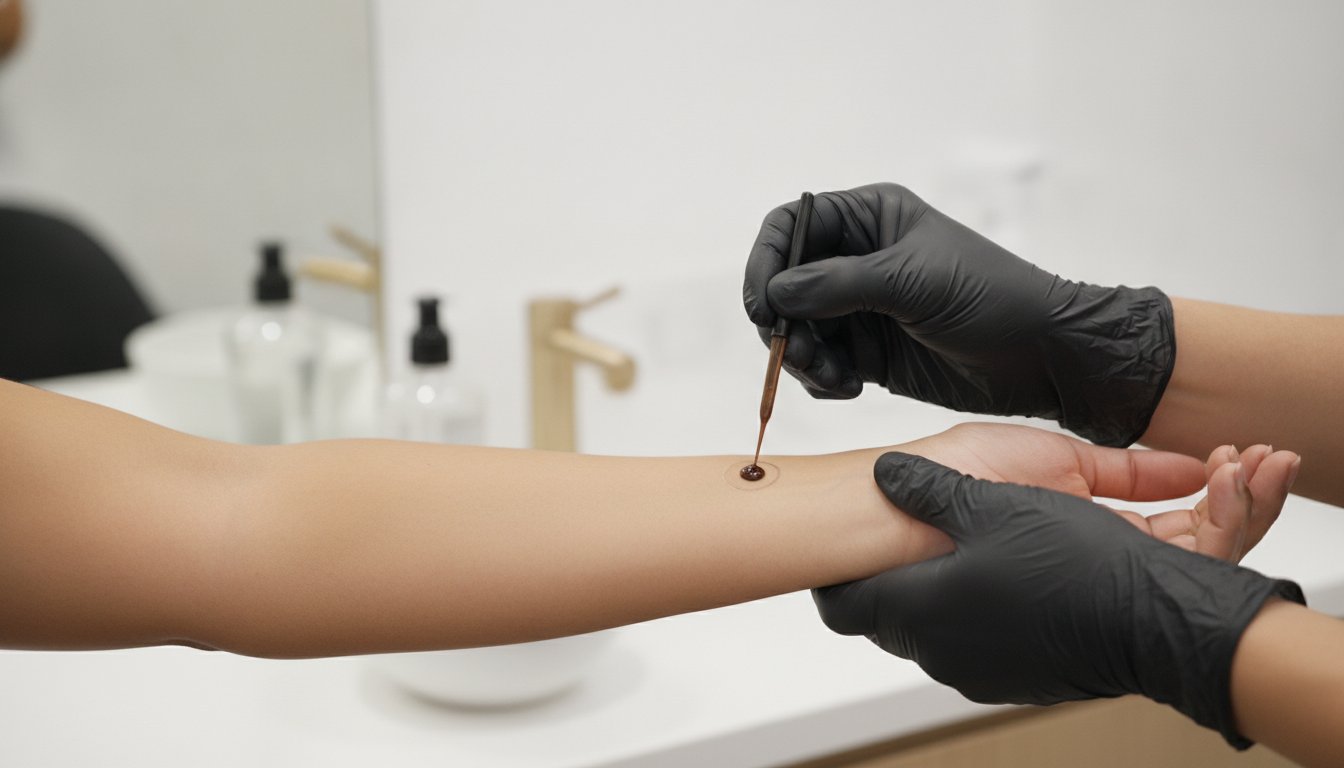
Did you know that PPD-positive reactions account for 36% of all allergic responses to hair products? Even for the most seasoned salon guest, your body’s chemistry is dynamic, meaning a formula that worked yesterday might trigger a reaction today. You deserve a high-performance transformation that doesn’t compromise your well-being. We understand the desire for that perfect, urban-chic hue balanced with the valid fear of itching or inflammation. It’s a common concern, especially when you’re moving between different professional environments or exploring new, high-pigment formulas.
Mastering how to perform a patch test for hair color is the professional non-negotiable for achieving a luxury result without biological compromise. This guide provides the foolproof, 2026 industry standard for skin safety, ensuring you can use elite formulas like Color Bar Professional with total confidence. We will detail the essential 48-hour protocol, explain why even PPD-free products require vigilance, and reveal the precise placement for your test. By following these expert steps, you’ll bridge the gap between salon-grade science and your personal beauty ritual, ensuring every color shift is as safe as it is sophisticated.
Key Takeaways
- Define the Allergy Alert Test (AAT) as a proactive diagnostic standard to ensure your skin’s unique biochemistry is compatible with professional-grade formulas.
- Understand the science of sensitization and why exposure to oxidative dyes like PPD requires consistent vigilance, even if you have colored your hair before.
- Master the precise, step-by-step protocol for how to perform a patch test for hair color using professional mixing ratios on sensitive skin sites.
- Learn to accurately interpret your results by distinguishing between minor contact dermatitis and serious hypersensitivity reactions during the critical 48-hour window.
- Gain the confidence to execute a flawless, high-performance transformation using the expert standards of Color Bar Professional Hair Color.
Why a Hair Color Patch Test is the Ultimate Safety Standard
In the world of high-end beauty, safety is the ultimate luxury. An Allergy Alert Test (AAT) is not merely a precautionary hurdle; it is a sophisticated diagnostic tool designed to verify skin compatibility before a single drop of pigment touches your hair. While modern formulas have reached new heights of refinement, your individual biochemistry remains the final authority. Even professional-grade, vegan-friendly products can trigger a response if your immune system identifies a specific ingredient as an irritant. This is why understanding how to perform a patch test for hair color is essential for anyone seeking a high-performance transformation without the risk of biological compromise. For those who want to further optimize their health through deep biological insights, Posh Fitness provides the wellness diagnostics necessary to understand your body’s unique requirements.
The 48-hour window is the industry gold standard for a reason. Unlike immediate irritations that appear within minutes, delayed hypersensitivity can take two full days to manifest. By observing the skin over this period, you ensure that your scalp integrity remains uncompromised. Adopting this protocol is the hallmark of an Expert Professional. It signals a commitment to excellence that prioritizes the long-term health of the hair and skin over the convenience of a rushed application. Precision in testing reflects the same precision you expect from your final color result.
The Myth of the “One-Time” Test
Past success is never a guarantee of future safety. You must perform a test every single time you color, regardless of how many years you have used the same brand. Your body is a dynamic system. Factors such as fluctuating hormonal levels, increased stress, or even changes in your local environment can alter how your skin reacts to external substances. Sensitization can also be cumulative; your immune system might ignore a formula for years before suddenly deciding to react. This level of rigor is exactly what the Elite Guide to Professional Hair Color Brands demands from discerning users who refuse to settle for anything less than elite care.
Salon Standards vs. At-Home Realities
Elite stylists in upscale urban settings never skip this step because their reputation depends on client safety. When using high-performance tools like Color Bar Professional Hair Color, you are working with concentrated, professional-grade chemistry that deserves a professional-grade testing method. A quick, haphazard swipe of product on the wrist is insufficient. A clinical Patch test requires a controlled application on a specific site to yield accurate results. Learning how to perform a patch test for hair color correctly bridges the gap between the expert salon environment and your home routine, ensuring your results are as safe as they are stunning.
The Science of Skin Sensitization: PPD, PTD, and Professional Formulas
Permanent hair color relies on sophisticated chemistry to achieve lasting depth. At the heart of this process are oxidative dyes like Paraphenylenediamine (PPD) and Toluene-2,5-diamine (PTD). These small molecules penetrate the hair cuticle and polymerize to create vibrant, permanent pigment. While these ingredients are the gold standard for performance, they are also the primary triggers for Dermatological adverse effects of hair dye. Understanding the potency of these compounds explains why knowing how to perform a patch test for hair color is a biological necessity for every guest, regardless of their coloring history.
Sensitization is the body’s developing immune response to repeated exposure. Your immune system is an active learner. It monitors every application, cataloging the molecules it encounters. Over time, it may misidentify these dyes as threats, launching a defensive strike even if you’ve colored your hair for decades. This shift in recognition is often silent until a reaction occurs. Mastering how to perform a patch test for hair color ensures you stay ahead of these biological shifts, protecting your scalp from sudden hyper-awareness.
Understanding PPD and Its Alternatives
PPD remains a staple in professional hair color for salons because it offers unparalleled longevity and coverage for resistant grays. However, elite formulas often incorporate PTD as a more refined alternative that maintains high performance while typically offering better scalp comfort. High-end systems like Color Bar Professional Hair Color use high-purity pigments to minimize the risk of irritation. Sensitization is the body’s developing immune response to repeated exposure. By using professional-grade formulas, you choose a standard of excellence that respects your skin’s delicate balance while delivering the metropolitan chic you desire.
The Role of Vegan and Clean Formulations
The move toward clean beauty isn’t just about trends; it’s about reducing the overall chemical burden on your body. Professional formulas that remove harsh additives like formaldehyde and sulfates support a healthier coloring environment. This clean approach creates a perfect synergy with treatments like the Silk Touch Keratin Treatment, which fortifies the hair fiber after the coloring process. It’s a common misconception in trichology that “natural” means “hypoallergenic.” Many plant-based extracts are potent allergens. Consistent testing is the only way to verify that your specific biochemistry is ready for a transformation. Explore the full range of professional hair color solutions to find your perfect, safe match.
Step-by-Step: How to Perform a Professional-Grade Patch Test
Precision defines the elite color experience. Executing a professional-grade safety check ensures your aesthetic vision remains uncompromised by biological irritation. Learning how to perform a patch test for hair color with clinical accuracy is a skill every informed user should possess. Adhering to FDA hair dye safety precautions provides the necessary framework for this essential ritual. Follow these four definitive steps to secure your safety.
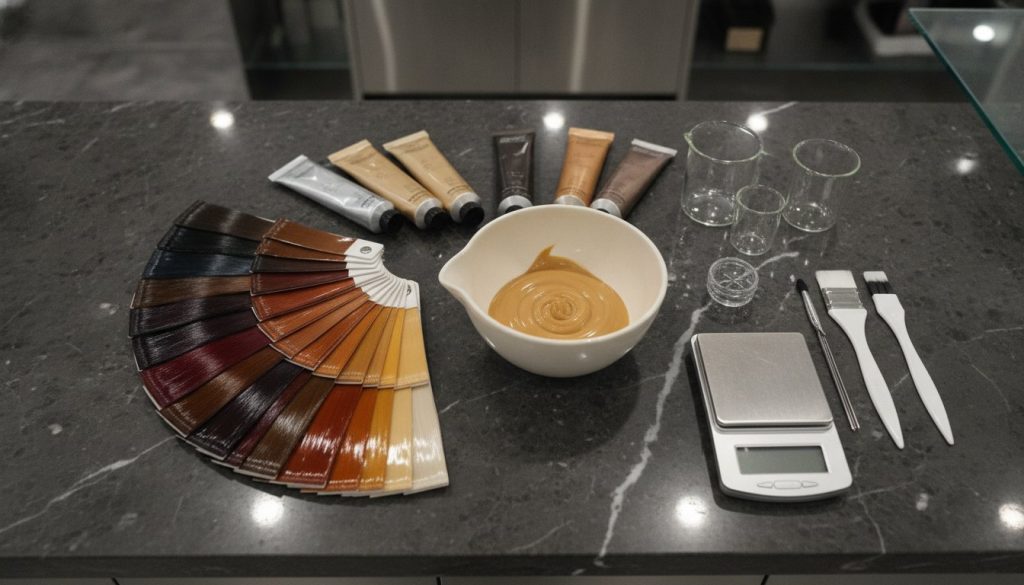
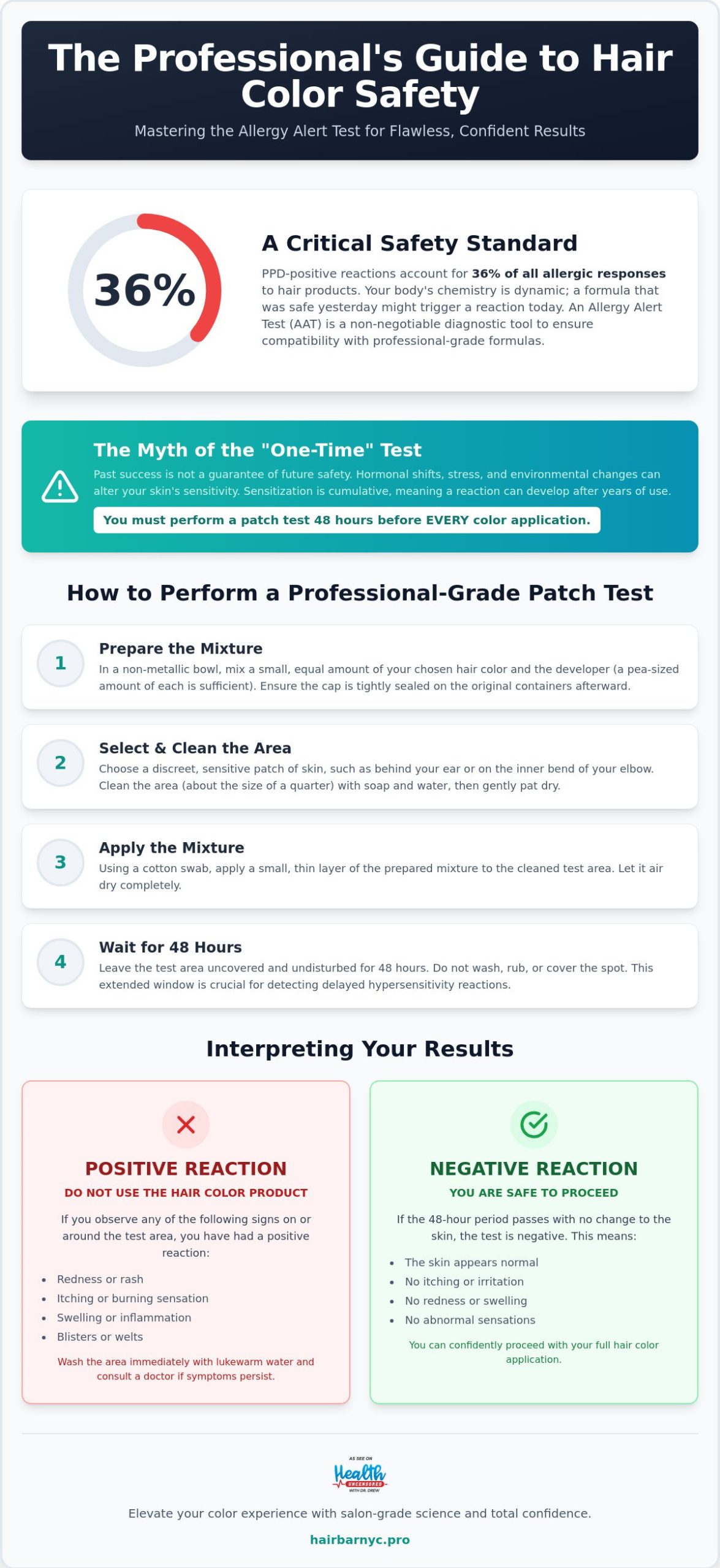
The first step involves preparing the skin site. Choose a discreet yet sensitive area, such as the inner elbow or the skin behind the ear. Cleanse the spot thoroughly using mild, fragrance-free soap and water. Rinse and pat dry with a clean towel. Any residual oils or lotions can interfere with the test results, so ensure the skin is completely bare. Once prepped, mix a microscopic amount of Color Bar Professional Hair Color with its designated developer. Use a 1:1 ratio or the specific mixing instructions provided with your formula. You only need a pea-sized amount for this diagnostic phase.
Apply the mixture to a 1cm by 1cm area of the prepared skin using a sterile tool, such as a cotton swab or a clean brush from your Mixing Bowl and Brush Set. Ensure the application is thin and even. Leave the product on the skin for the full 48-hour observation period. Do not wash, cover, or disturb the area during this time. This window is critical because delayed hypersensitivity often takes 24 to 48 hours to manifest. If you experience any burning, swelling, or redness, wash the area immediately and do not proceed with the full color application.
Selecting the Optimal Test Site
The inner elbow and the area behind the ear are the most accurate spots because the skin there is thin and highly reactive. Avoid any skin that has active breakouts, scars, or existing irritation, as these factors can lead to false positives or increased sensitivity. If you choose the area behind the ear, remember to remove all jewelry first. Metal alloys in earrings can sometimes react with hair color molecules, clouding your diagnostic results. Precision here ensures total clarity before your transformation begins.
Mixing and Application Protocol
Efficiency is a hallmark of the expert professional. You don’t need to waste your entire Color Bar Professional kit for a test. Create a “test batch” by using just a few drops of each component. After application, wait for the product to dry completely before letting it touch your clothing or hair. While some suggest a small adhesive bandage, open-air exposure is preferred for an accurate reaction. This controlled method mirrors how to perform a patch test for hair color in a high-end urban salon, bringing elite standards directly to your home routine.
Interpreting Your Results: Red Flags vs. Normal Sensations
Clinical discernment is the final, most critical phase of the safety protocol. Once you have mastered how to perform a patch test for hair color, you must act as an expert observer of your own skin. Understanding the nuance between a minor localized irritation and a systemic immune response ensures your beauty journey remains a source of empowerment rather than distress. While many expect an immediate reaction, the reality of hair color chemistry often involves a slow build of biological signals that require your full attention over the designated 48-hour window.
It is vital to differentiate between contact dermatitis and type IV hypersensitivity. Contact dermatitis is typically a localized response; it appears as slight redness or a faint stinging sensation exactly where the product was applied. In contrast, a type IV hypersensitivity is a delayed allergic reaction that involves the immune system. This reaction often intensifies as time passes. Red flags that demand immediate attention include blistering, weeping skin, or a rash that spreads beyond the initial 1cm x 1cm test site. If the area becomes raised, intensely itchy, or develops a thick, scaly texture, your body is signaling a clear incompatibility with the formula.
The timeline of these symptoms is why the 48-hour rule is non-negotiable. Some reactions peak at the 24-hour mark, while others may only become visible in the final hours of the test. This delayed onset is the primary reason why a quick “swipe and see” method fails to meet professional standards. By maintaining a steady, watchful cadence, you provide your immune system the necessary time to communicate its limits. This level of vigilance is the only way to ensure a high-performance transformation that respects your scalp’s health.
What a Negative Result Looks Like
Managing a Positive Reaction
If you observe any red flags, take immediate action to protect your skin. Flush the area with cool, running water for several minutes and avoid any further contact with the product. Should you experience more severe symptoms like facial swelling, intense scalp heat, or shortness of breath, seek professional medical consultation immediately. Document the reaction with clear photos and note the specific time it appeared. This information is invaluable for your stylist or the manufacturer when determining future formula adjustments. To ensure you are using the most refined, salon-grade options, explore Color Bar Professional Hair Color for your next expert-led consultation.
Elevating Your Color Experience with Hair Bar NYC Professional
Excellence in hair care is a continuous journey that extends far beyond the initial application. At Hair Bar NYC Professional, we believe that safety and luxury are inextricably linked. By mastering how to perform a patch test for hair color, you’ve already adopted the meticulous standards of a top-tier urban salon. Our Color Bar Professional Hair Color is specifically engineered for the modern, informed user who demands high-performance results without sacrificing scalp integrity. This system represents a bridge between clinical safety and aspirational beauty, providing the tools necessary for a transformative experience that feels as sophisticated as it looks.
Transitioning to professional-grade solutions means moving away from the unpredictable nature of standard retail products. It’s about embracing a standard of excellence where every ingredient is purposeful and every tool is designed for precision. Whether you’re performing your application at home or seeking an expert-led consultation, the goal is a safe, vibrant, and enduring result. We invite you to experience the Hair Bar NYC Professional standard, where your hair’s health is the absolute foundation of its beauty. This commitment ensures you remain an insider in the world of elite care, especially when you apply our expert advice on how to perform a patch test for hair color to your personal routine.
Beyond the Patch Test: Total Hair Health
A successful color transformation is only the beginning of your hair’s narrative. To ensure a flawless finish, we recommend pairing your color service with our Silk Touch Keratin Treatment or Diamond Keratin Treatment. These proprietary formulas fortify the hair fiber from within, sealing in pigment while providing a mirror-like shine that lasts for weeks. Maintenance is equally vital; using sulfate-free options like our Silk Touch Shampoo and Conditioner or Diamond Shampoo and Conditioner preserves the vibrancy of your shade while keeping your scalp balanced. Professional tools like our professional hair dryer and professional flat irons ensure the color is sealed without damage. This holistic approach ensures your metropolitan chic remains effortless, healthy, and high-performing.
Join the Elite: Professional Solutions
The shift from box dye to professional hair color for salons is a defining moment for any discerning buyer. It signifies a move toward customization and quality that retail kits simply cannot match. To achieve these results, you need the right accessories, such as our Mixing Bowl and Brush Set, to maintain the precise ratios required for professional-tier performance. Explore our professional hair color collection to find your next signature look and join the ranks of those who refuse to compromise on their beauty standards. Step into the world of elite care and let your hair reflect the high standards you live by every day.
Secure Your Signature Shade with Total Confidence
Your journey toward a vibrant, urban-chic transformation is now backed by the highest safety standards in the industry. We have explored the clinical necessity of the 48-hour observation window and the biological importance of testing for sensitization to oxidative dyes. Knowing how to perform a patch test for hair color with clinical precision ensures that your aesthetic evolution remains a source of pure empowerment. By treating your skin with the same respect you give your hair, you uphold the uncompromising standard of excellence that defines the modern beauty insider.
Elevate your routine with formulas trusted by salon owners for over a decade and utilized daily by expert stylists in our high-end NYC and Florida locations. These cruelty-free and vegan-friendly professional formulas are designed to deliver high-performance results while respecting your delicate biochemistry. Discover Color Bar Professional: The Elite Standard in Hair Color and start your next transformation with the total peace of mind you deserve. Your most stunning, safe, and sophisticated look is just one expert step away.
Frequently Asked Questions
Is 24 hours long enough for a hair color patch test?
No, 24 hours is insufficient for a professional-grade safety check. The industry gold standard is 48 hours because delayed hypersensitivity reactions often take two full days to manifest. Cutting this window short risks missing a late-onset immune response that could lead to severe inflammation during your full application.
Can I do a patch test with just the hair dye and no developer?
You must mix the colorant and developer according to the specific ratios provided in your kit. The chemical reaction that occurs when these two components meet is what your skin will experience during the service. Testing the dye in isolation fails to simulate the oxidative process, which is the primary trigger for most sensitivities.
What happens if I skip the patch test and have a reaction?
Skipping the test leaves you vulnerable to severe allergic contact dermatitis, which can manifest as intense burning, blistering, or significant facial swelling. Beyond the immediate physical pain, a serious reaction can lead to temporary hair thinning and may prevent you from using permanent oxidative dyes in the future.
Why did I have a reaction now when I have used this color for years?
Your immune system is a dynamic learner that can develop sensitization at any point in your life. Changes in your hormonal balance, stress levels, or even your local environment can alter your skin’s reactivity. This biological shift is why learning how to perform a patch test for hair color before every application is a non-negotiable standard for elite care.
Can I perform a patch test while I have other hair treatments in?
Yes, you can conduct a patch test while your hair is benefiting from other services like a Silk Touch Keratin Treatment. Because the test is applied to a localized skin site, such as the inner elbow, it doesn’t interfere with the hair’s cuticle or the performance of other professional-tier treatments you may be using.
Does a vegan hair color still require a patch test?
Absolutely, vegan and clean formulas require the same 48-hour vigilance as traditional dyes. While these products prioritize ethical ingredients, they still rely on oxidative dyes to achieve permanent results. Individual biochemistry is unique, and even the most refined plant-based extracts can act as a trigger for a specific immune system.
What should I do if the patch test area feels slightly itchy but looks normal?
If you experience persistent itching, you should treat it as a positive result and refrain from the full coloring process. Itching is a sensory warning from your immune system that an adverse reaction is beginning. Proceeding with a full application could escalate this minor irritation into a serious hypersensitivity event.
How do I store the remaining hair color after I have opened it for a patch test?
Secure the caps on your Color Bar Professional Hair Color tubes immediately after dispensing the microscopic amount needed for your test. Store the remaining product in a cool, dry environment away from direct light. When you understand how to perform a patch test for hair color efficiently, you’ll preserve the integrity of the formula for your final transformation.