The Professional’s Guide to Managing Client Allergies in the Salon: 2026 Standards
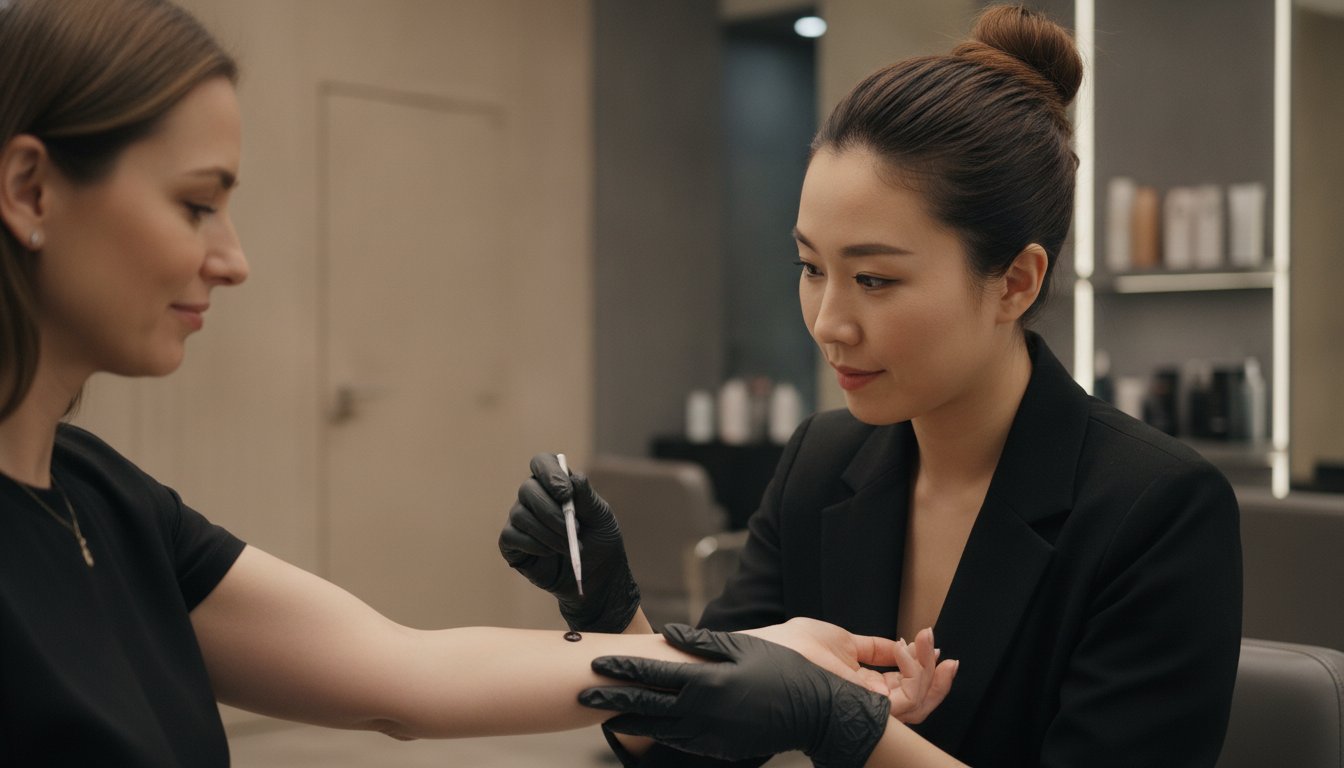
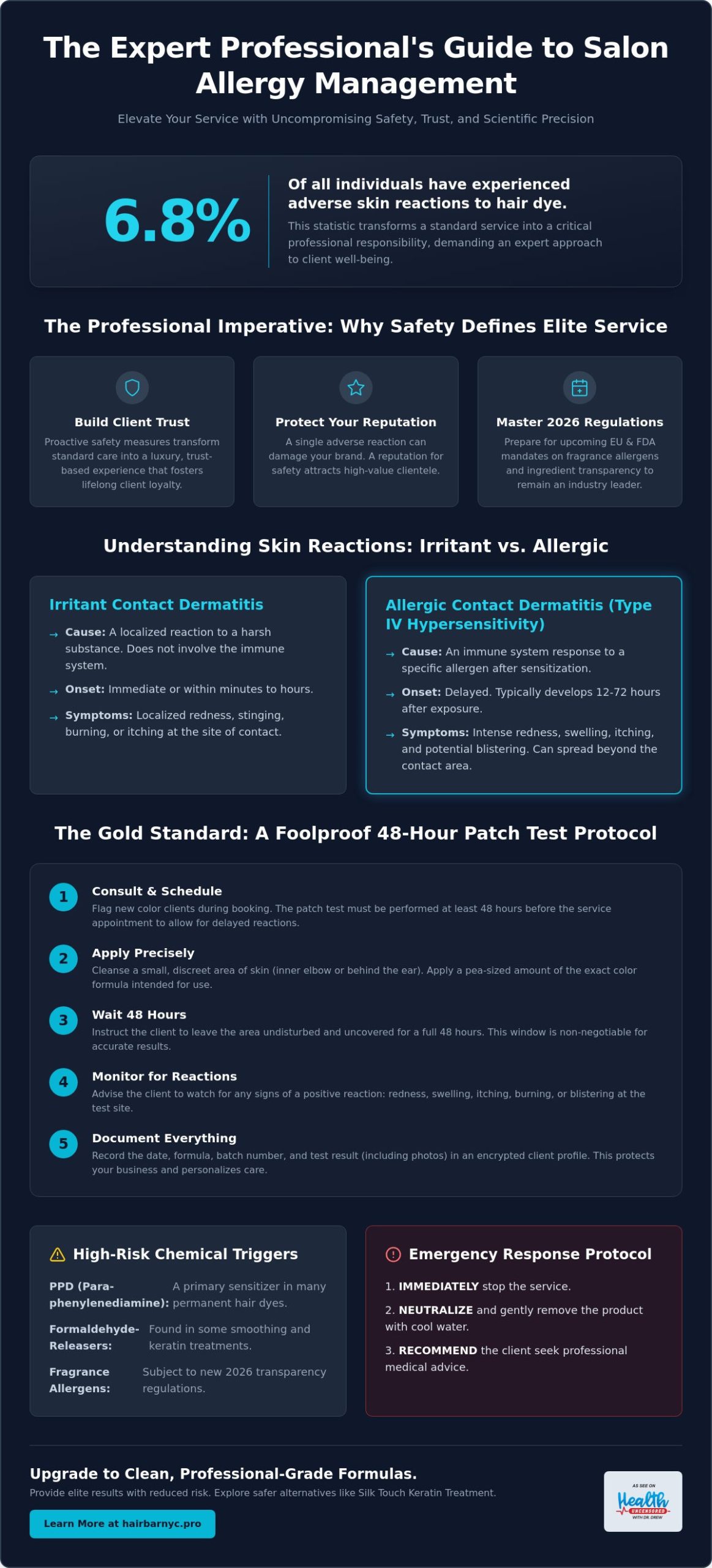
Research indicates that 6.8% of individuals have experienced adverse skin reactions to hair dye, a statistic that turns a standard service into a serious professional responsibility. You understand that your clients expect more than just a transformation; they expect a sanctuary where their well-being is never at risk. Effectively managing client allergies in the salon is the invisible foundation of a truly elite practice, separating the trend-followers from the true industry experts who lead the metropolitan market.
It’s natural to feel concerned about the legalities of patch testing or the nuances of contact dermatitis, especially with new 2026 mandates from the EU and FDA regarding fragrance allergens and ingredient transparency. This guide will empower you to master these complexities with confidence and grace. You will discover how to implement rigorous safety protocols, navigate the latest 2026 regulatory standards, and utilize high-performance tools like our Color Bar Professional Hair Color to deliver uncompromising results. We are bridging the gap between scientific precision and the sensory luxury your guests deserve, ensuring your chair remains the ultimate destination for safe, sophisticated care.
Key Takeaways
- Establish your status as an Expert Professional by integrating proactive safety measures that transform standard care into a luxury, trust-based experience.
- Discover the 2026 gold standard for patch testing, including optimized timing and placement protocols that fit seamlessly into a fast-paced urban schedule.
- Master the art of managing client allergies in the salon by identifying high-risk chemical triggers such as PPD and formaldehyde-releasing agents.
- Develop a professional de-escalation protocol to handle adverse reactions with an authoritative presence and immediate, effective neutralizing actions.
- Upgrade your backbar with high-performance, clean alternatives like Silk Touch Keratin Treatment to provide elite results with significantly reduced respiratory and skin risks.
The Duty of Care: Why Allergy Management Defines Elite Salon Service
In the high-stakes world of elite hair care, your technical skill with a blade or a brush is only half the equation. The modern metropolitan guest demands a standard of excellence that extends beneath the surface of the scalp. Truly managing client allergies in the salon means moving beyond basic compliance and embracing the role of the Expert Professional; a guardian of guest health who understands that safety is the ultimate luxury. When a client sits in your chair, they aren’t just buying an aesthetic. They are investing in your discernment. Proactive care builds an unbreakable psychological bond, transforming a one-time visitor into a lifelong advocate for your brand.
Understanding the biological nuances of the skin is essential for any top-tier stylist. You must distinguish between irritant contact dermatitis, which is a localized reaction to harsh substances, and a true Type IV hypersensitivity. While irritation might manifest as immediate redness or stinging, Allergic Contact Dermatitis involves the immune system and can develop hours or even days after exposure. This distinction is critical when managing client allergies in the salon. With the 2026 regulatory mandates for expanded fragrance allergen labeling now in effect, being “ingredient literate” is no longer a niche interest. It is a non-negotiable professional requirement for those operating at the peak of the industry.
The Economics of Safety
Your reputation is your most valuable currency in an upscale urban setting. A single adverse reaction can ripple through your online ratings and social presence, tarnishing years of brand building in an afternoon. Conversely, a comprehensive consultation that prioritizes scalp health and allergy screening positions your salon as a specialist destination. High-ticket clients are willing to pay a premium for the peace of mind that comes with a rigorous safety protocol. This mindset of prioritizing specialized care is common among high-end consumers, whether they are choosing a stylist or seeking expert services like MotoClean for the maintenance of their technical apparel. By positioning your business as a leader in sensitive-scalp luxury, you secure higher retention rates and a clientele that values quality over cost.
Understanding the Science of Sensitization
Sensitization is a cumulative process. Repeated exposure to aggressive chemicals can compromise the skin barrier, allowing allergens like Para-phenylenediamine (PPD) to penetrate deeper and eventually trigger a permanent allergy. This is why professional-tier products focus on molecular integrity. Formulas that respect the scalp’s microbiome reduce the risk of sensitization over time. As an expert, your choice of backbar tools reflects your commitment to long-term client health. Choosing products with refined chemical structures ensures you deliver high-performance results without sacrificing the safety of your guests.
Implementing a Foolproof Patch Testing Protocol
Elite safety protocols are the hallmark of a high-end urban salon. While some might view patch testing as a logistical hurdle, the Expert Professional sees it as a vital touchpoint for building rapport and demonstrating professional integrity. Managing client allergies in the salon starts with a rigid 48-hour protocol. This window is non-negotiable; it accounts for the body’s delayed hypersensitivity response, which a cursory 15-minute observation simply cannot detect. By the time 2026 standards are fully realized, this timeframe will be the baseline for any stylist operating in the luxury tier.
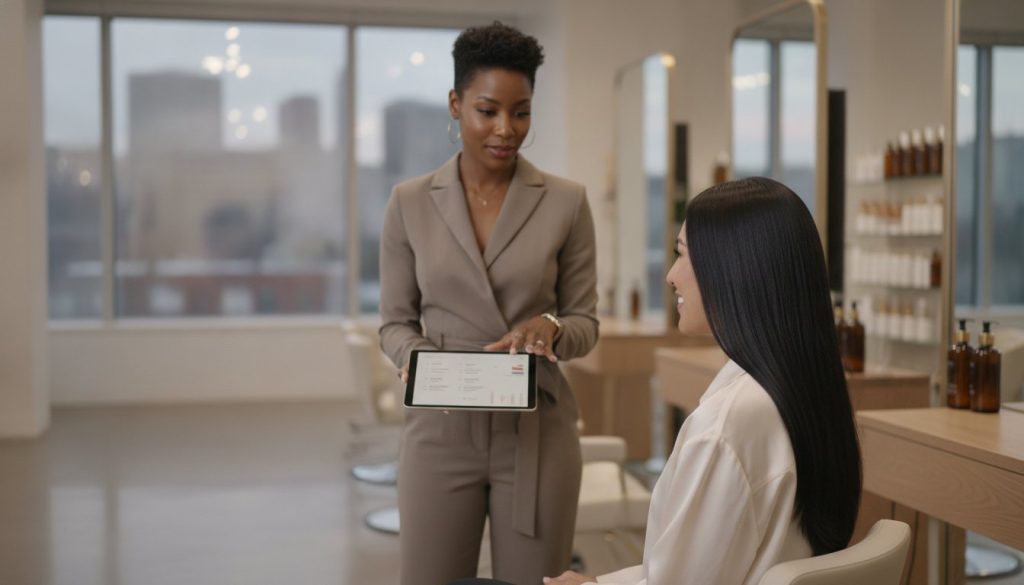
Integrate these tests into your workflow by shifting the conversation to the digital space. Use automated booking systems to flag new color guests, prompting a pre-service consultation or a screening test at least two days before the appointment. This ensures your chair remains a high-revenue zone without the risk of last-minute cancellations due to reaction concerns. Documenting these results digitally is essential. High-end salons now utilize encrypted client profiles to store patch test dates, product batch numbers, and high-resolution photos of the test site. This data trail protects your business and provides the client with a sense of elite, personalized care.
Step-by-Step Patch Test Execution
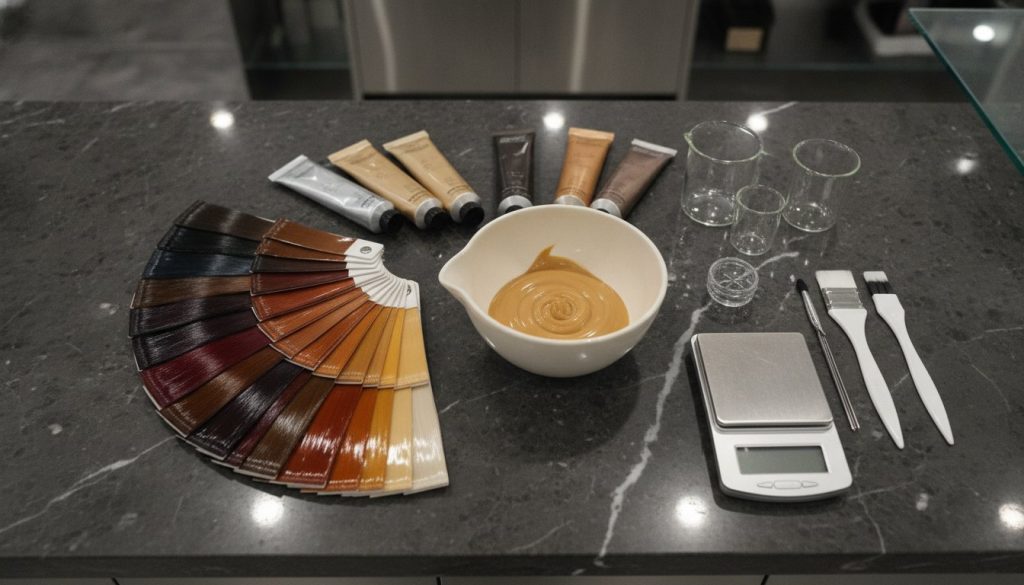
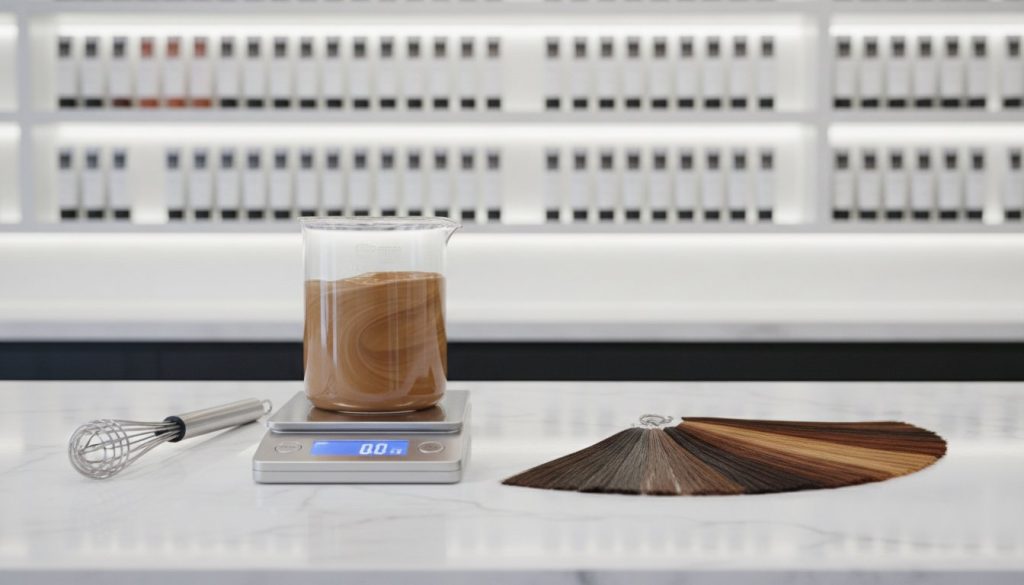
Precision is key. Cleanse a small area of skin on the inner elbow or behind the ear, then apply a pea-sized amount of the exact formula intended for the service. Leave the product undisturbed for 48 hours. Instruct the client to watch for specific markers of a positive reaction: localized redness, persistent itching, swelling, or blistering. If any of these occur, the service must be reconsidered. Elevate your technical precision by utilizing our Color Bar Professional Hair Color, designed for the discerning stylist who demands both safety and vibrancy.
The Consultation as a Diagnostic Tool
A sophisticated intake form is your first line of defense. Ask targeted questions about past reactions to hair dye, cosmetics, or even temporary henna tattoos. Research indicates that black henna often contains high concentrations of PPD, which can sensitize a client for life. If a guest reports a previous reaction, professional ethics must override the desire for a single booking. Refusing service in the interest of client health is not a loss; it’s a bold statement of your commitment to excellence. This level of authority is what builds the unbreakable trust required for high-ticket client retention in a competitive metropolitan market.
Identifying Common Chemical Triggers in Professional Hair Care
Managing client allergies in the salon requires a molecular-level understanding of the products on your backbar. While many stylists focus solely on the final aesthetic, the Expert Professional prioritizes the chemistry behind the shine. The most prevalent offender in permanent hair color remains Paraphenylenediamine (PPD), a potent allergen that can cause severe reactions in sensitized guests. However, the 2026 landscape has brought “invisible” triggers to the forefront. New regulations from the EU and the FDA now mandate the labeling of over 80 fragrance allergens, highlighting how common scents and preservatives in shampoos can be just as reactive as the dyes themselves. True transparency is the new industry standard, and your ability to decode an ingredient list is what defines your elite status.
Preservatives like methylisothiazolinone (MI) and various formaldehyde-releasing agents have historically been used to extend shelf life, but they often come at the cost of scalp integrity. As consumers become more ingredient-literate, they look to you to filter out these risks. By selecting products with high molecular integrity, you ensure that high-performance results don’t compromise the safety of your metropolitan clientele. This shift toward clean, professional-grade chemistry is not just a trend; it’s a fundamental evolution in how we approach guest care.
Navigating Keratin Smoothing Risks
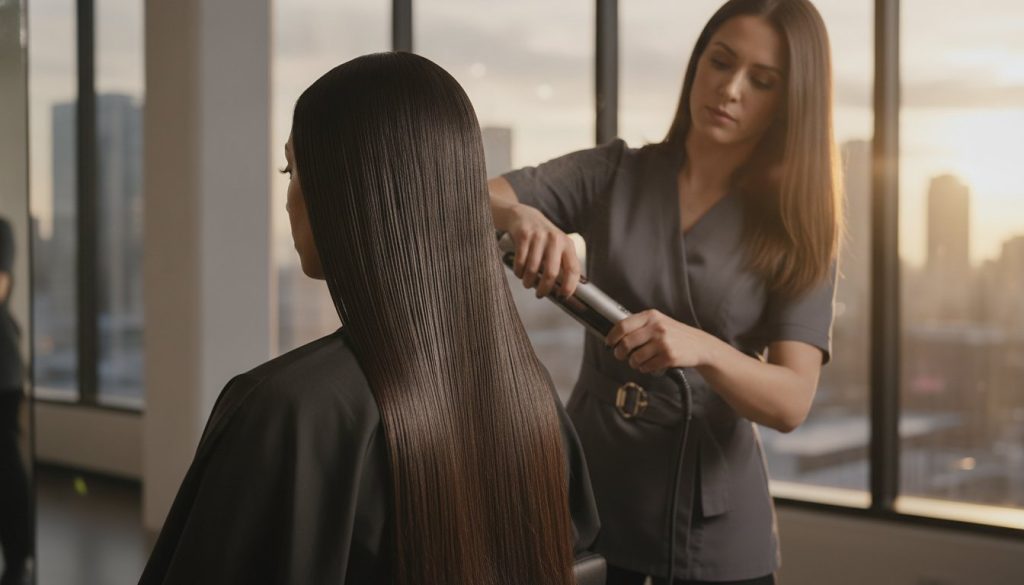
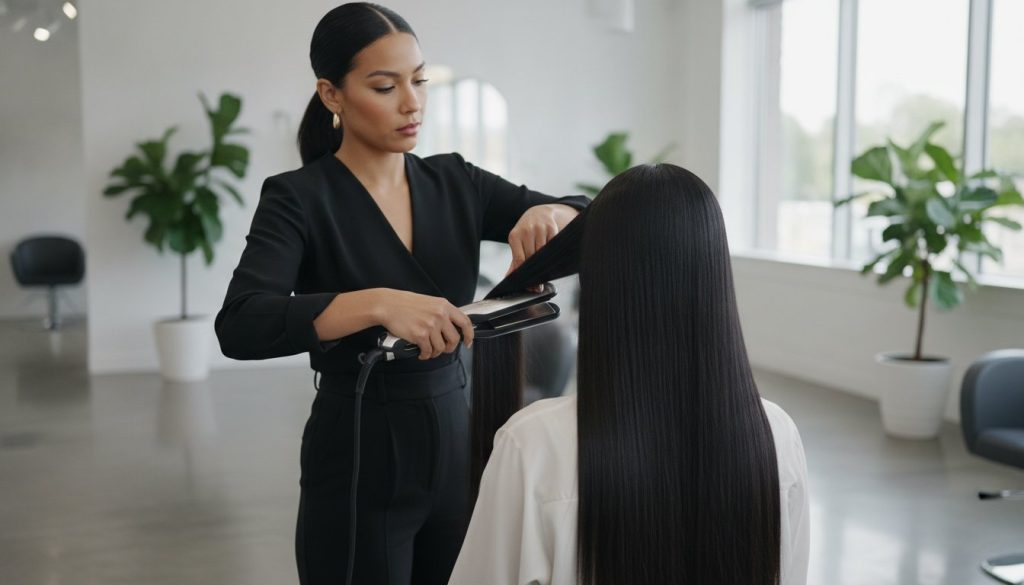
The evolution of smoothing systems has moved away from the toxic fumes of the past toward sophisticated, formaldehyde free keratin treatment options. Traditional formulas often relied on methylene glycol, which releases formaldehyde gas when heated by a flat iron. Our Silk Touch Keratin Treatment utilizes advanced vegan science to eliminate these respiratory and skin risks entirely. Glyoxylic acid derivatives serve as a safer alternative to formaldehyde by cross-linking keratin proteins to reshape the hair fiber without releasing hazardous vapors during the heat-styling process. This allows you to offer the sleek, frizz-free results your clients crave in a completely safe, luxury environment.
The Professional Color Bar
When evaluating professional hair color brands, the focus has shifted toward reducing the “chemical load” on the scalp. Many elite systems now replace ammonia with Monoethanolamine (MEA) and utilize oil-based delivery systems to drive pigment deeper into the cortex with less irritation. Managing client allergies in the salon is significantly easier when your color line is engineered for comfort. Color Bar Professional Hair Color balances these high-performance pigments with soothing agents, ensuring a vibrant, long-lasting finish that respects the delicate balance of the scalp’s microbiome.
Emergency Response: Managing Adverse Reactions with Professionalism
The hallmark of an Expert Professional isn’t just the ability to prevent a crisis; it’s the mastery displayed when one occurs. Managing client allergies in the salon requires an instantaneous transition from artist to safety lead. When a guest experiences sudden itching, burning, or visible erythema, your composure is the foundation of their experience. Calm is contagious. By maintaining an authoritative presence, you reassure the client that they are in the hands of a knowledgeable expert who is fully prepared to handle the situation with metropolitan efficiency and grace.
Your immediate priority is the cessation of the chemical process. Neutralize the trigger by leading the client to the sink for a thorough rinse. Use cool, tepid water to soothe the scalp and slow down blood flow to the affected area, which helps minimize swelling. Avoid any aggressive mechanical friction or scrubbing, as compromised skin is highly susceptible to further damage. Once the product is removed, assess the scalp under professional lighting to determine the severity of the response and decide on the next steps for post-service care.
The First 60 Seconds: Physical Intervention
Timing is everything. Within the first minute of a reaction, you must rinse the hair continuously for at least ten minutes to ensure every trace of the allergen is gone. During this phase, utilize pH-balanced, natural hair care products that are free from synthetic fragrances or harsh surfactants to gently cleanse the area without further provocation. Never apply heavy oils or occlusive “soothing” balms to a blistering or broken skin reaction; these can trap heat and bacteria, potentially leading to infection. Instead, focus on light, aqueous solutions that allow the skin to breathe while it recovers.
Professional Communication & Liability
Sophisticated energy must be maintained even during a crisis. When discussing the reaction, avoid language that admits fault or suggests negligence. Instead of saying “I’m sorry, I made a mistake,” use action-oriented phrases like, “I am noticing some sensitivity, so I’m taking immediate steps to ensure your comfort and safety.” This maintains your professional standing while prioritizing the guest’s well-being. Document the incident with clinical precision, noting the product batch numbers, the duration of exposure, and the specific symptoms observed. This record is essential for insurance purposes and for adjusting the client’s future service plan to avoid a recurrence.
After the immediate reaction has subsided, provide the client with a clear, written follow-up plan. This should include instructions to monitor the area for 24 hours and a recommendation to consult a medical professional if symptoms persist. Before they leave, schedule a complimentary scalp assessment for the following week. This proactive follow-up reinforces the trust they’ve placed in your brand and demonstrates that your commitment to their health is uncompromising. To ensure you have the safest tools at your disposal for every service, explore our professional-tier backbar essentials designed for elite performance.
Proactive Prevention: Transitioning to Clean, Professional-Grade Formulas
The Silk Touch advantage lies in its ability to deliver high-end smoothing results without the respiratory or skin risks associated with traditional treatments. This system utilizes advanced vegan science to provide the sleek, frizz-free finish your guests demand while respecting the air quality of your metropolitan space. Educating your clients on the importance of aftercare is the next step in this safety-first journey. Recommend maintenance with sulfate-free Silk Touch Shampoo and Conditioner to ensure the hair remains vibrant and the scalp remains calm long after they leave your studio. Even your tools play a role; investing in premium Professional Flat Irons ensures even heat distribution, which reduces the likelihood of heat-induced scalp sensitivity during intensive services.
Building a Low-Allergen Service Menu
Position your brand as a leader in the “Clean Beauty” movement by marketing a menu specifically designed for sensitive guests. Highlight the role of the Keratin Intensive Treatment, which focuses on deep structural repair without the need for harsh chemical additives. For clients accustomed to traditional, high-risk color, facilitate a smooth transition to Color Bar Professional Hair Color. This line balances high-performance pigment with a commitment to scalp comfort, allowing you to provide transformative results while managing client allergies in the salon with quiet, authoritative confidence.
The Future of Professional Hair Care
We are entering an era of “Skinification,” where the scalp is treated with the same clinical precision and luxury as the face. As an Expert Professional, you are the bridge between these elite scientific advancements and the tangible results your clients crave. Embracing this trend means prioritizing formulas that support the scalp’s microbiome and overall health. Hair Bar NYC Professional remains your essential partner in this evolution, providing the tools and products necessary to uphold an uncompromising standard of excellence.
Elevate your salon standards with Hair Bar NYC Professional products.
Elevate Your Professional Standard for 2026
Mastering the art of client safety is what distinguishes a high-end service provider from the rest of the market. You’ve seen that rigorous patch testing and deep ingredient literacy are the cornerstones of trust in an upscale urban salon. By identifying chemical triggers before they reach the scalp, you protect your brand’s reputation and ensure every guest feels like an insider in the world of elite care. Successfully managing client allergies in the salon is a continuous commitment to excellence that requires the finest tools and formulas available. It’s about providing a sanctuary where beauty never comes at the expense of health.
Our scientific approach to hair health and smoothing has made us a trusted partner for elite stylists in New York and Florida. We offer cruelty-free and formaldehyde-free formulas that deliver uncompromising results without the risk. Upgrade your salon with our professional-grade, clean beauty solutions. Your expertise is the bridge to a safer, more beautiful future for every guest who sits in your chair. Lead the way with a standard of care that is as sophisticated as the results you create.
Frequently Asked Questions
How do I tell the difference between a chemical burn and an allergic reaction?
A chemical burn is an immediate, painful reaction to caustic substances, whereas an allergic reaction is an immune-mediated response that often presents as delayed itching or swelling. Burns occur precisely where the product touched the skin and happen quickly. Allergic reactions, or contact dermatitis, may take 24 to 48 hours to manifest and can spread to the neck or face, even if the product was only applied to the scalp.
Is it possible for a client to develop an allergy to a product they have used for years?
It’s absolutely possible for a client to develop a sudden allergy to a product they’ve used successfully for years. This process is known as sensitization, where the immune system gradually identifies a specific ingredient as a threat after repeated exposure. Managing client allergies in the salon requires constant vigilance, as a guest’s biological response can change due to health shifts, medication, or simply the cumulative effect of chemical contact.
What are the most common allergens found in professional hair dye?
Para-phenylenediamine (PPD) remains the primary allergen in permanent hair color, though its alternative, Toluene-2,5-diamine sulfate (PTDS), was named the 2025 Allergen of the Year for its high cross-reactivity. Other frequent triggers include fragrance components and preservatives like methylisothiazolinone. By 2026, expanded labeling laws in the EU and US make it easier for stylists to identify these substances before they cause a reaction.
Can I still perform a keratin treatment if my client has a history of skin sensitivity?
You can perform smoothing services on sensitive clients by selecting advanced, formaldehyde-free formulas like our Silk Touch Keratin Treatment. Unlike traditional systems that release irritating vapors, these modern alternatives use glyoxylic acid derivatives to achieve results safely. Always conduct a patch test behind the ear 48 hours prior to ensure the client’s skin barrier remains calm and healthy throughout the transformation.
What should be included in a professional salon allergy intake form?
A sophisticated intake form should document the client’s history with hair dye, reactions to cosmetics, and any experience with temporary henna tattoos. It’s also vital to ask about recent changes in medical history or medication, which can alter skin sensitivity. Keeping these records updated annually is an essential part of managing client allergies in the salon and maintaining a professional standard of care for your metropolitan guest.
Are vegan keratin treatments like Silk Touch truly hypoallergenic?
While no professional product can be labeled 100% allergy-proof for every individual, Silk Touch Keratin Treatment is engineered to be a low-risk, high-performance alternative to traditional smoothing. It eliminates common irritants like formaldehyde and harsh synthetic fumes. This vegan approach significantly reduces the likelihood of respiratory or skin reactions, providing a safer environment for both the stylist and the discerning client who prioritizes clean beauty.
How long should I wait after a patch test before performing a full color service?
You must wait a full 48 hours after a patch test before proceeding with a permanent color service. This specific window is necessary because Type IV hypersensitivity reactions are delayed, often peaking two days after the initial exposure. Proceeding any sooner risks missing a slow-developing immune response, which could lead to severe discomfort or medical complications once a full application is performed on the scalp.
What are the legal requirements for patch testing in a professional salon?
Legal mandates vary by region, but the 2026 professional standard requires a patch test for all new color guests and existing clients who haven’t had a service in six months. In the UK, industry guidelines require annual skin testing for every client. While US regulations are currently evolving under MoCRA, maintaining detailed digital records of every test is your best defense against liability and a hallmark of elite salon management.