The Longevity Blueprint: Avoiding Stylist Burnout and Repetitive Strain Injury
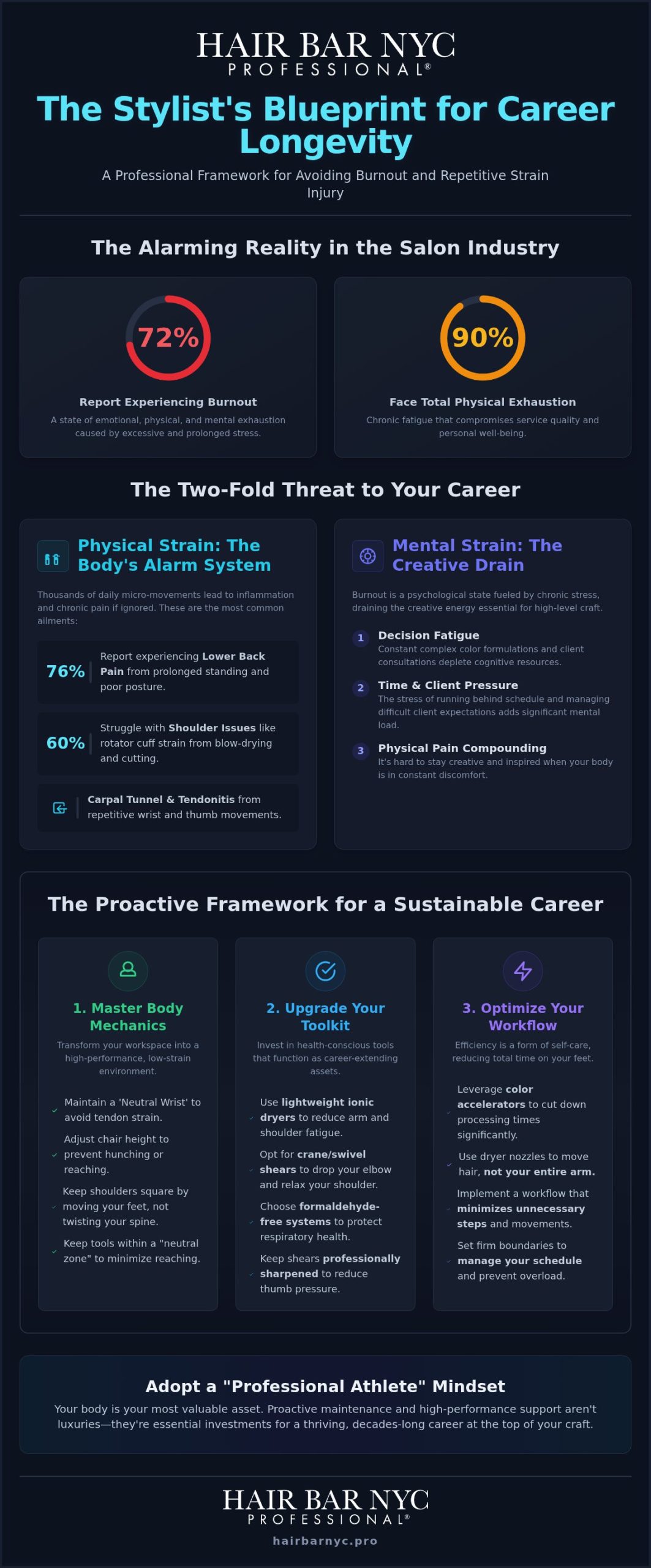
Did you know that as of July 2026, over 72% of beauty professionals report experiencing burnout, while nearly 90% have faced total physical exhaustion? It’s a sobering reality in an industry where many of us have come to accept chronic shoulder pain and respiratory irritation as part of the job description. Prioritizing strategies for avoiding stylist burnout and repetitive strain injury is no longer optional; it’s essential for anyone aiming for a long-term, elite career. You shouldn’t have to trade your physical health for your creative craft.
By integrating ergonomic tools like lightweight ionic dryers and adopting formaldehyde-free smoothing systems, you can eliminate the physical and chemical stressors that often cut careers short. This blueprint provides a professional framework for mastering your workflow while protecting your body from long-term damage. We’ll examine how to accelerate your service times without sacrificing quality and improve air quality, ensuring your salon remains a sophisticated sanctuary for both you and your discerning clients. It’s time to shift the narrative from surviving the workday to thriving in a high-performance environment.
Key Takeaways
- Master the ‘Neutral Wrist’ technique and optimal chair positioning to maintain joint alignment and prevent long-term musculoskeletal damage.
- Protect your respiratory health and daily stamina by transitioning to high-performance, formaldehyde-free smoothing systems like Silk Touch Plus.
- Implement a professional framework for avoiding stylist burnout and repetitive strain injury by utilizing lightweight, ionic tools that reduce physical torque on your hands and wrists.
- Leverage advanced color accelerators to significantly decrease processing times, effectively reducing your total “time-on-feet” without compromising service quality.
- Invest in a health-conscious professional toolkit that functions as a career-extending asset, ensuring you remain at the top of your craft for decades.
The High Cost of the Chair: Understanding Stylist Burnout and RSI
Standing behind the chair for ten hours a day is an endurance feat that rivals professional sports. Yet, while athletes have entire teams dedicated to their physical recovery, many hairstylists view chronic pain as an inevitable tax on their creativity. This mindset is exactly why the beauty industry faces such high attrition rates. When you ignore the early warning signs, you aren’t just working through soreness; you’re risking a career-ending condition. Adopting a “professional athlete” mindset means recognizing that your body is your most valuable piece of equipment, requiring precise maintenance and high-performance support.
The early indicators of carpal tunnel or tendonitis often appear as subtle tingling in the thumb, a dull ache in the rotator cuff, or stiffness in the lower back. These aren’t just inconveniences. They are the body’s alarm system. By the time a stylist feels sharp, shooting pains during a blowout, the damage has likely been accumulating for months. Successfully avoiding stylist burnout and repetitive strain injury requires a proactive approach that addresses both the physical mechanics of the job and the mental load of a high-volume schedule.
Defining Repetitive Strain Injury in Hairdressing
In the salon environment, a Repetitive Strain Injury (RSI) typically stems from the thousands of micro-movements performed daily. Every snip of the shears and every pass of a flat iron places stress on the delicate tendons of the wrist and thumb. Over time, these repetitive motions cause microscopic tears and inflammation. If your standing posture is compromised, this strain travels up the kinetic chain, leading to spinal misalignment and chronic leg fatigue. According to a 2019 review, up to 76% of hairdressers report lower back pain, while 60% struggle with shoulder issues. These statistics highlight a systemic problem that demands professional-grade ergonomic solutions.
The Mental Toll of a High-Volume Schedule
Burnout isn’t exclusively physical; it’s a psychological state fueled by chronic stress. The mental exhaustion often begins with decision fatigue. Every client consultation and complex color formulation requires intense cognitive focus. When you combine this with the pressure of “running behind” or managing difficult client expectations, your creative energy drains rapidly. Physical pain compounds this mental load. It’s difficult to remain inspired when your wrist is throbbing or your neck is locked. Protecting your career means setting firm professional boundaries and utilizing tools that streamline your workflow. High-efficiency products and ergonomic tools aren’t just luxuries; they’re essential components for avoiding stylist burnout and repetitive strain injury while maintaining your passion for the craft.
Mastering Body Mechanics: Ergonomic Strategies for Longevity
Longevity behind the chair isn’t solely about endurance; it’s about the precision of your geometry. Professional body mechanics transform your workspace from a source of strain into a high-performance environment. The foundation begins with your station setup. Adjusting your client’s chair so you aren’t reaching upward or hunching forward is the first step toward avoiding stylist burnout and repetitive strain injury. Maintain your tools within a “neutral zone” to minimize unnecessary torque on your joints throughout the day.
Ergonomic Cutting and Sectioning
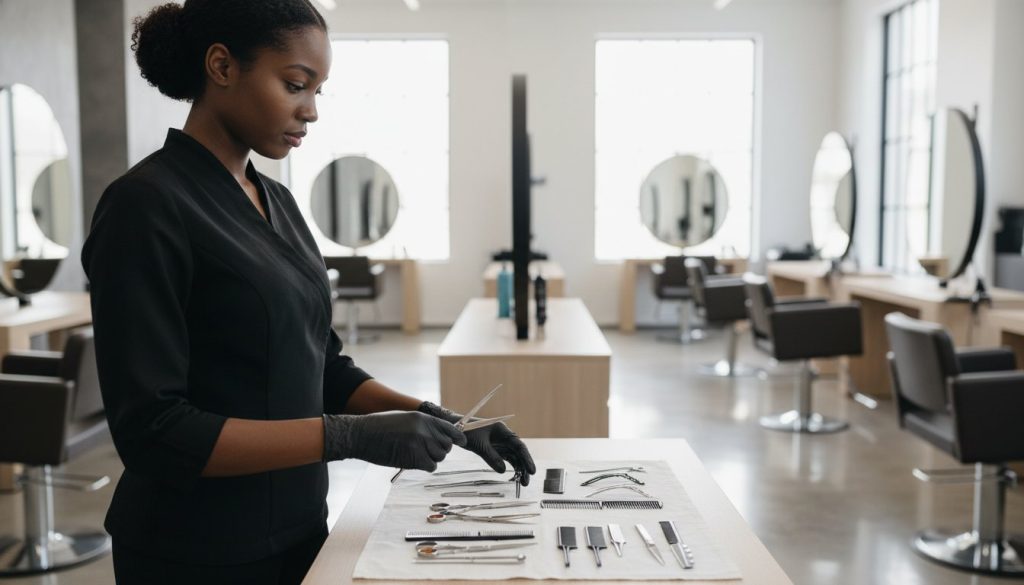
Precision cutting requires you to position your body relative to the section, not the client. Instead of twisting your spine to reach a difficult angle, rotate the chair or move your feet. This keeps your shoulders square and your weight distributed. Using shears with crane or swivel handle geometry is a sophisticated way to drop your elbow and relax your shoulder. These ergonomic designs prevent the “winged” posture that frequently causes rotator cuff issues. Additionally, never underestimate the impact of blade sharpness. High-quality, sharp shears require significantly less thumb pressure, which directly reduces the risk of inflammation in the carpal tunnel.
Safe Styling and Finishing Techniques
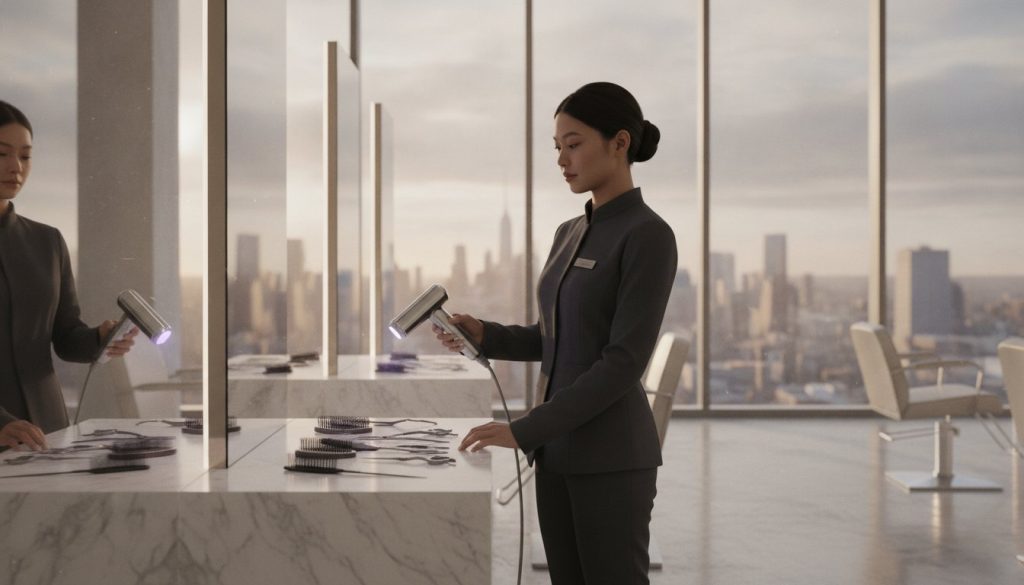
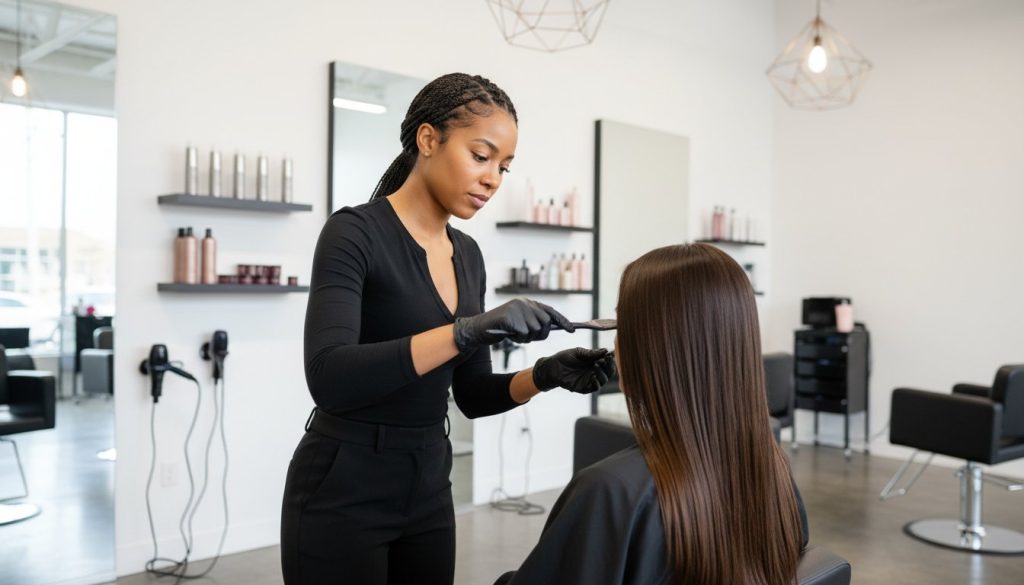
Blow-drying is often the most physically taxing part of a service. To protect your body, use the dryer nozzle to move the hair rather than swinging your entire arm. This shift in mechanics places the workload on the tool rather than your rotator cuff. When flat-ironing, avoid the “death grip” on the iron. A professional-grade tool should provide enough heat and tension to seal the cuticle with minimal manual pressure. Choosing lightweight equipment is essential for avoiding stylist burnout and repetitive strain injury. Advanced tools, such as the Professional Ionic Hair Dryer, utilize ionic technology to evaporate water faster; this reduces your total styling time and the weight your wrist must support.
Vibration is a hidden stressor. Low-quality motors create micro-vibrations that travel through your hand and into your forearm. Professional-tier tools are engineered to minimize this feedback. Between appointments, dedicate two minutes to strategic stretching. Reset your fascia by opening your chest and extending your forearms. These small, consistent resets prevent the “stylist slouch” and ensure your body remains as resilient as your creative vision.
The Hidden Stressor: How Chemical Exposure Contributes to Fatigue
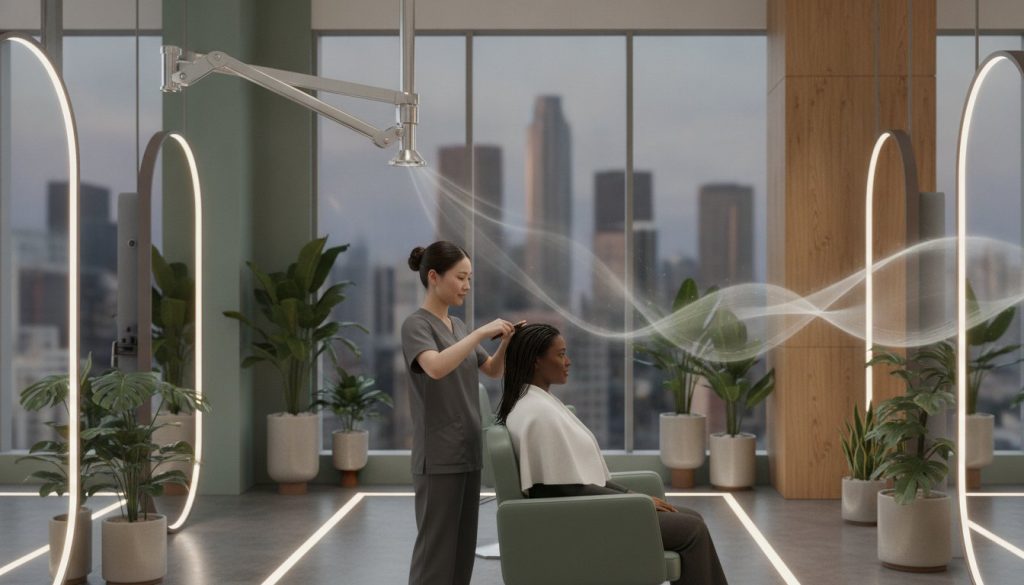
Physical pain is the most visible sign of an aging career, but systemic fatigue often begins in the lungs. Many specialists overlook the impact of air quality on their daily stamina. Inhaling formaldehyde and harsh aldehydes creates a constant inflammatory response in the body. This isn’t just about a temporary scent; it’s a physiological burden that leads to chronic headaches and brain fog. When you’re fighting a dull migraine by 2 PM, your precision drops and your stress levels spike. Successfully avoiding stylist burnout and repetitive strain injury requires a workspace that supports your respiratory health just as much as your musculoskeletal system.
Establishing a “Clean Air Salon” is a professional standard that distinguishes elite urban environments from standard retail spaces. Poor ventilation combined with aggressive chemistry forces your body to work harder just to maintain basic cognitive functions. By the end of a high-volume week, this cumulative toxic load manifests as deep exhaustion that rest alone cannot fix. Transitioning to vegan and botanical-based systems isn’t just a lifestyle choice. It’s a strategic career move designed to preserve your energy and your health for the next twenty years.
Formaldehyde-Free Smoothing as a Health Standard
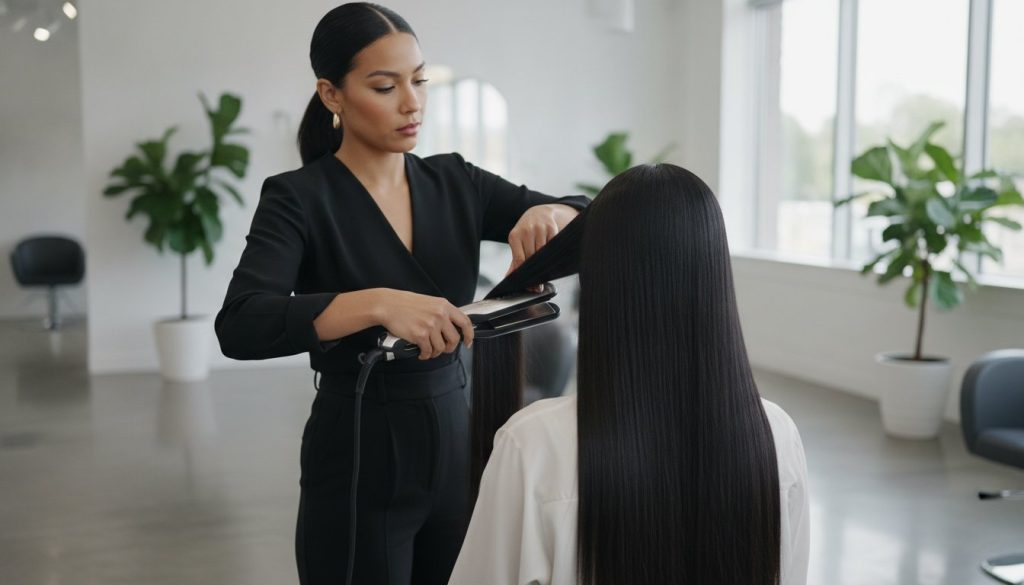
Traditional keratin treatments often release clouds of toxic fumes during the flat-ironing stage. These vapors irritate the eyes and throat, often forcing stylists to work in uncomfortable masks. Transitioning to formaldehyde-free keratin treatments is a professional necessity for long-term health. Products like Silk Touch Plus Advanced Formula utilize high-performance, 100% vegan ingredients to deliver elite results without the chemical fallout. By incorporating organic extracts and Aloe Vera, these systems soothe the scalp and protect the stylist’s respiratory tract. It’s a shift toward a workspace where technical excellence doesn’t come at the cost of your well-being.
Clean Color Chemistry
Respiratory protection also extends to your color bar. Ammonia-heavy environments contribute to a cumulative sense of exhaustion that many stylists simply accept as “part of the job.” Choosing professional hair color brands that prioritize keratin-infused formulas and reduced ammonia levels transforms the service experience. These advanced chemistries provide superior pigment load while maintaining a comfortable, fume-free atmosphere. When you reduce the chemical load in your station, you preserve your cognitive energy for the artistry of the consultation. This commitment to salon safety is a hallmark of an Expert Professional who understands that a sustainable career requires avoiding stylist burnout and repetitive strain injury through every product selection.
Efficiency as Self-Care: Optimizing Your Salon Workflow
Efficiency is frequently framed as a tool for increasing revenue, but in a high-end salon environment, it’s a critical component of physical preservation. Reducing your ‘time-on-feet’ is the most effective way of avoiding stylist burnout and repetitive strain injury. When you streamline your technical steps, you aren’t just improving your bottom line; you’re actively decreasing the hours of vertical pressure on your spine and joints. This professional approach to workflow ensures that your energy remains high from your first guest to your last. You don’t need to work harder when your chemistry works faster.
Accelerating the Color Service
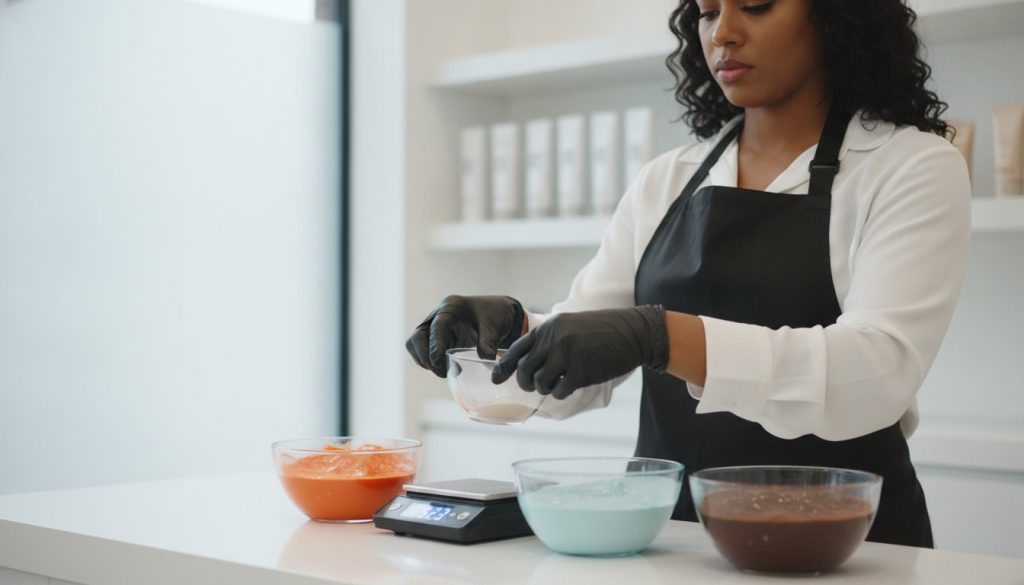
Processing time is traditionally a period of waiting, yet it often keeps the stylist in a state of constant motion or awkward positioning. Integrating the Speed-Up Color Accelerator transforms this dynamic by reducing permanent color processing to a mere 10 minutes. This technology allows you to reclaim 30 to 40 minutes of physical rest for every color service performed. By shortening the duration of each appointment, you create essential windows for decompression and physical recovery that are often lost in a traditional schedule. You can shop Hair Bar NYC Professional solutions to immediately enhance your daily stamina and reduce standing time.
High-Performance Smoothing with Less Effort
Smoothing services are often the most physically demanding appointments on a specialist’s book due to the repetitive nature of the application. The Silk Touch Plus system provides a sophisticated 1-step processing advantage that eliminates unnecessary steps. This efficiency reduces the repetitive mechanics of multiple rinses and dry-downs that typically lead to wrist fatigue. Because these professional-grade formulas can reduce styling time by up to 90%, the long-term physical burden on your rotator cuff and forearm is significantly lowered. ‘Rinse-same-day’ protocols further optimize your schedule, allowing for a more rhythmic and less frantic salon environment.
The business impact of these faster turnaround times is transformative. When you move through your day with greater efficiency, you reduce the decision fatigue that often leads to mental burnout. Streamlining the consultation process to set realistic expectations further protects your creative energy. By utilizing multi-benefit systems that simplify the application process, you ensure that every movement behind the chair is intentional and productive. This commitment to an optimized workflow is a hallmark of an Expert Professional who prioritizes longevity as much as artistry.
Investing in Your Future: Professional Solutions for a Sustainable Career
Building a career that spans decades requires more than just talent; it demands a strategic investment in your physical and mental infrastructure. Curating a toolkit that supports your body is a hallmark of the Expert Professional. While entry-level tools might seem cost-effective initially, the long-term ROI of premium, health-conscious products is measured in the years they add to your time behind the chair. Choosing the right environment and equipment is the ultimate commitment to your brand and your future. It’s about shifting from a mindset of survival to one of elite performance, which often includes professional recovery support from specialized clinics like Zhong Centre.
Continuing education plays a pivotal role in this evolution. Learning new techniques that prioritize ergonomics allows you to work smarter, not harder. A salon culture that values the health of the professional fosters a supportive metropolitan energy where quality is never compromised for speed. By centering your practice around avoiding stylist burnout and repetitive strain injury, you position yourself as a leader in a fast-paced, uncompromising industry. Your clients don’t just come to you for a service; they come for the excellence that only a healthy, inspired professional can provide.
Crafting a fume-free environment with Silk Touch Plus is the first step in protecting your respiratory stamina. Beyond smoothing, maintaining the structural integrity of your clients’ hair is essential to reducing the physical effort required during styling. Utilizing the Ultimate Repair System ensures that you are providing elite care without the physical strain of managing damaged, uncooperative textures. This system functions as a bridge between professional treatment and home maintenance, ensuring hair remains manageable and resilient. Leveraging professional-only support and certification provides the roadmap for significant career growth and specialized expertise, allowing you to command higher rates while working more efficiently.
Next Steps for the Health-Conscious Stylist
Begin your transformation by conducting a personal “Ergonomic Audit” of your station. Evaluate the weight of your dryer, the sharpness of your shears, and the height of your cutting stool. If a tool feels heavy or requires excessive force, it’s a liability to your longevity. Switching to high-efficiency, botanical-infused formulas immediately reduces your toxic load and physical fatigue. This isn’t just about the products you use; it’s about the standard you set for your workspace. By joining a community of professionals who prioritize clean beauty and longevity, you ensure that avoiding stylist burnout and repetitive strain injury becomes a foundational part of your daily routine. Your craft is a sophisticated art form. Ensure you have the health and vitality to practice it for a lifetime.
Securing Your Professional Longevity
Your career is a marathon of creativity that requires a foundation of physical and chemical safety. By mastering ergonomic body mechanics and optimizing your workflow through high-performance technology, you transform the chair from a source of strain into a platform for elite artistry. The path toward avoiding stylist burnout and repetitive strain injury is paved with intentional choices, from the tools in your hand to the air in your station. You’ve learned that efficiency isn’t just about speed; it’s the ultimate form of self-care for the modern specialist.
Ready to redefine your professional standard? Upgrade your salon to a formaldehyde-free, high-efficiency environment at HAIRBARNYC.PRO. Licensed professionals enjoy 15% off their first order, providing immediate access to OSHA-tested Silk Touch formulas and Speed-Up Color technology that reduces processing to just 10 minutes. These aren’t just products; they’re the essential tools for a sustainable, high-volume career that protects your health while delivering uncompromising results. Your future self will thank you for the investments you make today. Keep creating, keep evolving, and lead the industry with excellence.
Frequently Asked Questions
What are the most common repetitive strain injuries for hairstylists?
Carpal tunnel syndrome, tendinitis, and rotator cuff strain are the most frequent physical challenges in the salon. These conditions stem from thousands of micro-movements performed daily during cutting and styling. Common trigger points include the thumb, wrist, and shoulders. Addressing these early is vital for avoiding stylist burnout and repetitive strain injury before they become career-altering issues that force you away from the chair.
How can I tell if my keratin treatment is actually formaldehyde-free?
Truly safe systems, such as the OSHA-tested Silk Touch, are explicitly labeled as formaldehyde-free and aldehyde-free. You should also notice a lack of acrid fumes or eye irritation during the flat-ironing stage. If a product requires heavy masks or specialized ventilation just to breathe, it likely contains hidden chemicals that compromise your long-term respiratory health. Always verify the ingredient list for botanical-based, non-toxic components before application.
Do ergonomic shears really make a difference for wrist pain?
Yes, shears with swivel or crane handle geometry significantly reduce the mechanical force required for every snip. These designs allow you to drop your elbow and keep your wrist in a neutral position, which prevents the “winged” shoulder posture that causes strain. When combined with high-quality, sharp blades, you minimize the thumb pressure needed to cut through sections. This simple tool upgrade is a foundational step in avoiding stylist burnout and repetitive strain injury.
How does a color accelerator help prevent stylist burnout?
A color accelerator like Speed-Up Color reduces permanent processing time to just 10 minutes. This efficiency allows you to gain back nearly 40 minutes of physical rest per client, directly reducing your total time-on-feet. By shortening the duration of chemically intensive services, you lower your exposure to salon fumes and decrease cumulative spinal pressure. It’s a strategic way to manage high-volume schedules while preserving your daily stamina and creative energy.
What is the best way to stand while blow-drying to avoid back pain?
Maintain a wide, stable stance with your knees slightly bent and your weight distributed evenly. Avoid twisting your spine to reach the client; instead, rotate the chair or move your feet to stay square with the section. Keep your elbows close to your body and use the dryer nozzle to move the hair. This technique shifts the workload from your lower back to your core, preventing chronic fatigue during long finishing sessions.
Can salon fumes cause long-term health issues for stylists?
Prolonged exposure to harsh chemical vapors can lead to systemic issues including chronic headaches, respiratory irritation, and brain fog. These symptoms contribute to a cumulative sense of fatigue that rest alone cannot resolve. Transitioning to fume-free, botanical-infused formulas is a professional necessity for career longevity. Protecting your air quality ensures you maintain the cognitive energy required for complex consultations and precise technical work throughout a busy week.
How often should I stretch during a busy salon day?
Aim for a two-minute fascial reset between every client to prevent muscle tightness from setting in. Focus on opening your chest, extending your forearms, and rotating your neck to counteract the “stylist slouch.” Consistent, short breaks are more effective than one long session at the end of the day. These micro-resets help maintain joint mobility, which is essential for avoiding stylist burnout and repetitive strain injury during high-volume periods.
Why is lightweight tool design important for preventing RSI?
Lightweight tools, such as the ORYA Professional Ionic Hair Dryer, reduce the torque and vibration your wrist must absorb during long styling sessions. Every ounce saved on a tool translates to less strain on the delicate tendons of your forearm. Ionic technology further assists by evaporating water faster, which shortens the time you spend holding the dryer. Minimizing tool weight is a critical defense against tendinitis and chronic wrist fatigue.