The Ultimate Health and Safety Checklist for Hair Salons in 2026
Did you know that a single OSHA oversight can now cost your salon up to $16,131 per occurrence? For the discerning owner, maintaining a meticulous health and safety checklist for hair salons is the ultimate signature of professional excellence. You’ve curated a space of metropolitan luxury, yet the invisible risks of chemical exposure and physical strain can compromise the very vitality of your team. It’s frustrating when the pursuit of beauty is shadowed by the fear of failed inspections or the reality of respiratory issues from harsh environments.
We believe that safety should be as sophisticated as a Diamond Keratin Treatment. You can master salon compliance and protect your team’s health with this professional-grade safety framework. This guide delivers a clear, repeatable daily checklist designed to reduce exposure to toxic fumes and optimize ergonomics. You’ll learn how to maintain a high-standard environment that reflects your commitment to elite care and uncompromising quality, ensuring your salon remains a sanctuary of high-performance beauty in 2026.
Key Takeaways
- Elevate your salon’s operational standards by implementing a clean-as-you-go policy that mirrors the precision of a high-end urban studio.
- Protect your team’s respiratory health by integrating a comprehensive health and safety checklist for hair salons that prioritizes formaldehyde-free smoothing systems and safe color labeling.
- Master the science of sanitation with a professional three-step disinfection protocol for both porous and non-porous tools to maintain an uncompromising level of hygiene.
- Safeguard your career longevity through ergonomic station optimization and strategic skin protection measures designed to prevent contact dermatitis and physical strain.
- Establish a rhythmic maintenance schedule with daily and weekly frameworks that ensure your salon remains a compliant, high-performance sanctuary for elite care.
Physical Salon Infrastructure: Beyond Basic Sanitation
A truly elite salon experience begins with the foundation of the space itself. It’s not just about aesthetics; it’s about a structural commitment to excellence. Establishing a high-standard “clean-as-you-go” policy ensures every station remains a pristine stage for transformation. This is a core component of any comprehensive health and safety checklist for hair salons. When surfaces are kept dry and floors are cleared of hair clippings immediately, you eliminate the risks that often lead to the 6,992 fall protection violations cited by OSHA in 2025. Managing high-traffic zones and wet areas near backbars requires constant vigilance to maintain a safe, upscale environment.
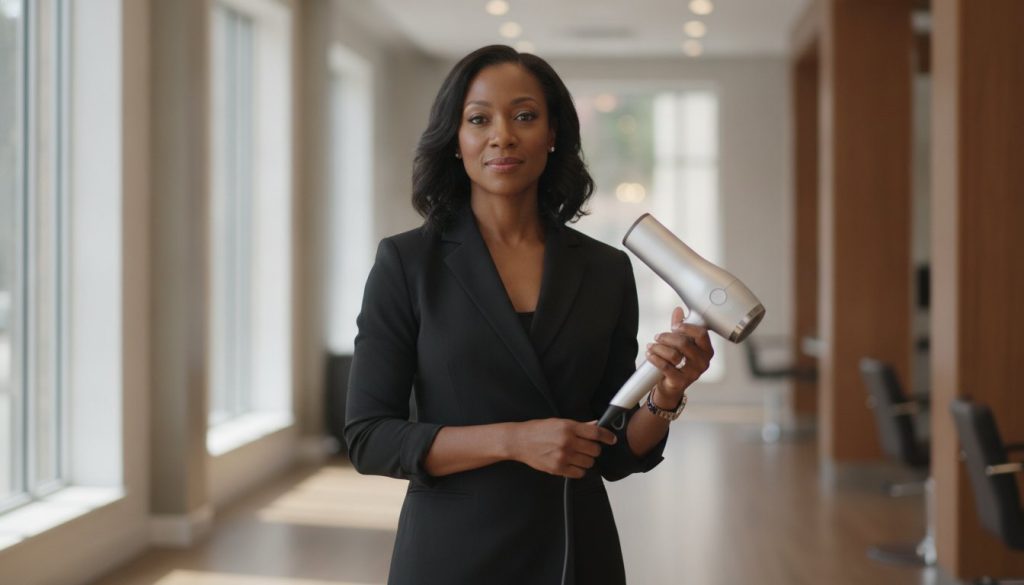
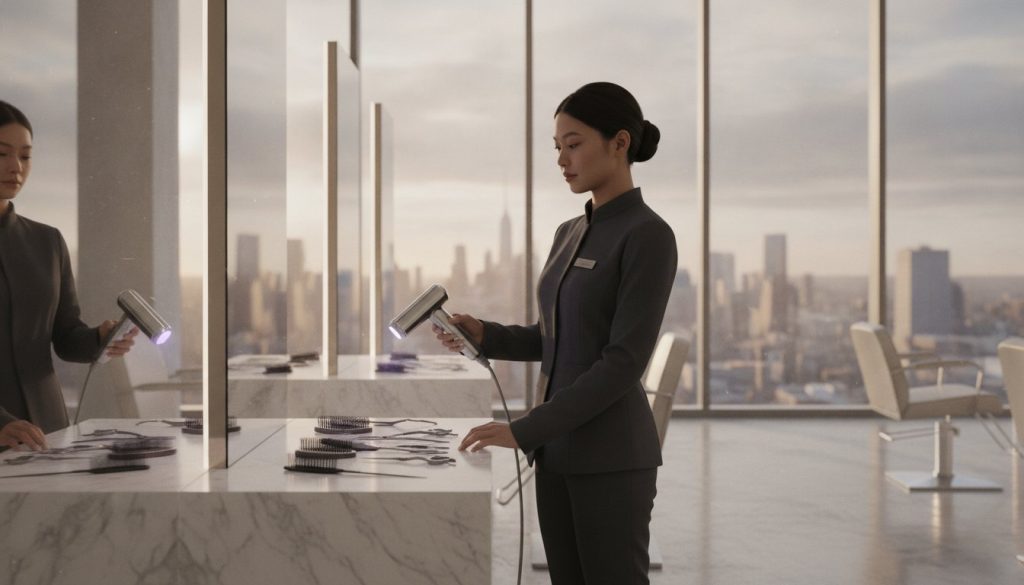
High-performance styling requires significant power. Your Professional Hair Dryers and Professional Flat Irons are precision instruments that demand impeccable electrical safety. Inspect cords daily for wear and ensure outlets aren’t overloaded. Neglecting cord maintenance isn’t just a safety risk; it’s a financial one. With OSHA penalties for violations reaching up to $16,131 per occurrence in 2026, the cost of oversight is simply too high for a premier establishment. Fire safety protocols, including clearly marked exits and monthly extinguisher checks, aren’t just regulatory hurdles. They’re essential for protecting your investment and your team.
Ventilation and Air Quality Standards
In a high-end urban setting, air quality is a sensory priority. Proper air exchange rates are vital, particularly in chemical treatment areas where you apply the Silk Touch Keratin Treatment. OSHA requires 10-12 air changes per hour in service areas to mitigate occupational health hazards for hairdressers. Utilizing HEPA filters and managing humidity levels protects the scientific integrity of your Color Bar Professional Hair Color while ensuring the longevity of your high-tier equipment. This approach transforms your salon into a sanctuary of clean chemistry.
Station Organization and Clutter Control
Efficiency and safety go hand-in-hand. Secure hot tools in heat-resistant holsters to prevent accidental burns or cord trips. Your Mixing Bowl and Brush Set should have a designated place, preventing spills of professional color stocks. Standardizing the layout across all stations creates a rhythmic flow that allows stylists to focus on the artistry of the Silk Touch Keratin Treatment without the distraction of clutter. Proper storage of flammable aerosols away from heat sources is a non-negotiable standard for any elite professional. By integrating these details into your health and safety checklist for hair salons, you elevate the professional standard of your entire workspace.
Chemical Management: Prioritizing Respiratory Health
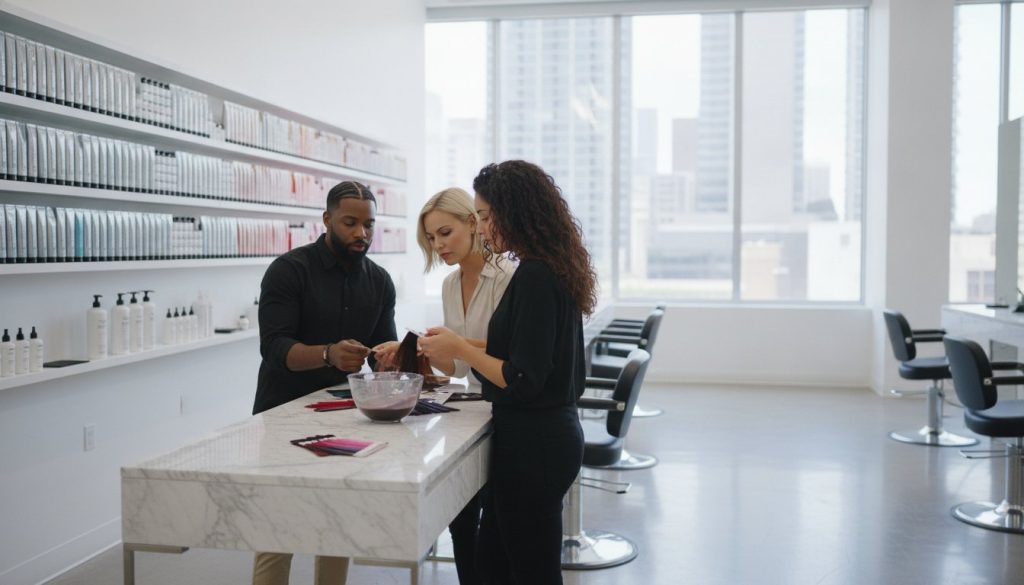
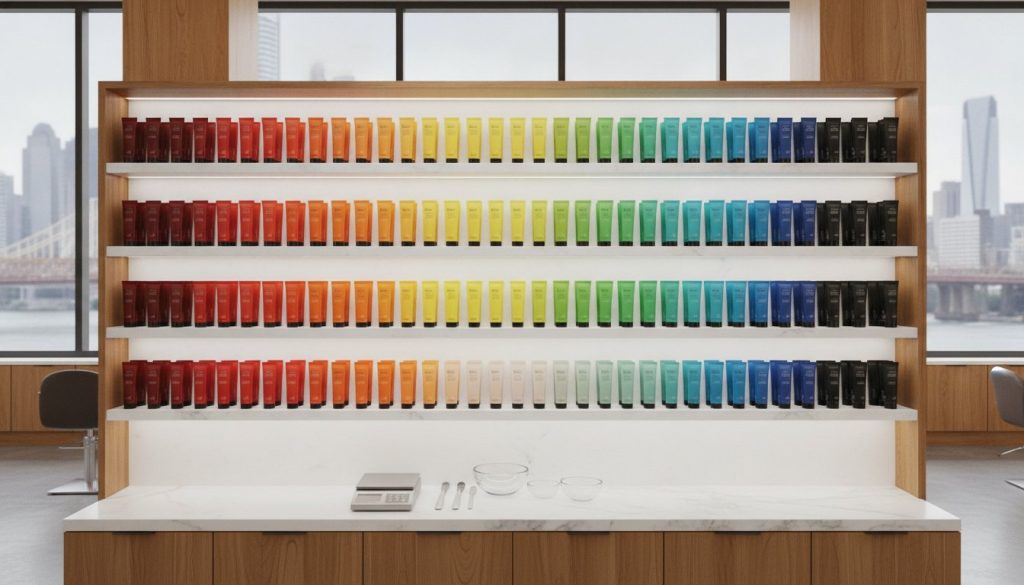
While floor sanitation is highly visible, the true hallmark of a high-end salon is the meticulous management of what your team breathes. Chemical safety is a non-negotiable cornerstone of a professional health and safety checklist for hair salons. In fiscal year 2025, Hazard Communication was the second most cited OSHA violation with 3,010 occurrences. This statistic highlights a critical need for rigorous labeling and storage protocols within your studio. Every professional color tube and developer in your Color Bar Professional Hair Color inventory must correspond to a readily accessible Safety Data Sheet (SDS). All secondary containers, including your Mixing Bowl and Brush Set, require clear labels to prevent misuse and ensure compliance during unexpected inspections.
Managing chemical waste is both an environmental responsibility and a legal necessity. You must dispose of leftover color and chemical solutions according to national standards to avoid the hefty penalties that accompany willful violations. If a spill occurs, your team should follow a pre-defined emergency protocol immediately. Keeping a specialized neutralizing kit near the mixing bar is a standard of elite care. It protects the aesthetic of your urban space and the long-term well-being of your staff. These small, disciplined actions separate standard retail environments from true centers of professional excellence.
The Dangers of Formaldehyde in Keratin Treatments
Traditional smoothing systems often hide respiratory risks behind complex chemical aliases. Formaldehyde exposure remains a primary concern for OSHA, as it poses long-term health risks for stylists who perform these services daily. Identifying “hidden” formaldehyde on product labels is essential for maintaining a premium, high-performance standard. Many elite salons are now transitioning to formaldehyde-free keratin treatments to ensure a toxic-fume-free environment. This shift provides a sensory experience that prioritizes health without compromising the transformative results your clients expect.
Safe Mixing and Application Techniques
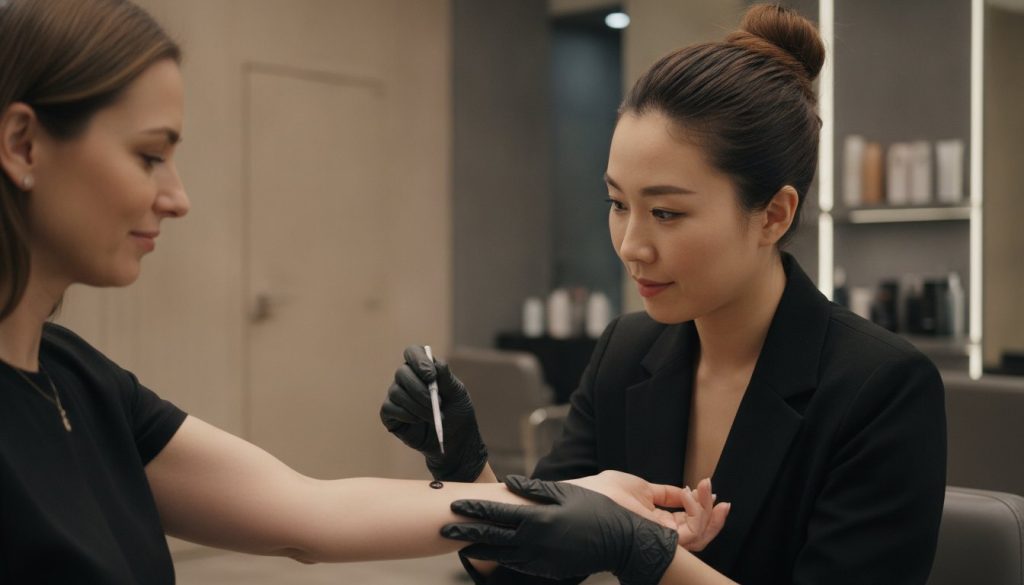
Precision in the lab leads to perfection in the chair. Use designated mixing bars equipped with local exhaust ventilation to capture fumes at the source. This is vital when preparing high-performance formulas like the Diamond Keratin Treatment. Colorists should always wear nitrile gloves to prevent contact dermatitis, which affects up to 70% of hairdressers at some point in their careers. Before any service, perform a thorough client consultation and patch test to prevent allergic reactions. It’s a simple step that reinforces your reputation for professional-tier quality. If you want to elevate your service menu while keeping air quality pristine, consider integrating our Silk Touch Keratin Treatment into your professional routine.
Professional Tool Hygiene and Equipment Maintenance
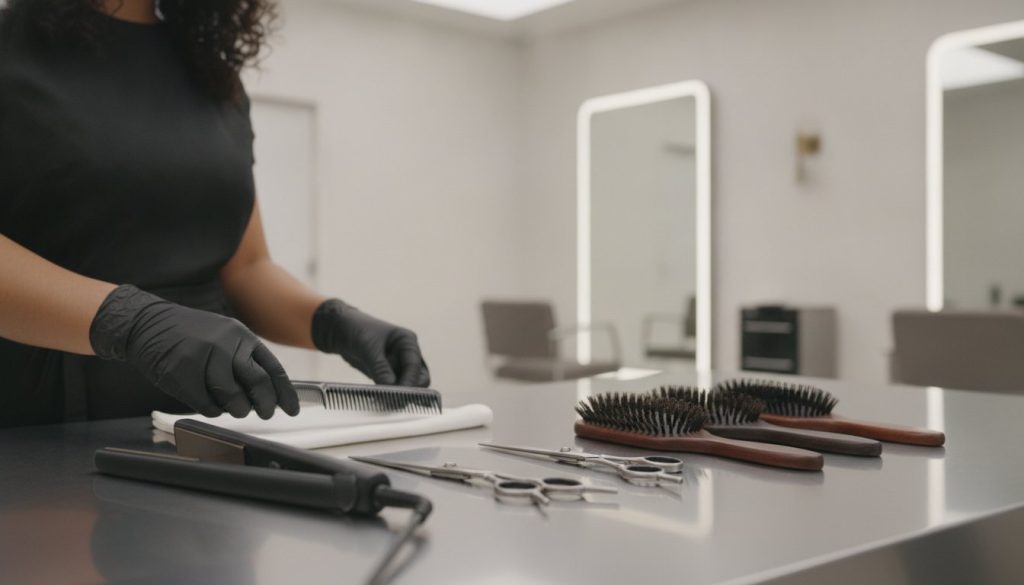
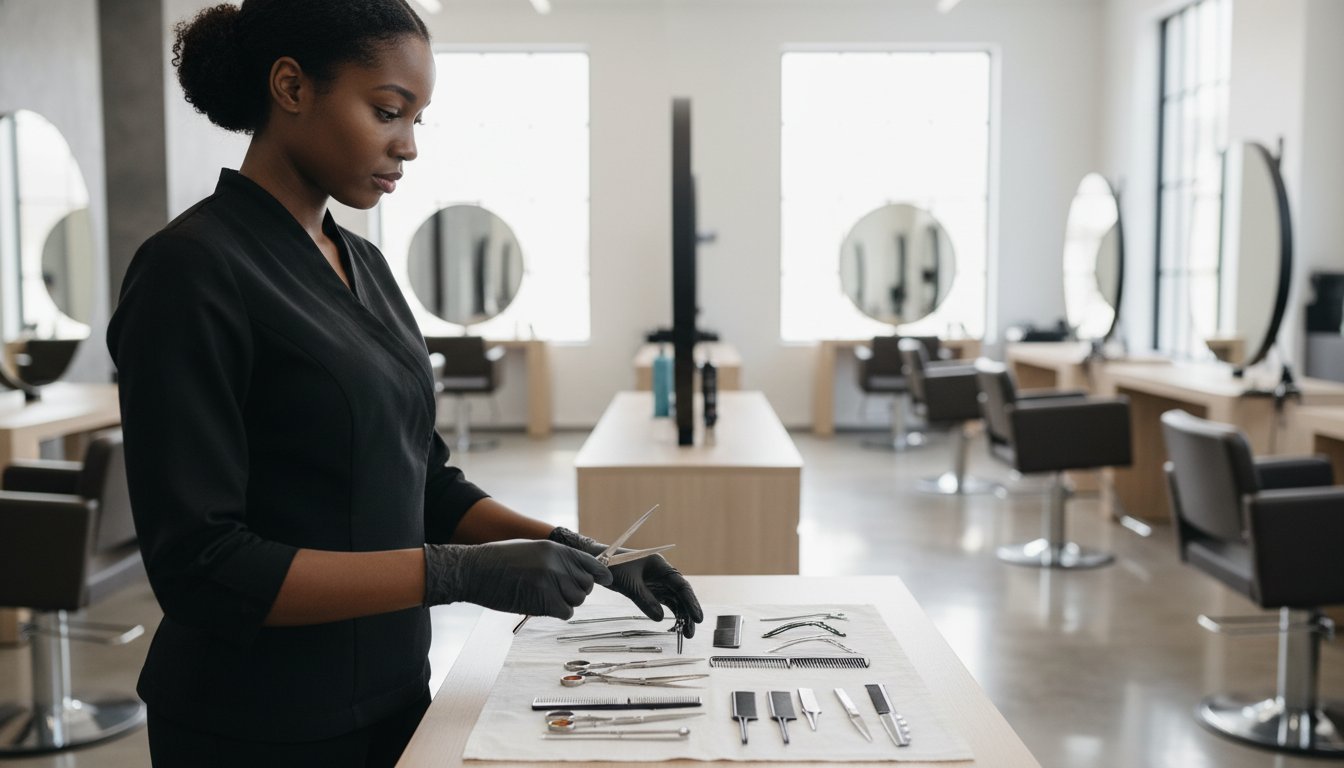
Precision styling is impossible without tools that meet the highest standards of clinical cleanliness. In an elite urban salon, your commitment to hygiene is a silent promise of luxury and safety. A rigorous health and safety checklist for hair salons must prioritize a three-step disinfection protocol: cleaning, disinfecting, and drying. First, remove all visible debris and hair from your shears and combs using warm, soapy water. Second, immerse non-porous tools in an EPA-registered, hospital-grade disinfectant. Finally, dry them thoroughly with a clean, lint-free towel to prevent oxidation. This rhythmic attention to detail ensures that every client experiences the same high-performance standard of care.
Managing the distinction between porous and non-porous materials is essential for preventing cross-contamination. Non-porous items like stainless steel shears and plastic combs are designed for reuse after proper sterilization. Conversely, porous items such as neck strips or certain buffers must be disposed of after a single use. This uncompromising approach protects your reputation and your team’s health. Beyond sanitation, routine maintenance for your Professional Flat Irons and Professional Hair Dryers is vital. Clean the hair traps and filters of your dryers weekly to maintain optimal airflow and prevent overheating. Wipe down the plates of your flat irons after each use with a specialized cleaner to ensure the Silk Touch Keratin Treatment remains a smooth, flawless experience for every guest.
Disinfection Protocols for Styling Tools
Selecting the right chemistry for sanitation is just as important as choosing the right color formula. Use only EPA-registered, hospital-grade disinfectants to ensure you’re effectively neutralizing pathogens. Pay close attention to immersion times; most professional solutions require a full ten minutes of contact to achieve total sterilization. Once sanitized, store your tools in a closed, labeled container to maintain their sterility until the next service. This level of organization reflects the chic, efficient energy of a top-tier metropolitan studio.
Salon Furniture and Fabric Care
The sensory experience of a salon extends to the fabrics and furniture that touch the client. Sanitize styling chairs and shampoo bowls between every guest using a non-abrasive, hospital-grade spray. Laundering protocols for linens must be strict, using high-temperature cycles and professional detergents to ensure every towel is pristine. Investing in high-quality, durable salon capes provides a superior barrier against chemical splashes while maintaining a sophisticated aesthetic. By integrating these fabric care standards into your health and safety checklist for hair salons, you reinforce a professional standard of excellence that clients can feel the moment they sit in your chair.
Ergonomics and Skin Health: Protecting the Stylist
Protecting the physical vitality of the stylist is as crucial as the transformative results delivered at the chair. Contact dermatitis and musculoskeletal disorders are silent career-enders in the beauty industry. With 2.5 million nonfatal workplace injuries reported in 2024, the risk to your team is measurable and significant. Research indicates that 61% of practicing hairdressers have experienced skin problems on their hands, making hand health a vital entry on any health and safety checklist for hair salons. Using high-quality nitrile gloves during color applications with the Color Bar Professional Hair Color is a non-negotiable standard. Beyond the hands, the feet and back require strategic support. Anti-fatigue mats are essential for those long-standing shifts, providing a necessary buffer against the hard floors of an urban studio. Proper lighting optimization reduces eye strain, while adjustable chair heights ensure that both the stylist and client remain in perfect alignment.
The fast-paced energy of a metropolitan salon often leads stylists to neglect their own ergonomics in favor of the client’s experience. However, an Expert Professional knows that performance is tied to physical longevity. Investing in your workspace infrastructure isn’t just about luxury; it’s about career preservation. When your team feels supported by their environment, their artistry flourishes. By standardizing these ergonomic practices, you create a chic, efficient workspace that values the human element as much as the aesthetic outcome.
Combating Salon-Related Dermatitis
Early signs like persistent redness, itching, or dryness often signal the onset of contact dermatitis. Stylists should prioritize moisture barrier protection and consider the chemical profile of their daily tools. Integrating natural hair care products into the backbar can significantly minimize irritant exposure for both the technician and the guest. This proactive approach to hand health preserves the tactile precision required for elite care. Always encourage your team to wash their hands with pH-balanced soaps and apply professional-grade barrier creams before and after every chemical service.
Posture and Movement for Career Longevity
Precision cutting and color application demand awkward angles that can lead to chronic strain. Your body positioning should always be a priority. Keep your wrists in a neutral position whenever possible. Utilizing lightweight equipment, such as our Professional Hair Dryer, reduces the weight burden on the wrist during repetitive blowout motions. This is particularly important when performing intensive services like the Diamond Keratin Treatment. Scheduled micro-breaks of just sixty seconds can prevent musculoskeletal issues by allowing the body to reset. These brief moments of decompression are essential for maintaining the high-performance energy required in a fast-paced urban environment. If you want to invest in tools designed for professional endurance, explore our Professional Flat Iron and styling range to elevate your daily routine.
The 2026 Salon Safety Compliance Checklist
Mastering a comprehensive health and safety checklist for hair salons requires transitioning from reactive cleaning to a rhythmic, proactive framework. This disciplined cadence ensures your metropolitan studio remains a sanctuary of high-performance beauty and absolute compliance. By organizing tasks into daily, weekly, and monthly intervals, you eliminate the chaos of last-minute preparations for inspections. This structure doesn’t just protect your team; it reinforces the professional standard of excellence your clientele expects. Implement the following framework to maintain an uncompromising environment.
- Daily: Sanitize every station after each guest. Disinfect all non-porous tools using the three-step protocol. Sweep hair clippings immediately to prevent slips and maintain a pristine floor.
- Weekly: Conduct a deep cleaning of ventilation filters to ensure 10-12 air changes per hour. Perform inventory safety checks, verifying that all Safety Data Sheets (SDS) are current and accessible.
- Monthly: Inspect electrical cords on your Professional Hair Dryers and flat irons for any signs of wear. Replenish the first aid kit and check the expiration dates of all antiseptic solutions.
- Annual: Host a mandatory staff safety training session covering bloodborne pathogens and chemical hazards. Schedule a professional fire extinguisher certification to ensure all equipment is operational.
Client Consultation and Record Keeping
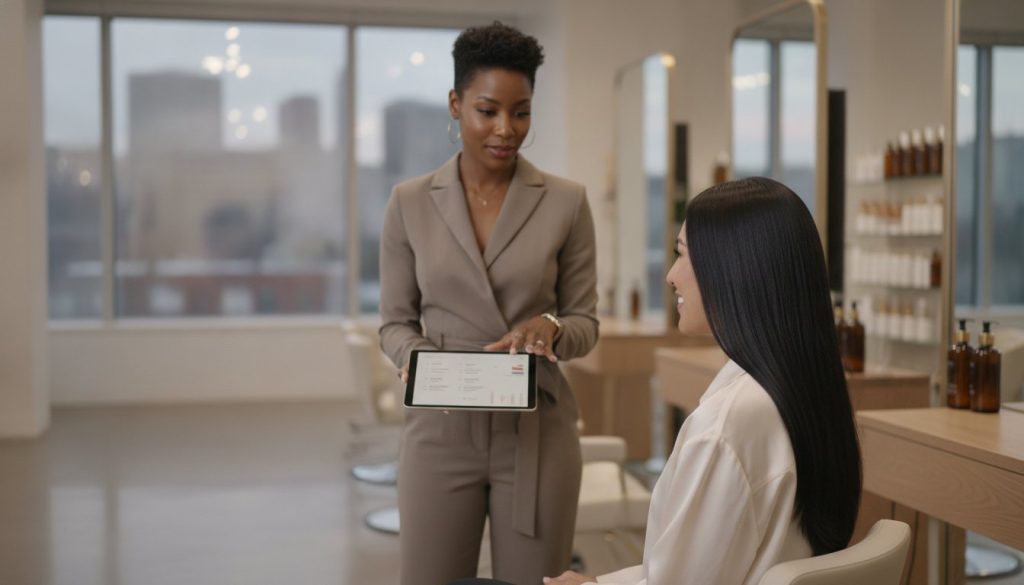
Precision in safety extends to the digital records you maintain for every guest. High-end care requires a detailed understanding of chemical sensitivities and past reactions. Always update client profiles with their current hair color data and any scalp observations. For intensive services like the Keratin Intensive Treatment, signed waiver forms are a professional necessity. These records provide a scientific history that allows your team to deliver transformative results with total confidence. They also serve as a critical defense in the rare event of an adverse reaction.
Staff Safety Training and Culture
A culture of safety is the ultimate hallmark of an elite urban salon. Conduct regular safety briefings to keep compliance at the forefront of your team’s mind. Empower every stylist to report potential hazards immediately without hesitation. With OSHA penalties for repeated violations reaching as high as $161,323 in 2026, every team member must act as a guardian of the salon’s standards. Integrating these protocols into your brand identity transforms safety from a chore into a signature of your professional-tier quality. When your staff is trained to handle everything from chemical spills to ergonomic adjustments, they can focus entirely on the artistry of the Silk Touch Keratin Treatment. This commitment to wellness is what truly bridges the gap between a standard service and an elite experience.
Elevate Your Standard of Professional Excellence
True mastery in the urban salon environment is a blend of artistic vision and operational precision. By implementing a rigorous health and safety checklist for hair salons, you protect your team from the physical strain and chemical risks that often cut careers short. You’ve learned how to manage air quality through clean chemistry and maintain your high-performance tools to an uncompromising level of hygiene. These disciplined habits ensure that your space remains a high-standard sanctuary of beauty.
Now is the time to align your service menu with your safety values. Upgrade your salon safety with Hair Bar NYC Professional’s professional formaldehyde-free treatments. Our professional-grade formulas are used in elite NYC salons and offer cruelty-free, vegan keratin options trusted by licensed stylists nationwide. These solutions allow you to deliver transformative results without compromising the health of your environment.
Embrace these standards as the foundation of your long-term success. Your commitment to elite care ensures your salon remains a vibrant, healthy sanctuary for both your stylists and your guests. Stay chic, stay safe, and continue leading the industry with uncompromising quality.
Frequently Asked Questions
What are the most common health and safety risks in a hair salon?
Common risks include chemical inhalation, contact dermatitis from prolonged exposure to shampoos, and trips in high-traffic areas. These hazards can compromise the elite standard of your studio if left unmanaged. Implementing a robust health and safety checklist for hair salons identifies these risks before they lead to workplace injuries. It’s about creating a sanctuary where beauty doesn’t come at the cost of wellness.
How often should I disinfect my professional styling tools?
Disinfect your tools after every client use without exception. This three-step process of cleaning, disinfecting, and drying is the signature of a high-end urban setting. It ensures that every guest experiences the luxury of a sterile environment and high-performance care. Using an EPA-registered, hospital-grade disinfectant for your shears and combs maintains the professional standard your clientele expects from an Expert Professional.
Is formaldehyde-free keratin actually safer for stylists?
Formaldehyde-free keratin systems are significantly safer as they remove the risk of inhaling carcinogenic vapors during the flat-ironing process. Products like the Silk Touch Keratin Treatment provide a sensory experience that prioritizes the stylist’s longevity. You get the same transformative results without the toxic trade-off. This shift to clean chemistry is an essential update for any modern salon looking to protect its team’s respiratory health.
What should be included in a salon first aid kit in 2026?
Your 2026 kit should feature antiseptic wipes, various sterile bandages, eye wash solutions, and specialized burn gels for hot tool accidents. It’s also wise to include nitrile gloves and a small sharps container if your services involve razors. Maintaining this kit is a hallmark of an Expert Professional who values team safety. Regular monthly replenishment ensures you’re never caught unprepared during a fast-paced shift.
How can I improve the air quality in my hair salon?
Improving air quality requires a combination of high-efficiency particulate air (HEPA) filters and source-capture ventilation systems. Transitioning your inventory to low-ammonia options like Color Bar Professional Hair Color also reduces the chemical load in the atmosphere. This creates a metropolitan energy that feels fresh and sophisticated rather than clinical. Proper air quality is a silent luxury that both your staff and clients will appreciate.
Do I need a written health and safety policy if I am a solo stylist?
Every professional must have a written policy regardless of their salon’s size or staff count. OSHA’s Hazard Communication Standard applies to anyone working with hazardous chemicals, including solo booth renters. A written health and safety checklist for hair salons serves as your primary defense during an official inspection. It’s a practical tool that mirrors your commitment to professional-tier quality and operational excellence.
What are the legal requirements for salon ventilation in the US?
The legal standard for general salon areas is a minimum of 10-12 air changes per hour to ensure adequate fresh air circulation. Specific chemical services often require local exhaust ventilation to pull fumes away from the breathing zone. Check your local state board requirements, as some jurisdictions have even stricter air quality mandates for urban studios. Compliance ensures you avoid the heavy penalties associated with environmental oversights.
How can I prevent back and neck pain while working in a salon?
Prevention starts with ergonomic station setup and mindful body mechanics. Position the client’s chair so you don’t have to hunch or reach excessively during precision work. Using lightweight equipment, such as a Professional Hair Dryer, minimizes the repetitive strain on your wrists and shoulders throughout the day. Taking scheduled micro-breaks to stretch and reset your posture is vital for maintaining the high-performance energy required in our industry.