The Professional Standard: Cleaning and Disinfecting Salon Tools and Brushes in 2026
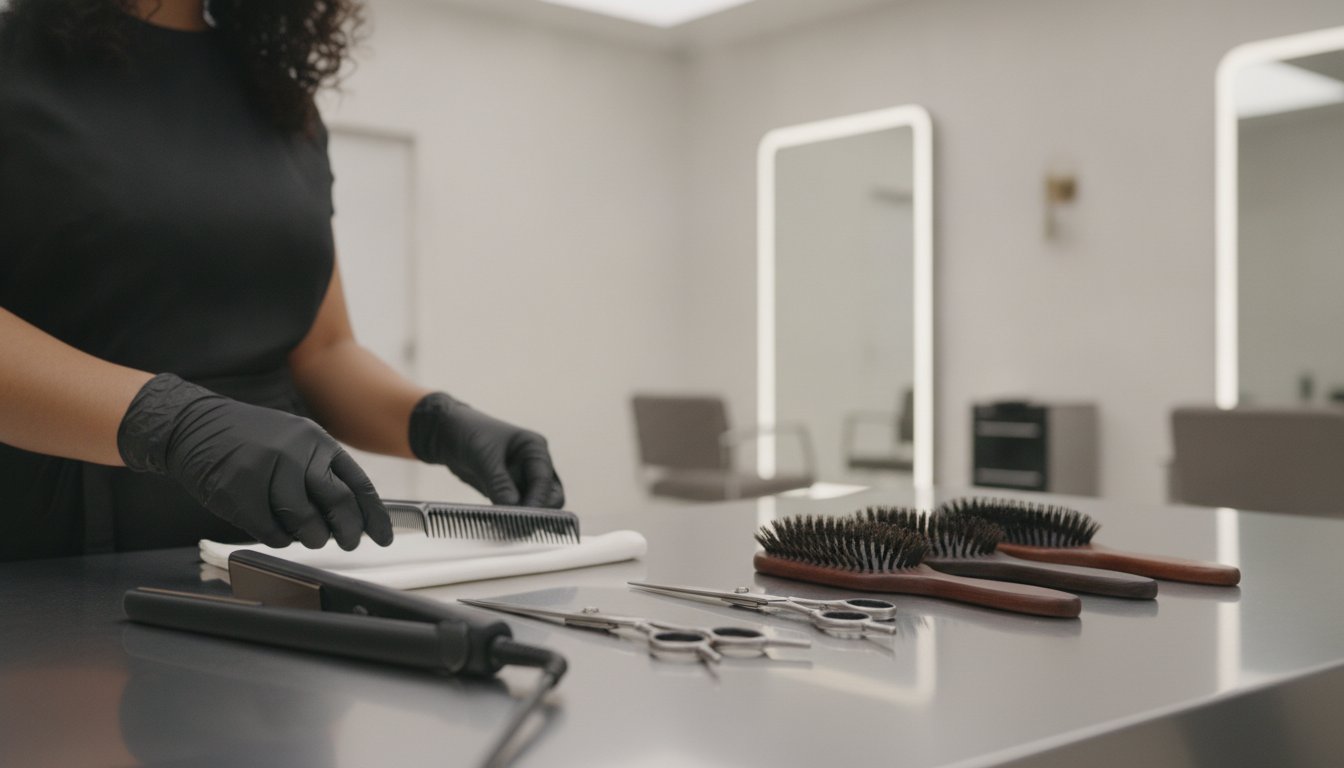
Your high-performance Professional Flat Iron and bespoke mixing brushes are more than just equipment; they’re the bridge between a client’s vision and your professional artistry. In 2026, the standard for hygiene has evolved from a back-of-house chore to a visible hallmark of elite care. You understand that cleaning and disinfecting salon tools and brushes isn’t just about passing a state board inspection; it’s about preserving the integrity of the tools that deliver your signature results.
It’s frustrating to see expensive bristles ruined by harsh chemicals or to feel the pressure of a busy schedule when sanitation protocols feel like a bottleneck. You deserve a system that matches the pace of an upscale urban salon. We’ll show you how to master elite protocols that protect your high-end equipment while meeting the July 2026 California Board disciplinary guidelines and other strict new state standards. This guide details a streamlined workflow to ensure every tool is pristine for your next Silk Touch Keratin Treatment, building the deep client trust that defines a modern expert.
Key Takeaways
- Master the critical scientific distinction between physical cleaning and chemical disinfection to ensure your workspace exceeds 2026 EPA standards and state board regulations.
- Implement material-specific protocols for cleaning and disinfecting salon tools and brushes to preserve the delicate integrity of natural boar bristles and high-performance non-porous surfaces.
- Adopt a streamlined, professional-grade workflow designed to integrate seamlessly into a fast-paced metropolitan salon schedule without compromising hygiene.
- Learn to perform the ‘Snag Test’ to identify tool fatigue before it compromises the flawless finish of a Silk Touch Keratin Treatment or luxury color service.
- Transform your sanitation station into a sophisticated visual hallmark that communicates a standard of excellence and builds deep, lasting client trust.
Cleaning vs. Disinfecting: The Essential Distinction for Elite Salons
In an elite salon environment, the difference between a good service and a transformative one lies in the precision of your preparation. Mastering the art of cleaning and disinfecting salon tools and brushes represents more than a regulatory box to check; it’s a fundamental reset of your professional toolkit. To the untrained eye, a brush might look ready for use, but an Expert Professional knows that visual cleanliness is only the first layer of a much deeper standard of excellence.
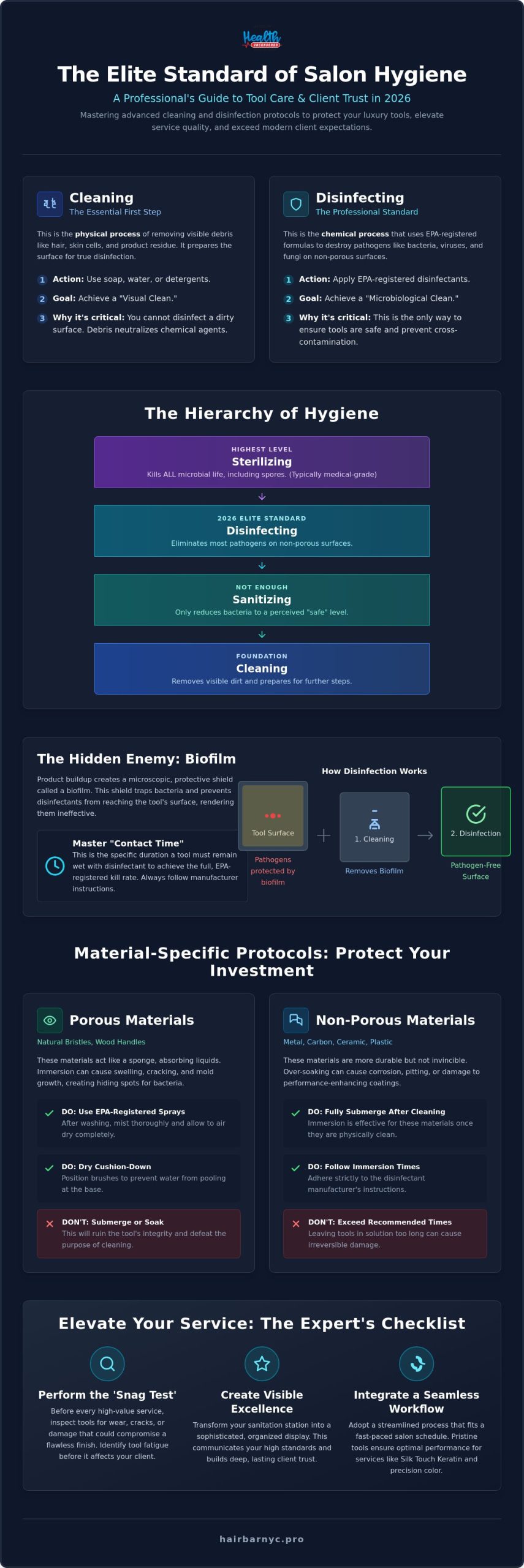
Cleaning is the physical process of removing hair, skin cells, and product buildup using soap, water, or specialized detergents. It’s the essential first step because you cannot disinfect a surface that is still covered in debris. Disinfecting involves the application of EPA-registered chemicals specifically designed to destroy pathogens on non-porous surfaces. Understanding what disinfectants are and how they function is crucial, as these formulas are engineered to kill bacteria, viruses, and fungi that cleaning alone cannot touch. In a high-volume salon, skipping the wash phase and heading straight to chemical immersion is a recipe for failure, as organic residue neutralizes the active ingredients in your disinfectant solution.
The Science of Biofilm and Product Buildup
Every pump of serum or spray of lacquer adds a microscopic layer of organic matter to your tools. Over time, these layers form a biofilm, which acts as a protective shield that encapsulates bacteria and renders chemical soaks ineffective. While a “Visual Clean” standard means you’ve removed the visible hair and dust, a “Microbiological Clean” means you’ve stripped the biofilm so the disinfectant can reach the tool’s surface. Contact time is the specific duration a tool must remain fully submerged or wet with a disinfectant solution to ensure it achieves its full, EPA-registered kill rate.
Why ‘Sanitizing’ is Not Enough in 2026
Sanitizing only reduces bacteria to a perceived safe level, but the 2026 elite standard demands the total elimination of pathogens. The hierarchy of hygiene moves from cleaning to sanitizing, then to disinfecting, and finally to sterilizing. While state boards often set the floor with basic sanitization rules, your reputation sets the ceiling. Pristine tools are also performance-critical; for instance, residual oils on a brush can cause the premature oxidation of Color Bar Professional Hair Color during application. When preparing for a Silk Touch Keratin Treatment, your tools must be surgically clean to ensure the vegan formula bonds perfectly to the hair shaft without any chemical interference from previous services.
Material-Specific Protocols: Protecting Your Luxury Tool Investment
Luxury equipment requires a nuanced touch. While a standard plastic comb can withstand a ten-minute chemical bath, your high-end boar bristle brushes and ceramic-coated tools demand a more sophisticated approach. The process of cleaning and disinfecting salon tools and brushes must be tailored to the material’s porosity and finish to avoid degrading the very quality you paid for. An expert understands that a ruined tool is more than a lost investment; it’s a compromise to the client’s experience.
Natural Bristles and Wood-Bodied Brushes
Natural fibers and wood are porous, meaning they act like a sponge. If you submerge a wood-bodied brush in liquid disinfectant for too long, the wood swells and the finish cracks. This creates crevices where bacteria can hide, defeating the purpose of the protocol. For these sensitive items, swap immersion for specialized EPA-registered disinfectant sprays. After a thorough wash with a gentle cleanser, mist the bristles and let them air dry completely. Always position brushes with the cushion facing down to prevent water from pooling in the base, which leads to mold growth and “swampy” smells that alienate discerning clients.
Synthetic, Metal, and Ceramic Tool Care
Non-porous tools like carbon fiber combs and stainless steel shears are hardier but not invincible. High-grade steel can still corrode if left in a solution past the manufacturer’s recommended time. When cleaning and disinfecting salon tools and brushes made of metal or carbon fiber, check the instructions for the maximum immersion time to prevent pitting or dulling of the finish. For ceramic and ionic round brushes, the goal is to protect the delicate surface coating that eliminates frizz. Use a soft-bristled rake to remove hair before a quick, controlled soak.
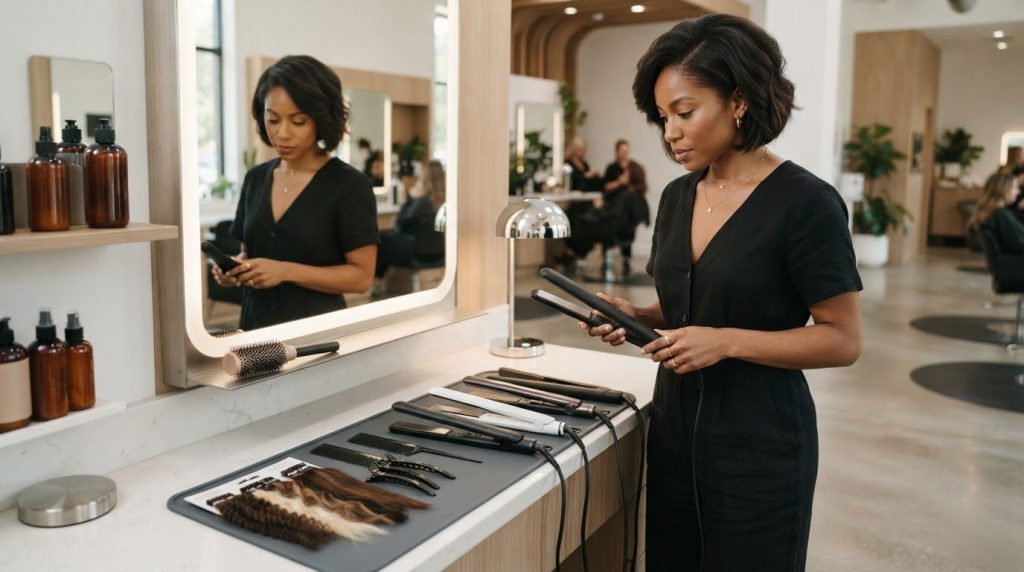
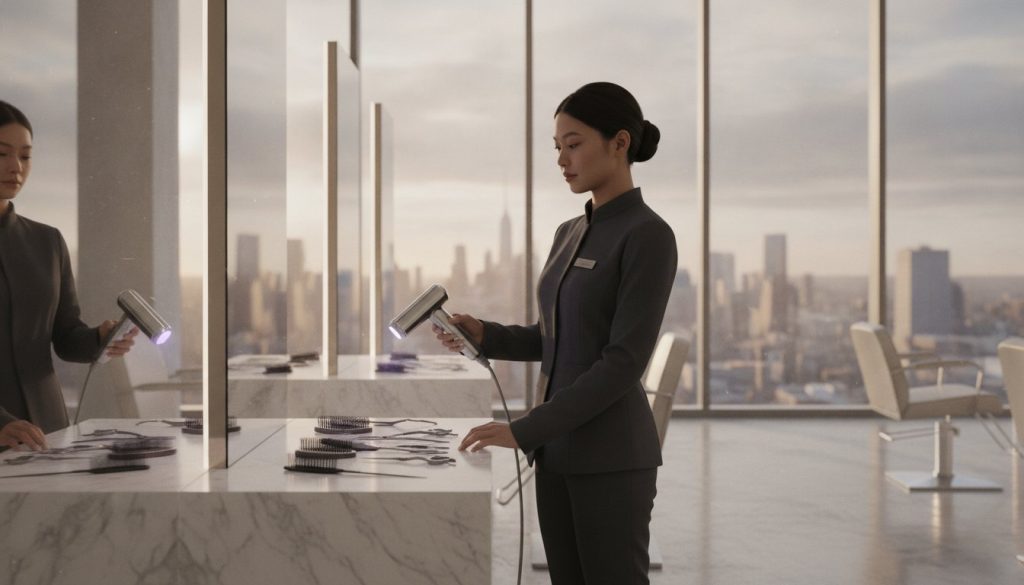
Maintaining your electronics is equally vital. Carbonized product buildup on Professional Flat Irons is more than an eyesore; it creates uneven heat distribution that can singe hair during a Silk Touch Keratin Treatment. Wipe plates daily with a damp, lint-free cloth while the tool is slightly warm to lift residue. If you encounter stubborn buildup, use a specialized tool cleaner rather than abrasive pads that scratch the plates. Don’t overlook your Professional Hair Dryer nozzles either. Product residue often migrates from the hair to the concentrator tip, where it bakes under high heat. A quick wipe with a disinfectant-dampened cloth after every shift prevents this transfer and keeps your airflow clean. To ensure your toolkit remains in peak condition, consider upgrading to a fresh Mixing Bowl and Brush Set to keep your color and treatment applications pristine.
The Step-by-Step Professional Reset: A Standardized Workflow
Excellence in a metropolitan salon is never an accident; it’s the result of a disciplined sequence. Establishing a rhythmic workflow for cleaning and disinfecting salon tools and brushes ensures that your high-end environment remains both safe and sophisticated. By treating your toolkit with the same respect as a master artisan, you elevate the entire client experience from the moment they sit in your chair.
- Step 1: Dry Debris Removal. Use a professional rake or the end of a tail comb to lift every strand of hair from your brushes. This prevents product buildup from turning into a sticky paste during the wash phase.
- Step 2: The Wash Phase. Submerge tools in warm water mixed with a clarifying agent. Using a formula like Silk Touch Shampoo effectively breaks down stubborn silicones and oils without stripping the integrity of the tool’s finish.
- Step 3: Precise Disinfection. Following the material-specific protocols established earlier, apply your EPA-registered disinfectant. Ensure you respect the required contact time to achieve a true microbiological clean.
- Step 4: Rinse and Dry. Rinse thoroughly to remove chemical residue. Place brushes on a clean, lint-free towel using the bristle-down technique to ensure water drains away from the handle and cushion.
- Step 5: Protected Storage. Once bone-dry, transfer tools to a closed, labeled container to prevent cross-contamination from airborne particulates.
Mastering the Round Brush Reset
Round brushes require extra vigilance because hair tends to spiral deep into the core. Use a cleaning rake to pull hair upward and out, paying close attention to the internal barrel of vented models where dust and lint accumulate. Moisture often hides in the handle-to-barrel joint, so ensure this area is completely dry before storage to prevent internal corrosion or bacterial growth. This meticulous attention to detail prevents the transfer of old product onto a fresh canvas during a luxury blowout.
Daily Maintenance vs. Deep Weekly Sanitation
Between clients, a quick-turnaround protocol is essential for the busy stylist. Use a disinfectant spray and a quick hair-clearing rake to maintain standards during peak metropolitan hours. However, a Saturday “Deep Reset” is non-negotiable. This is when the entire kit undergoes full immersion and a detailed inspection for wear. Maintaining a digital or physical log of these deep cleans isn’t just about accountability; it’s a visible mark of an Expert Professional who refuses to compromise on quality. This systematic approach to cleaning and disinfecting salon tools and brushes protects the investment you’ve made in your Professional Flat Irons and bespoke brushes while ensuring every Silk Touch Keratin Treatment begins with a pristine foundation.
Troubleshooting: When to Repair, Refurbish, or Retire a Tool
Even the most meticulous routine for cleaning and disinfecting salon tools and brushes cannot halt the eventual fatigue of high-use materials. As an Expert Professional, your eye must be as sharp for tool degradation as it is for a perfect perimeter. Chemical fatigue often manifests as a subtle tackiness in rubber handles or a brittle, chalky texture on plastic combs. These are signs that the structural integrity of your equipment is failing, potentially leaching old chemicals or snapping mid-service.
The ‘Snag Test’ is your most reliable diagnostic for brush health. Run a fine-tooth comb through your brush bristles; if the comb catches or if you see hooked, jagged tips, it’s time for retirement. Damaged bristles create micro-tears in the hair cuticle, which will absolutely compromise the glass-like finish of a Silk Touch Keratin treatment. Melted bristles or warped barrels are equally dangerous. They create uneven heat spots that can singe hair, regardless of how much heat protectant you apply. When you calculate the ROI of tool replacement, compare the cost of a new brush to the potential loss of a high-ticket client’s trust. The choice becomes clear.
The Hidden Cost of Neglected Tools
Tools that are past their prime harbor a legacy of past services. Residual biofilm can cause unpredictable reactions with fresh Color Bar Professional Hair Color, leading to muddy tones or uneven lift. Jagged, worn-down bristles are a leading cause of mechanical breakage, which clients often mistake for chemical damage. This is especially critical when working with natural hair care products. These formulas rely on smooth, pristine tools to distribute moisture and define curl patterns without causing frizz or snapping delicate strands.
Sustainable Disposal and Upgrading
Retiring a tool is an opportunity for a professional evolution. In 2026, elite salons are leading the way in eco-friendly disposal by utilizing specialized recycling programs for salon-grade plastics and metals. When you replace your gear, consider upgrading to a Professional Hair Dryer with advanced ionic technology to ensure faster, cleaner results. To maximize the lifespan of your new equipment, invest in a rotating toolkit. By having multiple sets of brushes, you allow each set to dry completely after cleaning and disinfecting salon tools and brushes, preventing the glue and cushion rot that plagues overused equipment. If your current station shows signs of wear, refresh your professional arsenal with a high-performance Professional Flat Iron to maintain your uncompromising standards of excellence.
Elevating the Salon Experience through Visible Hygiene
In a high-end metropolitan salon, the atmosphere is as much a part of the service as the treatment itself. Transitioning the practice of cleaning and disinfecting salon tools and brushes from a back-of-house chore to a front-and-center hallmark of excellence changes the client’s perception of your brand. When a client sees a stylist pull a pristine, sparkling tool from a dedicated station, it reinforces the Expert Professional persona. It signals that you don’t just care about the final look; you care about the health, safety, and integrity of the individual sitting in your chair.
This commitment to a high-performance, organized environment is a hallmark of experts in any field; for example, The Garage RX provides insights on maintaining durable, professional-grade surfaces that withstand the demands of an active workspace.
Visible hygiene is the ultimate silent communicator. You don’t need to explain the science of pathogens to your clients; the sight of well-maintained equipment speaks volumes. This transparency builds a level of trust that clinical-sounding explanations never could. By making sanitation part of the service narrative, you position yourself as an insider in the world of elite care, where uncompromising quality is the only acceptable standard.
The Aesthetic of Clean: Modern Presentation
Modern luxury in 2026 has moved beyond the traditional blue jar. To create a sophisticated urban salon look, utilize glass vessels and polished stainless steel trays for your tools. Presenting a freshly disinfected brush or a sanitized Professional Flat Iron directly in front of the client creates a moment of “Aspirational Hygiene.” This ritual makes the client feel like they are receiving a bespoke, exclusive treatment. It transforms a standard safety protocol into a sensory experience of “Elite Care,” where every tool used is as fresh and pure as the vegan formulas you apply.
Clean Tools and Professional Results
The performance of your chemical services is directly tied to the state of your toolkit. A clean, residue-free brush is the secret to achieving the high-gloss finish that defines professional hair color. When bristles are free from old product buildup, they distribute color more evenly and allow for maximum light reflection on the hair shaft. This is even more critical for vegan and clean beauty clients who expect zero cross-contamination during their services.
Pristine tools are the foundation of the “Silk Touch” sensory experience. Whether you are performing a Silk Touch Keratin Treatment or a Diamond Keratin Treatment, the success of the bond depends on a canvas free of external interference. Hygiene is not merely a regulatory requirement; it is the silent partner in every luxury hair care transformation you create. By mastering the art of cleaning and disinfecting salon tools and brushes, you ensure that your reputation for excellence remains as flawless as the results you deliver.
Redefining the Standard of Salon Excellence
Maintaining an uncompromising standard for cleaning and disinfecting salon tools and brushes is the invisible foundation of every high-gloss finish and successful keratin treatment. You’ve learned that the distinction between physical cleaning and chemical disinfection is vital for preserving your high-end investments, from natural boar bristles to advanced ceramic plates. By implementing a standardized workflow and recognizing when a tool has reached its performance limit, you protect both your artistry and your client’s safety in a fast-paced metropolitan environment.
True luxury is found in the details that others might overlook. Our professional-tier tools and treatments are trusted by elite stylists across NYC and Florida, featuring cruelty-free and vegan-friendly formulas designed for high-performance results. Ready to elevate your station to the 2026 standard? Upgrade your kit with Hair Bar NYC Professional tools and treatments today. Embrace these elite protocols to ensure your reputation for excellence remains as pristine as the hair you transform.
Frequently Asked Questions
How often should I clean my salon brushes during a busy shift?
You must clean your brushes after every single client to maintain the elite hygiene standards expected in a luxury environment. While a deep soak may not be possible between back-to-back appointments, removing hair with a rake and applying a quick-dry disinfectant spray ensures the next guest receives a pristine experience. This rhythm prevents the accumulation of oils and debris that can compromise your technical precision during high-stakes services.
Can I use boiling water to disinfect hairbrushes with natural bristles?
Avoid using boiling water on natural bristles as the extreme heat strips away essential keratin and compromises the structural integrity of the brush. High temperatures cause natural fibers to become brittle and eventually snap, while wood handles may warp or crack. Instead, use warm water with a gentle clarifying shampoo followed by a material-specific disinfectant spray to achieve a microbiological clean without degrading your high-end investment.
What is the best way to remove stubborn product buildup from round brushes?
The most effective method involves a two-step process starting with a professional brush rake to lift trapped hair and lint. Follow this by soaking the bristles in a mixture of warm water and a clarifying agent like Silk Touch Shampoo to dissolve stubborn silicones and styling resins. For vented barrels, ensure you use a small cleaning brush to reach internal surfaces where product residue often hides and hardens over time.
Is it necessary to use EPA-registered disinfectants on every tool?
Utilizing EPA-registered disinfectants is mandatory for all non-porous multi-use tools to ensure the total elimination of pathogens. These formulas are specifically engineered to meet 2026 safety standards for bactericidal, virucidal, and fungicidal efficacy. When cleaning and disinfecting salon tools and brushes, always verify that your chosen solution is hospital-grade to protect your clients and maintain your professional reputation in a discerning metropolitan market.
How do I prevent my wooden brushes from cracking during the cleaning process?
Prevent cracking by avoiding prolonged submersion and ensuring the wood is never left to soak in liquid for more than a few minutes. After a quick wash, wipe the handle immediately with a lint-free cloth and mist the bristles with a disinfectant spray instead of a full immersion bath. This controlled approach protects the finish and prevents the wood from swelling, which is the primary cause of structural failure in luxury wooden tools.
Can dirty tools affect the outcome of a keratin treatment?
Residual oils and old styling products on your tools will absolutely compromise the results of a Silk Touch Keratin Treatment. These contaminants act as a barrier, preventing the vegan formula from bonding uniformly to the hair cuticle, which often leads to uneven texture or premature fading. Pristine tools are essential for the high-gloss, glass-like finish that clients expect from a premium smoothing service in an elite salon setting.
What is the proper way to dry salon brushes to prevent mold?
Always dry your brushes by placing them bristle-down on a clean, absorbent towel in a well-ventilated area. This orientation allows gravity to pull moisture away from the brush cushion and handle joint, where trapped water often leads to mold growth and unpleasant odors. Ensure tools are completely bone-dry before storing them in closed containers to maintain the highest level of hygiene and tool longevity.
Should I use an autoclave for hair salon tools?
Autoclaves are generally unnecessary for standard hair salon tools and can actually destroy the materials used in luxury brushes and combs. While autoclaves provide high-pressure steam sterilization, most professional-grade plastics, glues, and natural fibers cannot withstand the intense heat. Sticking to a rigorous protocol of cleaning and disinfecting salon tools and brushes with EPA-registered chemicals provides the necessary level of safety without risking the destruction of your expensive equipment.