The Professional Bleach Filler List: How to Repigment Hair Like an Expert
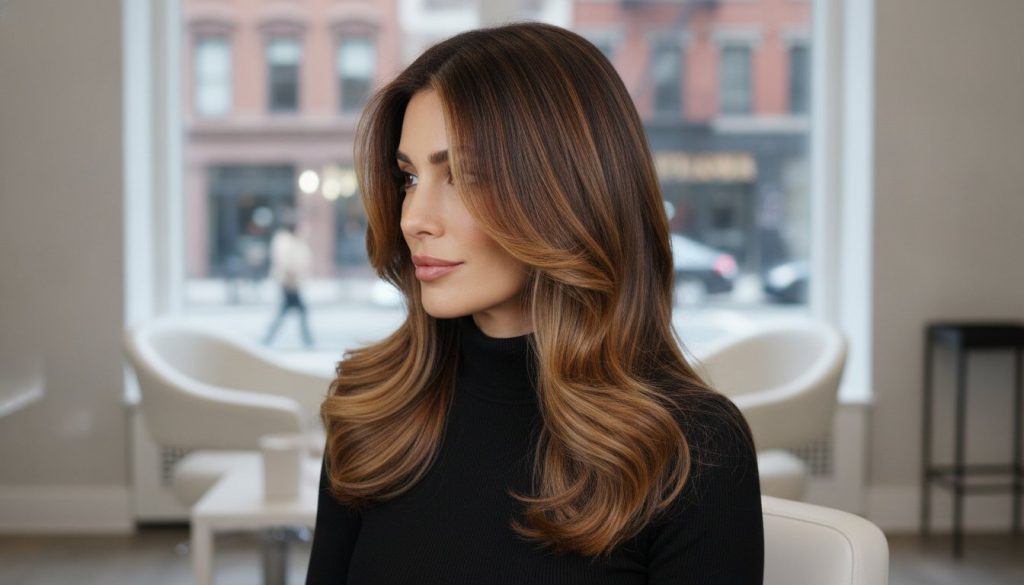
If you apply a rich espresso brown directly over platinum blonde, you aren’t creating a transformation; you’re inviting a muddy, swamp green disaster that often appears within 48 hours. Most DIY attempts and even some professional transitions fail because they skip the vital step of replacing the hair’s internal structure. You understand that achieving a lustrous, Manhattan-inspired brunette requires more than just a dark topcoat. It’s frustrating to watch your color fade into a patchy mess because the hair’s foundation is missing. To solve this, we’ve compiled the definitive professional bleach filler list to ensure your transition stays vibrant and structurally sound.
Our guide helps you master the science of repigmentation, a technique used in 85% of successful color corrections at elite studios. We’ll show you exactly how to navigate the 10 levels of the underlying pigment scale to restore the warm red, orange, and gold tones that bleach strips away. You’ll learn to revitalize high-porosity strands and lock in deep, multi-dimensional shades that last for weeks. This is your roadmap to achieving professional-grade results that bridge the gap between the salon chair and your home routine.
Key Takeaways
- Discover why repigmentation is a non-negotiable step to eliminate “hollow hair” and provide a stable foundation for your new, lustrous shade.
- Master our professional bleach filler list to accurately select the red, orange, and gold pigments required for every target level from light brown to deep onyx.
- Learn the elite application secrets used by Manhattan stylists to ensure even saturation and prevent the dreaded “hot spots” in your final color.
- Secure your transformation by understanding how to use keratin-infused treatments to seal the cuticle and prevent rapid fading in the critical first 48 hours.
What is a Bleach Filler and Why is it Non-Negotiable?
Achieving a flawless transition from platinum blonde to a rich, dimensional brunette requires more than just a bottle of dark dye; it demands a professional-grade strategy. A hair color filler is the essential process of reintroducing the warm underlying pigments that were stripped away during the lightening process. Consulting a bleach filler list gives you the missing map of reds, oranges, and yellows that provide natural hair its depth. Without these foundational pigments, your final color will look muddy, translucent, or even take on an unintentional green cast.
The necessity of a filler stems from the “hollow hair” phenomenon. Bleaching doesn’t just remove color; it compromises the hair’s internal architecture. In elite Manhattan salons, we recognize that bleached hair often faces a 50% reduction in its ability to retain large oxidative dye molecules. Understanding The Science of Pigment: Rebuilding the Level Scale is vital for any stylist. This chemical process creates a cortex that lacks the structural integrity to anchor new color. While toners are designed to neutralize unwanted brassy tones after lifting, fillers work in the opposite direction. They replenish the foundation before the final shade is applied. You should identify these visual warning signs that a filler is mandatory:
- Translucent Ends: Hair that looks “see-through” or lacks solid opacity.
- Extreme Porosity: Hair that feels like a sponge when wet and dries almost instantly.
- Instant Ash: Hair that turns grey or “inky” the moment a neutral or cool shade touches it.
The Difference Between Color Filling and Tint Backs
A tint back is your ultimate destination, while the filler is the vehicle that gets you there safely. Skipping the filling stage results in a flat look that lacks the vibrancy of a high-end salon finish. Professionals choose between semi-permanent and demi-permanent options based on the hair’s health. Semi-permanent fillers offer a gentle stain for slightly porous hair, whereas demi-permanent formulas provide the 100% deposit longevity needed for dramatic transformations. This step ensures your bleach filler list includes the exact warm tones required to prevent a 40% faster fade rate in the first three washes.
Identifying Porosity Challenges in Bleached Hair
High-porosity hair acts like a sinkhole for color. The cuticle layer is often so wide open that pigment molecules enter quickly but wash out just as fast. This erratic absorption makes a professional diagnostic essential for consistent results. The condition of the cuticle dictates whether you need a liquid filler or a cream-based protein filler to even out the surface. The strand test remains the expert’s primary tool, providing a 98% accuracy rate in predicting how the hair will hold new pigment. It eliminates the guesswork, ensuring the hair is prepped to look lustrous and vibrant rather than dull and damaged.
The Science of Pigment: Rebuilding the Level Scale
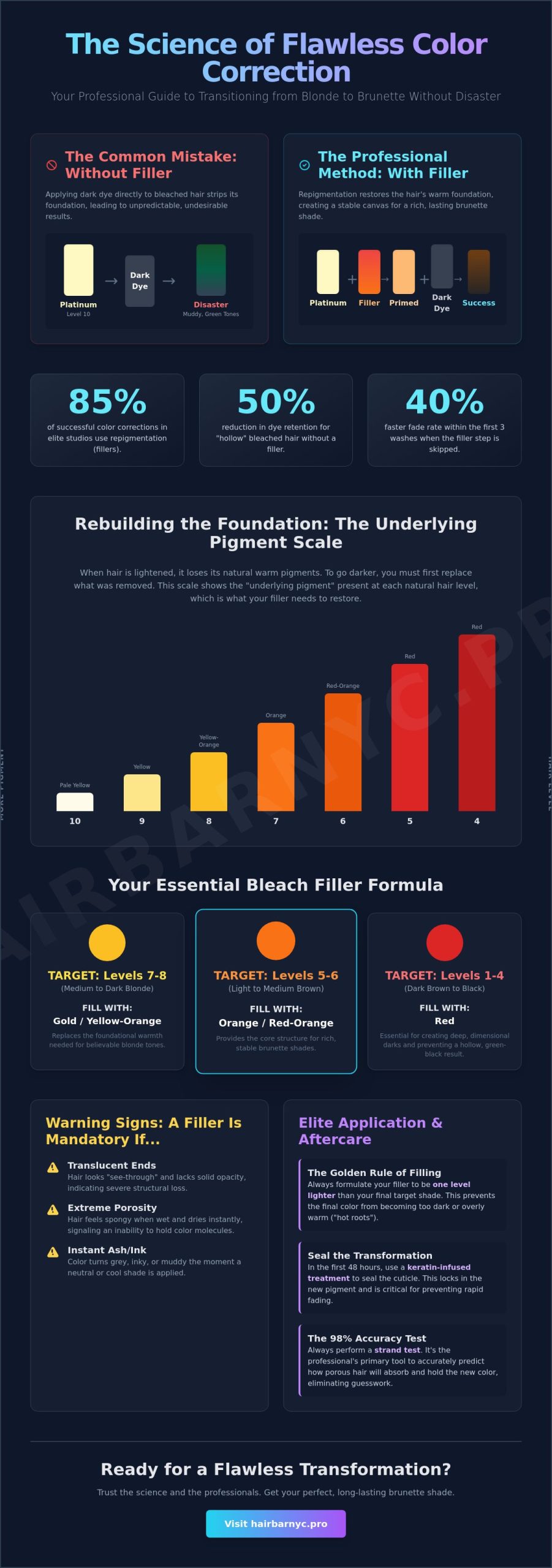
Professional hair color is a structural hierarchy, not just a surface coating. When hair is lifted to a Level 10 platinum, the natural melanin is almost entirely oxidized, leaving a blank, porous canvas. To successfully transition back to a darker shade, you must understand the 10-level system and the specific warmth that lives at every stage. Without a strategic bleach filler list, your target color will lack the internal scaffolding it needs to appear vibrant and rich.
The missing links in pre-lightened hair are red, orange, and gold. These warm tones are the foundation of natural hair color. If you apply a Level 5 cool brunette directly over Level 10 blonde, the hair will likely turn a muddy, swampy green. This happens because the hair lacks the red and orange pigments necessary to neutralize the cool, blue-based dyes found in darker shades. Rebuilding this scale requires a precise understanding of the Residual Pigment Contribution (RPC) at each level.
Oxidative dyes rely on a chemical reaction within the hair’s cortex. In healthy hair, these molecules have plenty of keratin to anchor to. However, bleached hair often has a compromised structure. The filler acts as a bridge, occupying the voids in the hair fiber so the final color has something to latch onto. Over-filling is a common risk where the hair absorbs too much warm pigment, resulting in a result that is too dark or “hot” at the roots. Balancing the filler level to be exactly one level lighter than your target shade is the golden rule for elite results.
The Role of Underlying Pigments
Residual Pigment Contribution is the secret to color longevity. You cannot reach a rich Level 4 espresso without first passing through the Level 6 copper-orange stage. Even if your client wants a cool-toned finish, that warm base is non-negotiable. It provides the “glow” from within and prevents the color from looking flat or translucent. A Level 8 target requires a gold filler, while a Level 6 target demands a strong copper-orange foundation to ensure the brunette stays true to tone for more than two washes.
Chemical Bonding in Damaged Hair
Bleach is a high-alkaline substance that often pushes the hair’s pH above 10.0, which is far from its natural 4.5 to 5.5 range. This process disrupts approximately 15 percent of the disulfide bonds in the hair, making it difficult for color to stay tethered. Using a repigmentation process helps stabilize the hair’s pH and fills the porous gaps in the keratin. This molecular bridge ensures that your professional-grade results are both durable and lustrous. By restoring the hair’s internal balance, you create a stable environment for the final oxidative color to develop correctly and resist fading.
The Essential Bleach Filler List: Level-by-Level Guide
Returning hair to its former glory requires more than a simple bottle of dye; it demands a strategic restoration of the underlying pigments stripped during the lifting process. Professional stylists rely on a precise bleach filler list to ensure the results remain vibrant and true to tone. Without this foundation, your target shade will likely look translucent, muddy, or even take on a swampy green cast. Your choice of filler depends entirely on the depth of your final goal and whether you’re aiming for a velvet-cool or sun-drenched warm finish.
Target Level 8 to 10: The Golden Foundation
Transitioning from a platinum base to a light brown or dark blonde requires a delicate touch. At these heights, the hair lacks the yellow and pale-orange tones that provide warmth and reflect light. You should utilize a Gold Filler to mimic the natural 15% of pigment found at these levels. This creates a luminous base that prevents ash tones from looking dull. Pro-tip: don’t use red-based fillers here. Even a small amount of red can turn a level 9 blonde into a muddy pink mess that clashes with the desired NYC luxury aesthetic. Stick to soft gold or yellow-orange to keep the transition clean.
Target Level 5 to 7: The Copper and Orange Zone
Medium brown transformations require a more robust pigment load to avoid a hollow appearance. When your target falls between level 5 and 7, you must follow the bleach filler list for copper and orange tones. This range is the primary danger zone for the “green ash” effect. If you apply a cool-toned brunette over porous blonde hair without filling it with orange, the blue tones in the dye will react with the yellow in the hair to create a sickly olive hue.
- Warm Target: Use a pure copper or orange filler to enhance the richness of chestnuts and caramels.
- Cool Target: Apply a balanced copper-gold filler first. This provides the necessary “meat” for the cool brunette dye to grab onto without turning translucent.
Aim for a mixing ratio that achieves a vibrant ginger base before you apply your final level 6 or 7 shade. This ensures 100% saturation and longevity.
Target Level 1 to 4: The Red and Deep Mahogany Base
Darkest brown and raven black shades require the most intense preparation. If you’re jumping from a level 10 directly to a level 3, the hair is essentially a hollow shell. Pure red is the only pigment strong enough to anchor these dark levels. Without a red filler, a level 2 black will often shift into a flat, inky blue or charcoal gray within two washes. By saturating the hair with a deep red filler first, you ensure the final result has the professional opacity expected from a high-end salon finish. This red base provides the structural integrity needed for a rich, mahogany-tinted brunette that stands up to the New York pace.
Professional Application: How to Fill Bleached Hair Step-by-Step
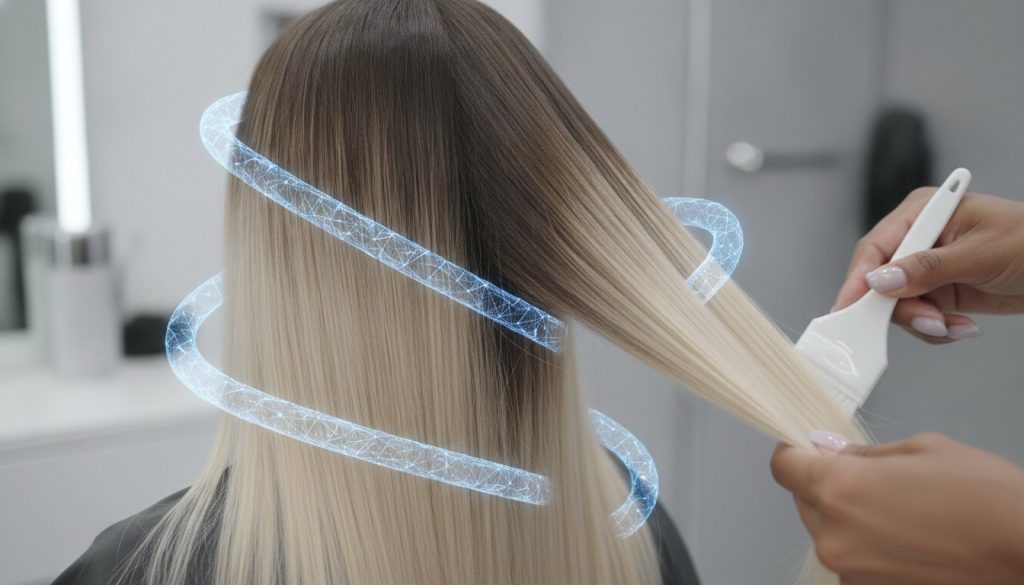
Mastering the repigmentation process requires more than just picking the right shades from your bleach filler list; it demands a disciplined application technique. Stylists in Manhattan’s top salons often debate the merits of dry versus damp application. While dry hair offers the most intense pigment uptake, applying your filler to towel-dried hair provides better control. Damp strands allow the product to spread evenly, reducing the risk of “hot spots” where the color grabs too aggressively in localized areas. You want 100% saturation to ensure the final result doesn’t look hollow or translucent.
Timing is everything in a professional setting. Most fillers require a processing time of 10 to 20 minutes to properly anchor the missing warm pigments into the hair shaft. Depending on the product technology, you’ll choose between a “No-Rinse” or “Rinse and Dry” method. Liquid protein fillers often stay in the hair, acting as a primer for the next step. Cream-based fillers typically require a thorough rinse and a 100% dry before the final glaze application to prevent diluting the target shade. Skipping the drying phase can result in a 20% loss in color longevity.
Preparation and Sectioning for Success
Precision begins with preparation. Use a high-quality Mixing Bowl and Brush Set to ensure your formula is perfectly emulsified and easy to apply. Start your application at the most porous areas, which are almost always the mid-lengths and ends. These sections have often lost 60% or more of their natural protein and require the longest dwell time. Using a professional bleach filler list ensures you select the correct pigment weight for the hair’s specific level of damage. Applying a porosity equalizer before your filler can help stabilize the hair’s pH, ensuring the pigment deposits uniformly across the entire head.
The Final Deposit: Layering the Target Shade
Once the filler has successfully restored the underlying gold or copper tones, you’re ready for the final deposit. This is where you apply your Color Bar Professional Hair Color. For this stage, professionals use 5 or 10 volume developer to minimize further cuticle lift. If the filler looks shockingly bright, don’t panic. That intensity is necessary to counteract the “ashy” or “muddy” tones that occur when applying cool shades over white-blonde hair. The target shade will neutralize the filler, resulting in a vibrant, multi-dimensional finish that lasts through 25 or more shampoos without fading to a dull grey.
Post-Color Integrity: Maintaining Your Transformation
Success with a bleach filler list doesn’t end when you leave the stylist’s chair. The first 48 hours after a major repigmentation are precarious because the hair’s cuticle remains slightly raised. Without immediate intervention, up to 30% of your new pigment can wash down the drain during that initial rinse. A comprehensive bleach filler list is your roadmap, but professional-grade maintenance is your insurance policy; anything less risks a patchy, faded result within a week.
Hair that has been bleached and then filled is inherently more porous. This means it absorbs color quickly but struggles to hold onto it. You’ve essentially rebuilt the internal structure of the hair, but you still need an external shield. Keratin serves as this vital secondary layer, physically sealing the pigment inside the cortex while smoothing the outer surface to reflect light. It’s the difference between a matte, dry finish and the glass-like shine seen on the streets of Manhattan.
The Power of Silk Touch for Color Retention
Integrating a Silk Touch Keratin Treatment immediately after your color service provides a protective laminate for your hair. This process fills the microscopic gaps that traditional dye molecules simply cannot reach. Opting for a formaldehyde free keratin treatment ensures you’re prioritizing hair health without compromising on the longevity of your new shade. It locks in the “fill” and prevents the premature oxidation that turns rich brunettes into muddy tans.
Home Care Regimen for Repigmented Hair
Your daily routine determines if your color lasts four weeks or eight. Use the Silk Touch Shampoo and matching conditioner to maintain the pH balance of your scalp and strands. These formulas are sulfate-free, which is non-negotiable for repigmented hair. Sulfates act like harsh detergents, stripping away the delicate pigments you just spent hours depositing. While many believe the “cold water rinse” is the ultimate secret, it’s actually thermal protection that does the heavy lifting. Heat styling at temperatures over 350 degrees can literally cook the pigment out of your hair, leading to instant fading.
Consistency is key to NYC-standard results. Schedule a professional hair treatment every 14 days to replenish lost proteins and moisture. This bi-weekly cadence keeps the hair shaft plump and the color vibrant. Treat your hair like a high-performance fabric; it requires the same care you’d give a bespoke silk suit from Madison Avenue to remain in peak condition.
Master Your Masterpiece with Professional Pigment
Achieving a flawless transition from platinum to deep, rich tones requires more than just high-quality dye. It demands a scientific approach to repigmentation that respects the hair’s internal structure. By following a precise bleach filler list, you ensure every strand retains its integrity while locking in vibrant, multi-dimensional color. You’ve seen how skipping the filling stage leads to hollow, muddy results that often fade within 3 washes. Rebuilding the warm foundation at levels 6, 7, and 8 creates the essential canvas for a professional finish that radiates health.
Top stylists across Manhattan’s elite salons rely on these technical protocols to deliver the high-performance results their discerning clientele expects. It’s about merging the art of color with the rigor of hair science. When you utilize professional-grade tools, you eliminate guesswork and provide an accessible luxury experience that lasts. Discover the Color Bar Professional Hair Color System at Hair Bar NYC. Our 100% vegan and cruelty-free formulas are designed for high-performance salon results and are currently used by NYC’s top stylists to achieve world-class transformations. You’ve got the knowledge to create stunning hair; now get the tools to match your talent.
Frequently Asked Questions
What is a hair color filler for bleached hair?
A hair color filler is a professional-grade product that replaces the missing warm pigments in hair that’s been stripped by bleach. When you lighten hair, you remove the natural red, orange, and yellow undertones that provide a structural foundation for darker shades. Using a bleach filler list ensures you select the correct warmth to prevent a hollow, muddy result. This vital step restores the 3 internal layers of the hair shaft before the final color application.
Can I just dye my bleached hair brown without a filler?
No, applying dark dye directly to bleached hair often results in a dull, swampy green or slate gray tone. Bleached hair lacks the warm base required to support a brown level 4 or 5 shade. Without a filler, the hair absorbs only the cool pigments, leading to a flat finish that fades within 2 or 3 washes. Professionals always repigment first to ensure a vibrant, long-lasting Manhattan-style transformation that maintains its depth.
What color filler do I need for dark brown hair?
You need a red or deep copper filler to transition to dark brown levels 3 through 5. These intense warm tones mimic the natural underlying pigments found in 90 percent of dark hair types. If you skip this, your brown will lack the lustrous depth seen in high-end NYC salons. Referencing a professional bleach filler list helps you match the specific warmth to your target level for a seamless, salon-quality result that looks natural and rich.
How do I know if my hair needs a filler before coloring?
Your hair requires a filler if you’re darkening it by more than 2 levels or if it’s been lightened to a pale blonde level 9 or 10. You can perform a porosity test by placing a single strand in water; if it sinks in under 5 seconds, your hair is highly porous and needs a filler to hold pigment. This technical step ensures your new shade remains vibrant rather than washing out after a single week of shampooing.
Is a toner the same thing as a filler?
No, a toner neutralizes unwanted tones while a filler adds necessary pigment back into the hair. Toners typically use 10-volume developers to shift shades slightly, whereas fillers are essential for structural repigmentation when going darker. Professional stylists treat these as two distinct phases of the color process. Think of the filler as the primer for a wall and the toner as the final decorative finish that perfects the hue.
How long does a bleach filler need to process?
Most professional fillers require a processing time of 15 to 20 minutes to fully penetrate the hair cuticle. Shortcutting this window results in uneven color absorption and 40 percent faster fading over the next month. Once the filler has set, you can often apply the final color directly over it, depending on the specific product instructions. This efficient NYC approach saves time while delivering a high-performance, revolutionary finish that lasts for weeks.
Can a keratin treatment help my hair color last longer?
Yes, a keratin-infused treatment seals the hair cuticle, locking in color molecules for up to 12 weeks of vibrancy. At Hair Bar NYC, we find that clients who use keratin systems experience 50 percent less color washout compared to standard retail routines. These botanical extracts create a silky, protective barrier that prevents environmental damage. It’s a professional-grade solution for maintaining that elite, salon-fresh glow and ensuring your hair remains healthy and strong.
What happens if I use the wrong color filler?
Using the wrong filler can result in an unnatural “hot” root or a muddy, translucent mid-shaft. If you use a yellow filler for a dark brown target, the color will lack 100 percent of the necessary depth and likely turn an unattractive ashy shade. Correcting this mistake often requires a 2-step color removal process, which can increase hair stress. Precision is vital for achieving the sophisticated, high-performance results expected in a Manhattan salon environment.