The Stylist’s Guide to Non-Toxic Salon Ventilation Solutions for 2026
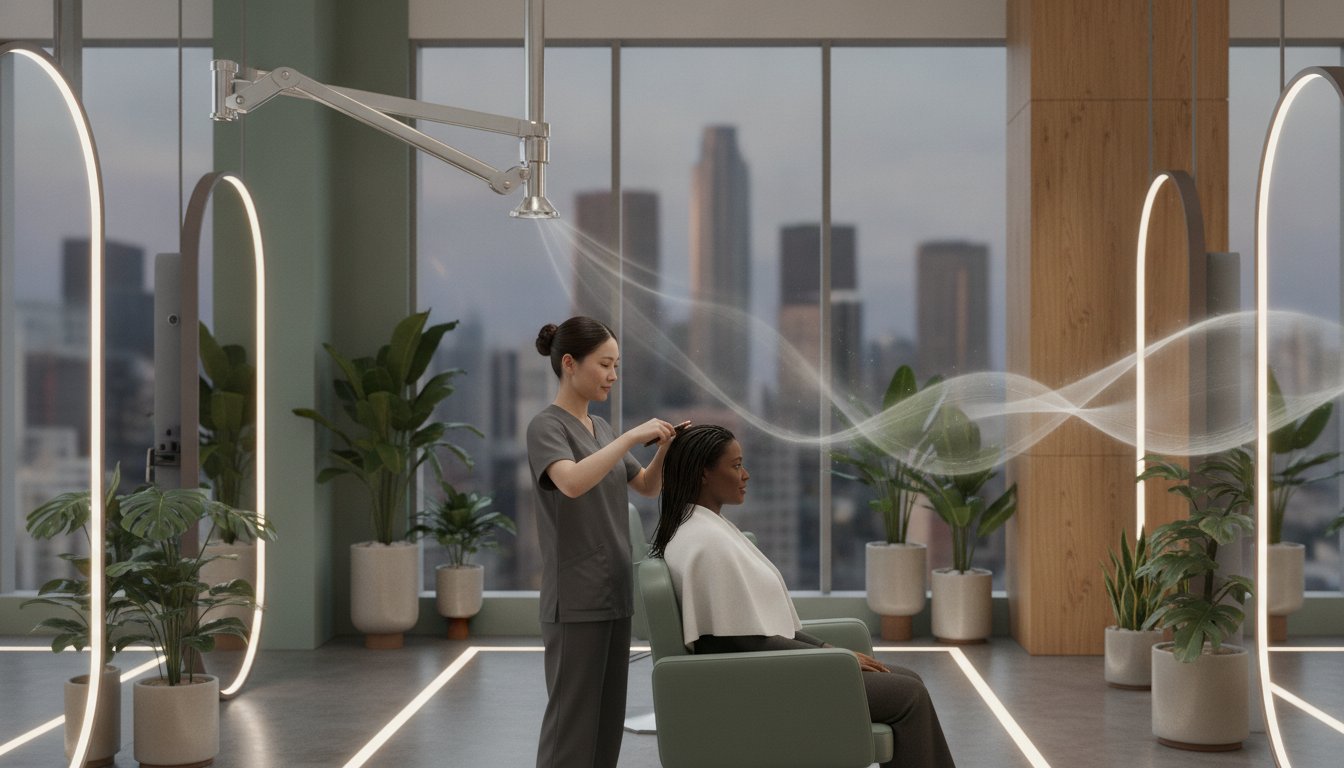
By the end of 2026, the standard for luxury hair care won’t just be defined by the mirror-like gloss of a finish, but by the very air your clients breathe. As OSHA’s updated Hazard Communication Standard deadlines approach, implementing non-toxic salon ventilation solutions has shifted from a niche preference to a professional necessity. You’ve likely experienced the mid-day headaches or seen a client wince at the sharp scent of a traditional smoothing treatment. It’s a frustrating trade-off between your physical well-being and the high-revenue services that define your career.
You don’t have to sacrifice your health for your craft. We’ll show you how to combine advanced source-capture technology with clean professional formulas to create a safer, high-end environment that attracts discerning clientele. This guide explores the International Mechanical Code requirements, including the 50 cfm exhaust rate standard, and how to integrate these systems without the staggering costs of a full HVAC overhaul. We will also preview how our Silk Touch and Diamond Keratin lines work in harmony with these systems to secure your reputation as a leader in the clean beauty movement while maintaining the elite results your brand is known for.
Key Takeaways
- Understand why standard HVAC systems are insufficient and how source capture technology traps VOCs before they reach your breathing zone.
- Learn how to implement non-toxic salon ventilation solutions by combining eHEPA filtration with professional-grade activated carbon systems.
- Master the “Scent Map” audit technique to identify stagnant air zones and eliminate respiratory irritants from your daily backbar inventory.
- Discover the “Source Reduction” principle and why switching to high-performance, formaldehyde-free formulas like Silk Touch is your primary line of defense.
- Elevate your brand by marketing a “Clean Air Sanctuary” that transforms workplace safety into a premium luxury experience for your elite clientele.
The Evolution of Salon Air Quality: Why Traditional Ventilation Fails
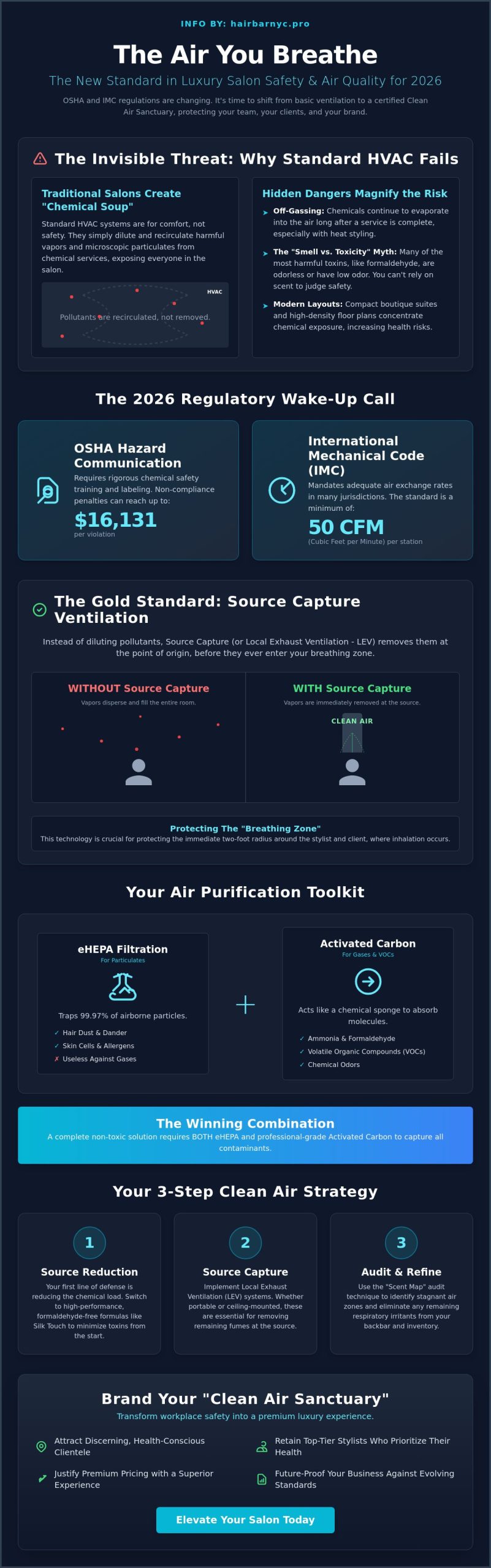
Your standard HVAC unit is a comfort tool, not a safety device. While it manages temperature beautifully, it typically lacks the filtration needed to scrub microscopic particulates or chemical vapors from the air. In a high-end salon, this creates a “chemical soup” where ammonia and VOCs are simply redistributed from one station to another. Understanding the science of indoor air quality reveals that dilution isn’t a solution for hazardous exposure. Implementing dedicated non-toxic salon ventilation solutions is the only way to ensure these vapors are captured and removed before they circulate.
Modern salon trends exacerbate these issues. The rise of compact boutique suites and high-density open floor plans means more chemical services are happening in smaller volumes of air. Without specialized non-toxic salon ventilation solutions, these concentrated environments become hotspots for respiratory irritation and long-term health risks. This isn’t just a health concern; it’s a professional liability. Top-tier stylists are increasingly choosing to work in “clean” environments, making air quality a primary factor in talent retention and employee satisfaction.
The Hidden Impact of Treatment Off-Gassing
Chemical exposure doesn’t end when the client leaves the chair. Off-gassing describes the process where chemicals continue to evaporate into the air long after a service is complete. Many stylists fall for the “Smell vs. Toxicity” myth, assuming that if a product is fragrance-free or low-odor, it’s inherently safe. In reality, some of the most persistent toxins are completely odorless. The risk peaks during high-heat styling, as professional flat irons can vaporize chemical residues, sending them directly into the stylist’s breathing zone.
Regulatory Trends and Industry Standards for 2026
The regulatory landscape for 2026 has reached a tipping point. OSHA’s updated Hazard Communication Standard now requires rigorous compliance with chemical labeling and safety training, with penalties for violations reaching up to $16,131 per occurrence. Additionally, the International Mechanical Code (IMC) mandates a minimum exhaust rate of 50 cfm per station in many jurisdictions to ensure adequate air exchange. Clean beauty has evolved from a metropolitan trend into a technical requirement. Professionals who ignore these standards risk more than just fines; they risk the reputation of their brand in a market that now demands total transparency and safety.
The Science of Source Capture Ventilation Solutions
Source capture ventilation isn’t just a technical upgrade; it’s a fundamental shift in how we protect the professional salon ecosystem. While general ventilation dilutes pollutants by mixing them with fresh air, source capture removes them at the point of origin. By targeting the “breathing zone”—the immediate two-foot radius where you and your client inhale—these systems ensure that chemical vapors never have the chance to disperse across the floor. This precision is why Local Exhaust Ventilation (LEV) is recognized as the gold standard for high-performance environments. Whether you opt for a sleek, integrated ceiling-mount system or a flexible portable unit for a boutique suite, the goal remains the same: total air purity without compromising the metropolitan aesthetic of your space.
Navigating the technical requirements for your build-out can feel daunting, but resources like New York State’s Ventilation Guide for Salons provide a clear roadmap for compliance and safety. These guidelines emphasize that capturing contaminants before they enter the general room air is the most effective way to maintain a healthy workspace. For stylists specializing in intensive smoothing services, investing in non-toxic salon ventilation solutions is the most proactive way to future-proof your business against evolving health standards and rising client expectations for clean beauty environments.
Filtration Technology: HEPA vs. Carbon
Many professionals mistakenly believe a HEPA filter is enough to clear the air. While HEPA is exceptional at trapping 99.97% of particulates like hair dust and skin cells, it’s virtually useless against the molecular gases found in hair color and smoothing treatments. To truly eliminate VOCs and ammonia, your system must utilize professional-grade activated carbon. This material acts like a chemical sponge, absorbing heavy molecular gases that HEPA simply can’t catch. To maintain peak performance and elite air quality, filters should typically be inspected and replaced every three to six months, depending on your weekly service volume.
Positioning for Performance
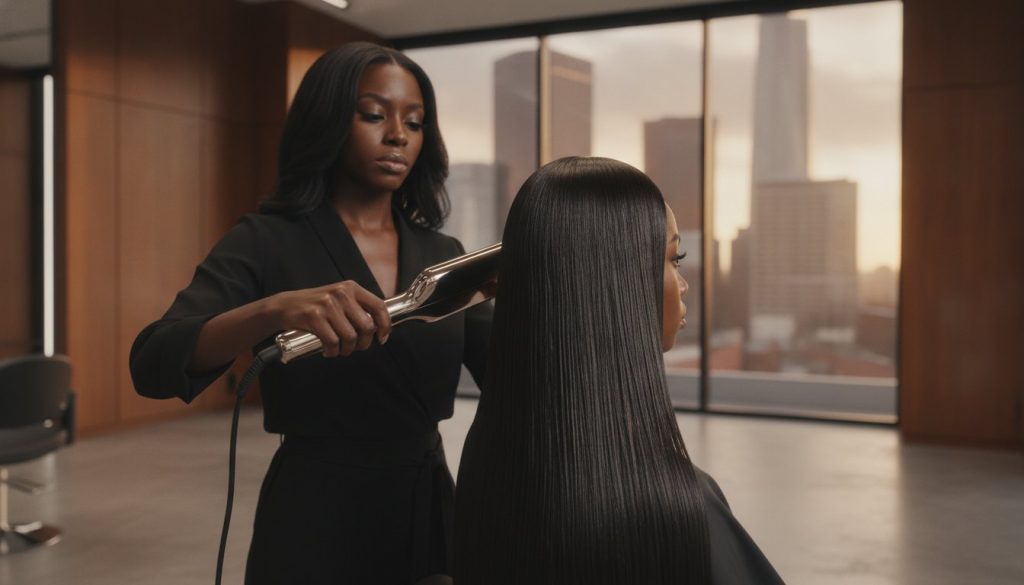
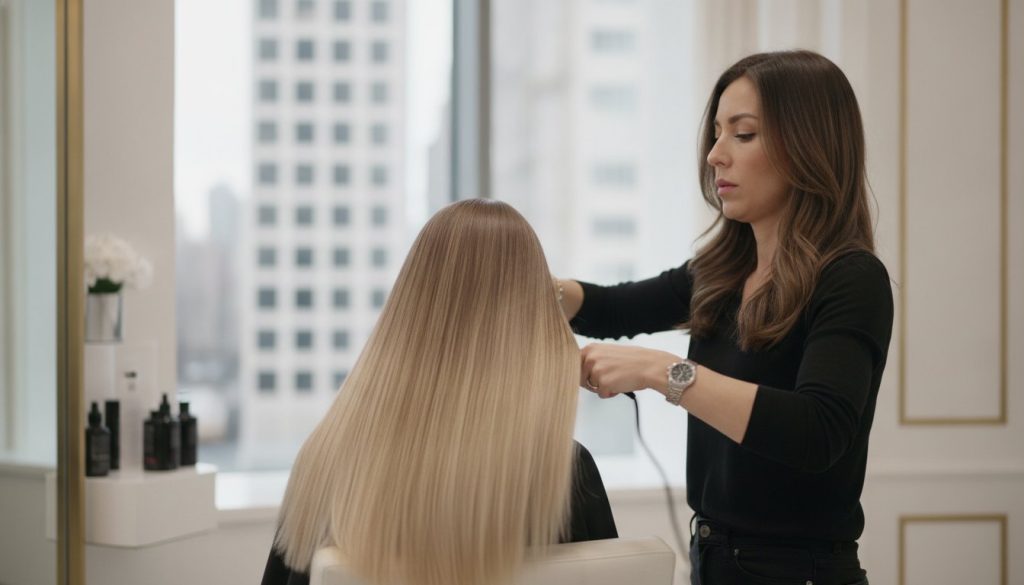
Success lies in the small details of application. During the flat-ironing phase of a keratin treatment, the ventilation hood should be positioned within 12 inches of the hair to capture rising vapors instantly. Modern systems balance this powerful suction with whisper-quiet noise reduction technology, ensuring your luxury atmosphere remains undisturbed. You want to purify the air without cooling the hair too quickly, which can interfere with the bond-building process. Pairing these technical solutions with high-performance tools like a Professional Flat Iron designed for precision ensures that every treatment is as safe as it is stunning.
Reducing the Load: The Role of Non-Toxic Product Selection
Most discussions about salon safety focus exclusively on hardware, but the true expert professional understands that air quality begins at the backbar. The “Source Reduction” principle dictates that the most effective way to manage air purity is to eliminate the source of contamination before it ever reaches the atmosphere. By curating a selection of high-performance, clean professional formulas, you significantly lower the chemical load on your non-toxic salon ventilation solutions. This synergy ensures your filters last longer and your workspace remains pristine, even during peak hours in a high-volume metropolitan salon.
Transitioning to formaldehyde free keratin treatments is the single most impactful change a stylist can make for their respiratory health. When you reduce the volume of volatile organic compounds (VOCs) at the source, your ventilation system doesn’t have to work as hard to maintain a safe environment. It’s a sophisticated approach that pairs mechanical precision with chemical intelligence, creating an elite standard of care that protects both the artisan and the client.
Identifying Truly Non-Toxic Smoothing Systems
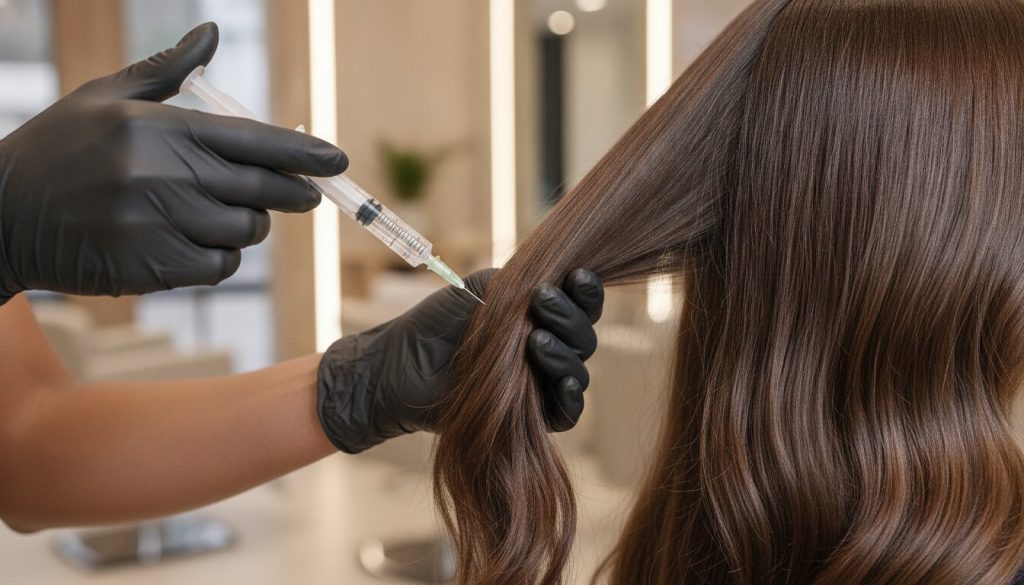
Reading professional Safety Data Sheets (SDS) is an essential skill for the modern chic stylist. Many traditional products hide methylene glycol or other formaldehyde-releasing agents behind technical jargon; always check Section 3 of your SDS for these specific triggers. Modern, sophisticated smoothing systems like Silk Touch Keratin Treatment or Diamond Keratin Treatment utilize glyoxylic acid to reorganize hair bonds without the toxic off-gassing associated with older technologies. Modern vegan keratin formulations now deliver the same mirror-like shine and frizz control as traditional formulas without compromising the air quality of your sanctuary.
Clean Color: Beyond Ammonia-Free
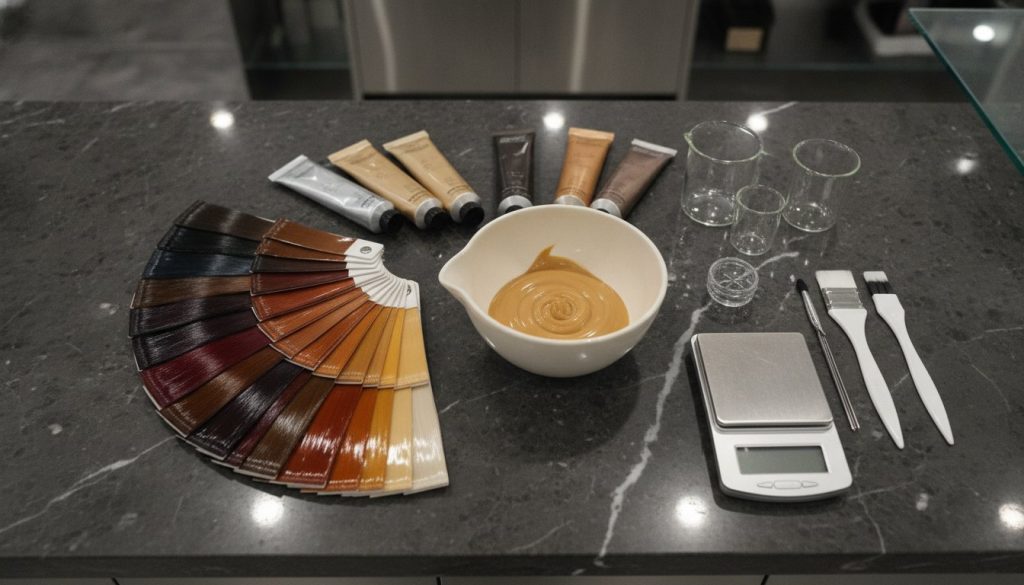
Air quality isn’t just a concern for smoothing services; it’s a constant factor at the color bar. Leading professional hair color brands are now prioritizing low-VOC technology and PPD alternatives to reduce the sensory impact of permanent services. Products like Color Bar Professional Hair Color are engineered to provide deep pigment saturation while minimizing the “chemical cloud” often found in traditional salons. This shift offers several luxury advantages:
- Reduced ammonia levels prevent the sharp, stinging sensation during application.
- Advanced oil-delivery systems lock in color while keeping the salon air fresh and breathable.
- Low-fume environments allow for more intimate, personalized client consultations without the distraction of chemical odors.
Educating your clientele on these choices transforms a technical safety measure into a lifestyle benefit. When clients realize their breathtaking transformation doesn’t come with the cost of respiratory irritation, their loyalty to your “Clean Beauty” brand becomes unshakable. You aren’t just selling a service; you’re providing an elite, health-conscious experience that sets you apart in a crowded urban market.
Implementing Your Non-Toxic Salon Audit
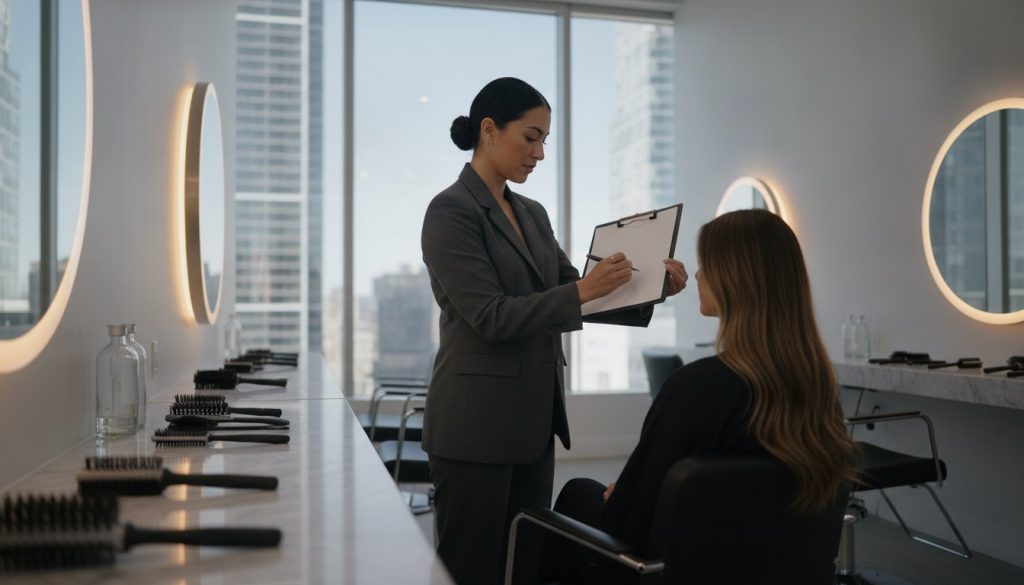
Transforming your space into a clean beauty sanctuary requires more than intuition. It demands a systematic audit of your current environment to identify where your existing systems fall short. Start by conducting a Scent Map during your busiest hours, such as a Saturday afternoon. Walk the floor and note where chemical odors from color services or smoothing treatments tend to linger. These stagnant zones are your primary targets for non-toxic salon ventilation solutions.
- Inventory Your Backbar: Review the Safety Data Sheets (SDS) for every product. Flag anything containing formaldehyde releasers or high-VOC solvents that contribute to poor air quality.
- Test Airflow: Use a professional anemometer to measure the actual air movement at each station. If your HVAC isn’t pulling air away from the stylist’s face, it’s failing the Breathing Zone test.
- Evaluate Station Density: High-density stations require more aggressive source capture. Determine if you need a modular unit for specific chairs or a larger integrated system for the entire floor.
Elevate your salon standards today by exploring our professional-grade smoothing systems that simplify your transition to a cleaner, safer workspace.
Measuring Success: Air Quality Monitors
Data-driven salons don’t guess about safety. Use PM2.5 and TVOC (Total Volatile Organic Compound) monitors to get real-time readings of your workspace. OSHA sets permissible exposure limits, but elite salons aim for even lower thresholds to ensure maximum comfort for staff and clientele. Documenting these levels isn’t just for safety. It’s a powerful marketing tool. Showing potential hires and high-end clients that your air quality meets clinical standards reinforces your reputation as an expert professional who prioritizes wellness.
The Cost-Benefit Analysis of Upgrading
Upgrading your ventilation is a strategic investment in your brand’s longevity. While the initial cost of source capture systems ranges from approximately $1,195 for single stations to over $2,095 for multi-station setups, the ROI is found in stylist retention and reduced absenteeism. Healthy employees are more productive and stay with your brand longer. Consider energy-efficient non-toxic salon ventilation solutions like heat-recovery ventilators (HRV) that maintain air purity without spiking utility bills. While federal tax incentives aren’t universal, many metropolitan areas offer small business grants for green initiatives. Check with your local government or utility provider to see what energy-efficiency rebates apply to your specific urban setting.
The Elite Standard: Branding Your Clean Air Sanctuary
Safety is the new chic. In an era where wellness and luxury are inextricably linked, your salon’s air quality is a silent but powerful brand ambassador. Transforming your workspace into a “Fresh Air Sanctuary” elevates the client experience from a standard appointment to a premium wellness retreat. When you invest in non-toxic salon ventilation solutions, you aren’t just complying with 2026 regulations; you’re making a bold declaration about your brand’s commitment to elite care. This atmosphere of purity becomes a tangible sensory benefit that clients notice the moment they cross your threshold.
The modern high-end client is exceptionally health-conscious and deeply knowledgeable about the ingredients in their beauty routine. They seek out destinations that align with their values. Marketing your salon as a low-toxicity environment allows you to capture this growing metropolitan demographic. By highlighting your sophisticated air management systems alongside your clean professional formulas, you position your brand as a visionary leader in the “Clean Beauty” movement. This transparency builds unshakeable trust and justifies the premium pricing associated with high-performance, safer services.
The Hair Bar NYC Professional Advantage
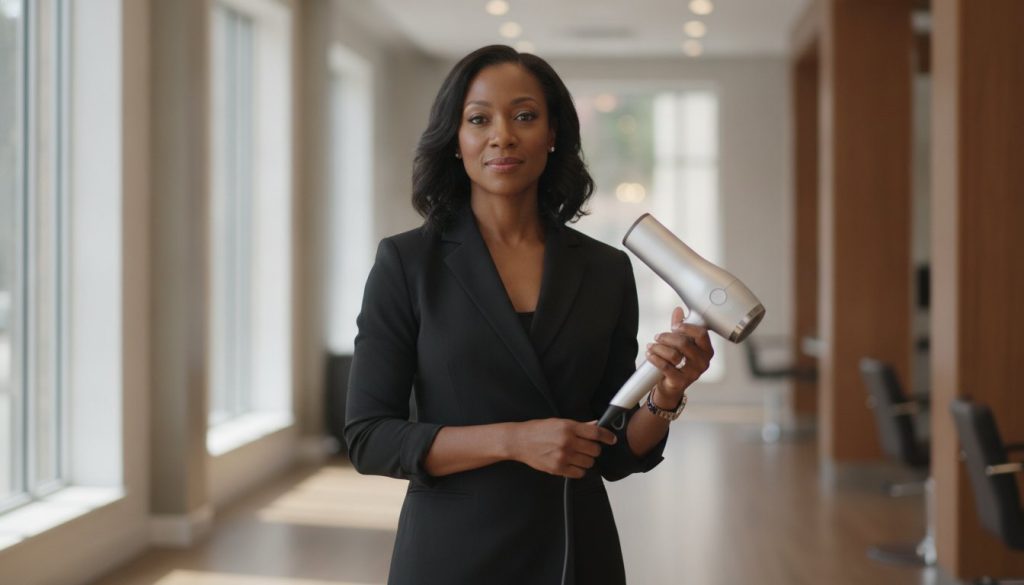
Success in a modern salon requires a “Dual-Defense” strategy where hardware and chemistry work in perfect unison. Our Silk Touch Keratin Treatment serves as the foundation of this approach, offering a low-fume smoothing experience that doesn’t overwhelm your workspace or your filters. When paired with Color Bar Professional Hair Color, you maintain vibrant, high-fashion results without the heavy chemical scent traditional lines leave behind. This combination perfectly complements your non-toxic salon ventilation solutions by ensuring the air remains as vibrant and fresh as the hair you create. Even your choice of tools matters; using our Professional Hair Dryer helps manage airflow and particulates, maintaining the integrity of your sanctuary’s atmosphere.
Final Steps to a Non-Toxic Future
Training your team is the final, critical step in mastering this new professional standard. Ensure every stylist understands how to position ventilation hoods correctly and how to explain the benefits of clean formulas to their guests. To build immediate trust, consider displaying a “Clean Air” certificate in your front window, documenting your commitment to meeting the highest air quality standards. This visible mark of excellence reassures every person who enters that their health is your top priority. The future of luxury hair care is breathable, transparent, and uncompromising on performance.
Elevate your salon with our professional non-toxic smoothing and color systems and define the next frontier of elite salon care.
Defining the New Standard of Salon Excellence
Mastering air quality requires a strategic blend of advanced source-capture technology and high-performance chemistry. By performing a thorough audit and transitioning to low-VOC formulas, you protect your team’s health while securing a “Clean Beauty” reputation that resonates with your most discerning clients. Investing in non-toxic salon ventilation solutions is no longer just a luxury upgrade; it’s a fundamental pillar of a modern, sustainable business model that prioritizes wellness alongside artistry.
Your talent deserves a workspace that’s as inspiring and healthy as the transformations you create. Upgrade your salon with Hair Bar NYC Professional’s non-toxic smoothing systems to experience the elite standard of care used by top stylists in high-end New York salons. Our cruelty-free and formaldehyde-free formulas deliver professional-grade performance without the toxic load, ensuring your sanctuary remains as fresh as the mirror-like shine you deliver. Step into the future of the professional industry with confidence and breathe easier knowing your brand is leading the way.
Frequently Asked Questions
Is it possible to have a completely odorless keratin treatment?
Truly odorless treatments are a reality when you switch from methylene glycol to sophisticated acid-based formulas. Our Silk Touch and Diamond Keratin treatments utilize glyoxylic acid to provide elite results without the stinging vapors of traditional products. While odorless is a technical ideal, these treatments represent a massive shift toward a more breathable, luxury environment for both the stylist and the client.
Do I need to replace my entire HVAC system to improve salon air quality?
You don’t need a complete HVAC overhaul to transform your air quality. Most high-end salons achieve clinical-grade results by adding targeted non-toxic salon ventilation solutions, such as source capture units, at specific stations. These modular systems are far more cost-effective than a total building renovation and allow for precise control in areas where smoothing or color services are concentrated.
What is the difference between an air purifier and a source capture system?
An air purifier manages the ambient environment, while a source capture system removes contaminants at the point of origin. Think of air purifiers as general cleaning for the entire room and source capture as a precision tool that traps vapors within the breathing zone. For high-intensity services like keratin treatments, source capture is the essential professional standard to prevent chemical dispersion across the salon floor.
Can non-toxic ventilation solutions help with salon color smells too?
Specialized ventilation systems are incredibly effective at neutralizing the sharp scents associated with hair color. When you pair activated carbon filtration with low-VOC products like Color Bar Professional Hair Color, you eliminate the lingering ammonia smell that often defines traditional salons. This creates a sensory experience that feels more like a luxury spa than a chemical laboratory, enhancing the overall client journey.
Are formaldehyde-free treatments as effective as traditional ones in a ventilated salon?
Modern formaldehyde-free treatments deliver the same high-performance results as traditional versions without the dangerous off-gassing. Advanced formulations provide exceptional frizz control and mirror-like shine, proving that safety and luxury are no longer mutually exclusive. In a well-ventilated space, these products offer a superior experience for health-conscious clients who demand elite results without the risk of respiratory irritation.
How much does a professional salon ventilation system typically cost to maintain?
Professional maintenance is surprisingly manageable and centers around periodic filter replacements. You should inspect your HEPA and activated carbon filters every three to six months to ensure they remain effective against VOCs. While costs depend on your specific system and service volume, regular maintenance is a small price to pay for the long-term health of your staff and the premium reputation of your brand.
What are the most common VOCs found in professional hair salons?
The most prevalent VOCs in a salon setting include formaldehyde, toluene, and ammonia. These volatile compounds evaporate at room temperature and can lead to headaches or respiratory issues if not properly managed. Implementing non-toxic salon ventilation solutions specifically designed to trap these molecular gases is the only way to ensure your indoor air quality meets modern professional standards and protects your team’s well-being.
How can I tell if my current salon ventilation meets local building codes?
Consult the International Mechanical Code (IMC) or your specific state’s ventilation requirements to verify compliance. Many jurisdictions now mandate a minimum exhaust rate of 50 cfm per station, especially in metropolitan areas with strict health codes. You can use a professional anemometer or hire a certified technician to measure your current airflow and confirm that your salon meets these rigorous safety benchmarks for 2026.